Overview
Cultivate your own delicious harvests with this exceptional pomegranate live plant. Revered globally for its distinctive fruit, this particular variety is a popular and widely cultivated choice for home gardeners. Each plant arrives as a healthy, established specimen, typically measuring 3 to 4 feet tall and nurtured in a 3-gallon pot, ensuring a robust start in your garden. The pomegranate is not just a fruit producer; it’s also a beautiful and attractive addition to any landscape, offering ornamental value with its showy flowers and long-lived nature. This live plant is ready to be transplanted into your garden or a larger container, promising years of beauty and delicious fruit.
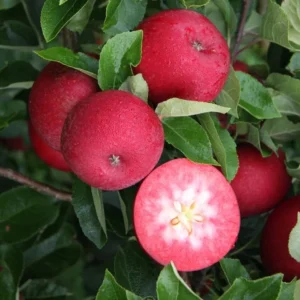
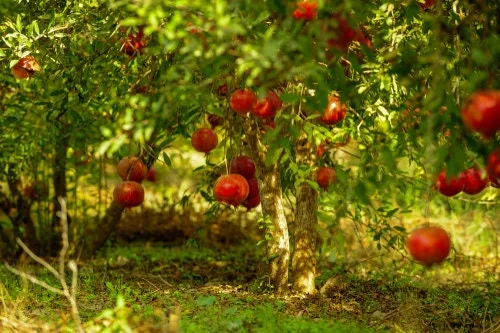
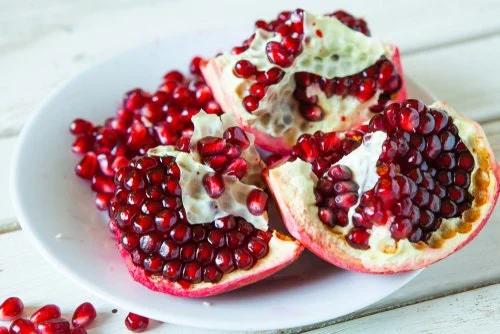
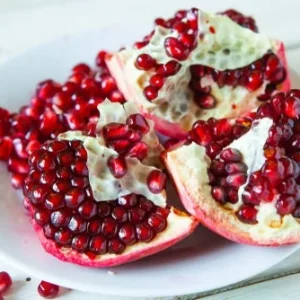
The fruit produced by this pomegranate live plant is extra-large, featuring a beautiful blushed red skin that encases juicy, rich red flesh. The sharp-tart, exquisite flavor of these pomegranates is highly prized, making them a favorite for fresh consumption, juicing, and culinary creations. Growing your own means enjoying fresh, vibrant fruit right from your backyard. This resilient tree is also known for being a drought tolerant plant, making it suitable for various climates and a wise choice for sustainable gardening.
Key Benefits
Investing in a pomegranate live plant offers a multitude of benefits, from aesthetic appeal to the joy of fresh, homegrown fruit. This plant is a fantastic choice for both novice and experienced gardeners due to its hardiness and bountiful yields.
- Delicious Homegrown Fruit: Enjoy extra-large pomegranates with juicy, rich red flesh and a highly prized sharp-tart flavor. Perfect for fresh eating, juices, and culinary uses, providing healthy benefits directly from your garden.
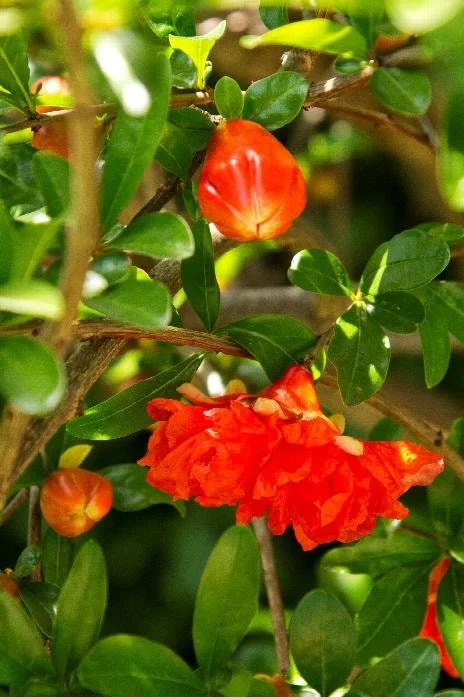
- Ornamental Value: Beyond its fruit, the pomegranate tree care is minimal, and its attractive foliage and showy, decorative flowers make it a beautiful landscape specimen. It can serve as an elegant ornamental shrub or small tree in parks and gardens.
- Drought Tolerance: This plant is remarkably drought tolerant, thriving even in dry areas. This makes it an excellent, low-maintenance option for water-wise gardening, reducing the need for frequent irrigation.
- Long-Lived & Resilient: Pomegranate trees are known for their longevity and hardiness, providing many years of beauty and fruit production with proper care. This makes it a sustainable and rewarding long-term investment for your garden.
- Self-Fruitful: While planting another pomegranate nearby can increase production, this variety is self-fruitful, meaning a single plant can produce fruit on its own. This simplifies the process of how to grow pomegranate successfully in smaller spaces.
- Adaptable to Various Climates: Thriving in USDA Zones 5-10 and requiring only 150-200 chill hours, this fruit bearing plant is adaptable to a wide range of climates, making it accessible to many gardeners across the US.
- Healthy Juice Source: The juice from these pomegranates is highly prized not just for its flavor but also for its numerous healthy benefits, adding a nutritious element to your diet.
Plant Care & Growing Tips
Proper pomegranate tree care ensures a healthy and productive plant. Pomegranate trees thrive best in a hot, sunny location. They require a minimum of 6 hours of direct sunlight per day to produce the best fruit. When planting, choose a spot in your garden that receives full sun exposure. While they are adaptable, pomegranates prefer well-draining soil. They can tolerate a range of soil types, but heavy, waterlogged soils should be avoided. If your soil is clay-heavy, consider amending it with organic matter to improve drainage. It is best not to plant in wet areas, as this can lead to root issues. These trees are quite hardy, suitable for USDA Zones 5-10, requiring 150-200 chill hours to set fruit effectively.
Watering is crucial, especially during establishment. While mature pomegranate live plant specimens are drought tolerant, young trees need regular watering to develop a strong root system. Water deeply and consistently, allowing the top few inches of soil to dry out between waterings. Once established, reduce watering frequency, particularly in areas with good rainfall, as the tree can sustain itself. Fertilization can be done in early spring with a balanced slow-release fertilizer, especially for young trees, to encourage vigorous growth and fruit production. Avoid over-fertilizing, which can lead to excessive foliage at the expense of fruit.
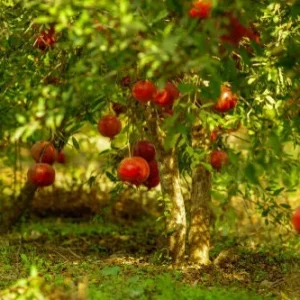
Pruning should be done in late winter or early spring to remove dead or diseased branches, shape the tree, and encourage new growth. Pomegranates can be grown as a multi-stemmed shrub or trained into a single-trunk tree. Fruit generally ripens in September, offering a beautiful late-season harvest. Although self-fruitful, planting another fruit bearing plant nearby, such as another pomegranate, can significantly increase overall fruit production on both plants. Keep an eye out for common pests like aphids or whiteflies, and treat as needed with organic insecticidal soaps. With proper care, your pomegranate tree will be a rewarding addition to your garden for many years.
Size & Details
This pomegranate live plant is typically shipped at a robust size, ranging from 3 to 4 feet tall, making it an excellent candidate for immediate planting and establishment in your garden. Each plant comes pre-potted in a 3-gallon nursery container, which provides a healthy root ball and minimizes transplant shock. The mature plant can grow up to 18 feet tall, though it can be kept smaller with regular pruning, making it versatile for various garden sizes and designs. It is a moderately fast grower once established, quickly reaching a size where it can begin to produce fruit.
The fruit of this particular variety generally ripens in September, offering a timely harvest of delicious pomegranates. This drought tolerant plant is ideal for outdoor cultivation and thrives in warm, sunny conditions. Its showy flowers and attractive form add significant aesthetic value to your landscape before the fruit even begins to develop. This plant is delivered ready to be planted in your desired location, providing the foundation for a productive and beautiful fruit tree.
Frequently Asked Questions
- Q: How big does this pomegranate live plant get? A: This pomegranate live plant ships at 3-4 feet tall and can reach a mature height of up to 18 feet, though its size can be managed with pruning.
- Q: What size pot does it come in? A: The plant arrives in a 3-gallon nursery pot, providing a healthy root system for successful transplanting.
- Q: Is this an indoor or outdoor plant? A: This pomegranate live plant is best suited for outdoor cultivation, thriving in full sun in USDA Zones 5-10. It can be grown in containers and brought indoors in colder climates during winter.
- Q: How much sunlight does it need? A: For optimal growth and fruit production, this fruit bearing plant requires at least 6 hours of direct sunlight per day.
- Q: Is this plant easy to care for? A: Yes, with its drought tolerance and adaptability, this pomegranate is considered relatively easy to care for, especially once established. Regular pomegranate tree care involves proper watering, sunlight, and occasional pruning.
- Q: What condition will it arrive in? A: Your pomegranate live plant will arrive securely packaged and in a healthy, thriving condition, ready for planting.
- Q: When is the best time to plant? A: The best time to plant is typically in spring or early summer, allowing the plant ample time to establish before extreme weather.
- Q: Can I grow this plant in a container? A: Yes, this pomegranate live plant can be successfully grown in a large container, which is beneficial for gardeners in colder zones who need to move the plant indoors during winter.
- Q: Will it survive winter in my zone? A: This plant is hardy in USDA Zones 5-10. If you are in a colder zone, container planting and bringing it indoors during winter is recommended to protect it from freezing temperatures.
- Q: Is this pomegranate self-fruitful? A: Yes, this variety is self-fruitful, meaning a single plant can produce fruit. However, planting another pomegranate nearby can enhance overall fruit yield.


Reviews
There are no reviews yet.