Overview
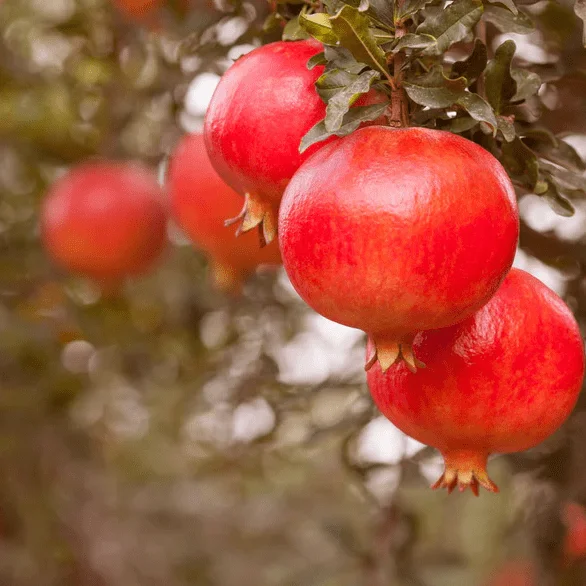
Introduce a touch of exotic beauty and delicious flavor to your landscape with our premium pomegranate live plant. This deciduous fruit-bearing shrub or small tree is renowned for its stunning bright red flowers that precede the development of its iconic, round, jewel-like fruits. Each fruit is packed with sweet-tart arils, perfect for fresh eating, juices, or culinary creations. Growing your own pomegranate live plant offers a rewarding experience, providing both ornamental appeal and a bountiful harvest. These plants are relatively easy to establish and maintain, making them a fantastic addition for both novice and experienced gardeners looking to cultivate their own healthy produce.
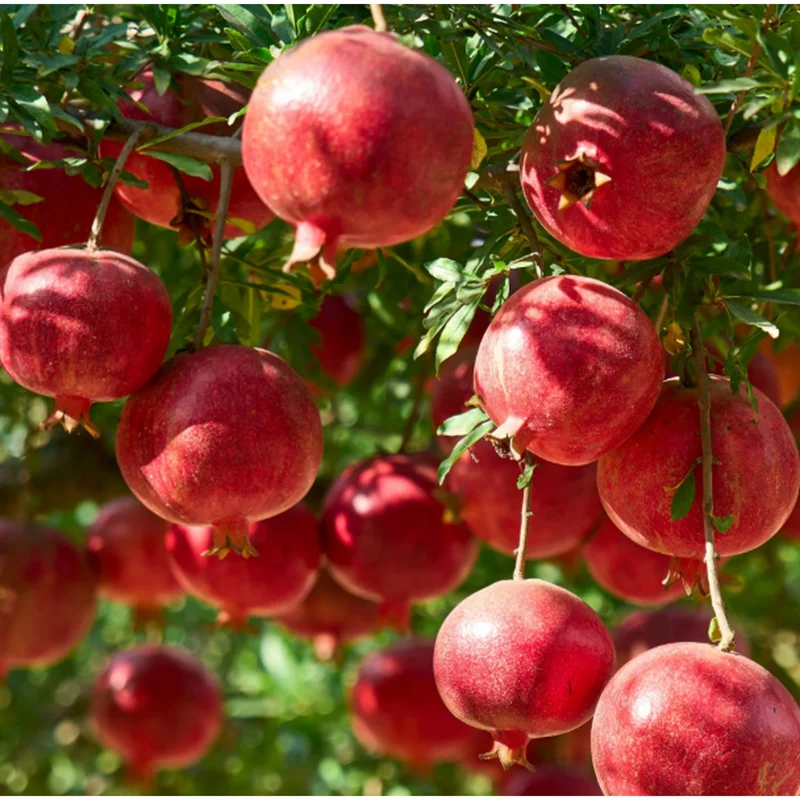
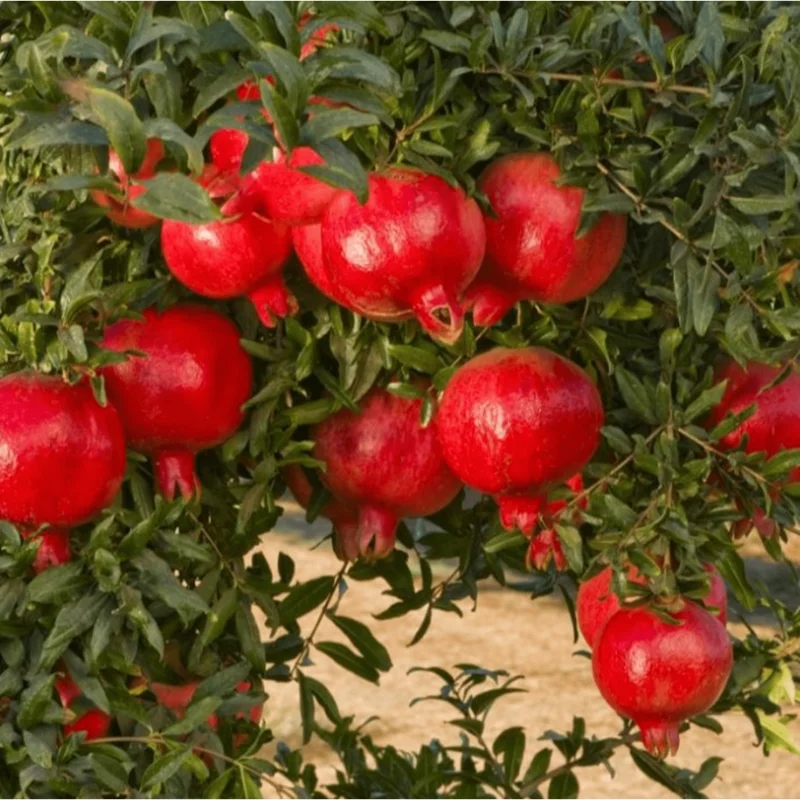
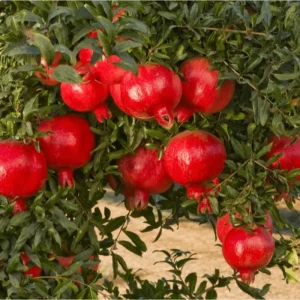
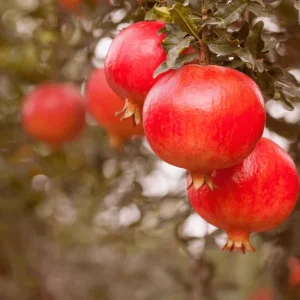
The botanical name for pomegranate is Punica granatum, and it has been cherished for centuries across various cultures for its nutritional benefits and distinctive taste. Our pomegranate live plant arrives healthy and ready for planting, ensuring a strong start in your garden. With proper care, this plant will thrive, transforming into a productive and attractive feature in your outdoor space. Imagine plucking your own homegrown pomegranates, rich in antioxidants and bursting with flavor, directly from your yard. This particular variety is known for producing luscious red pomegranate fruit, adding a splash of color to your garden.
Key Benefits
Cultivating a pomegranate live plant offers a multitude of advantages, from aesthetic appeal to nutritional benefits. It’s an excellent choice for anyone seeking a productive and beautiful addition to their garden.
- Homegrown Fruit Production: Enjoy the satisfaction of harvesting your own fresh, organic pomegranates. These fruits are incredibly versatile, perfect for snacking, juicing, salads, and desserts, ensuring you always have a healthy option at hand.
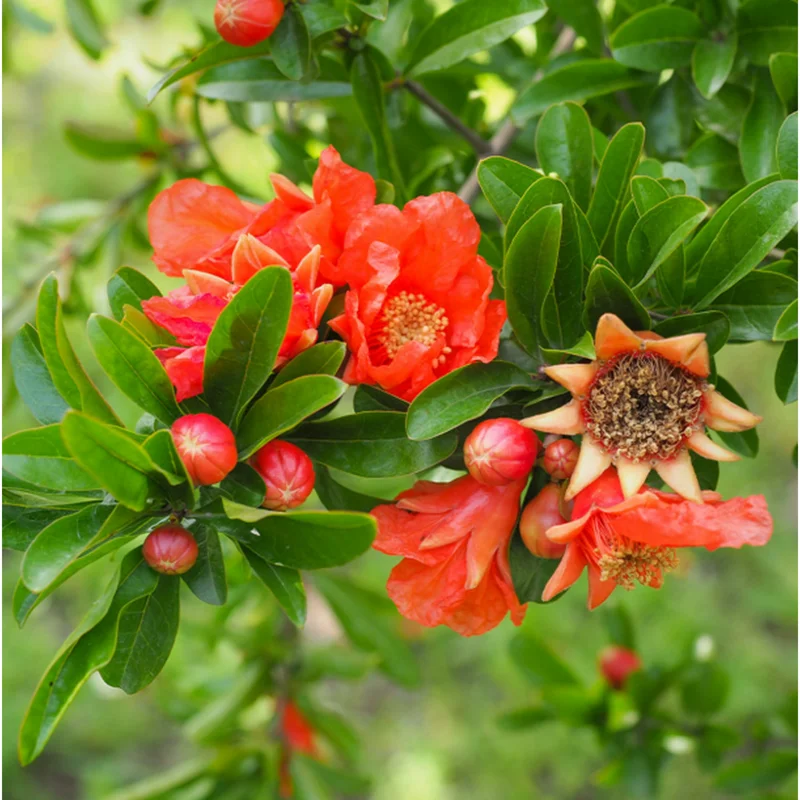
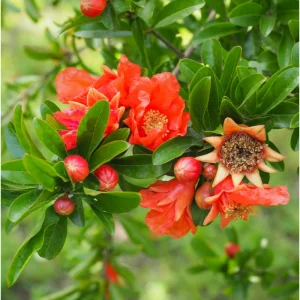
- Ornamental Value: Beyond its fruit, the pomegranate plant is highly decorative. Its bright red to orange-red flowers provide a stunning display in spring and summer, attracting pollinators and adding vibrant color to your landscape.
- Drought Tolerance: Once established, pomegranate plants are remarkably drought-tolerant, making them a sustainable choice for many climates and reducing the need for excessive watering. This resilience contributes to easier pomegranate plant care.
- Nutritional Powerhouse: Pomegranates are celebrated for their high antioxidant content, vitamin C, and fiber. Growing your own ensures access to these healthy benefits, supporting overall well-being.
- Versatile Landscaping: This plant can be grown as a shrub, trained as a small tree, or even kept in a large container in colder climates, offering flexibility for various garden designs and sizes. It’s a great choice for an outdoor fruit tree.
- Low Maintenance: Pomegranates are relatively low-maintenance plants, requiring minimal pruning and pest management once established. This makes them suitable for gardeners who prefer less intensive care routines.
- Attracts Wildlife: The vibrant flowers can attract hummingbirds and other beneficial pollinators to your garden, contributing to a healthy ecosystem.
Plant Care & Growing Tips
To ensure your pomegranate live plant thrives and produces abundant fruit, understanding its specific care requirements is essential. Pomegranates are quite resilient but flourish with the right conditions. For optimal growth and fruit production, plant your pomegranate in a location that receives full sun, meaning at least 6-8 hours of direct sunlight per day. While they can tolerate some partial shade, fruit production will be significantly reduced. In very hot climates, some afternoon shade can be beneficial to prevent scorching.
When it comes to watering, young pomegranate plants need consistent moisture to establish their root systems. Water deeply 2-3 times a week during dry periods for the first year. Once established, they become quite drought-tolerant, but regular watering, especially during flowering and fruiting, will lead to larger and juicier pomegranates. Avoid overwatering, as this can lead to root rot. Well-draining soil is crucial; pomegranates prefer a slightly acidic to alkaline soil (pH 5.5-7.0) that is sandy loam. If your soil is heavy clay, amend it with organic matter and sand to improve drainage. This will greatly assist you to grow pomegranate tree successfully. Fertilize your plant in early spring with a balanced slow-release fertilizer or an organic compost, following product instructions. Pruning should be done in late winter or early spring to remove dead or crossing branches, and to shape the plant. Regular pruning encourages better air circulation and fruit production, making pomegranate plant care straightforward.
Pomegranates are generally hardy and resistant to most pests and diseases, but keep an eye out for aphids or whiteflies, which can be managed with insecticidal soap. Providing adequate spacing for air circulation will also help prevent fungal issues. Protecting young plants from extreme cold is advisable in marginal zones. This hardy outdoor fruit tree will reward your efforts with delicious fruit for many years.
Size & Details
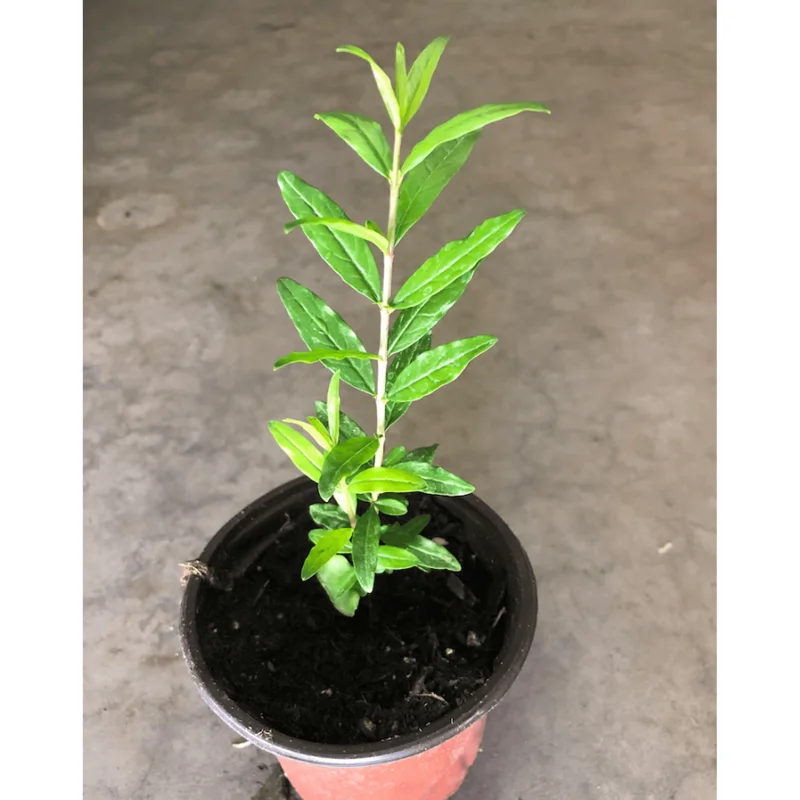
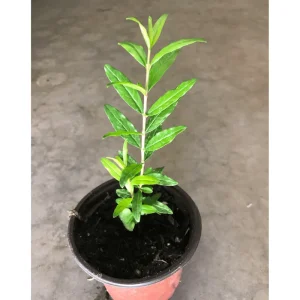
This offering is for one pomegranate live plant, typically measuring 4 to 6 inches in height upon arrival. These young plants are carefully nurtured to ensure a healthy root system, ready for transplanting into your garden. While small, they are robust and will grow rapidly with proper care. Pomegranate plants are known for their moderate growth rate, often reaching heights of 10-20 feet at maturity if left unpruned, though they can be maintained at a smaller size with regular pruning, making them suitable for various garden sizes or even large containers. They are typically shipped in a small nursery pot, ensuring the roots remain moist and protected during transit.
Expect your pomegranate live plant to begin producing fruit within 2-3 years, with yields increasing as the plant matures. The fruit ripens in late summer to early fall, depending on your climate. This deciduous shrub will lose its leaves in winter, only to bud out again in spring with fresh foliage and new flowers. This size is ideal for establishing a new outdoor fruit tree in your garden, providing a cost-effective way to grow pomegranate tree from a young age.
Frequently Asked Questions
- Q: How big does this plant get? A: This pomegranate live plant arrives 4-6 inches tall. At maturity, it can reach 10-20 feet in height, but it can be kept smaller with regular pruning, making it adaptable to various garden sizes.
- Q: Is this an indoor or outdoor plant? A: Pomegranates are primarily outdoor plants, thriving in full sun. While they can be grown in large containers and brought indoors during winter in colder climates, they are best suited as an outdoor fruit tree.
- Q: How much sunlight does it need? A: For optimal growth and fruit production, your pomegranate live plant requires at least 6-8 hours of direct sunlight per day.
- Q: Is this plant easy to care for? A: Yes, pomegranates are considered relatively easy to care for, especially once established. They are drought-tolerant and require minimal pruning, making pomegranate plant care straightforward.
- Q: What condition will it arrive in? A: Your pomegranate live plant will arrive healthy, carefully packaged in a nursery pot with its root ball protected to ensure it’s ready for planting.
- Q: How long until it produces fruit? A: Typically, a young pomegranate live plant like this will begin to bear red pomegranate fruit within 2-3 years after planting, with full production increasing over subsequent years.
- Q: Will it survive winter in my zone? A: Pomegranates are generally hardy in USDA Zones 7-10, though some varieties can tolerate Zone 6 with protection. It’s important to know your specific hardiness zone to ensure successful overwintering for your outdoor fruit tree.
- Q: What is the best soil for growing pomegranates? A: Pomegranates prefer well-draining soil, ideally a sandy loam, with a pH between 5.5 and 7.0. Good drainage is crucial for healthy root development.
- Q: Can I grow pomegranate in a pot? A: Yes, you can grow pomegranate tree in a large container. Choose a pot at least 15-20 gallons in size with good drainage, and ensure it receives plenty of sunlight.
- Q: What is the main benefit of growing my own pomegranate? A: The main benefit is enjoying fresh, organic red pomegranate fruit directly from your garden, packed with nutrients and flavor that surpasses store-bought options.


Reviews
There are no reviews yet.