
Overview
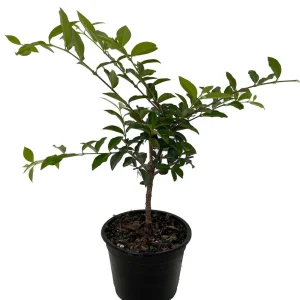
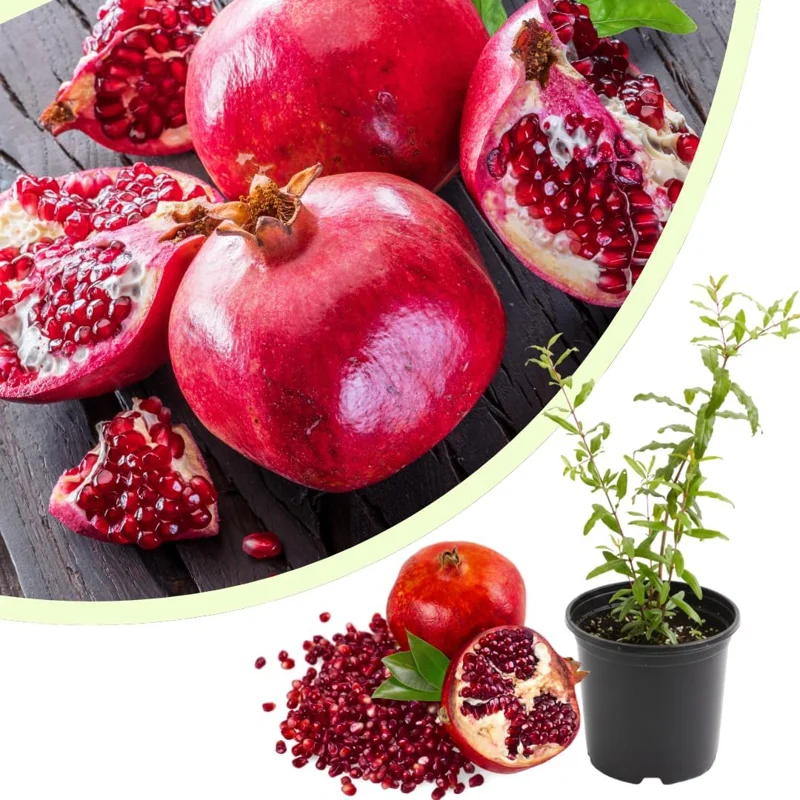
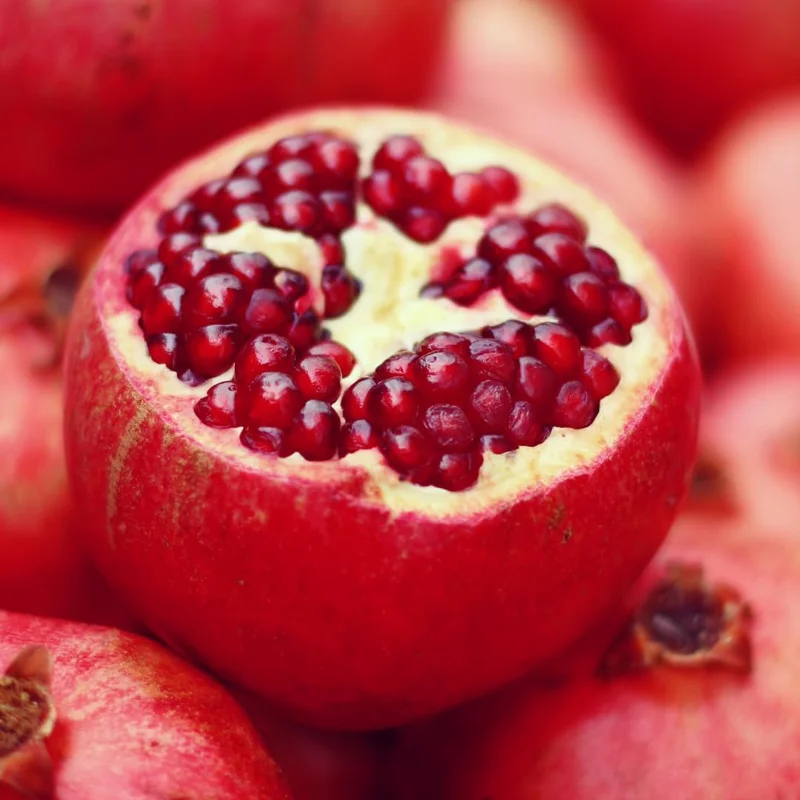
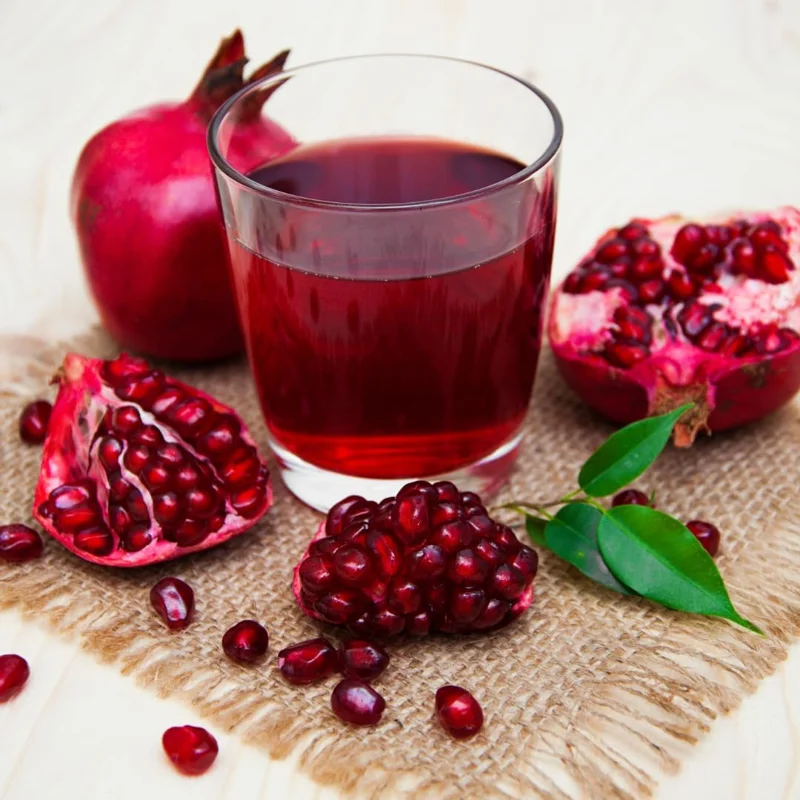
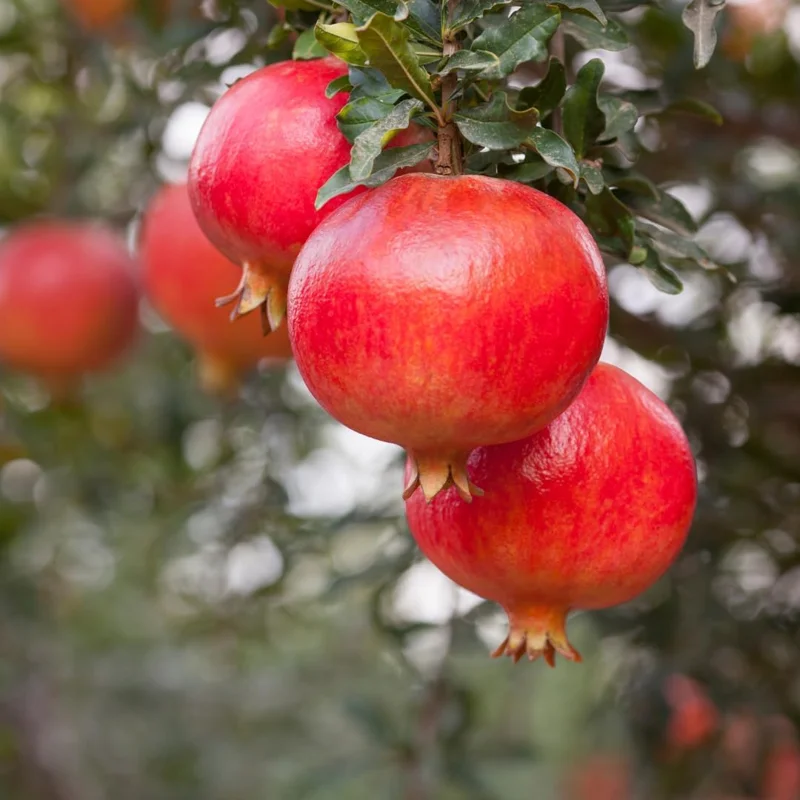
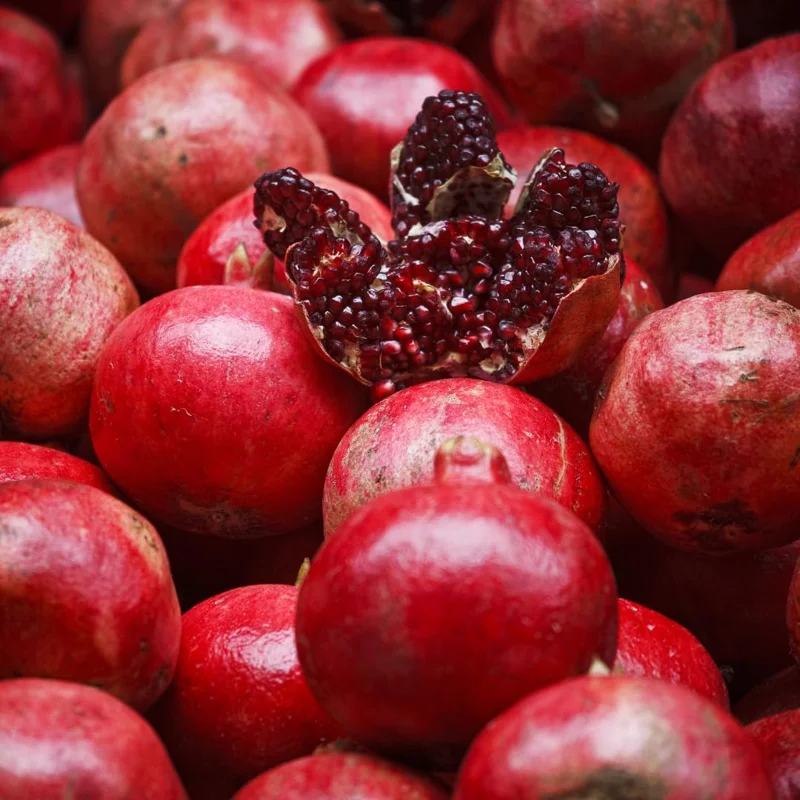
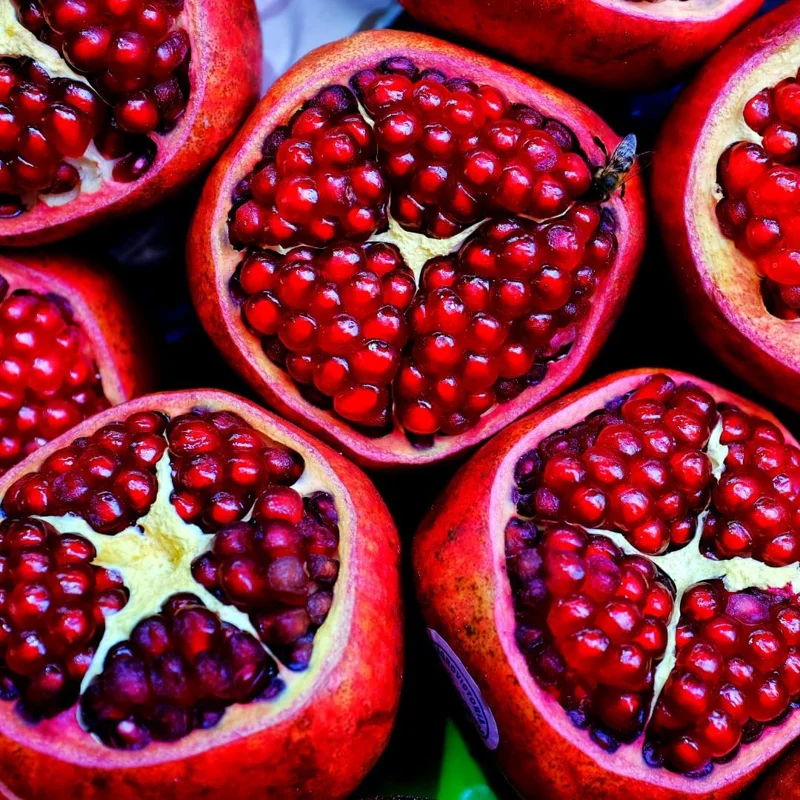
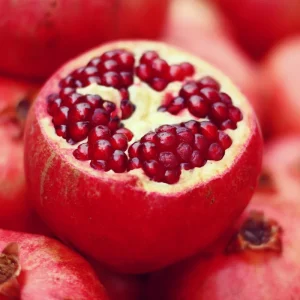
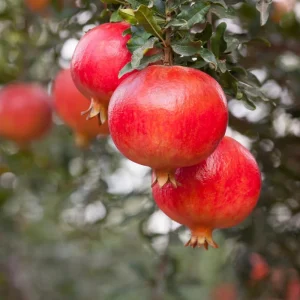
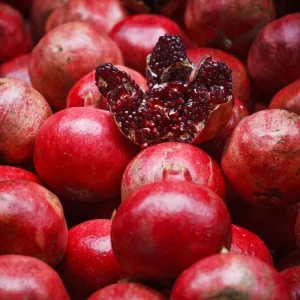
Cultivate your own delightful harvest with this exquisite pomegranate live plant. Known for its vibrant, jewel-like fruit and striking ornamental appeal, the pomegranate is a fascinating addition to any garden or patio. This young, healthy plant, typically 4-7 inches tall, arrives ready for you to nurture and grow into a productive fruit-bearing specimen. Originating from the Middle East, the pomegranate (Punica granatum) is revered for its sweet, tangy arils packed with flavor and nutrients. This particular variety promises a delightful sweetness, making it a perfect choice for fresh eating, juices, or culinary creations. Whether you’re an experienced gardener or just starting, growing a pomegranate live plant offers a rewarding experience, culminating in beautiful blooms and bountiful fruit.
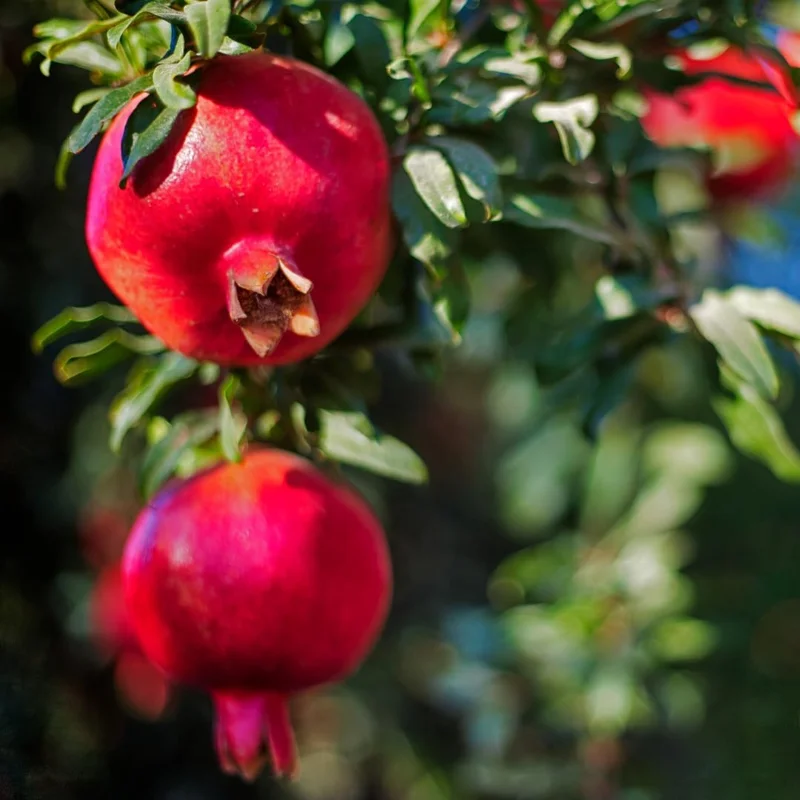
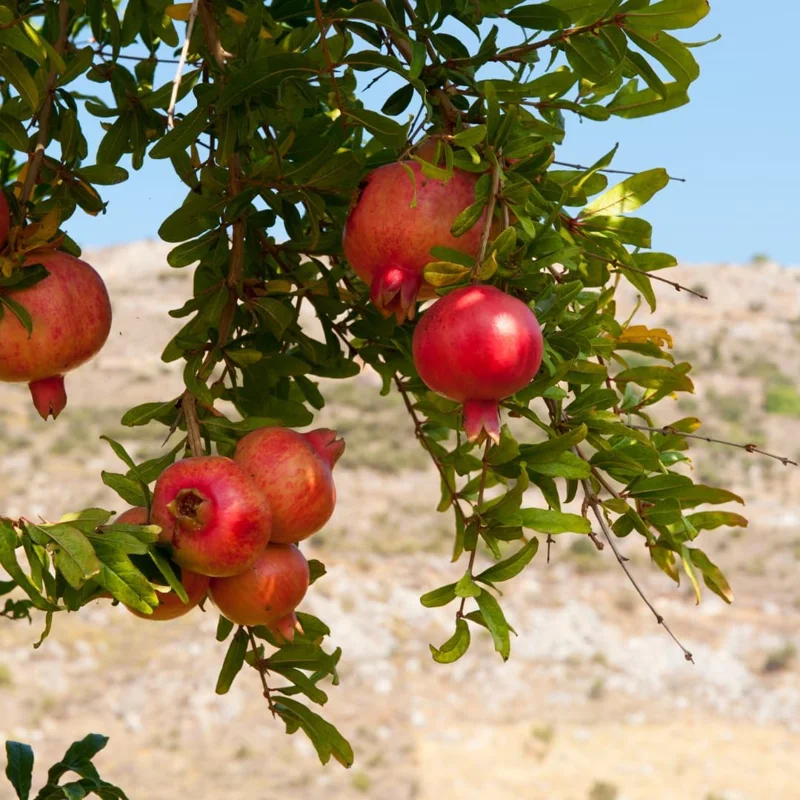
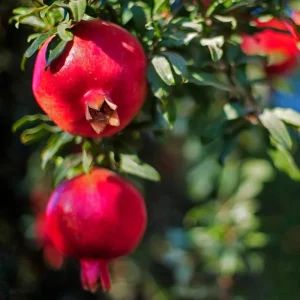
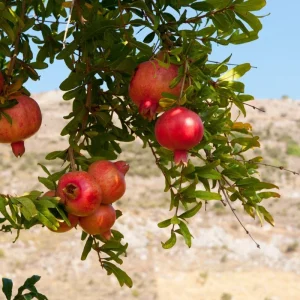
The pomegranate is more than just a fruit producer; it’s a plant with a rich history and ornamental value. Its glossy leaves, attractive flowers, and unique fruit make it a focal point in any landscape. This tropical fruit plant is adaptable and can be grown in various settings, from spacious gardens to more confined spaces like patios when kept in containers. With proper care, your pomegranate plant will flourish, providing not only delicious fruit but also a touch of exotic beauty to your surroundings. Enjoy the journey of watching your plant grow from a small start to a magnificent, fruit-laden tree.
Key Benefits
Investing in a pomegranate live plant offers a multitude of advantages for both your garden and your lifestyle. These plants are known for their resilience and ability to thrive in suitable conditions, providing both aesthetic pleasure and a healthy food source. Here are some of the key benefits you can expect:
- Homegrown Sweet Fruit: Enjoy the unparalleled taste of fresh, sweet pomegranates straight from your own garden. Homegrown fruit often tastes superior to store-bought varieties and ensures you know exactly how it was cultivated.
- Ornamental Appeal: Beyond its fruit, the pomegranate plant features attractive glossy foliage, beautiful orange-red flowers, and unique fruit that adds significant visual interest to your landscape, making it a striking ornamental choice.
- Versatile Growing Options: This plant is highly adaptable, suitable for planting directly in the garden, or for growing in large containers on patios or balconies, especially in colder climates where it can be moved indoors during winter.
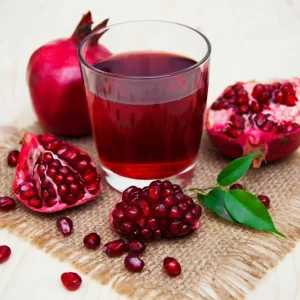
- Health Benefits: Pomegranates are celebrated for their rich antioxidant content and numerous health benefits, contributing to a healthy diet. Growing your own ensures a fresh supply of this superfood.
- Drought Tolerance: Once established, pomegranate plants are remarkably drought-tolerant, making them a sustainable choice for water-wise gardening in appropriate climates.
- Long-Lived and Productive: With proper care, a sweet pomegranate tree can be a long-term producer, providing years of delicious fruit and beauty for your home.
- Easy to Train: This plant can be trained as a small tree or shrub, allowing you to shape it according to your garden’s design and space requirements.
Plant Care & Growing Tips
To ensure your pomegranate live plant thrives and produces abundant fruit, understanding its specific care requirements is crucial. Pomegranates are generally robust plants, but attention to their needs will yield the best results.
Sunlight Requirements: Pomegranates are sun-loving plants. They require a minimum of 6-8 hours of direct full sun exposure daily to produce the best fruit. In hotter climates, some afternoon shade can be beneficial, but generally, the more sun, the better. When grown indoors in containers, place them near a south-facing window or use grow lights to supplement light.
Watering Schedule and Soil Moisture: While established pomegranate plants are drought-tolerant, young plants and those in fruit production need consistent watering. Water deeply when the top 2-3 inches of soil feel dry to the touch. Avoid overwatering, as this can lead to root rot. During fruiting, consistent moisture helps prevent fruit splitting. Reduce watering in winter when the plant is dormant.
Soil Type and Drainage: Pomegranates prefer well-draining soil with a pH between 5.5 and 7.0. They can tolerate a range of soil types, including sandy or loamy soils, as long as drainage is excellent. For container planting, use a high-quality potting mix amended with perlite or sand to improve drainage. Good drainage is paramount for preventing waterlogging around the roots.
Temperature Range and USDA Hardiness Zone: This tropical fruit plant is hardy in USDA Zones 7-11. It thrives in warm, sunny climates and can tolerate temperatures down to about 10-15°F (-12 to -9°C) once established. In colder zones, it’s best to grow pomegranates in containers that can be moved indoors during winter to protect them from freezing temperatures. They prefer hot summers for optimal fruit development.
Fertilization Schedule and Type: Fertilize your pomegranate plant in early spring before new growth begins, and again in mid-summer. Use a balanced fertilizer (e.g., 8-8-8 or 10-10-10) or a fruit tree specific fertilizer. Follow package instructions for application rates. Avoid over-fertilizing, especially with nitrogen, which can promote leafy growth at the expense of fruit production. For container plants, a liquid feed every 2-4 weeks during the growing season can be beneficial.
Common Problems and Solutions: Pomegranates are generally pest and disease resistant. Watch out for aphids or whiteflies, which can be treated with insecticidal soap. Fruit splitting can occur due to inconsistent watering, so maintain even soil moisture during fruit development. Ensuring good air circulation and appropriate sunlight will help prevent fungal issues. Learning about pomegranate care guide specifics will help you address any issues promptly.
Size & Details
This pomegranate live plant arrives as a well-rooted specimen, typically measuring 4-7 inches in height. It is shipped without a pot, often as a bare-root or with a small amount of soil around the roots for safe transit. This allows for easier establishment in your chosen planting location, whether it be a garden bed or a container. Pomegranates are moderate growers, and with optimal conditions, your young plant will establish quickly. When mature, a sweet pomegranate tree can reach heights of 10-20 feet and a similar spread if left unpruned, though it can be maintained at a smaller size with regular pruning, making it suitable for various garden sizes. Fruit production typically begins within 2-3 years after planting, with full maturity and abundant yields reached within 5-7 years. The plant is suitable for containers, pots, or direct garden planting, offering flexibility for your landscaping needs.
Frequently Asked Questions
- Q: How big does this pomegranate plant get? A: This pomegranate live plant arrives 4-7 inches tall. With proper care, mature plants can reach 10-20 feet in height and spread, but can be maintained at a smaller size through pruning or container growing.
- Q: Is this an indoor or outdoor plant? A: This pomegranate is primarily an outdoor plant, thriving in USDA Zones 7-11. In colder zones, it can be grown in containers and moved indoors during the winter months.
- Q: How much sunlight does it need? A: Pomegranate plants require full sun, meaning at least 6-8 hours of direct sunlight per day, for optimal growth and fruit production.
- Q: What condition will the plant arrive in? A: The plant will arrive well-rooted and ready for growing, typically shipped without a pot to ensure safe and efficient transit.
- Q: Is this plant easy to care for? A: Pomegranates are relatively easy to care for once established, especially when planted in their preferred warm, sunny climates with well-draining soil. Following a basic pomegranate care guide will ensure success.
- Q: When is the best time to plant a pomegranate tree? A: The best time to plant a pomegranate is in late winter or early spring, after the last frost, allowing it ample time to establish before the heat of summer.
- Q: How long until it produces fruit? A: Your sweet pomegranate tree typically begins producing fruit within 2-3 years after planting, with increased yields as it matures.
- Q: Can I grow this pomegranate in a pot? A: Yes, pomegranates are well-suited for container growing, especially in regions outside their hardiness zones, allowing them to be moved indoors during cold weather.
- Q: What kind of soil does a pomegranate plant prefer? A: Pomegranates prefer well-draining soil with a slightly acidic to neutral pH (5.5-7.0). Good drainage is crucial to prevent root issues.
- Q: Will it survive winter in my zone? A: If you are in USDA Zones 7-11, your pomegranate plant should survive winter outdoors. In colder zones, container growing and winter protection indoors are recommended.


Reviews
There are no reviews yet.