Overview
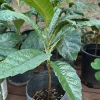
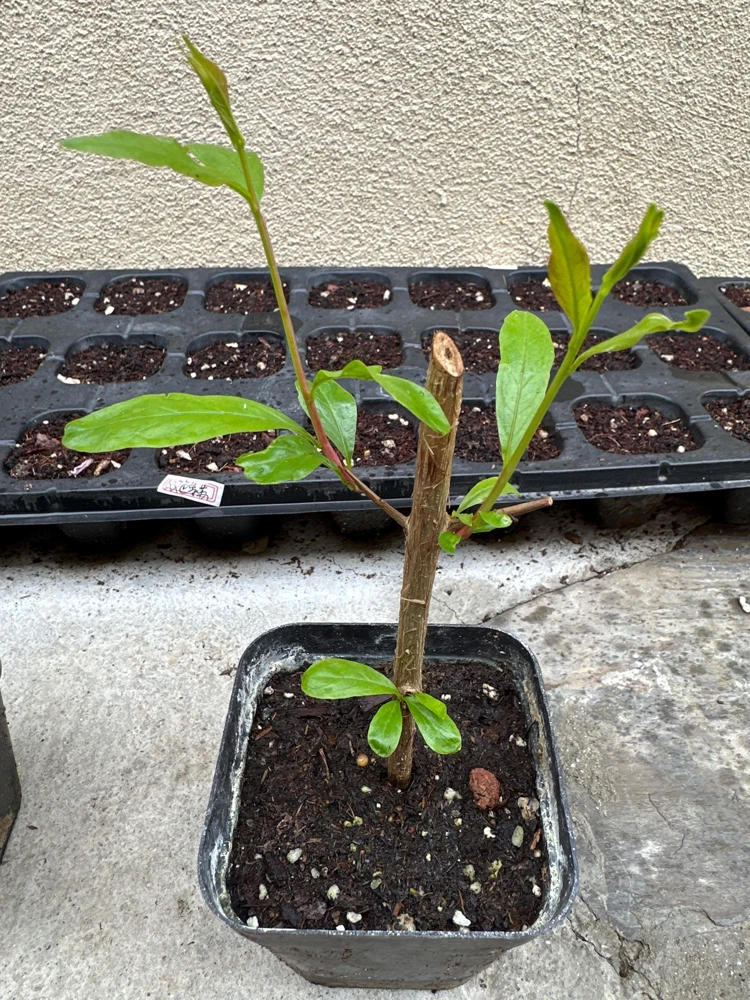
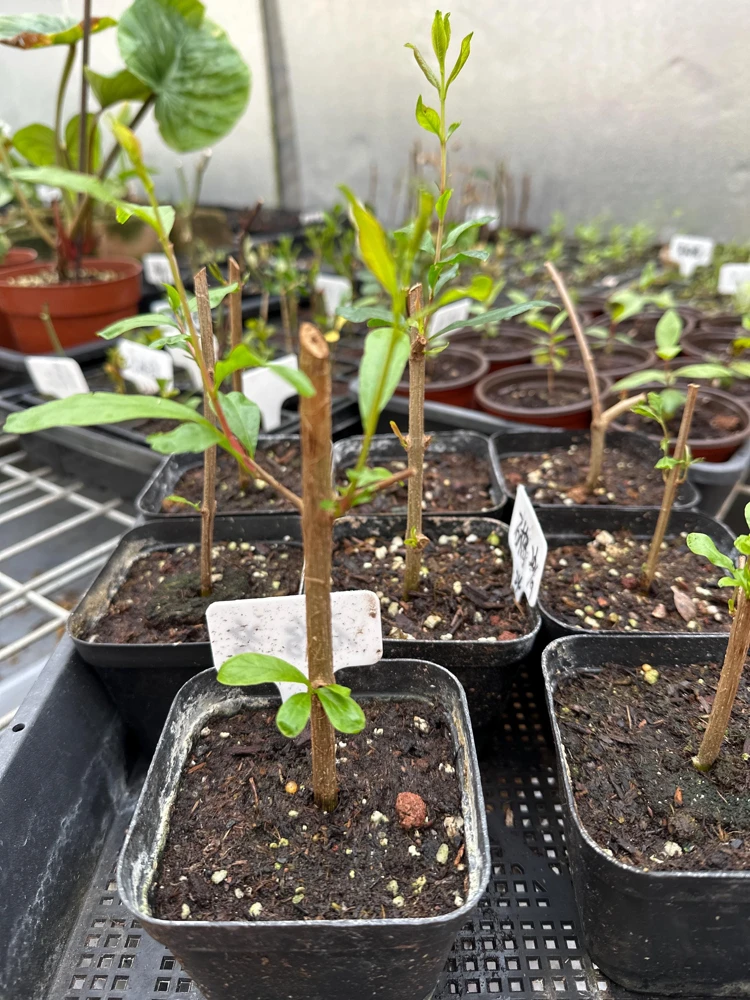
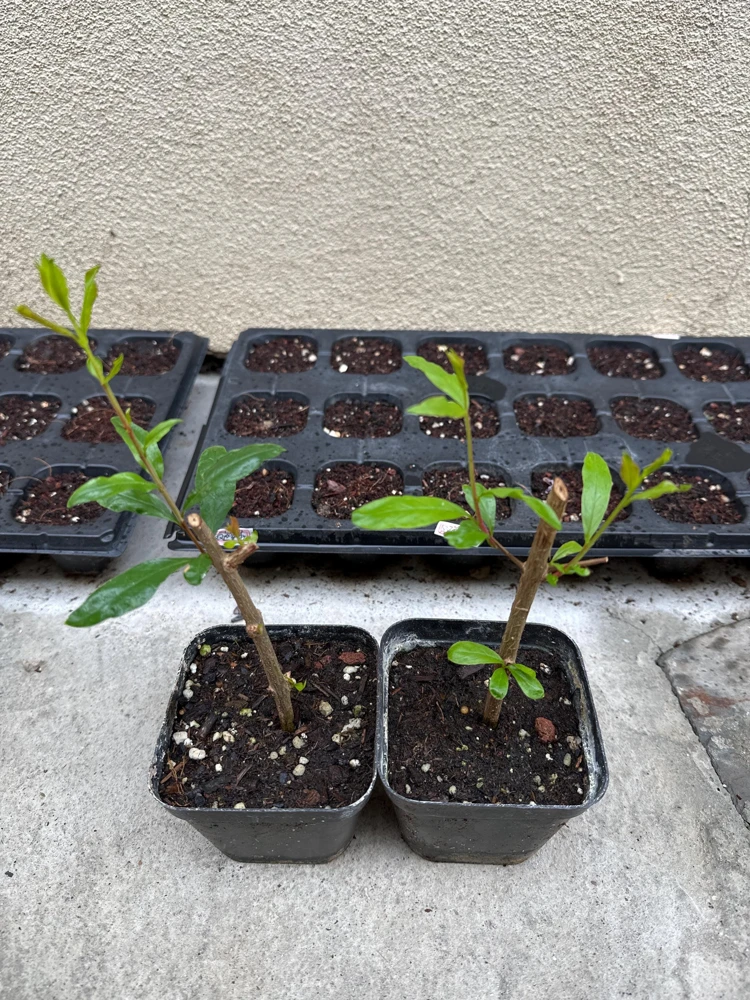
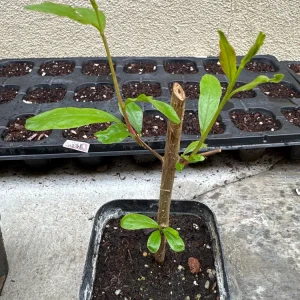
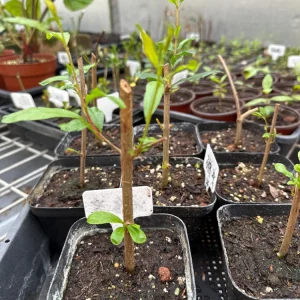
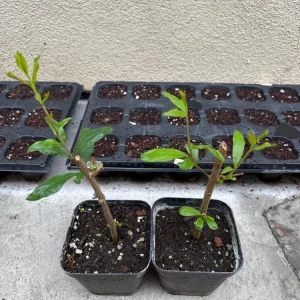
Embark on a rewarding gardening journey by cultivating your very own pomegranate live tree from this robust, rooted cutting. Pomegranates (Punica granatum) are not only celebrated for their vibrant, jewel-like fruits bursting with flavor and antioxidants but also for their ornamental beauty. This offering provides a strong foundation for growing a thriving pomegranate fruit tree, allowing you to enjoy the process of nurturing a plant from its early stages to fruit-bearing maturity. Originating from regions like Costa Rica, Panama, Peru, Ecuador, and Colombia, this terrestrial plant is well-suited for a variety of growing environments, particularly those with warm to cool temperatures.
Our carefully selected rooted pomegranate cutting is ready to be transplanted into its new home, giving you a head start compared to growing from seed. Known for their resilience and adaptability, pomegranates can be grown both outdoors in suitable climates or in large containers, making them a versatile choice for many gardeners. Imagine harvesting your own fresh pomegranates, rich in taste and health benefits, right from your backyard or patio. This plant promises not just fruit, but also beautiful flowers and an attractive form, enhancing any landscape or container garden, making it an excellent choice if you want to grow pomegranate plant.
Key Benefits
Growing a pomegranate live tree offers a multitude of advantages, from the joy of fresh fruit to its aesthetic appeal in your garden. This rooted pomegranate cutting provides an excellent opportunity to experience these benefits firsthand:
- Homegrown, Fresh Fruit: Enjoy the unparalleled taste of pomegranates picked directly from your own pomegranate fruit tree. Homegrown fruits often have superior flavor compared to store-bought varieties, ensuring a fresh, healthy supply. Cultivating your own ensures a continuous source of this delightful and nutritious fruit right at your fingertips.
- Rich in Antioxidants: Pomegranates are renowned for their high antioxidant content, contributing to a healthy diet and lifestyle. Growing your own ensures a fresh supply of this superfood readily available, supporting your overall well-being.
- Ornamental Value: Beyond its delicious fruit, the pomegranate tree boasts attractive foliage, striking orange-red flowers, and decorative fruit that adds year-round visual interest to your garden or patio, enhancing its aesthetic appeal. It’s a beautiful addition to any landscape.
- Adaptable Growth: This terrestrial pomegranate is adaptable and can be grown in the ground in warmer climates or successfully cultivated in large pots in cooler regions, allowing for indoor protection during winter. This flexibility makes it suitable for various gardening setups, whether you want to grow pomegranate plant in a traditional garden or a container.
- Rewarding Gardening Experience: Nurturing a plant from a rooted pomegranate cutting to a fruit-bearing tree offers immense satisfaction and a deeper connection to nature. It’s a fulfilling project for any gardener, providing both a hobby and a delicious reward.
- Pollinator Attractor: The vibrant flowers of the pomegranate tree can attract beneficial pollinators like bees and hummingbirds to your garden, supporting local ecosystems and biodiversity. This contributes to a healthier, more vibrant garden environment.
- Drought Tolerance: Once established, pomegranate trees are relatively drought-tolerant, making them a good choice for water-wise gardening in appropriate climates, contributing to sustainable practices and requiring less frequent watering.
Plant Care & Growing Tips
Caring for your pomegranate live tree is a rewarding experience that requires attention to a few key environmental factors to ensure healthy growth and abundant fruit production. Pomegranates thrive in environments that mimic their native warm to cool growing conditions. For sunlight, they prefer full sun exposure, meaning at least 6-8 hours of direct sunlight per day. If growing indoors, place your rooted pomegranate cutting near a south-facing window or use grow lights to ensure it receives adequate light. Insufficient light can lead to poor fruiting and weak growth.
When it comes to watering, young pomegranate plants require regular moisture to establish a strong root system. Water deeply when the top inch of soil feels dry to the touch, but avoid overwatering, which can lead to root rot. Once established, pomegranate trees are quite drought-tolerant, but consistent watering during flowering and fruiting periods will encourage a more abundant harvest. For soil, they prefer well-draining, slightly acidic to alkaline soil (pH 5.5-7.0). A good quality potting mix enriched with organic matter works well for container-grown plants. Ensure excellent drainage to prevent waterlogging.
Pomegranate trees are cold-hardy to USDA zones 7-10, though some varieties can tolerate lower temperatures. In cooler climates, container growing allows you to bring the plant indoors during winter. Fertilize your pomegranate live tree with a balanced fertilizer in early spring and again in mid-summer. Pruning is essential for shaping the tree, promoting air circulation, and encouraging fruit production. Remove dead, damaged, or crossing branches, and thin out excessive new growth. Common problems include aphids and whiteflies, which can be managed with insecticidal soap. Proper pomegranate tree care will ensure a healthy and productive plant for years to come.
Size & Details
This offering is for a robust, rooted pomegranate cutting, ready to be transplanted into your chosen growing environment. While the initial size of the cutting may vary, it provides a strong foundation for a thriving pomegranate fruit tree. Pomegranate trees typically grow to a height of 10-20 feet when mature in optimal outdoor conditions, though they can be kept smaller through pruning or by growing them in containers. When grown in pots, they usually reach a more manageable height of 5-8 feet, making them suitable for patios or smaller gardens. The growth rate is moderate, with visible progress often seen within the first growing season.
Expect your pomegranate live tree to begin producing fruit within 2-4 years from planting the cutting, with full production typically achieved by 5-7 years. The plant will arrive carefully packaged to ensure its health during transit, ready for immediate planting. This method of starting from a rooted cutting significantly reduces the time to maturity compared to growing from seed, allowing you to enjoy homegrown pomegranates sooner. The cutting is designed to give you a head start on nurturing your very own fruit-bearing tree, providing a rewarding experience as you watch it develop.
Frequently Asked Questions
- Q: How big does this pomegranate live tree get? A: When grown in the ground, a pomegranate live tree can reach 10-20 feet tall, but it can be maintained at a smaller size (5-8 feet) through regular pruning or by growing it in a large container.
- Q: Is this an indoor or outdoor plant? A: Pomegranate trees can be grown outdoors in USDA zones 7-10. In cooler climates, they can be successfully grown in large pots and brought indoors during winter months, making them versatile for many gardeners.
- Q: How much sunlight does a rooted pomegranate cutting need? A: Pomegranates thrive in full sun, requiring at least 6-8 hours of direct sunlight per day for optimal growth and fruit production.
- Q: Is this plant easy to care for? A: Yes, pomegranate tree care is relatively straightforward. Once established, they are quite resilient and drought-tolerant, making them a good choice for both experienced and novice gardeners.
- Q: What condition will the rooted pomegranate cutting arrive in? A: Your rooted pomegranate cutting will arrive carefully packaged to ensure its health and vitality during shipping, ready for immediate transplanting into your garden or a pot.
- Q: How long until this grow pomegranate plant produces fruit? A: You can typically expect your grow pomegranate plant to start producing fruit within 2-4 years from planting, with full production achieved around 5-7 years.
- Q: What type of soil is best for a pomegranate fruit tree? A: A pomegranate fruit tree prefers well-draining soil with a slightly acidic to alkaline pH (5.5-7.0). A good quality potting mix with organic matter is recommended for container planting.
- Q: Will this pomegranate live tree attract pollinators? A: Yes, the vibrant flowers of the pomegranate live tree are known to attract beneficial pollinators like bees and hummingbirds to your garden, supporting local biodiversity.
- Q: What is the best time to plant a rooted pomegranate cutting? A: The best time to plant a rooted pomegranate cutting is typically in spring after the last frost, allowing it ample time to establish before colder weather.
- Q: Can I grow this pomegranate live tree in a pot? A: Absolutely! Growing a pomegranate live tree in a large pot is an excellent option, especially for those in cooler climates who need to move the plant indoors during winter.


Reviews
There are no reviews yet.