Overview
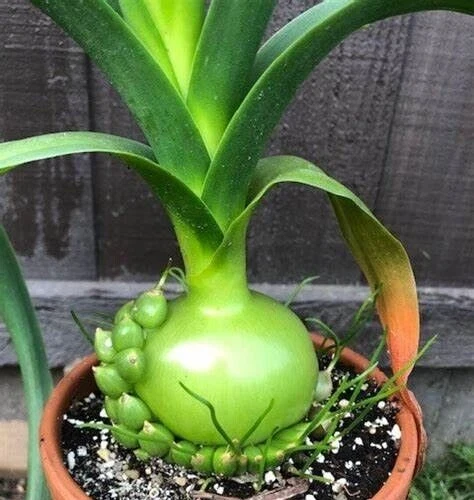
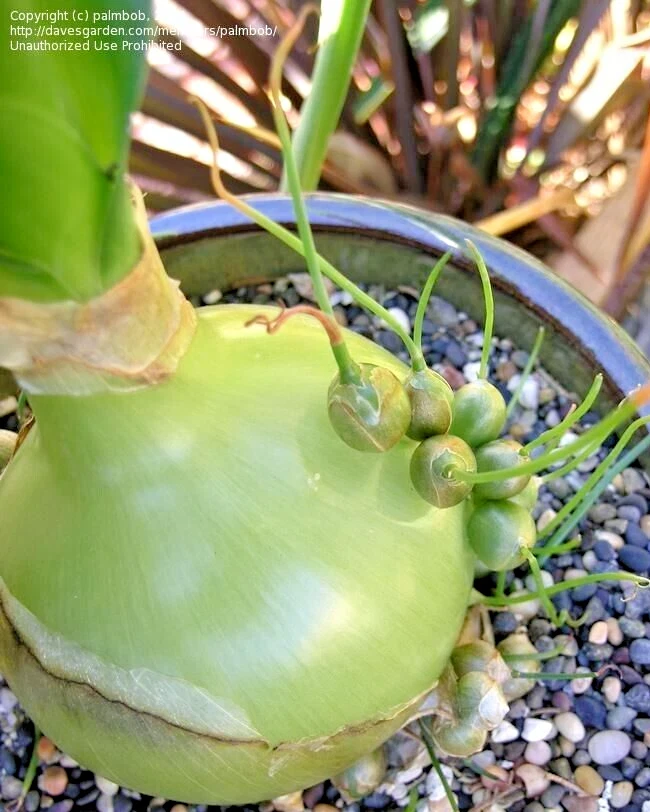
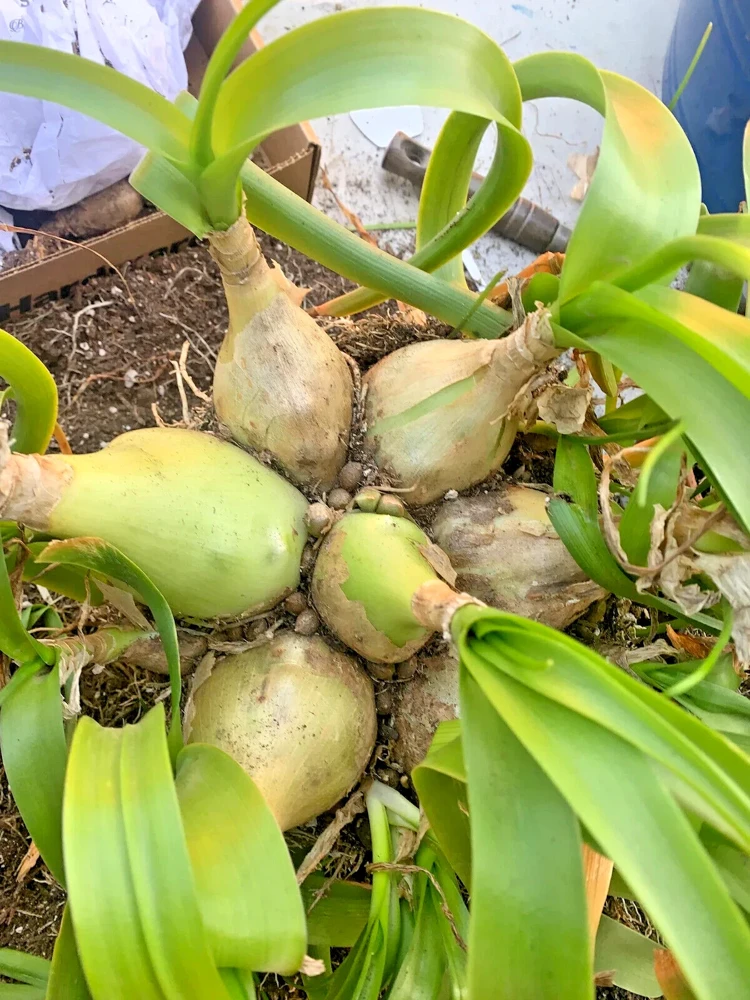
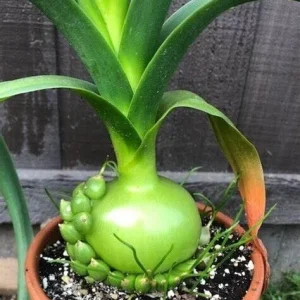
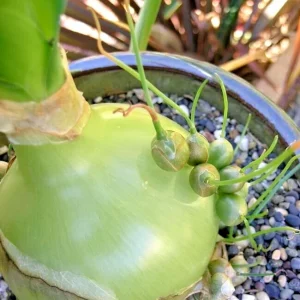
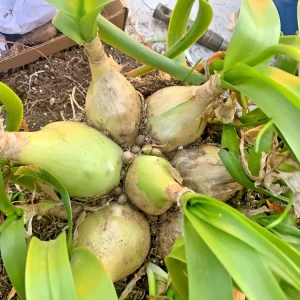
Introduce a truly captivating botanical specimen to your collection with the pregnant onion live plant, scientifically known as Albuca bracteata. Often referred to by its common names like Pregnant Onion or sometimes Ornithogalum caudatum, this unique bulbous geophyte is a delight for plant enthusiasts. What makes the pregnant onion live plant so special is its prominent, smooth, globose to ovoid bulb, which can grow up to 4 inches (10 cm) in diameter, strikingly resembling an onion. Throughout the year, this bulb produces numerous adventitious bulblets on its outermost scale, giving it its endearing ‘pregnant’ appearance. This particular offering includes 1 rooted plant, ready to thrive in its new home.
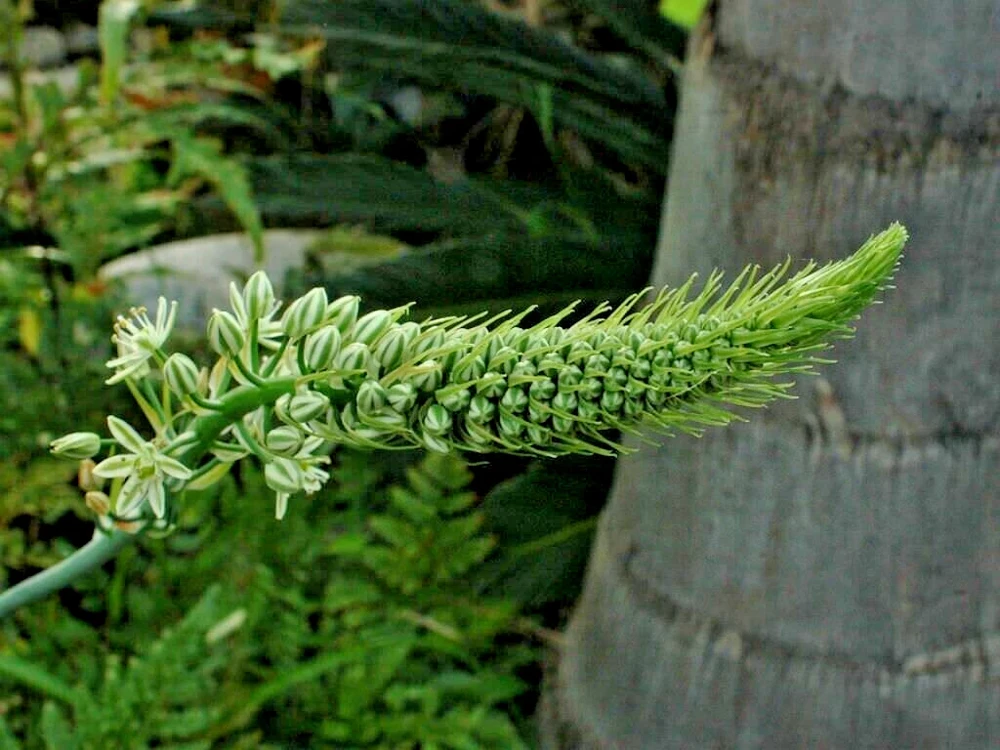
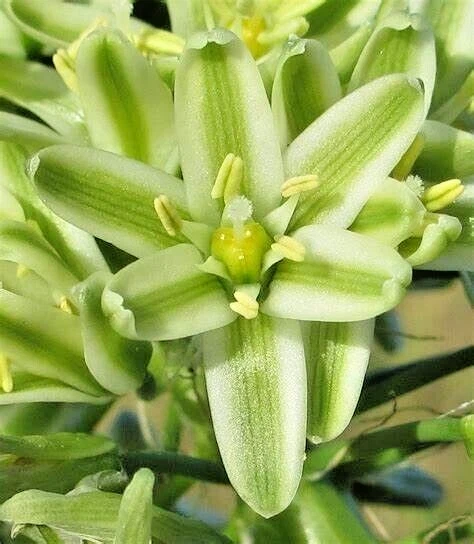
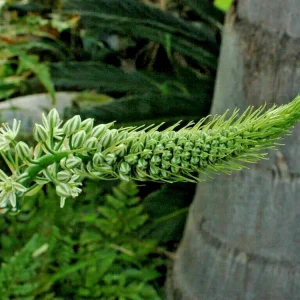
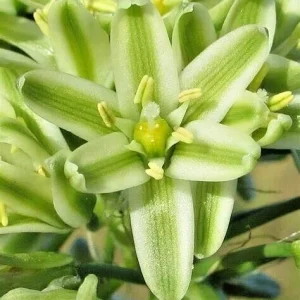
Native to South Africa, the Albuca bracteata is a semi-succulent plant that boasts drooping green leaves, which can reach an impressive length of up to 3.3 feet (100 cm) and 2 inches (5 cm) wide. Its distinctive form and easy-care nature make it an excellent choice for both seasoned collectors and beginner gardeners. Whether you’re looking for a fascinating addition to your indoor plant display or a resilient outdoor succulent, the pregnant onion live plant offers year-round interest with its unique growth habit and occasional white flowers with a broad, green central band that appear in dense racemes during spring and summer.
Key Benefits
The pregnant onion live plant offers a multitude of benefits, making it a highly desirable addition to any plant collection. Its unique characteristics provide both aesthetic appeal and ease of care.
- Unique Ornamental Appeal: The most striking feature of this plant is its ‘pregnant’ bulb, which continuously produces baby bulblets. This unusual growth habit makes the pregnant onion live plant a fantastic conversation piece and a truly unique decorative element for any home or garden.
- Low Maintenance Succulent: Albuca bracteata is incredibly forgiving and requires minimal attention, making it perfect for busy individuals or those new to plant care. Its drought-resistant nature means it can tolerate periods of neglect.
- Versatile Indoor & Outdoor Plant: This succulent thrives in a wide range of environments, suitable for both indoor potted displays and outdoor garden settings in appropriate climates. It adapts well to various light conditions, from full sun to medium sun.
- Pet-Safe Option: Unlike many common houseplants, the Pregnant Onion is considered pet-safe, offering peace of mind for pet owners who want to enjoy greenery without worry.
- Fascinating Growth Cycle: Observe the continuous development of new bulblets on the main bulb, a truly engaging natural process that adds dynamic interest to your plant. It also produces delicate white flowers in warmer months.
- Ideal for Gifting: Its charming common name and distinctive appearance make the pregnant onion live plant an excellent and memorable gift for plant lovers, baby showers, or any special occasion.
Plant Care & Growing Tips
Caring for your pregnant onion live plant is straightforward, thanks to its resilient and adaptable nature. Understanding its basic needs will ensure a healthy and thriving specimen. This succulent generally prefers bright light conditions. For outdoor cultivation, it thrives in full sun to medium sun, while indoors, a south or west-facing window is ideal. Ensure it receives at least 4-6 hours of direct sunlight daily, or very bright indirect light to prevent etiolation (stretching).
When it comes to watering, less is more for the pregnant onion live plant. As a succulent, it stores water in its bulb and leaves, making it highly drought-resistant. Water thoroughly only when the soil is completely dry to the touch, typically every 2-4 weeks depending on humidity and temperature. Reduce watering significantly during its dormant period in winter. Ensure good drainage to prevent bulb rot. A well-draining soil mix is crucial; a sandy, rocky soil with good drainage, or a blend of loam, peat, and sand, is ideal. The plant is adaptable to various soil pH levels but prefers neutral conditions.
The albuca bracteata care routine also includes considering its climate preferences. It is hardy in USDA Zones 8A – 11B, meaning it can tolerate mild frosts but should be protected from prolonged freezing temperatures. If grown outdoors in cooler zones, it’s best to bring it inside during winter. Fertilize sparingly, once or twice during the growing season (spring and summer) with a balanced, diluted liquid fertilizer. This plant is generally pest-resistant, and its fast-growing nature means you’ll see new foliage and bulblets regularly. Understanding ornithogalum caudatum needs ensures a happy, healthy plant.
Size & Details
This offering is for 1 rooted pregnant onion live plant (Albuca bracteata) in its seedling growth stage. The plant is shipped in a bare root form, carefully prepared for safe transit and easy planting upon arrival. The bulb itself is smooth, globose to ovoid, and can naturally reach up to 4 inches (10 cm) in diameter at maturity, resembling a distinct onion. The semi-succulent leaves are broadleaf in nature and can grow up to 3.3 feet (100 cm) long and 2 inches (5 cm) wide, creating a clumping growth habit.
The plant exhibits a medium growth rate, allowing you to observe its development over time. It offers seasonal interest from spring through fall, with white flowers appearing in dense racemes during spring and summer, followed by globose to ovate fruits. This easy care succulents variety is adaptable for both indoor and outdoor environments, making it a versatile choice for various garden and home settings. It is a perennial plant, ensuring years of enjoyment with proper care.
Frequently Asked Questions
- Q: How big does this pregnant onion live plant get? A: The bulb can reach up to 4 inches (10 cm) in diameter, and its semi-succulent leaves can grow up to 3.3 feet (100 cm) long and 2 inches (5 cm) wide, forming a clumping habit.
- Q: What size pot does it come in? A: This pregnant onion live plant is shipped as a bare root plant, meaning it does not come with a pot. You will need to provide a suitable pot upon arrival.
- Q: Is this an indoor or outdoor plant? A: The Pregnant Onion is versatile and can be grown both indoors and outdoors. It thrives outdoors in USDA Zones 8A-11B and makes an excellent houseplant in all other zones.
- Q: How much sunlight does it need? A: It prefers full sun to medium sun. Indoors, place it in a bright, sunny window. Outdoors, ensure it receives at least 4-6 hours of direct sunlight daily.
- Q: Is this plant easy to care for? A: Yes, the Albuca bracteata care is considered very easy. It’s drought-resistant and requires minimal watering and attention, making it suitable for beginners and busy plant owners.
- Q: What condition will it arrive in? A: Your pregnant onion live plant will arrive as a healthy, rooted bare root plant, carefully packaged to ensure its safety during transit.
- Q: Is it good for beginners? A: Absolutely! Its low-maintenance nature makes it one of the best easy care succulents for those new to gardening.
- Q: Is it pet-safe? A: Yes, the Pregnant Onion (Albuca bracteata) is considered pet-safe, offering a worry-free addition to homes with animals.
- Q: When is the best time to plant? A: As a bare root plant, it can be planted any time of year when temperatures are mild. For optimal growth, spring or early summer is often preferred.
- Q: Will it survive winter in my zone? A: It is hardy in USDA Zones 8A-11B. If you live in a colder zone, it’s best to grow your ornithogalum caudatum indoors during the winter months to protect it from freezing temperatures.


Reviews
There are no reviews yet.