Overview
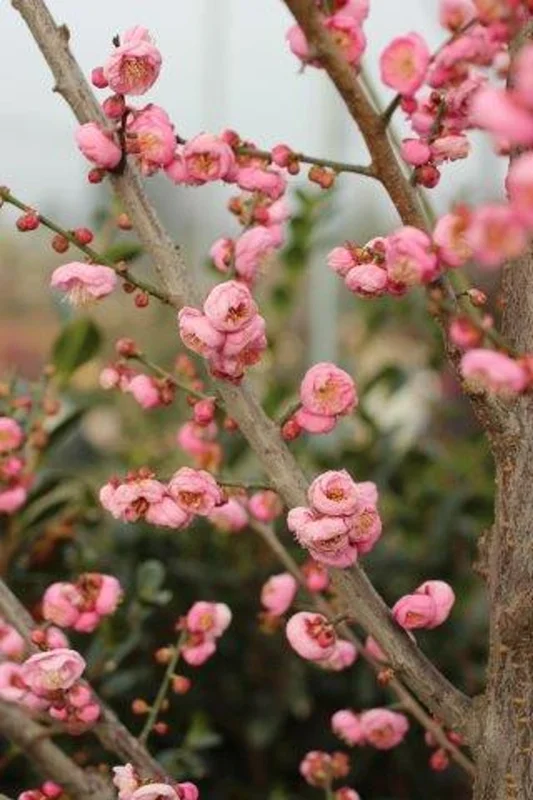
Introduce a breathtaking focal point to your landscape with the exquisite Prunus Mume Peggy Clarke tree. This highly sought-after ornamental deciduous tree, also known as the Japanese Apricot or Flowering Apricot, is celebrated for its spectacular display of fragrant, double rosy pink flowers. Blooming in late winter, typically starting in February, these blossoms provide a much-needed splash of color and a delightful aroma when most other plants are still dormant. The ‘Peggy Clarke’ cultivar is particularly prized for its vibrant floral show and elegant, upright, and rounded growth habit. As a grafted tree, it ensures robust growth and reliable flowering, making it an excellent choice for gardeners looking for a distinctive and hardy specimen. While it produces small, fuzzy green to yellow apricots, these are bitter and primarily ornamental rather than edible. This live plant is a true harbinger of spring, offering beauty and fragrance that will captivate all who encounter it.
The Prunus Mume Peggy Clarke tree is a live plant measuring 2 to 3 feet tall, making it an ideal size for planting in various garden settings. Its early blooming period and attractive form contribute significantly to garden interest during the colder months, bridging the gap between winter and spring. This ornamental plum tree is not just a plant; it’s a living piece of art that transforms your outdoor space.
Key Benefits
The Prunus Mume Peggy Clarke tree offers a multitude of benefits that make it a standout choice for any garden. Its unique characteristics provide year-round interest and contribute significantly to the aesthetic appeal of your landscape.
- Early Winter Blooms: Enjoy a spectacular display of fragrant, double rosy pink flowers as early as February, providing vibrant color and a sweet aroma when other plants are still dormant. This makes the Japanese apricot tree a true garden highlight during the colder months.
- Ornamental Appeal: With its elegant upright and rounded form, this tree serves as a beautiful focal point in any garden design. Its broadly oval, serrated foliage adds texture and visual interest throughout the growing season.
- Fragrant Flowers: The intensely fragrant blossoms fill the air with a delightful scent, enhancing the sensory experience of your garden and attracting early pollinators.
- Hardy and Resilient: Grafted for superior health and vigor, this tree is known for its hardiness and ability to thrive in various conditions, making it a reliable choice for many climates.
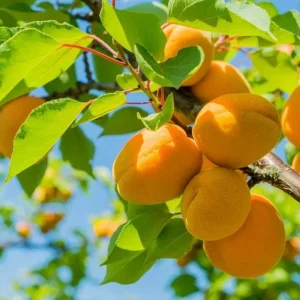
- Unique Fruit Production: While not for eating, the small, fuzzy green to yellow apricots that follow the flowers add an interesting textural element and extend the ornamental value of the tree into the summer.
- Low Maintenance: Once established, the Prunus Mume Peggy Clarke tree requires relatively low maintenance, making it suitable for both experienced gardeners and those new to tree care.
- Distinctive Variety: The ‘Peggy Clarke’ cultivar is a named variety, assuring you of its specific desirable characteristics and reliable performance as an ornamental tree.
Plant Care & Growing Tips
Proper care is essential to ensure your Prunus Mume Peggy Clarke tree thrives and produces its beautiful fragrant blooms year after year. Understanding its specific needs will help you cultivate a healthy and vigorous specimen.
Sunlight Requirements: This ornamental plum tree prefers a location with full sun, meaning at least 6-8 hours of direct sunlight per day. Adequate sunlight is crucial for optimal flowering and fruit development. While it can tolerate some partial shade, too little sun may result in fewer blooms and a less vigorous growth habit. Position your tree where it will receive morning sun to help dry dew from its leaves, reducing the risk of fungal diseases.
Watering Schedule & Soil Moisture: During its establishment phase (the first year after planting), water your Japanese apricot tree regularly to keep the soil consistently moist but not waterlogged. Once established, it is relatively drought-tolerant but will benefit from deep watering during prolonged dry spells, especially during the flowering and fruiting periods. Good drainage is paramount; avoid planting in areas where water tends to pool. Overwatering can lead to root rot, so always check the soil moisture before watering again.
Soil Type & Drainage: The Prunus Mume Peggy Clarke tree thrives in well-draining soil with a neutral to slightly acidic pH. A loamy soil enriched with organic matter is ideal. If your soil is heavy clay, amend it with compost and grit to improve drainage. For sandy soils, adding compost will help retain moisture and nutrients. Proper drainage is key to preventing waterlogged roots, which can be detrimental to the tree’s health. Good soil preparation is a critical step for successful growth.
Temperature Range & USDA Hardiness Zone: This tree is hardy and generally performs well in USDA Zones 6-9. It requires a period of winter chill to set flower buds properly. It can tolerate a range of temperatures but may need protection in extreme cold snaps, especially when young. Be mindful of late spring frosts that can damage early blossoms. Understanding your specific USDA hardiness zone will help determine if this Prunus mume care is suitable for your climate.
Fertilization Schedule & Type: Fertilize your Prunus Mume Peggy Clarke tree in early spring before new growth begins, using a balanced slow-release fertilizer formulated for ornamental trees. Avoid over-fertilizing, which can lead to excessive foliage growth at the expense of flowers. A soil test can help determine specific nutrient deficiencies. Young trees may benefit from a lighter application, while mature trees can handle a more substantial feeding.
Common Problems and Solutions: Watch out for common pests like aphids and scale, which can be treated with insecticidal soap or horticultural oil. Fungal diseases such as powdery mildew can occur in humid conditions; ensure good air circulation and prune as needed. Proper watering and siting can prevent many issues. Regular inspection will help catch problems early.
Size & Details
This offering is for a live Prunus Mume Peggy Clarke tree, meticulously grafted to ensure robust growth and reliable flowering. The tree currently stands at an impressive 2 to 3 feet tall, providing a significant presence upon arrival and a head start for establishment in your garden. It is shipped in a 3-gallon pot, ensuring the root system is well-developed and ready for transplanting. While young, this tree is already exhibiting its upright and rounded form, which will mature into a stately ornamental specimen.
The mature size of the Japanese apricot tree can reach 15-20 feet in height and spread, depending on growing conditions and pruning. It has a moderate growth rate, allowing you to enjoy its development over the years. Expect the fragrant, double rosy pink flowers to begin blooming in February, followed by small, fuzzy green to yellow apricots. The broadly oval, serrated foliage provides attractive texture throughout the growing season. This grafted tree is cultivated for its ornamental qualities and is ready to bring beauty to your landscape.
Frequently Asked Questions
- Q: How big does this Prunus Mume Peggy Clarke tree get? A: The Prunus Mume Peggy Clarke tree typically grows to a mature height of 15-20 feet with a similar spread. Its size can be influenced by growing conditions and regular pruning.
- Q: What size pot does it come in? A: This live plant is shipped in a 3-gallon nursery pot, ensuring a healthy and established root system ready for planting in your garden or a larger container.
- Q: Is this an indoor or outdoor plant? A: The Prunus Mume Peggy Clarke tree is an outdoor ornamental tree. It requires a period of winter chill and full sun exposure to thrive and produce its characteristic blooms.
- Q: How much sunlight does this Japanese apricot tree need? A: This tree requires full sun, meaning at least 6 to 8 hours of direct sunlight per day, for optimal growth and abundant flowering.
- Q: Is this tree easy to care for? A: Yes, once established, the Prunus Mume Peggy Clarke tree is considered relatively low-maintenance. It requires well-draining soil and consistent watering during dry periods, making its care manageable for most gardeners.
- Q: What condition will it arrive in? A: Your tree will arrive as a healthy, live plant, 2 to 3 feet tall, securely packaged in its 3-gallon pot to minimize stress during transit.
- Q: Can I eat the apricots from this ornamental plum tree? A: While the tree produces small, fuzzy green to yellow apricots, they are typically bitter and considered inedible. This tree is primarily grown for its ornamental value and beautiful flowers.
- Q: How long until it blooms? A: As a grafted tree, this Prunus Mume Peggy Clarke tree is mature enough to produce blooms, and you can expect its fragrant, double rosy pink flowers to appear in late winter, usually starting in February, in its first or second season after planting.
- Q: When is the best time to plant this tree? A: The best time to plant the Prunus Mume Peggy Clarke tree is in early spring or fall when temperatures are mild. This allows the tree to establish its root system before extreme summer heat or winter cold.
- Q: Will it survive winter in my zone? A: This tree is hardy in USDA Zones 6-9. If you are within these zones, it should survive winter without special protection. For zones at the colder end, consider mulching around the base for extra insulation.


Reviews
There are no reviews yet.