Overview
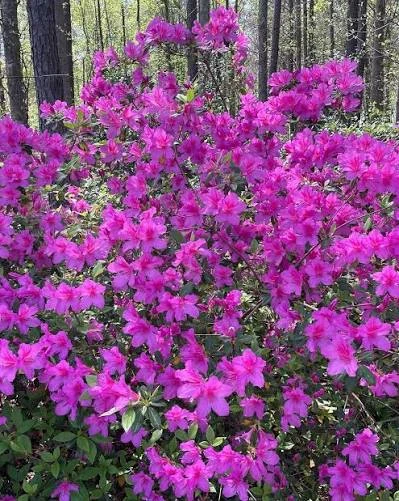
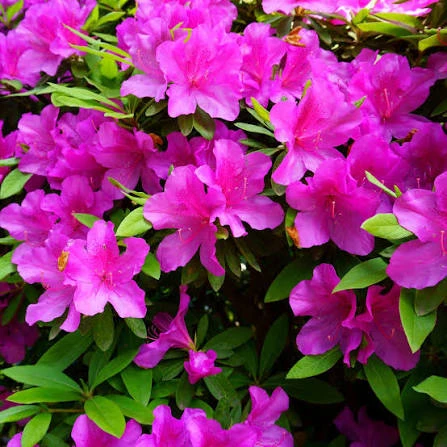
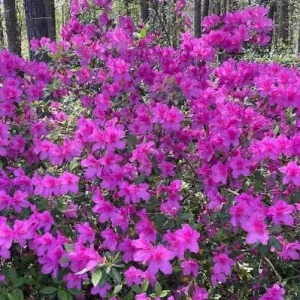
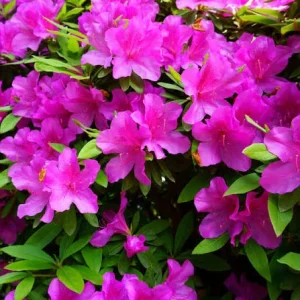
Welcome the captivating beauty of the purple formosa orchid live plant into your home or garden. This exquisite orchid, scientifically known as Pleione formosana, is celebrated for its showy, vibrant purple flowers that emerge in spring. Unlike many tropical orchids, the Formosa orchid is a terrestrial orchid, meaning it grows in soil rather than on trees, making its care more straightforward for enthusiasts of all levels. Originating from Taiwan, this deciduous orchid produces beautiful, large blooms that can transform any space into a serene botanical haven. Its compact size, especially when housed in a 4 inch pot, makes it an ideal choice for windowsills, patios, or shaded garden beds. This live plant arrives ready to thrive, bringing immediate color and elegance to its new environment.
The purple formosa orchid live plant is highly sought after for its dramatic floral display and its adaptability. It’s a fantastic choice for those looking to expand their orchid collection with a species that offers both stunning aesthetics and manageable care requirements. Whether you’re a seasoned orchid grower or just starting, the charm and resilience of the Pleione formosana will surely impress.
Key Benefits
The Purple Formosa Orchid offers a multitude of benefits, making it a cherished addition to any plant collection. From its striking appearance to its relative ease of maintenance, this plant is designed to delight and enhance your living space. The purple formosa orchid live plant is more than just a decorative item; it’s a living piece of art that brings tranquility and natural beauty.
- Stunning Visual Appeal: The large, vibrant purple flowers with intricate markings are incredibly eye-catching, providing a focal point in any room or garden setting. These blooms are truly a spectacle, elevating the aesthetic of your space.
- Relatively Easy Care: Compared to many other orchid varieties, the formosa orchid care is considered less demanding. It’s an excellent option for beginners looking to venture into orchid cultivation without the steep learning curve.
- Compact Size: Perfect for small spaces, this orchid in its 4 inch pot fits comfortably on windowsills, desks, or in terrariums, allowing you to enjoy its beauty even with limited room.
- Spring Bloomer: Enjoy a spectacular display of flowers during the spring season, bringing a burst of color and life after the dormancy of winter. Its seasonal blooms are a highly anticipated event.
- Adaptable to Indoor/Outdoor: While typically grown indoors in colder climates, it can thrive outdoors in shaded, protected areas during warmer months, offering versatility in placement.
- Unique Terrestrial Orchid: As a terrestrial orchid, it grows in soil, simplifying its potting and watering needs compared to epiphytic orchids. This makes the pleione formosana orchid a distinctive choice.
- Air Purifying Qualities: Like many plants, orchids contribute to a healthier indoor environment by improving air quality, making your home a more pleasant place to be.
Plant Care & Growing Tips
Proper formosa orchid care ensures a vibrant and healthy plant with abundant blooms. This deciduous orchid requires a distinct seasonal care routine. During its active growth phase from spring to autumn, keep the soil consistently moist but never waterlogged. Good drainage is crucial to prevent root rot. Use a well-draining potting mix specifically designed for terrestrial orchids or a mix of bark, perlite, and a small amount of peat. During the dormant winter period, watering should be significantly reduced or stopped entirely once the leaves have fallen, allowing the pseudobulbs to rest.
The Purple Formosa Orchid thrives in bright, indirect light. Direct midday sun can scorch its leaves, so a north or east-facing window is ideal indoors. If growing outdoors, choose a location with dappled shade, especially during the hottest part of the day. They prefer cooler temperatures, ideally between 50-70°F (10-21°C) during the growing season, with a noticeable drop in temperature during dormancy to stimulate flowering. Fertilize every two to four weeks during the growing season with a balanced, diluted orchid fertilizer. Reduce or cease fertilization during dormancy. Repotting is best done annually after flowering, using fresh potting medium. Watch out for common pests like spider mites and mealybugs, and treat promptly with appropriate organic solutions. Understanding the specific needs of the pleione formosana orchid will lead to successful growth and stunning floral displays.
For those new to orchids, the orchid for beginners label often applies to the Formosa due to its forgiving nature. Providing adequate humidity is also beneficial, especially indoors. You can achieve this by placing the pot on a pebble tray filled with water, ensuring the pot itself doesn’t sit directly in the water. Remember that a period of cool, dry dormancy is essential for the plant to produce its spectacular spring flowers. Without this rest period, flowering may be sparse or non-existent. This dedication to specific seasonal care is key to enjoying the full beauty of your indoor purple orchid.
Size & Details
This purple formosa orchid live plant is supplied in a convenient 4 inch nursery pot, making it ready for immediate display or transplanting. The plant typically stands approximately 6-10 inches tall from the base of the pot to the top of its foliage, though exact height may vary depending on the growth stage. It is shipped as a healthy, established live plant, often with developing pseudobulbs that will produce flowers. The Formosa orchid has a moderate growth rate, with new pseudobulbs forming each year, leading to a fuller plant over time. Expected bloom time is typically in early to mid-spring, with each bloom lasting for several weeks under ideal conditions. This compact size allows it to be an excellent candidate for various display options, from terrariums to small garden nooks. It’s delivered carefully packaged to ensure its safe arrival, ready to become a cherished part of your plant collection.
Frequently Asked Questions
- Q: How big does this plant get? A: The purple formosa orchid live plant in its 4 inch pot typically reaches a height of 6-10 inches. Over time, with proper care, it will produce more pseudobulbs, leading to a wider, fuller clump, but it generally remains a compact plant.
- Q: Is this an indoor or outdoor plant? A: This orchid can be grown both indoors and outdoors. It thrives indoors in bright, indirect light, and can be moved outdoors to a shaded, protected area during warmer months, especially in USDA zones where temperatures remain above freezing.
- Q: How much sunlight does it need? A: The Formosa orchid prefers bright, indirect light. Avoid direct, harsh sunlight, especially during the peak of the day, as it can scorch the leaves. Morning sun or filtered light is ideal for optimal growth and flowering.
- Q: Is this plant easy to care for? A: Yes, the formosa orchid care is considered relatively easy compared to many other orchid species. It’s often recommended as an orchid for beginners due to its straightforward requirements, especially its need for a distinct dormancy period.
- Q: What condition will it arrive in? A: Your purple formosa orchid live plant will arrive as a healthy, established plant in its 4 inch nursery pot, carefully packaged to ensure minimal stress during transit. It will be ready for you to unbox and enjoy.
- Q: How long until it blooms? A: The Purple Formosa Orchid typically blooms in early to mid-spring. If purchased during the dormant period, it will bloom in the subsequent spring. Established plants usually bloom reliably each year with proper care and dormancy.
- Q: What’s the minimum temperature it can tolerate? A: During its active growth phase, the Pleione formosana prefers temperatures between 50-70°F (10-21°C). During its winter dormancy, it can tolerate cooler temperatures, ideally between 35-50°F (2-10°C), which is crucial for encouraging spring blooms.
- Q: Can I grow this as an indoor purple orchid year-round? A: Yes, it can be grown as an indoor purple orchid year-round, provided you can give it a cool, dry dormancy period during winter. This is essential for the plant to rest and prepare for its spring flowering cycle.
- Q: What kind of soil is best for this orchid? A: A well-draining, airy potting mix is best. A mix specifically formulated for terrestrial orchids, or a blend of fine bark, perlite, and a small amount of peat or coco coir, will provide the ideal growing medium for the pleione formosana orchid.
- Q: Is this plant pet-safe? A: While orchids are generally considered non-toxic to pets, it’s always best to prevent pets from chewing on plants. If you have concerns, consult a veterinarian.


Reviews
There are no reviews yet.