Overview
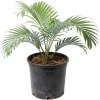
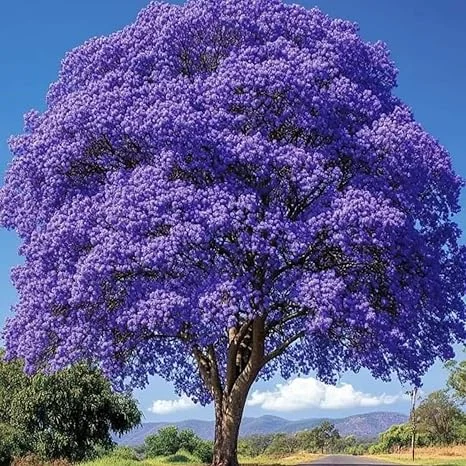
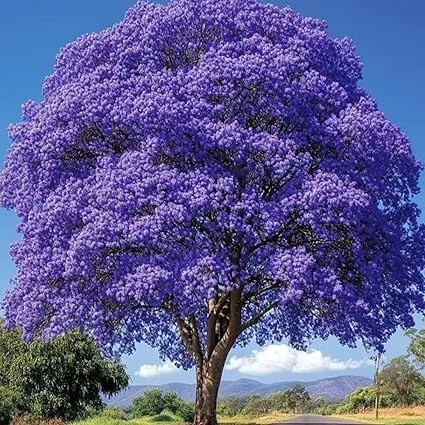
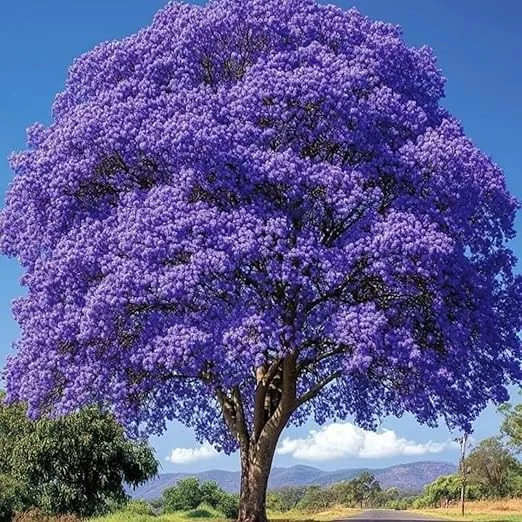
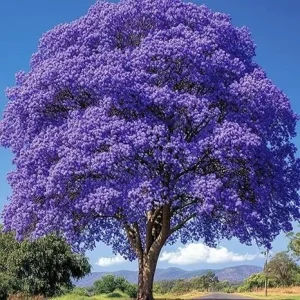
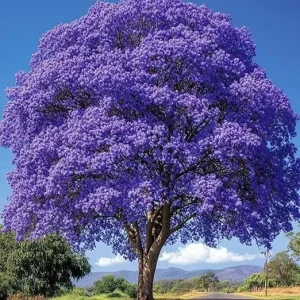
Introduce breathtaking beauty to your landscape with this exquisite purple jacaranda live plant. Known for its spectacular display of vibrant purple-blue flowers, the Jacaranda mimosifolia is a truly magnificent ornamental tree that transforms any garden into a tropical paradise. This particular offering is a fully rooted, healthy specimen, standing between 6-12 inches tall, making it ideal for immediate transplanting into larger containers, garden beds, or patios. Whether you’re an experienced gardener or just starting, growing a purple jacaranda live plant is a rewarding experience that will add immense curb appeal and natural elegance to your outdoor living areas. Its graceful fern-like foliage provides a lush green backdrop when not in bloom, ensuring year-round visual interest. Prepare to be captivated by its stunning floral show.
Key Benefits
Cultivating a purple jacaranda live plant offers numerous advantages, from its aesthetic appeal to its environmental contributions. This fast-growing tree is not just a visual delight but also a substantial addition to any garden design.
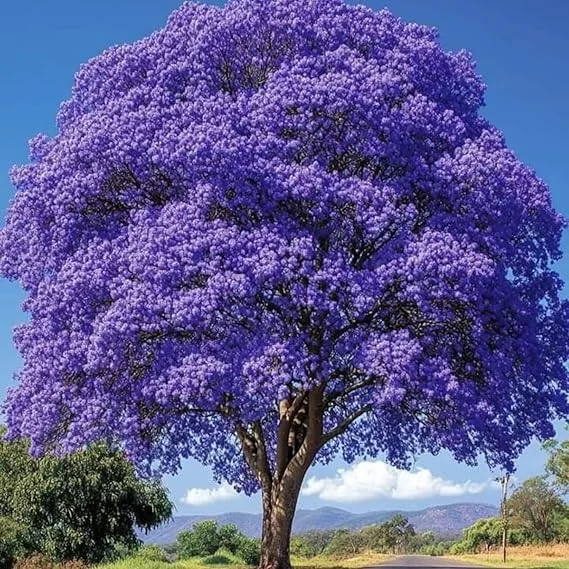
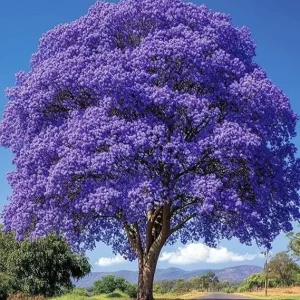
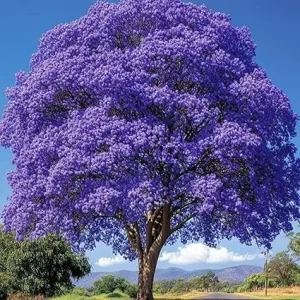
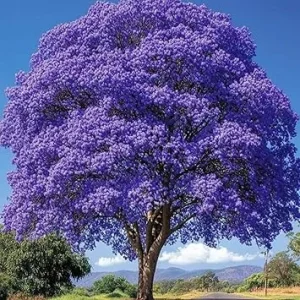
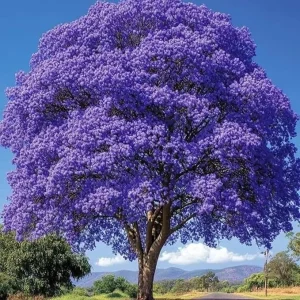
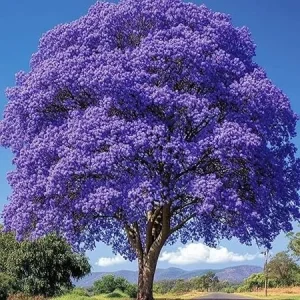
- Spectacular Floral Display: The primary allure of the Jacaranda is its profusion of stunning purple-blue, trumpet-shaped flowers that bloom in large clusters, often covering the entire canopy before the leaves emerge. This creates a dramatic and unforgettable visual impact.
- Fast Growth Rate: Enjoy a relatively quick transformation of your landscape. Jacaranda trees are known for their vigorous growth, allowing you to establish a mature-looking garden sooner.
- Excellent Shade Tree: Once established, this ornamental tree develops a wide, spreading canopy, providing ample shade during hot summer months, perfect for outdoor relaxation areas.
- Low Maintenance: While it requires specific growing conditions, the Jacaranda is relatively low-maintenance once established, making it a great choice for busy gardeners. Its resilience contributes to its appeal as a flowering tree outdoor.
- Attracts Pollinators: The vibrant flowers are a magnet for bees, butterflies, and hummingbirds, enriching your garden’s biodiversity and supporting local ecosystems.
- Versatile Landscaping: Suitable for a variety of landscape designs, from specimen planting to avenue trees, adding a touch of exotic charm. Learning how to grow jacaranda successfully will yield these benefits.
- Aesthetic Appeal: The delicate, fern-like foliage and picturesque branching structure add year-round beauty even when the tree is not in bloom, enhancing the overall aesthetic of your property.
Plant Care & Growing Tips
To ensure your purple jacaranda live plant thrives and produces its signature vibrant blooms, understanding its specific care requirements is crucial. This tree prefers a warm climate and specific environmental conditions to reach its full potential. Paying attention to these details will help your jacaranda tree care routine be successful.
Sunlight Requirements: The Jacaranda tree demands full sun exposure to flourish and produce abundant flowers. This means at least 6-8 hours of direct sunlight per day. Plant it in a location where it will not be overshadowed by other trees or structures. In its younger stages, ensure it gets consistent sun to encourage strong growth. Watering Schedule & Soil Moisture: While established trees are somewhat drought-tolerant, young plants require moderate, consistent watering, especially during dry spells. Allow the top few inches of soil to dry out between waterings. Overwatering can lead to root rot, so good drainage is paramount. Reduce watering frequency in winter. Soil Type & Drainage: This tree prefers well-drained soil. A sandy loam is ideal, but it can adapt to various soil types as long as they drain well. Avoid heavy clay soils that retain too much moisture. Amend compacted soils with organic matter to improve drainage and aeration. Temperature Range & USDA Hardiness Zone: The Jacaranda is best suited for USDA Hardiness Zones 9-11. It is sensitive to frost, especially when young. In colder zones, it can be grown in large containers and brought indoors during winter, or treated as an annual. Mature trees can tolerate short periods of light frost. Fertilization: Fertilize your young purple jacaranda live plant in spring with a balanced, slow-release fertilizer to encourage healthy growth. Once established, fertilization may not be necessary unless the soil is poor. Avoid high-nitrogen fertilizers as they can promote foliage growth at the expense of flowers. Common Problems & Solutions: Jacarandas are generally robust but can occasionally suffer from aphids, whiteflies, or powdery mildew. Treat pests with insecticidal soap and fungal issues with appropriate fungicides. Ensure good air circulation to prevent fungal diseases. Proper jacaranda tree care minimizes these issues.
Size & Details
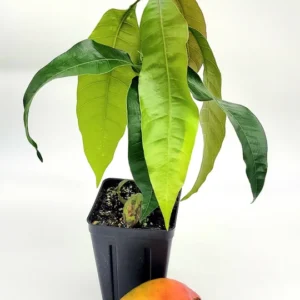
This offering is for one purple jacaranda live plant, fully rooted and ready for transplanting. Each plant measures approximately 6-12 inches in height from the top of the soil. It is shipped in a nursery pot to ensure its health and vitality upon arrival. The Jacaranda mimosifolia is a fast-growing species, and under ideal conditions, it can reach a mature height of 20-40 feet with a similar spread, forming a beautiful, umbrella-shaped canopy. Its ornamental value is immense, especially as a flowering tree outdoor specimen. Expect the first blooms within a few years of planting, with increasing floriferousness as the tree matures. This tree is perfect for creating a stunning focal point in your garden or lining a driveway.
Frequently Asked Questions
- Q: How big does this purple jacaranda live plant get? A: This particular plant is 6-12 inches tall upon arrival. When mature, a Jacaranda tree can reach heights of 20-40 feet with a wide, spreading canopy, making it a substantial and beautiful addition to your landscape.
- Q: Is this an indoor or outdoor plant? A: The Jacaranda is primarily an outdoor tree, especially in USDA Zones 9-11. While young plants can be kept indoors temporarily in colder climates, they thrive best when planted in the ground outdoors where they receive full sun.
- Q: How much sunlight does a jacaranda tree need? A: To ensure optimal growth and flowering, a Jacaranda tree requires full sun exposure, meaning at least 6-8 hours of direct sunlight daily. This is crucial for successful blooming and overall tree health.
- Q: Is this plant easy to care for? A: Once established, a Jacaranda is relatively low-maintenance. However, young plants require consistent watering and protection from frost. Proper initial planting and consistent jacaranda tree care will ensure its success.
- Q: What condition will the plant arrive in? A: Your purple jacaranda live plant will arrive fully rooted in a nursery pot, carefully packaged to ensure its health and integrity during transit. We take utmost care to provide a robust and ready-to-plant specimen.
- Q: When is the best time to plant a jacaranda tree? A: The best time to plant a Jacaranda is in spring or early summer after the last frost, allowing it ample time to establish its root system before winter. This helps the tree settle in and begin to grow jacaranda effectively.
- Q: Will it survive winter in my zone? A: Jacarandas are hardy in USDA Zones 9-11. In these zones, they can typically survive winter outdoors. If you are in a colder zone, you may need to provide winter protection or grow it in a container that can be moved indoors.
- Q: What color flowers does this jacaranda produce? A: This specific Jacaranda variety is known for its beautiful and vibrant purple-blue flowers, which appear in stunning clusters, creating a spectacular display. These vibrant purple flowers are the hallmark of the species.
- Q: How long until it blooms? A: Jacaranda trees typically begin to bloom within 3-5 years after planting, though this can vary depending on growing conditions and care. As the tree matures, the number and intensity of blooms will increase.
- Q: What kind of soil is best for a jacaranda? A: Jacarandas prefer well-drained soil, ideally a sandy loam. Good drainage is essential to prevent root rot. Amending heavy soils with organic matter can improve their suitability for this flowering tree outdoor.


Reviews
There are no reviews yet.