


Overview
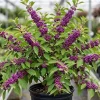
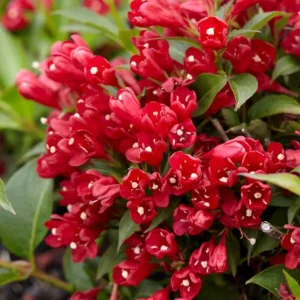
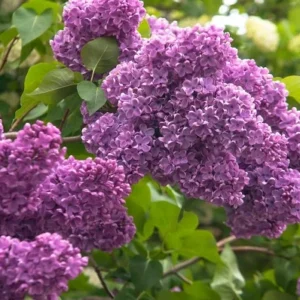
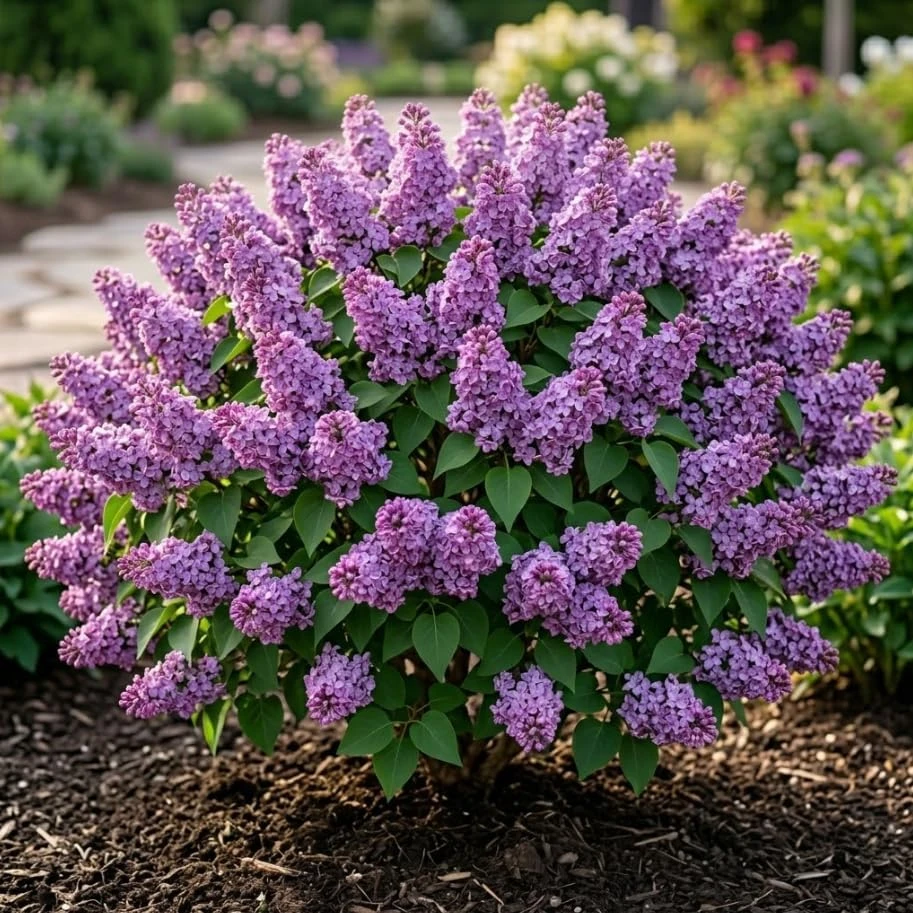
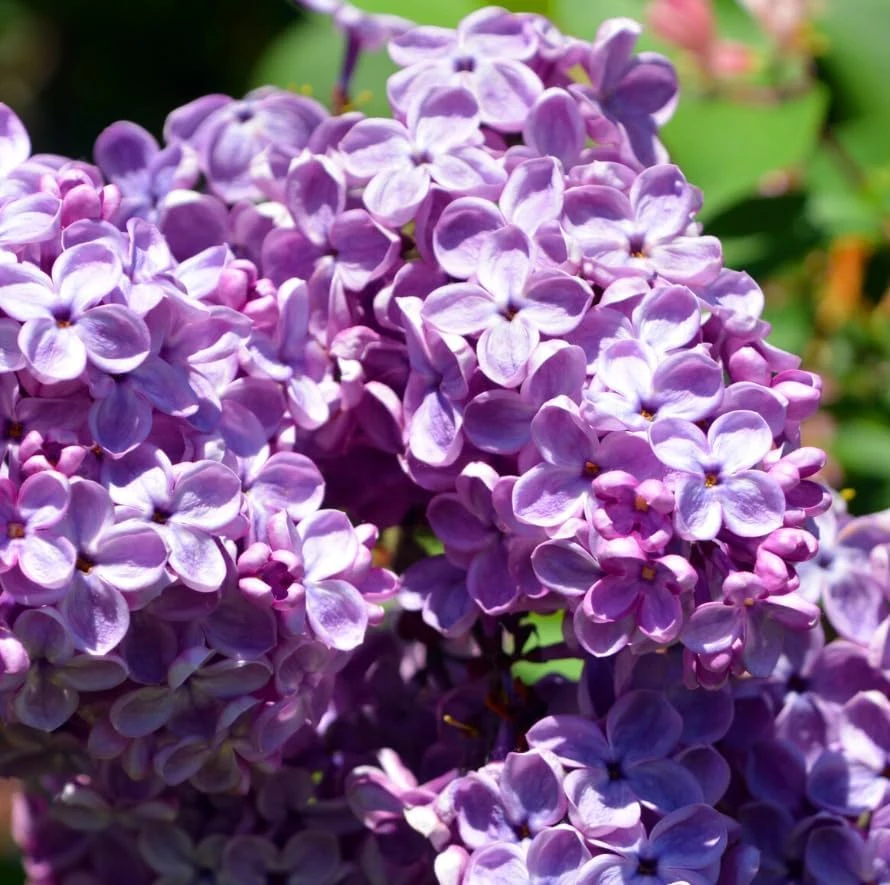
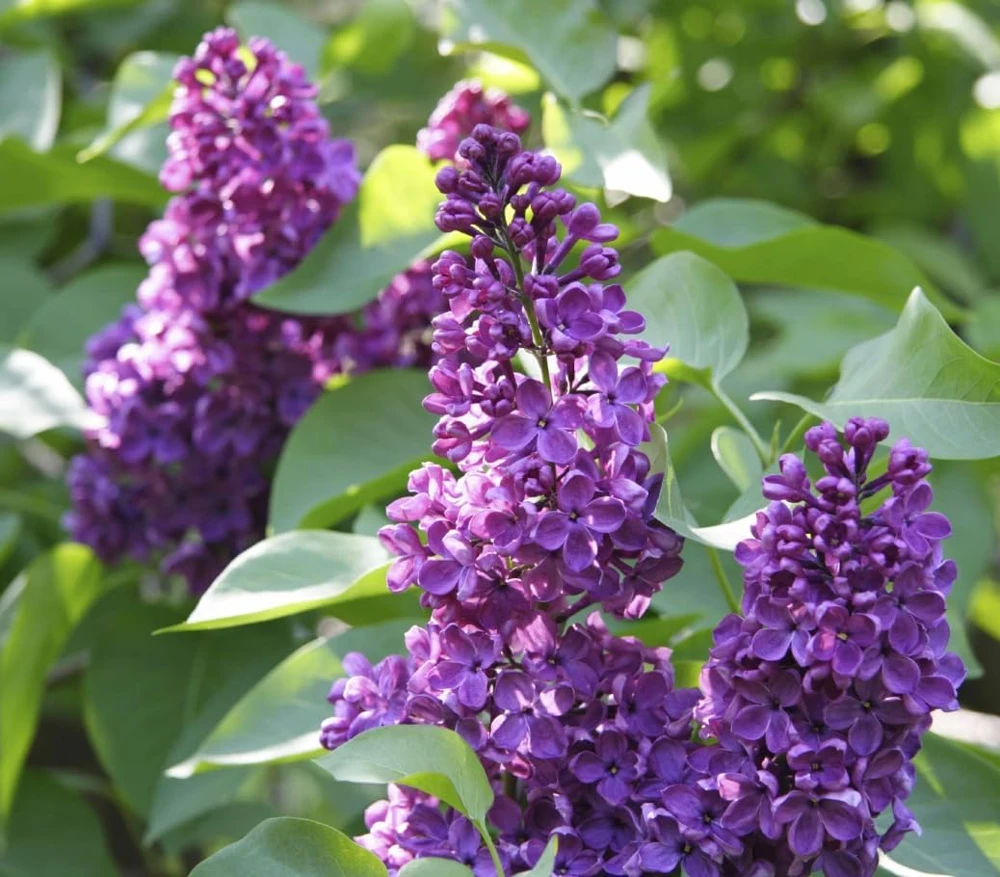
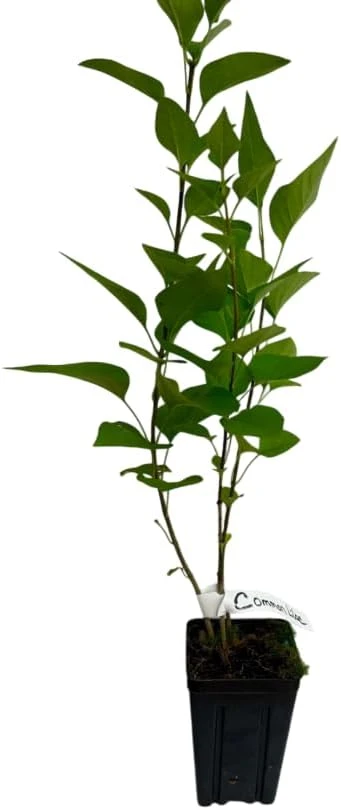
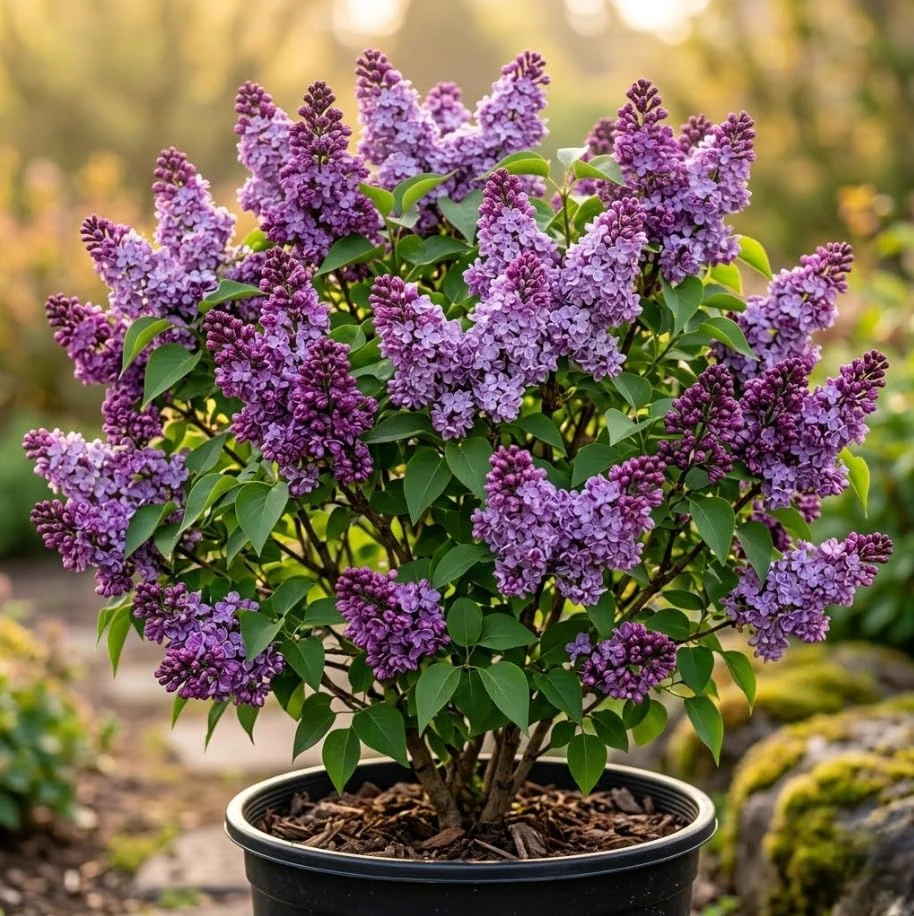
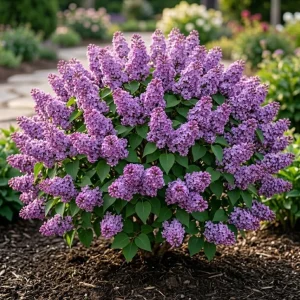
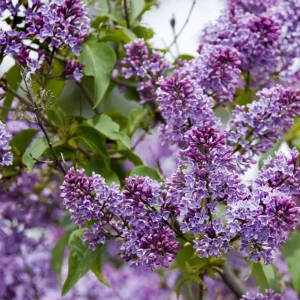
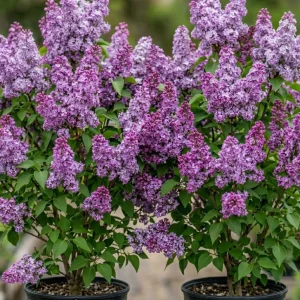
Introduce classic elegance and delightful fragrance to your garden with this stunning purple lilac bush. This live plant, specifically a Syringa vulgaris variety, arrives established and ready for transplanting, standing between 6 to 12 inches tall. Known for its breathtaking clusters of rich purple blooms, this lilac variety not only graces your garden with its beauty in spring but also boasts a reblooming characteristic, extending its vibrant display and sweet aroma throughout the season. Ideal for creating a charming border, a fragrant hedge, or a striking focal point, this reblooming lilac plant is a beloved choice for gardeners seeking both visual appeal and a captivating scent. Experience the joy of an old-fashioned favorite with modern reblooming capabilities.
The purple lilac bush is a symbol of spring and renewal, offering an enchanting presence in any outdoor setting. Its robust nature and relatively easy care make it a rewarding addition for both novice and experienced gardeners. This particular Syringa tree is cultivated for its resilience and ability to establish quickly, ensuring a successful planting experience. Prepare to enjoy the picturesque beauty and the unforgettable perfume that only a well-grown lilac can provide.
Key Benefits
Choosing a purple lilac bush for your garden offers a multitude of advantages, transforming your outdoor space into a fragrant haven. These plants are celebrated for their enchanting qualities and ease of integration into various landscape designs.
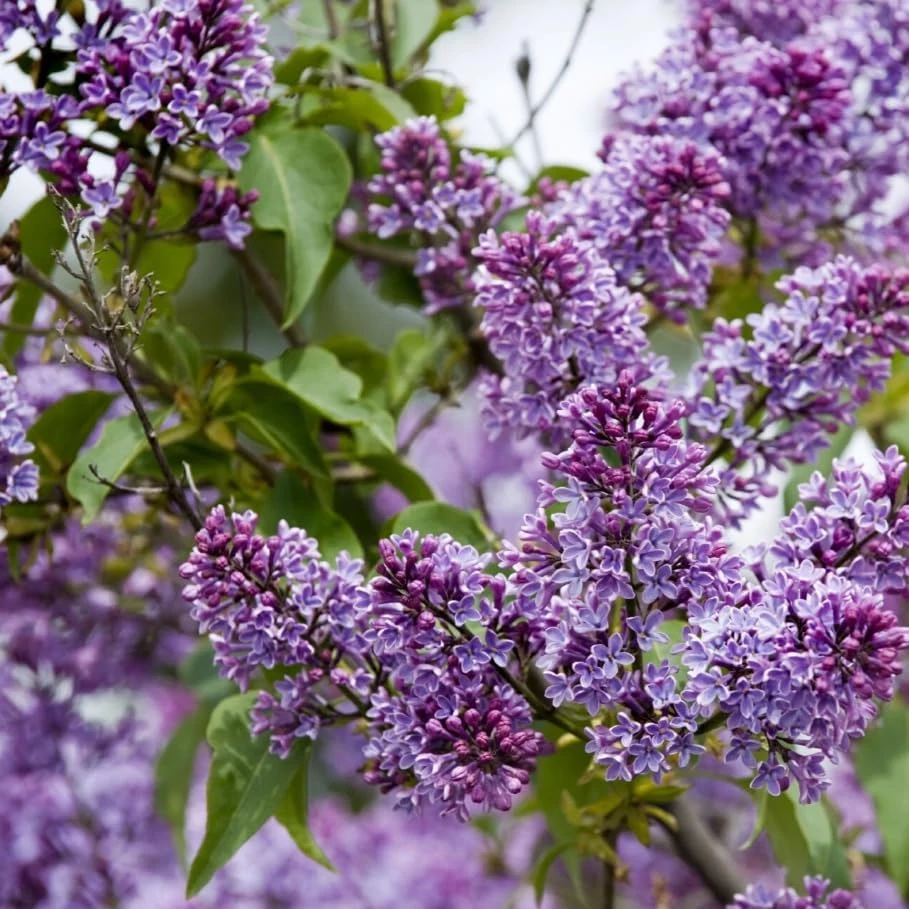
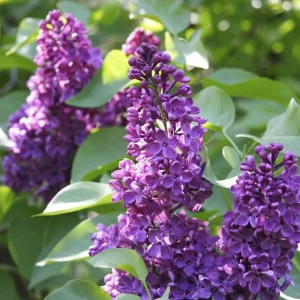
- Stunning Floral Display: Enjoy abundant clusters of rich purple flowers that create a spectacular visual impact in your garden, signaling the arrival of spring and early summer.
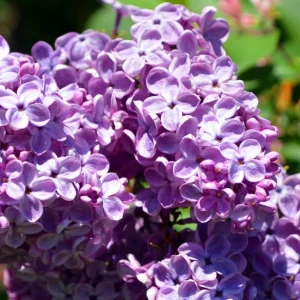
- Intoxicating Fragrance: The highly aromatic blooms release a sweet, classic lilac scent that can perfume an entire garden area, enhancing your outdoor living experience.
- Reblooming Capability: Unlike traditional lilacs, this variety offers the exciting possibility of a second flush of blooms later in the season, extending its period of interest and enjoyment. This makes it a truly special reblooming lilac plant.
- Attracts Pollinators: The vibrant flowers are a magnet for butterflies, bees, and other beneficial pollinators, contributing to the biodiversity and health of your garden ecosystem.
- Low Maintenance: Once established, the common lilac care routine is minimal, requiring little intervention to thrive, making it suitable for busy gardeners.
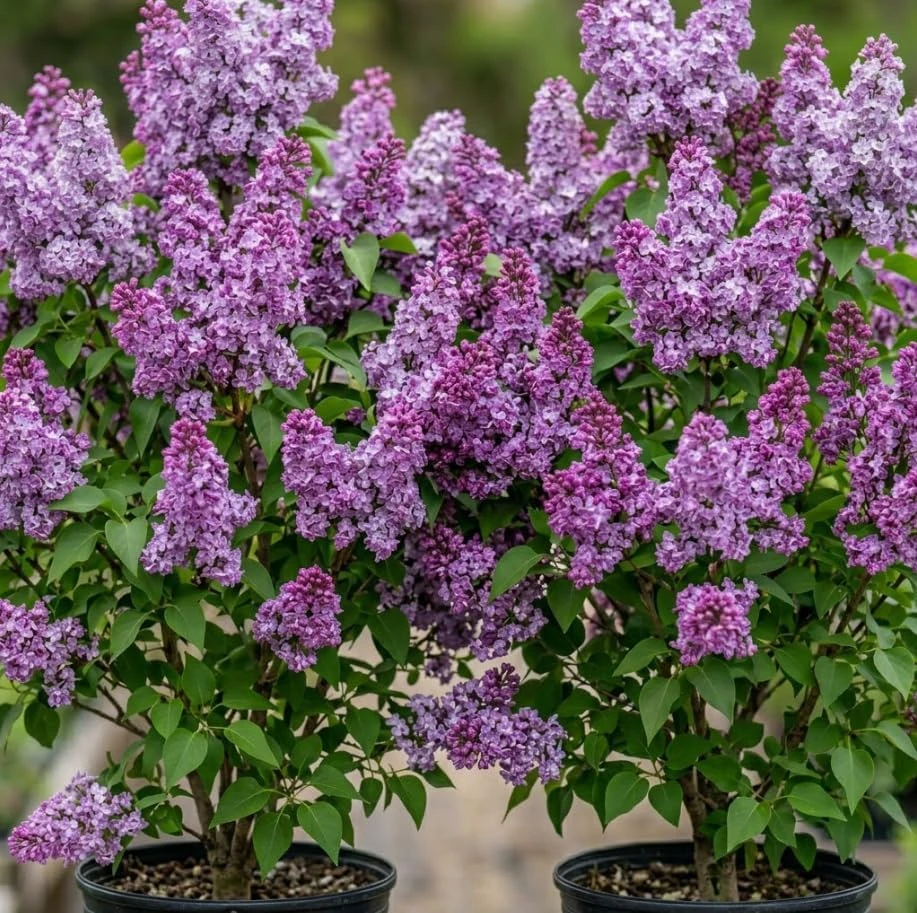
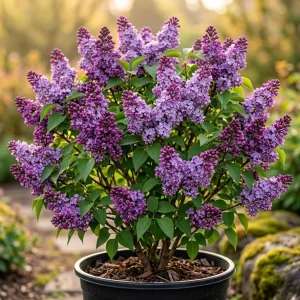
- Versatile Landscape Use: Perfect as a specimen plant, in mixed borders, as a fragrant hedge, or even in large decorative containers to add vertical interest and color.
- Drought Tolerant: Established lilac bushes show good resistance to dry conditions, reducing the need for frequent watering after their initial growth phase.
Plant Care & Growing Tips
Caring for your purple lilac bush is straightforward, ensuring years of beautiful blooms and fragrance. These resilient shrubs thrive when provided with their preferred growing conditions.
Sunlight Requirements: Lilacs are sun-lovers and perform best in full sun, meaning they need at least 6-8 hours of direct sunlight per day. Adequate sunlight is crucial for maximizing bloom production. While they can tolerate partial shade, too little sun will result in fewer flowers and a leggy growth habit. When planting, choose a location in your garden that receives ample morning and afternoon sun.
Watering Schedule and Soil Moisture: During its first year, water your new purple lilac bush regularly to help it establish a strong root system. Aim for consistently moist, but not waterlogged, soil. Once established, lilacs are quite drought-tolerant and typically only need supplemental watering during extended dry periods. Overwatering can lead to root rot, so ensure good drainage. The soil should feel dry to the touch a couple of inches deep before rewatering.
Soil Type and Drainage Requirements: Lilacs prefer fertile, humus-rich, well-drained soil with a neutral to slightly alkaline pH. Heavy clay soils should be amended with organic matter like compost to improve drainage. Sandy soils can benefit from compost to increase water retention and nutrient availability. Good drainage is paramount for healthy lilac growth, preventing water from pooling around the roots. This attention to soil will simplify your common lilac care routine.
Temperature Range and USDA Hardiness Zone: Most lilacs, including this Syringa variety, are hardy in USDA Zones 3-7 (though some cultivars may extend to Zone 8 or 9). They require a period of cold dormancy to set flower buds properly. This makes them excellent choices for temperate climates. Protect young plants from extreme winter winds, but mature plants are quite resilient to cold.
Fertilization Schedule and Type: Lilacs are not heavy feeders. A light application of a balanced, slow-release granular fertilizer in early spring, before new growth begins, is usually sufficient. Avoid high-nitrogen fertilizers, which can promote leafy growth at the expense of flowers. A soil test can help determine if specific nutrient deficiencies need to be addressed.
Common Problems and Solutions: Lilacs are generally robust but can occasionally face issues like powdery mildew, especially in humid conditions or with poor air circulation. Ensure good spacing between plants and prune for airflow. Pests like lilac borers can be managed with appropriate horticultural sprays if infestations are severe. Regular inspection helps catch problems early. Proper syringa tree care can prevent most issues.
Size & Details
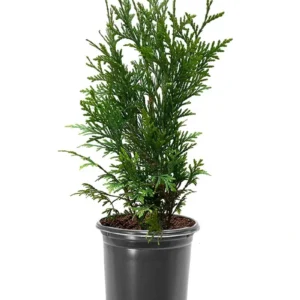
This offering includes one vibrant purple lilac bush, arriving as a live plant, established in a 4-inch nursery pot. At the time of shipping, the plant will typically stand between 6 to 12 inches tall, measured from the soil line. This size is ideal for successful transplanting and allows the plant to quickly acclimate to its new garden environment. Lilacs are known for their moderate to fast growth rate, and with proper care, this bush will mature into a significant landscape feature, potentially reaching heights of 8-15 feet with a similar spread, depending on pruning and environmental conditions. Expect your plant to produce its first significant flush of the highly anticipated fragrant lilac flowers in the spring following its establishment, with potential reblooming in late summer or fall.
The plant is shipped with its root ball intact within the pot, ensuring minimal transplant shock. During winter months, lilacs naturally enter dormancy, and your plant may arrive without leaves, which is a normal and healthy state for a deciduous shrub. This dormant period is crucial for its future vigorous growth and abundant flowering. The plant is ready for immediate transplanting into your garden bed, landscape, or a larger decorative container upon arrival. With its robust root system, this reblooming lilac plant is poised for healthy growth and many seasons of beautiful blooms.
Frequently Asked Questions
- Q: How big does this purple lilac bush get? A: This purple lilac bush typically arrives 6-12 inches tall. With proper care, it can mature into a shrub reaching 8-15 feet in height and spread, depending on the variety and pruning practices.
- Q: Is this an indoor or outdoor plant? A: This is an outdoor plant, specifically a bush or shrub, designed to thrive in garden beds, landscapes, and large outdoor containers in appropriate USDA hardiness zones. It requires a period of winter dormancy.
- Q: How much sunlight does my lilac bush need? A: Your syringa tree requires full sun, meaning at least 6-8 hours of direct sunlight daily, to ensure optimal growth and abundant bloom production.
- Q: Is this plant easy to care for? Is it good for beginners? A: Yes, once established, the common lilac care routine is relatively low maintenance, making it an excellent choice for both experienced gardeners and beginners looking for beautiful, fragrant additions to their landscape.
- Q: What condition will the plant arrive in? A: Your purple lilac bush will arrive as a live, established plant in a 4-inch pot. During winter, it may arrive dormant and leafless, which is normal and indicates a healthy plant ready for spring growth.
- Q: How long until it blooms? A: While your plant is young, it is established and should produce its first beautiful fragrant lilac flowers in the spring following its planting, with potential reblooming later in the season.
- Q: Will it survive winter in my zone? What’s the minimum temperature? A: Lilac bushes are hardy in USDA Zones 3-7 and require a cold dormancy period. They are well-suited for temperate climates and can withstand freezing temperatures within these zones.
- Q: What kind of soil does this lilac prefer? A: Lilacs thrive in fertile, well-draining soil with a neutral to slightly alkaline pH. Ensure good drainage to prevent root issues.
- Q: How often should I water my reblooming lilac plant? A: Water regularly during the first year to establish roots. Once established, water when the top few inches of soil are dry, especially during dry spells. Avoid overwatering.
- Q: Does this lilac attract pollinators? A: Yes, the beautiful and fragrant blooms of this purple lilac bush are very attractive to bees, butterflies, and other beneficial pollinators, enhancing your garden’s ecosystem.


Reviews
There are no reviews yet.