Overview
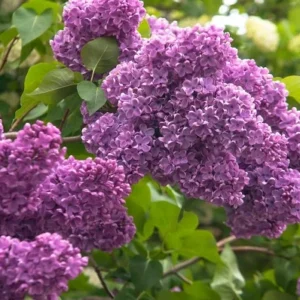
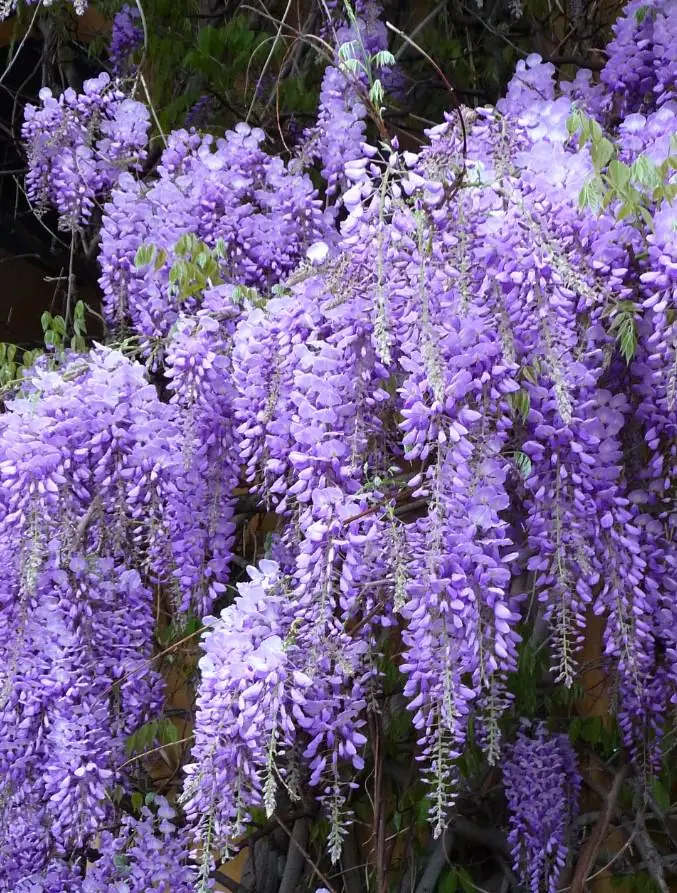
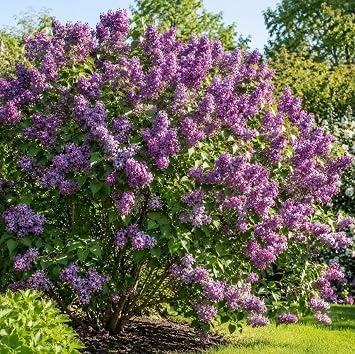
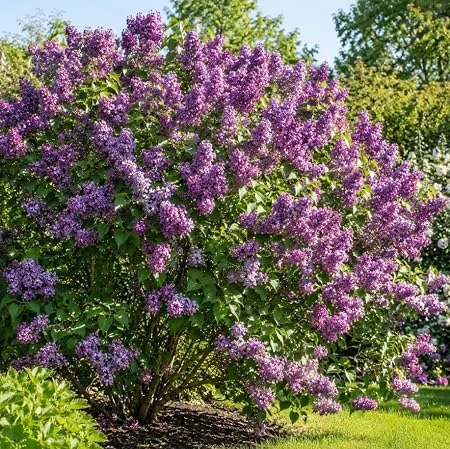
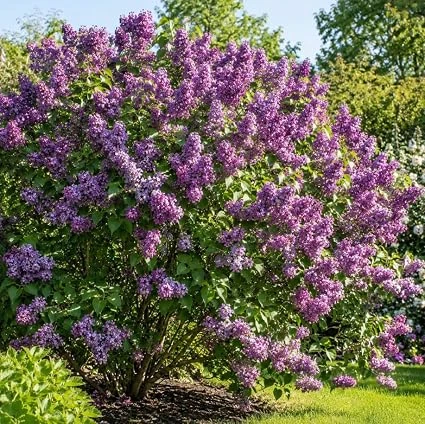
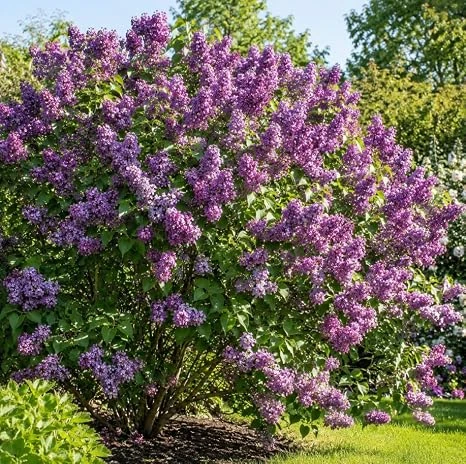
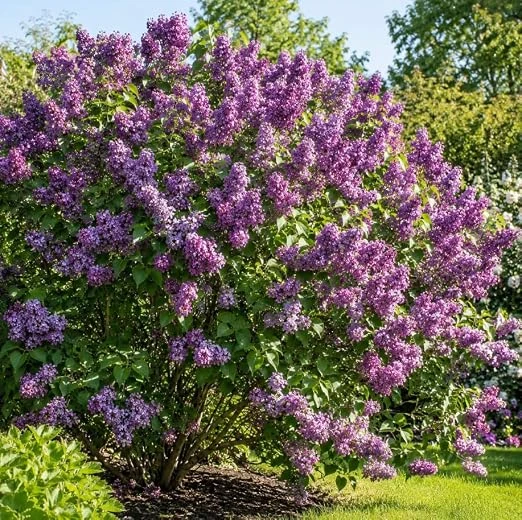
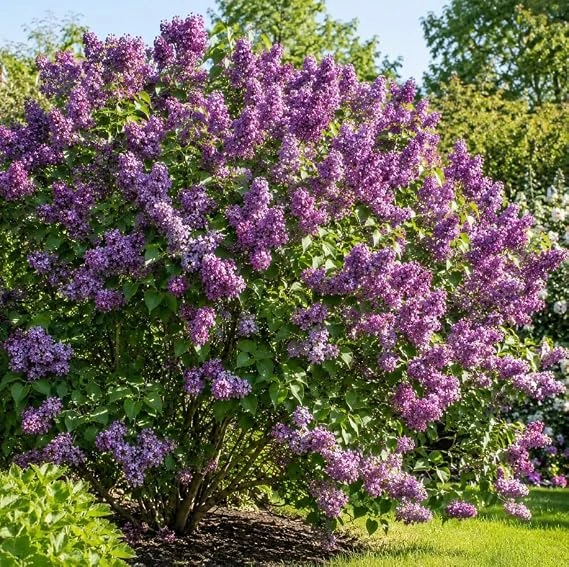
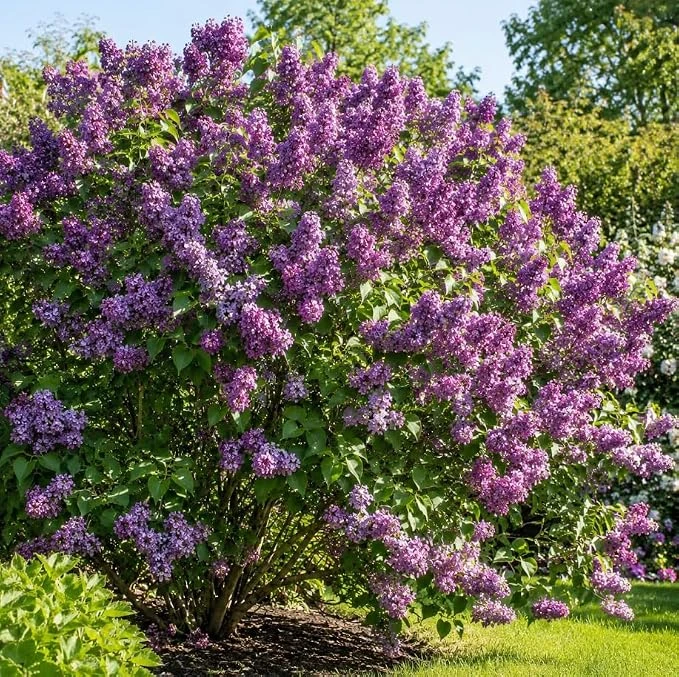
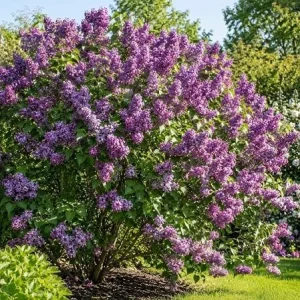
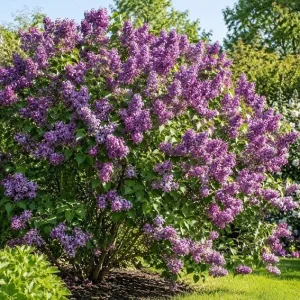
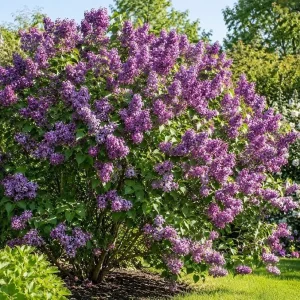
Introduce a classic touch of spring beauty to your landscape with the enchanting purple lilac bush. This live plant is renowned for its intoxicatingly sweet fragrance and abundant clusters of vibrant purple flowers, making it a beloved choice for gardeners across many regions. Known botanically as Syringa vulgaris, this ornamental shrub is celebrated for its robust, cold hardy lilac nature, ensuring reliable growth and spectacular blooms year after year. Perfect for creating a fragrant privacy screen, a decorative border, or simply as a standalone specimen, this young lilac tree, arriving approximately 14-18 inches tall, is ready to establish itself and transform your outdoor environment into a perfumed paradise. Its ease of care and captivating beauty make it a must-have for both novice and experienced gardeners seeking a touch of timeless charm.
The purple lilac bush is more than just a plant; it’s an experience. Each spring, its rich, perfumed blossoms announce the arrival of warmer weather, filling the air with a scent that evokes nostalgia and natural beauty. This particular variety, often referred to as an old fashion lilac, embodies the classic charm that has made lilacs a garden favorite for centuries. Its resilient nature means it can thrive in a wide range of climates, bringing joy and color even to colder zones. Plant this established start in a sunny location with well-drained soil, and watch as it matures into a magnificent, fragrant spectacle.
Key Benefits
Cultivating a purple lilac bush offers a multitude of advantages, enhancing both the aesthetic and sensory appeal of your garden. Its undeniable beauty and robust growth make it a standout choice for any outdoor setting:
- Exquisite Fragrance: The primary allure of the purple lilac bush is its incredibly sweet and classic fragrance. During its blooming season, it fills the air with a delightful aroma that is both captivating and memorable, making your garden a truly sensory experience. This fragrant lilac plant is perfect for planting near patios or windows.
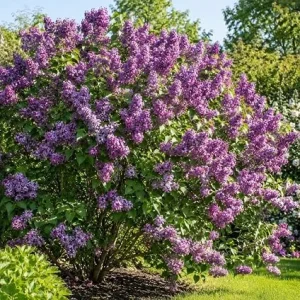
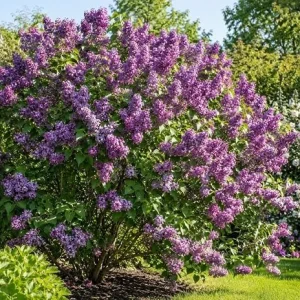
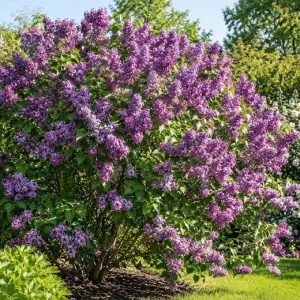
- Stunning Visual Appeal: With its profusion of dense purple flower clusters, this lilac provides a spectacular visual display in spring. The vibrant color and lush foliage add significant ornamental value, creating a beautiful focal point or a striking background in your garden design.
- Cold Hardy Nature: This lilac variety is known for its exceptional cold hardiness, making it suitable for a wide range of USDA zones. Gardeners in colder climates can rely on its consistent performance and abundant blooms, ensuring a vibrant garden season after season.
- Versatile Landscaping Use: Whether you desire a natural privacy hedge, a decorative border, or a dramatic standalone specimen, the purple lilac bush is incredibly versatile. Its mature size and attractive form allow it to fit seamlessly into various garden designs, adding timeless elegance.
- Low Maintenance Once Established: After its initial planting and establishment, this ornamental bush requires minimal upkeep. Its robust nature means less fuss for the gardener, allowing more time to simply enjoy its beauty and fragrance.
- Attracts Pollinators: The vibrant flowers and sweet nectar of the lilac are a magnet for beneficial pollinators such as bees and butterflies, contributing to the biodiversity and health of your garden ecosystem.
- Long-Lasting Blooms: While individual flowers are delicate, the overall blooming period of a mature lilac bush is substantial, providing weeks of color and fragrance to enjoy each spring.
Plant Care & Growing Tips
To ensure your purple lilac bush thrives and produces its signature fragrant blooms, proper care is essential. Lilacs are generally easy-going plants, but understanding their basic needs will lead to the best results. They are best suited for outdoor environments where they can receive ample sunlight and develop into mature shrubs. A crucial part of a successful lilac care guide is providing the right environment from the start.
Sunlight Requirements: Lilacs are sun-lovers and require at least 6 hours of direct sunlight per day to produce the most abundant flowers. Full sun is ideal; planting in a location with less light may result in fewer blooms and a lankier growth habit. Ensure your chosen spot is not overshadowed by larger trees or buildings as the plant matures. This ensures your fragrant lilac plant gets the energy it needs for spectacular blooms.
Watering Schedule and Soil Moisture: While established lilacs are relatively drought-tolerant, young plants need consistent moisture to develop a strong root system. Water deeply once or twice a week, especially during dry spells, ensuring the soil is moist but not waterlogged. Once mature, reduce watering frequency, allowing the top few inches of soil to dry out between waterings. Overwatering can lead to root rot, so good drainage is key.
Soil Type and Drainage: Lilacs prefer well-drained soil with a neutral to slightly alkaline pH (6.5-7.0). They can tolerate a range of soil types, including clay, loam, or sandy soils, as long as drainage is excellent. If you have heavy clay soil, amend it with organic matter like compost or peat moss to improve aeration and drainage. This provides the best foundation for a healthy purple lilac bush.
Temperature Range and USDA Hardiness Zone: This cold hardy lilac is incredibly resilient, thriving in USDA Hardiness Zones 3-7. It requires a period of cold dormancy to set flower buds, making it unsuitable for very warm climates (Zone 8 and above) where winters are too mild. It can withstand freezing temperatures and is quite robust once established.
Fertilization Schedule: Lilacs are not heavy feeders. An annual application of a balanced, all-purpose fertilizer in early spring, before new growth begins, is usually sufficient. Avoid high-nitrogen fertilizers, as these can promote leafy growth at the expense of flowers. A layer of compost around the base of the plant can also provide a slow release of nutrients.
Pruning: Prune your lilac after it finishes blooming in late spring or early summer. Remove spent flower clusters to encourage energy toward future growth rather than seed production. For mature plants, thin out old, woody stems by cutting them back to the ground to promote new, more vigorous flowering growth. This rejuvenation pruning helps maintain a healthy and vibrant old fashion lilac.
Size & Details
This purple lilac bush arrives as an established young plant, typically measuring approximately 14-18 inches tall from the base of the root system to the tip of its highest branch. It is shipped as a bare root or with minimal soil, ready for immediate planting in your garden or a larger container. These plants are carefully prepared to ensure they arrive healthy and ready to thrive in their new environment. The initial height allows for easy handling and planting, giving you a head start on cultivating this magnificent shrub.
When fully mature, a cold hardy lilac can reach an impressive height of 8-15 feet with a similar spread, forming a dense, rounded shrub. Its growth rate is moderate, typically adding 1-2 feet per year once established. Expect your plant to begin producing its characteristic fragrant blooms within 1-3 years after planting, with increasingly abundant flowers as it matures. The plant is shipped without a pot, reducing waste and allowing for easier direct planting. During spring and summer, plants will arrive with leaves; in fall and winter, they will naturally be dormant and arrive without foliage, which is a normal and healthy stage for deciduous shrubs.
Frequently Asked Questions
- Q: How big does this purple lilac bush get? A: This purple lilac bush typically grows to a mature height of 8-15 feet tall with a similar spread. Its size can be managed with proper pruning, allowing it to fit into various garden spaces.
- Q: Is this an indoor or outdoor plant? A: This cold hardy lilac is an outdoor plant. It requires a period of cold dormancy to produce flowers and thrives best when planted directly in the ground where it can receive full sun.
- Q: How much sunlight does it need? A: For optimal blooming, your fragrant lilac plant needs at least 6 hours of direct sunlight per day. Planting it in a full sun location is crucial for abundant flower production.
- Q: Is this plant easy to care for? A: Yes, once established, the purple lilac bush is relatively low-maintenance. It’s known for its robust nature and tolerance to various conditions, making it a good choice for gardeners of all experience levels. Following a basic lilac care guide will ensure its success.
- Q: What condition will it arrive in? A: Your lilac will arrive as an established young plant, approximately 14-18 inches tall. Depending on the season, it may arrive with leaves (spring/summer) or dormant and bare-branched (fall/winter), which is normal for deciduous plants. It is shipped without a pot.
- Q: How long until it blooms? A: While young plants may produce a few flowers in their first year, you can typically expect your old fashion lilac to start blooming more profusely within 1-3 years after planting, with blooms becoming more abundant as the plant matures.
- Q: Will it survive winter in my zone? A: This lilac is very cold hardy and thrives in USDA Hardiness Zones 3-7. If your zone falls within this range, it will successfully overwinter and return each spring.
- Q: What’s the best time to plant this lilac? A: The best time to plant your lilac is in early spring or fall when temperatures are moderate. This allows the plant to establish its root system before the stress of summer heat or deep winter cold.
- Q: What type of soil does it prefer? A: This lilac prefers well-drained soil with a neutral to slightly alkaline pH. Good drainage is key to preventing root issues.
- Q: Is pruning necessary for this lilac? A: Yes, pruning after flowering helps maintain its shape, promotes better air circulation, and encourages more vigorous new growth and blooms in subsequent years. Regular pruning is a key part of an effective lilac care guide.


Reviews
There are no reviews yet.