




Overview
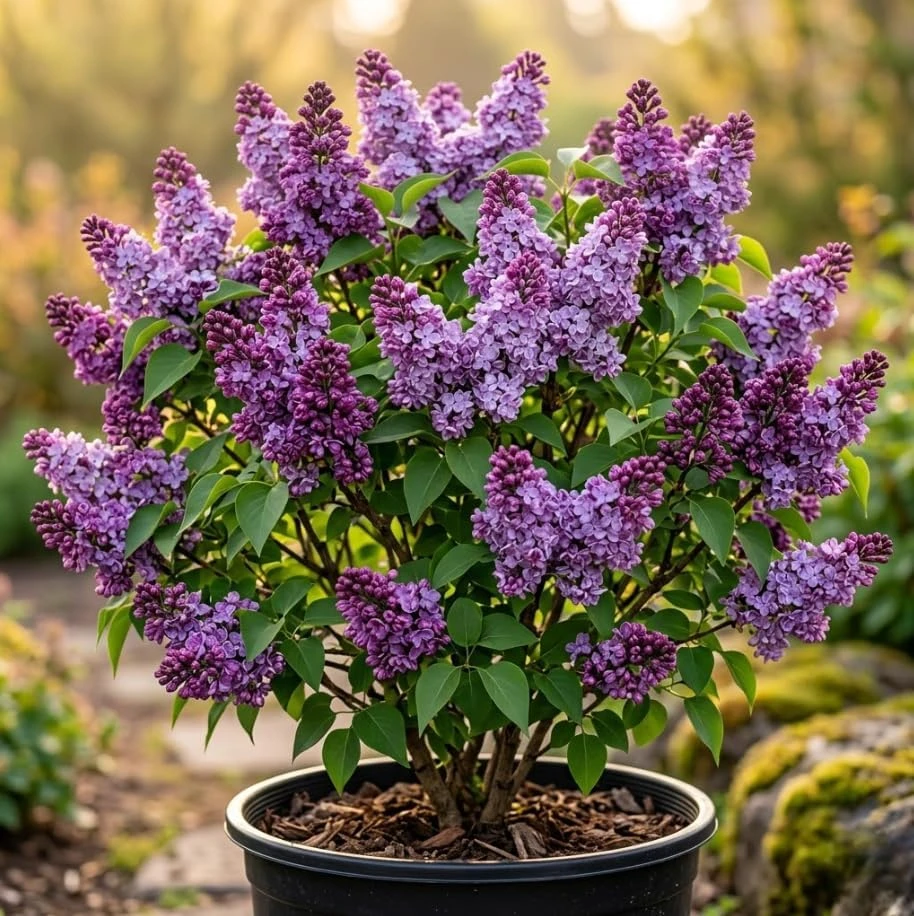
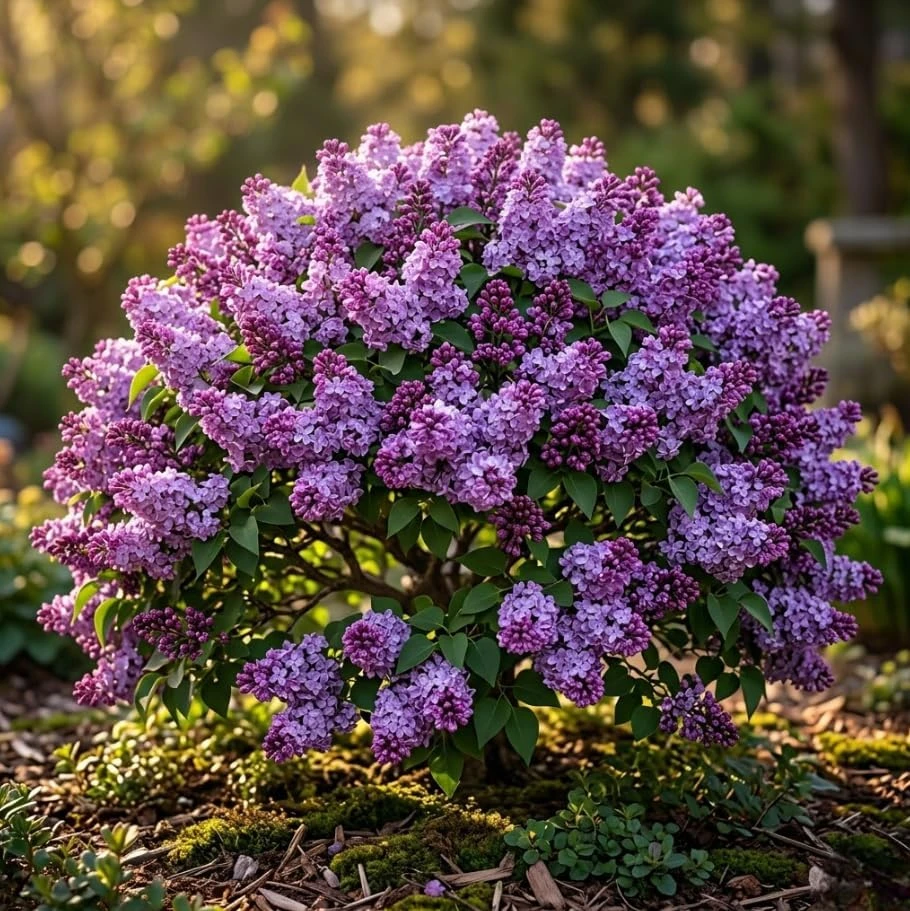
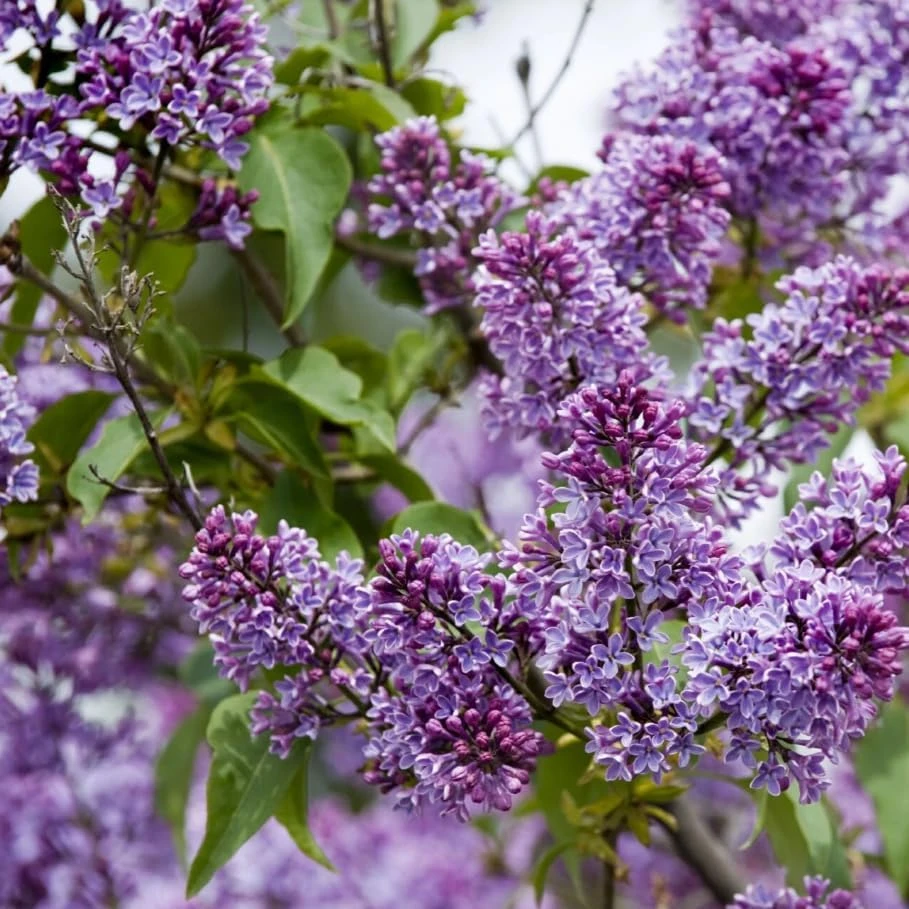
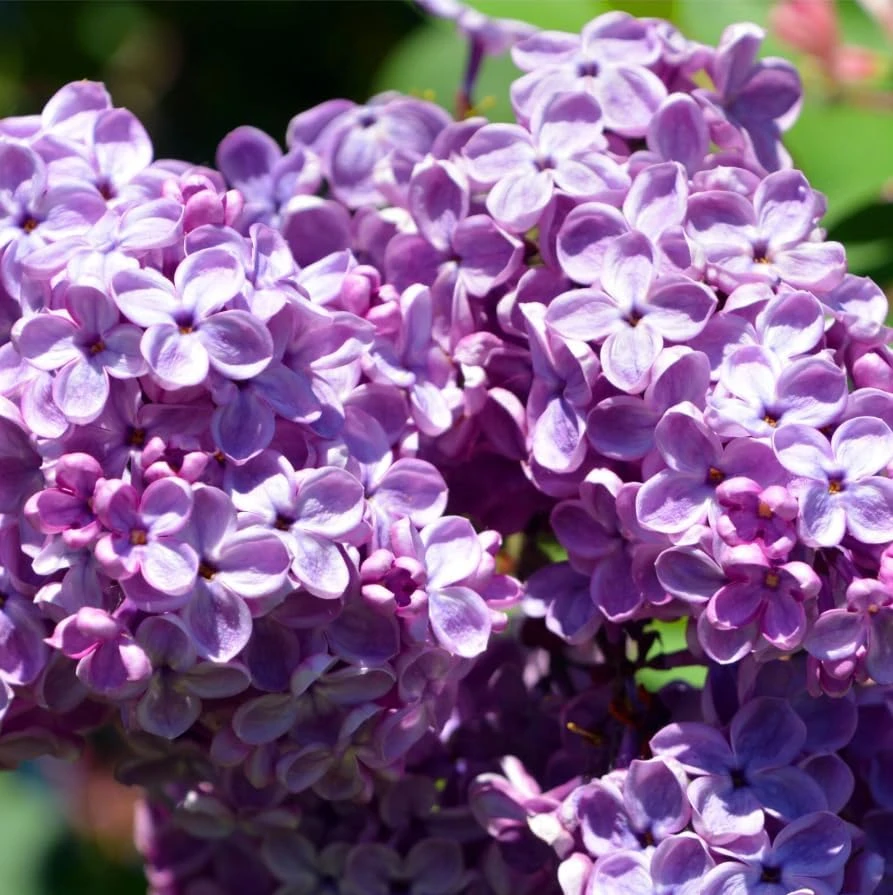
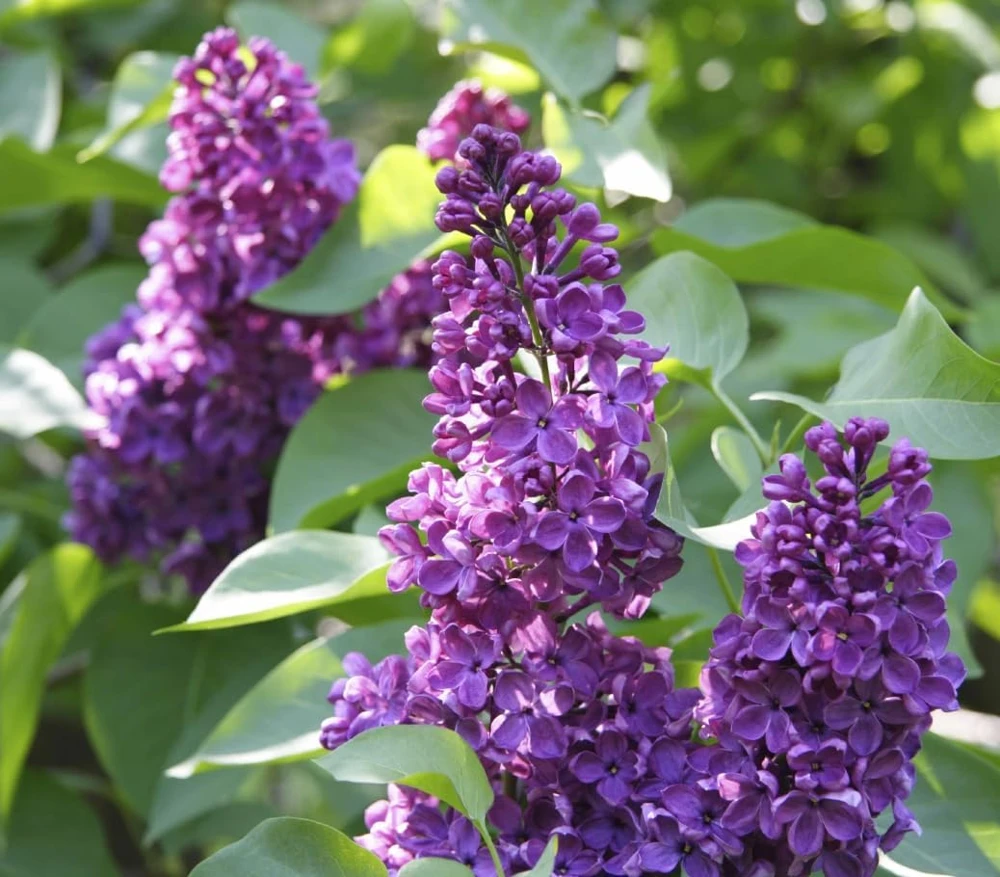
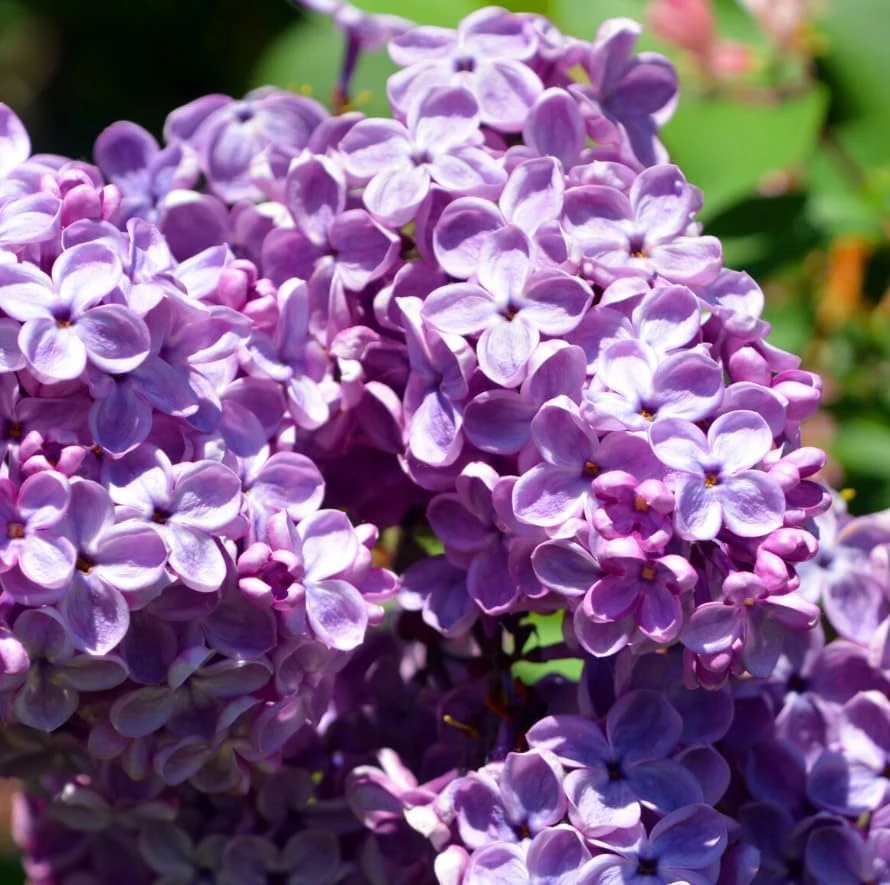
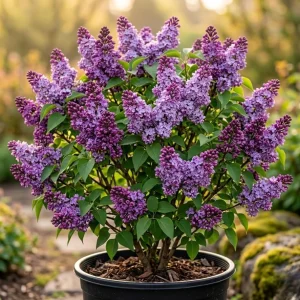
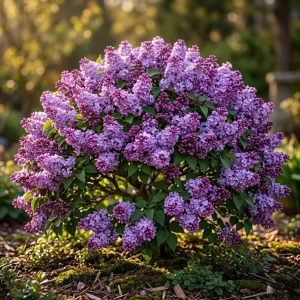
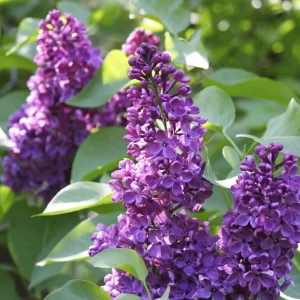
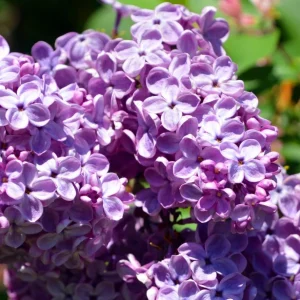
Introduce timeless elegance and enchanting fragrance to your outdoor space with the exquisite purple lilac live plant. This beautiful shrub, botanically known as Syringa, is celebrated for its dense clusters of rich purple flowers that burst forth in spring, often delighting gardeners with a second flush of blooms later in the season. Each flower cluster releases a sweet, intoxicating scent that can perfume an entire garden, making it a beloved choice for borders, hedges, or as a standalone specimen. Our established purple lilac live plant, measuring 6-12 inches tall, arrives in a pot, ready for easy transplanting into your garden, landscape bed, or a large decorative container. This classic, old-fashioned lilac bush is a symbol of spring and enduring beauty, offering a touch of nostalgic charm to any setting.
The purple lilac live plant is a hardy and adaptable shrub, known for its ability to thrive in a wide range of climates and its relatively low-maintenance nature once established. It’s an ideal choice for both experienced gardeners and those new to cultivating flowering shrubs. Beyond its stunning visual and aromatic appeal, this plant contributes to local ecosystems by attracting pollinators like bees and butterflies. Embrace the tradition and splendor of the lilac with this vibrant purple variety, ensuring seasons of enjoyment and natural beauty in your outdoor living areas. It’s more than just a plant; it’s an experience for the senses.
Key Benefits
Choosing a purple lilac live plant for your garden brings a multitude of advantages, enriching your outdoor environment with its unique characteristics and easy care. This particular variety stands out for its reblooming capability, extending the season of its delightful display.
- Spectacular Fragrance: The primary allure of the purple lilac live plant is its incredibly sweet and potent fragrance. Its rich perfume fills the air, creating an inviting and serene atmosphere in your garden, especially during spring.
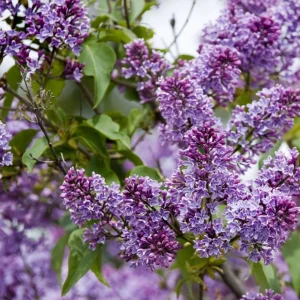
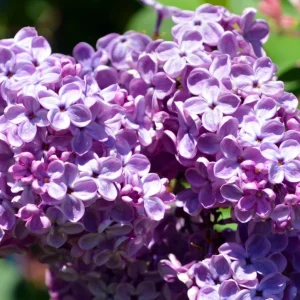
- Vibrant Purple Blooms: Enjoy abundant clusters of rich, deep purple flowers that provide a stunning visual contrast against its green foliage. These blooms are perfect for cutting and bringing indoors to brighten your home.
- Reblooming Feature: Unlike traditional lilacs that bloom only once, this variety offers the exciting possibility of reblooming later in the season, giving you an extended period of color and fragrance. This makes it a superior choice for continuous garden interest.
- Attracts Pollinators: The fragrant flowers are a magnet for beneficial pollinators such as butterflies and bees, contributing to a healthier and more vibrant garden ecosystem.
- Low Maintenance: Once established, this reblooming lilac bush is remarkably easy to care for. It’s drought-tolerant and generally resistant to pests and diseases, making it suitable for busy gardeners.
- Versatile Landscaping: Its upright growth habit and beautiful blooms make it perfect for various landscape uses, including specimen planting, hedges, privacy screens, or mixed borders.
- Classic & Timeless Appeal: An old fashioned lilac brings a sense of tradition and charm to any garden, evoking memories and creating a classic aesthetic that never goes out of style.
Plant Care & Growing Tips
Ensuring your purple lilac live plant thrives requires understanding its basic needs for sunlight, water, and soil. Lilacs are generally robust plants, but a little care goes a long way in promoting abundant blooms and healthy growth. The most crucial factor for a prolific display of flowers is ample sunlight. This shrub prefers a location that receives at least 6 hours of direct sunlight per day. Full sun exposure encourages stronger growth and maximizes the production of those beautiful, fragrant purple clusters. If planted in too much shade, the plant may become leggy and produce fewer flowers.
When it comes to watering, newly planted lilacs need consistent moisture to establish their root systems. Water deeply 2-3 times a week during the first growing season, especially during dry spells. Once established, the syringa plant care becomes much simpler as it is relatively drought-tolerant. However, during extended periods of heat or drought, supplemental watering will benefit the plant. Good drainage is essential; lilacs do not like soggy feet. Plant in well-draining soil, ideally a loamy soil with a neutral to slightly alkaline pH. Amending heavy clay soils with organic matter can improve drainage significantly. Fertilization is generally not heavily required for lilacs. A balanced, slow-release granular fertilizer applied in early spring can encourage vigorous growth and blooming, but avoid over-fertilizing, which can promote foliage growth at the expense of flowers.
Lilacs are hardy and can tolerate a wide range of temperatures, typically thriving in USDA Hardiness Zones 3-7. Pruning is best done immediately after the spring bloom has faded. This allows the plant to set buds for the following year’s flowers on old wood without sacrificing the current season’s display. Remove spent flowers (deadheading) to encourage more energy into growth and potential reblooming. Remove any dead, damaged, or crossing branches to maintain good air circulation and plant health. This attention to pruning helps maintain the plant’s shape and vigor, ensuring your reblooming lilac bush continues to be a highlight in your garden year after year.
Size & Details
This offering includes one vibrant purple lilac live plant, which arrives established in a pot, ready for immediate transplanting into your chosen garden spot or container. Each plant measures between 6 to 12 inches tall from the top of the soil, providing a healthy start for robust growth. Lilacs are known for their moderate to fast growth rate, and with proper care, this young shrub will quickly establish itself and begin to mature. Expect your lilac to reach a mature height of 8 to 15 feet and a spread of 6 to 12 feet over several years, forming a substantial and impressive landscape feature.
The plant is shipped in its dormant state during cooler months, which is completely normal and healthy; it will leaf out and begin active growth with the arrival of warmer weather. In warmer climates or during active growing seasons, it will arrive with foliage. The old fashioned lilac typically begins to produce its signature fragrant blooms in spring, with the possibility of a second bloom cycle later in the season. Planting this potted specimen ensures a strong root system, giving it the best chance to flourish and become a long-lasting, cherished addition to your outdoor living space.
Frequently Asked Questions
- Q: How big does this purple lilac live plant get? A: This particular plant will arrive 6-12 inches tall. With proper care, a mature purple lilac bush can typically reach a height of 8 to 15 feet and a spread of 6 to 12 feet, creating a significant presence in your garden.
- Q: Is this an indoor or outdoor plant? A: The purple lilac live plant is an outdoor shrub. It requires full sun and undergoes a dormant period in winter, which is essential for its health and future blooms. It is not suitable for long-term indoor cultivation.
- Q: How much sunlight does it need? A: For the best growth and most abundant blooms, your lilac bush needs at least 6 hours of direct sunlight per day. Planting it in a sunny location is crucial for its overall health and flowering performance.
- Q: Is this plant easy to care for? A: Yes, once established, the reblooming lilac bush is considered low-maintenance. It’s relatively drought-tolerant and hardy, making it a good choice for both experienced and novice gardeners.
- Q: What condition will it arrive in? A: Your purple lilac live plant will arrive established in a pot. During the winter months, it will be dormant and may have no leaves, which is normal. In warmer seasons, it will have active foliage.
- Q: When is the best time to plant this lilac? A: The best time to plant a potted lilac is in spring or fall when temperatures are moderate. This allows the plant to establish its roots before extreme heat or cold.
- Q: Will it survive winter in my zone? A: Lilacs are very hardy and generally thrive in USDA Hardiness Zones 3-7. If you are within these zones, your lilac should survive winter well and emerge beautifully in spring.
- Q: What kind of soil does a syringa plant care for? A: Lilacs prefer well-draining soil that is neutral to slightly alkaline. Avoid heavy clay soils that retain too much moisture, as this can lead to root rot. Amending with organic matter can improve soil structure.
- Q: How often should I water my newly planted lilac? A: During its first year, water your newly planted syringa plant care consistently and deeply, about 2-3 times per week, especially during dry periods, to help it establish a strong root system.
- Q: Does this old fashioned lilac rebloom? A: Yes, this specific variety of lilac is known for its ability to rebloom. While the primary flush of flowers occurs in spring, you may enjoy additional blooms later in the season under favorable conditions.


Reviews
There are no reviews yet.