


Overview
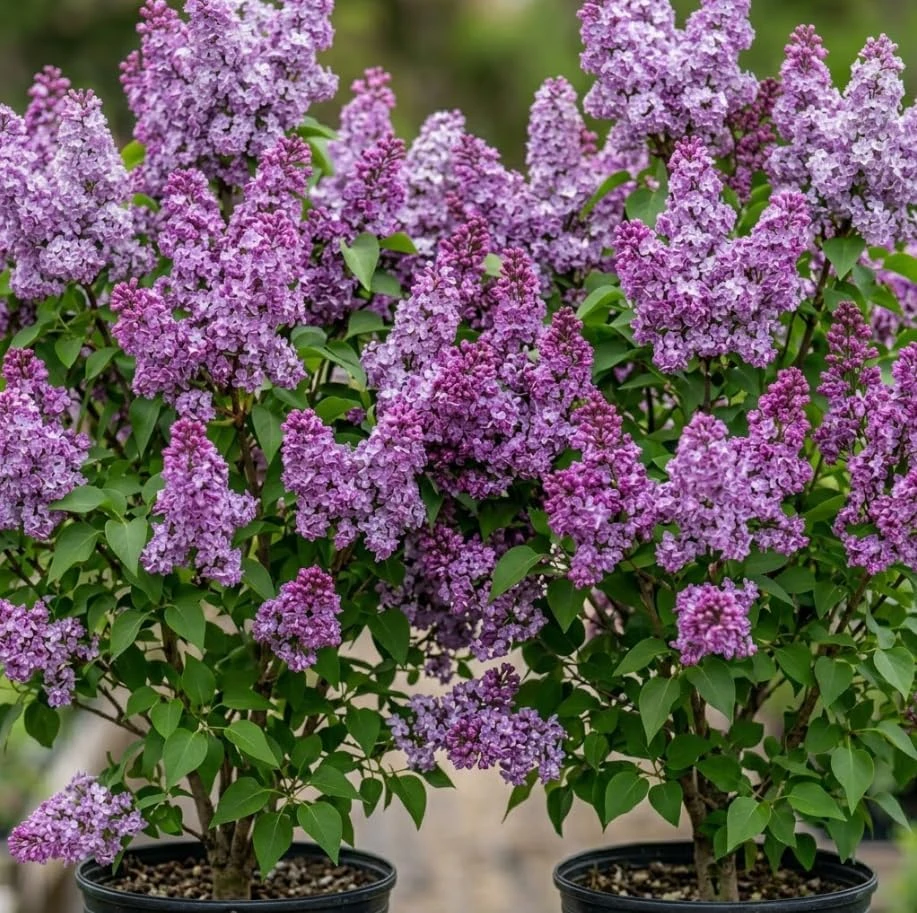
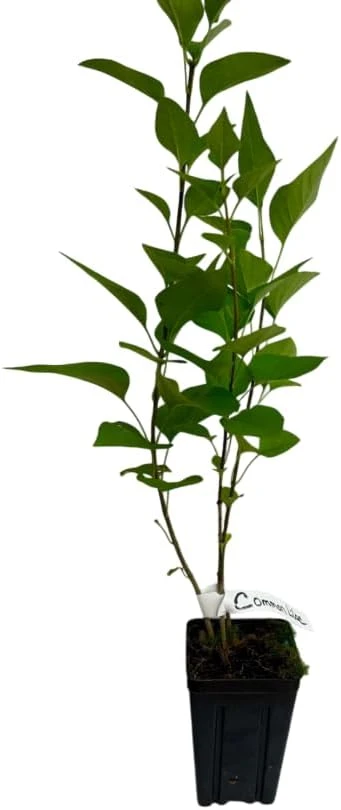
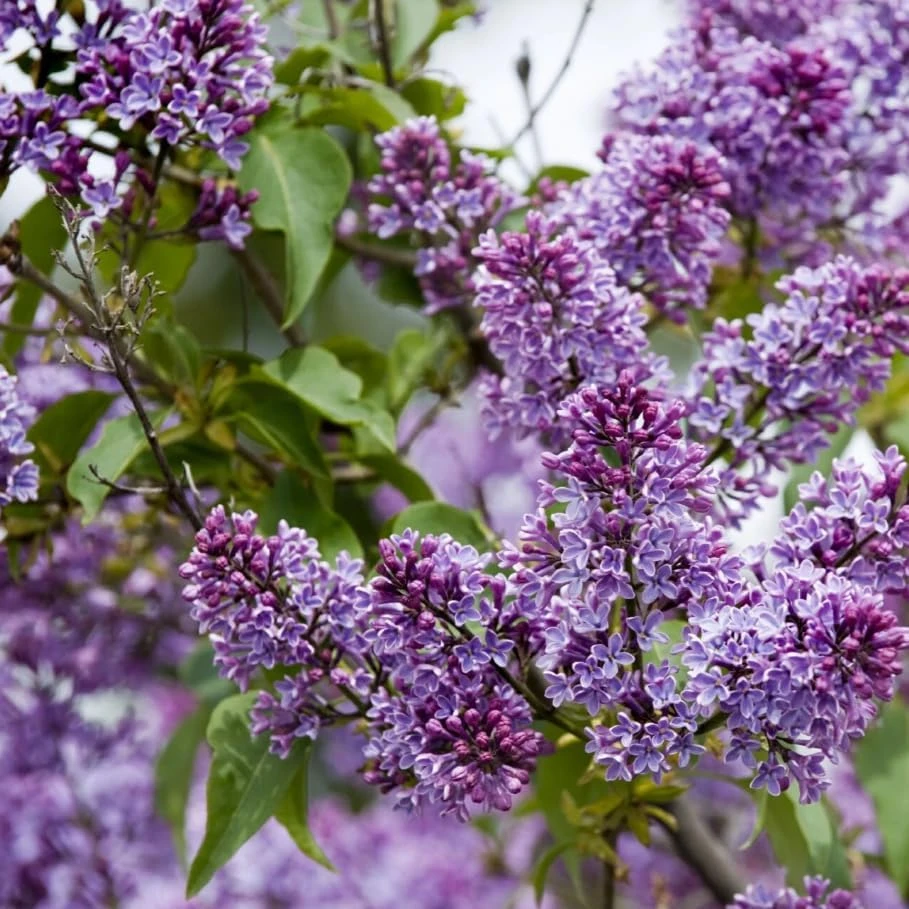
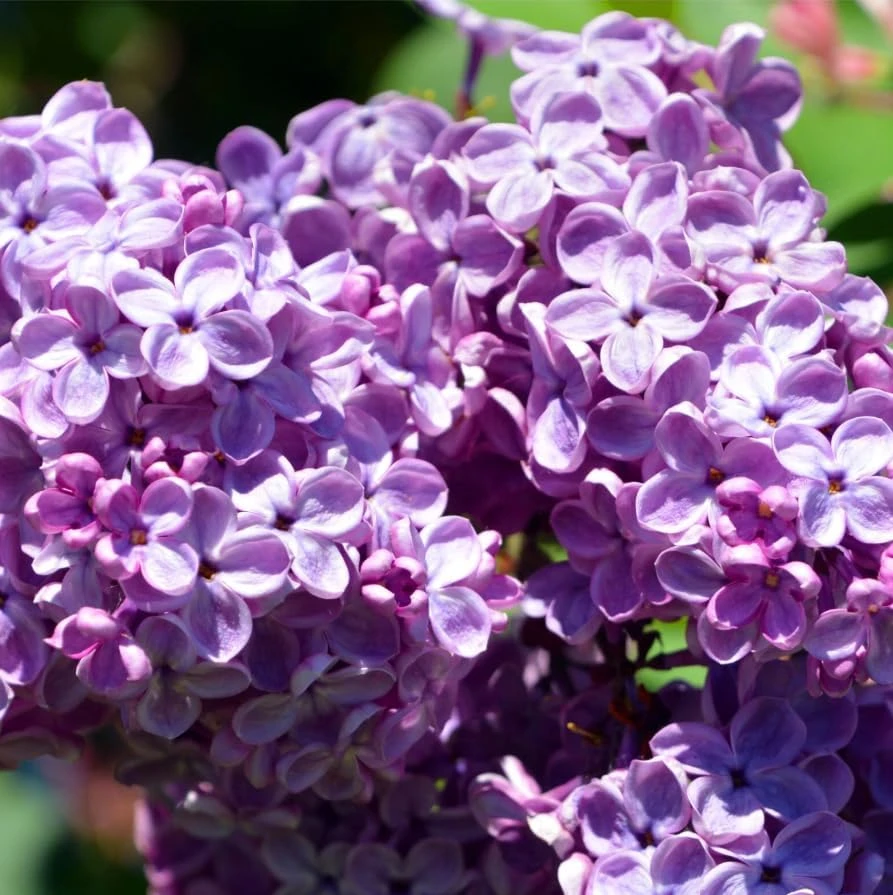
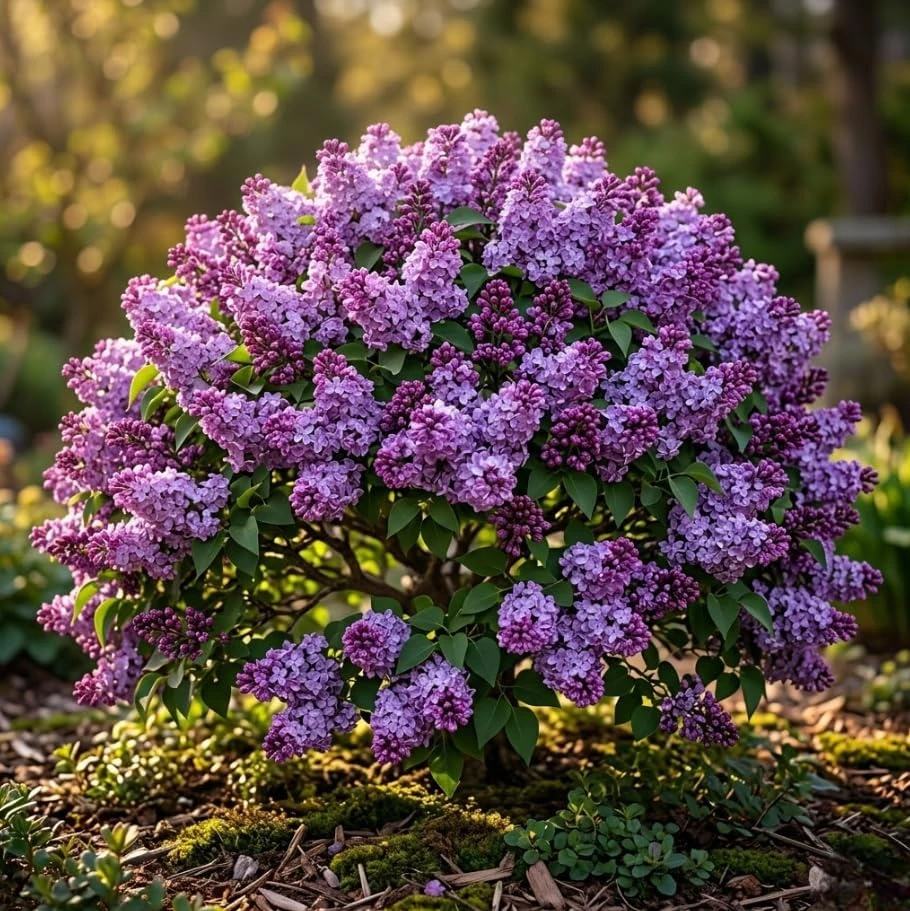
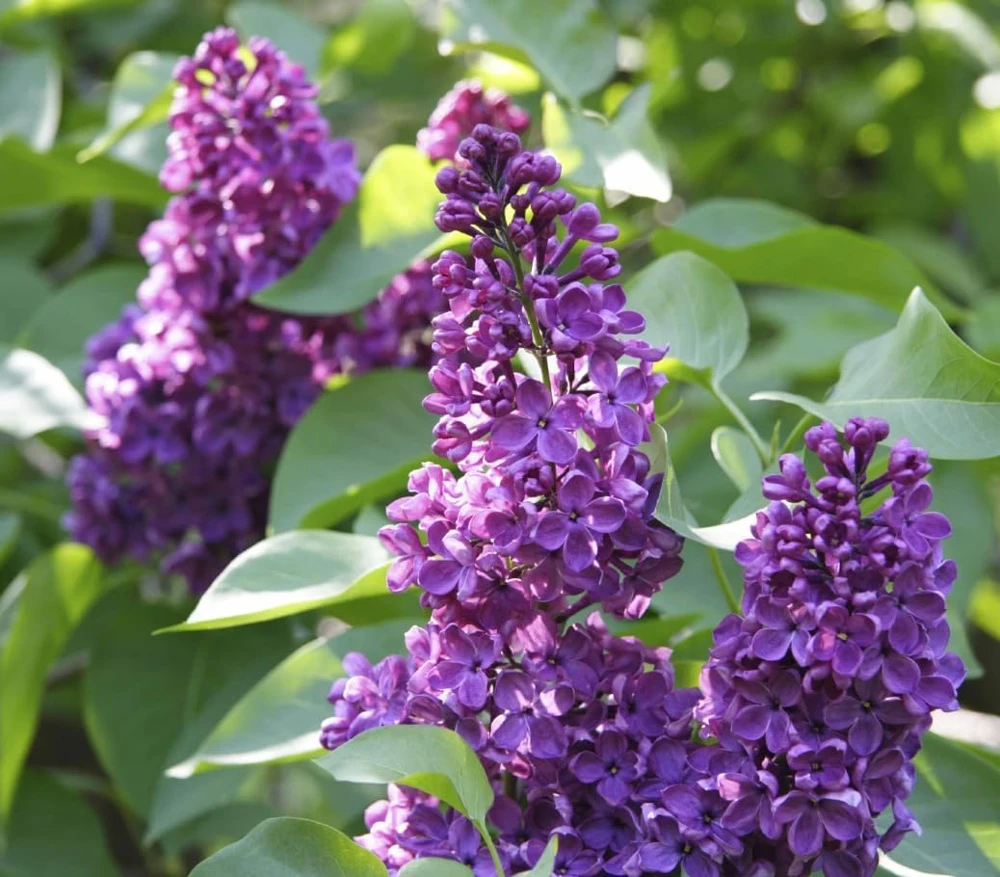
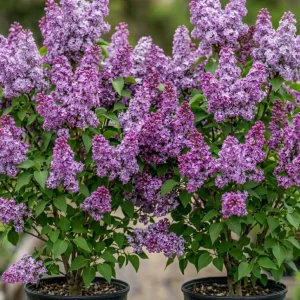
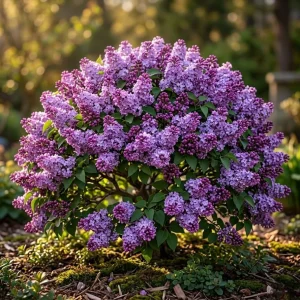
Transform your outdoor space with this exquisite 2-pack of purple lilac live plants. These beautiful Syringa vulgaris plants, commonly known as old-fashioned lilacs, are renowned for their captivating fragrance and abundant clusters of rich purple blooms. Each live plant arrives established in a 4-inch pot, standing 6-12 inches tall, and is ready for immediate transplanting into your garden or landscape. Ideal for creating a stunning focal point, a fragrant border, or an elegant privacy screen, these lilacs promise to add timeless charm and a sensory delight to any setting. Experience the joy of spring with these classic bushes, which may even offer a delightful rebloom later in the season, extending their vibrant display.
Our purple lilac live plants are carefully cultivated to ensure healthy growth and vigorous flowering. The Syringa genus is celebrated for its hardiness and ease of care, making these shrubs a fantastic choice for both seasoned gardeners and those new to planting. Imagine the sweet perfume wafting through your yard as these magnificent blooms unfold, attracting pollinators and delighting passersby. These robust plants are perfect for adding structure and color to your perennial beds, or for simply enjoying their beauty in a large decorative container on your patio. With proper care, these lilacs will thrive and become cherished additions to your outdoor living space for many years to come.
Key Benefits
Investing in these purple lilac live plants offers a multitude of benefits for your garden and well-being. Their striking appearance and delightful aroma make them a beloved choice for any landscape:
- Stunning Fragrance: Enjoy the iconic, sweet scent of purple lilac blooms that fills the air each spring, creating a truly immersive and pleasant garden experience. This classic aroma is a hallmark of the old fashioned lilac bush.
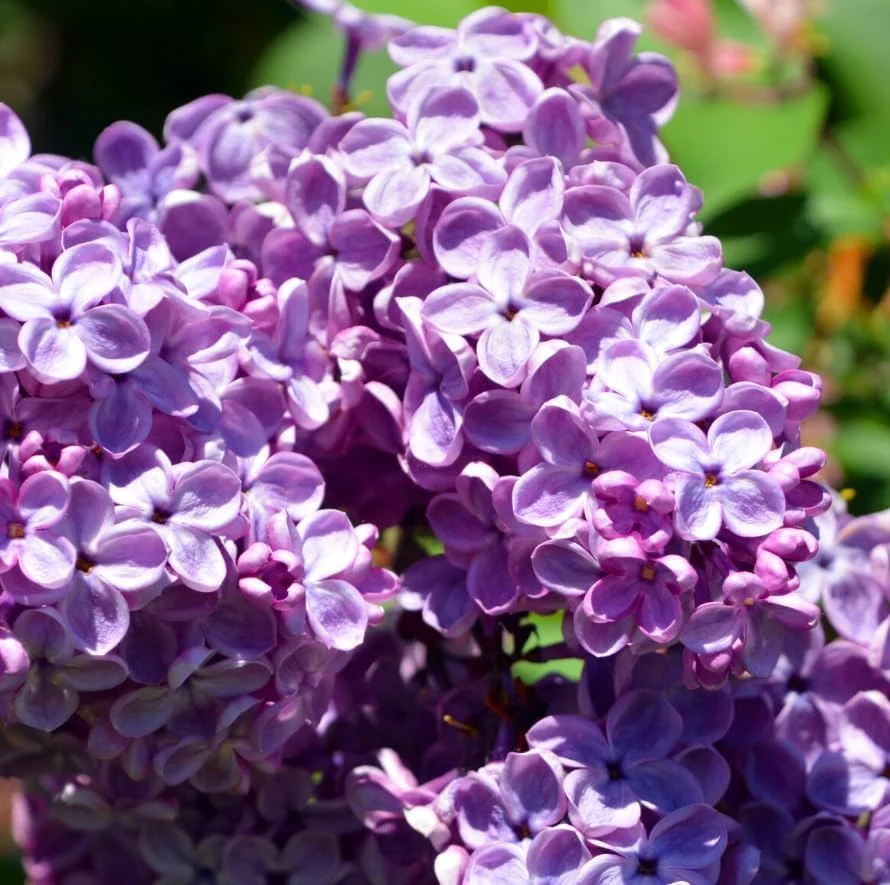
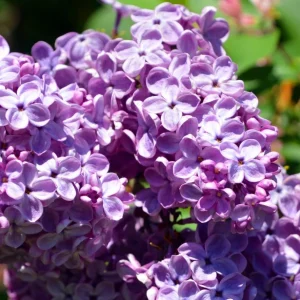
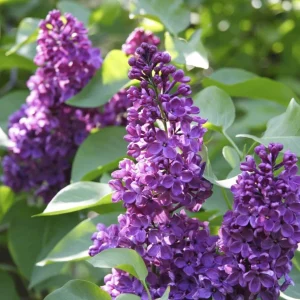
- Vibrant Purple Blooms: Produces abundant clusters of rich, deep purple flowers that add a splash of beautiful color and elegance to your garden beds, borders, or as a standalone specimen.
- Potential for Reblooming: While primarily a spring bloomer, these Syringa plants may surprise you with a second flush of flowers later in the season, extending their decorative appeal and fragrance. This makes them a truly rewarding reblooming lilac plant.
- Low Maintenance: Once established, these lilac bushes are remarkably low-maintenance, requiring minimal fuss to thrive. They are tolerant of various soil conditions and are generally pest and disease resistant.
- Attracts Pollinators: The fragrant flowers are a magnet for bees, butterflies, and other beneficial pollinators, contributing to the biodiversity and health of your garden ecosystem.
- Versatile Landscaping: Perfect for use as a specimen plant, in mixed borders, as a fragrant hedge, or even grown in large containers on patios and decks. Its adaptability makes it a great choice for various garden designs.
- Durable & Hardy: These vigorous plants are known for their resilience, adapting well to a wide range of climates and providing long-lasting beauty with proper care.
Plant Care & Growing Tips
Caring for your purple lilac live plants is straightforward, ensuring years of beautiful blooms and fragrance. These resilient shrubs thrive with a few key considerations. For optimal flowering, lilacs require at least six hours of direct sunlight per day. Choose a location in your garden that receives full sun exposure. While they can tolerate partial shade, too little sun will result in fewer flowers. Ensure the planting site has good air circulation to help prevent fungal issues.
When it comes to watering, newly planted lilacs need consistent moisture to establish their root systems. Water deeply two to three times a week for the first growing season, especially during dry spells. Once established, lilacs are quite drought-tolerant and generally only need watering during extended periods of dry weather. They prefer well-drained soil; avoid heavy, waterlogged conditions which can lead to root rot. A slightly alkaline to neutral soil pH is ideal. Amend heavy clay soils with organic matter to improve drainage.
Fertilize your old fashioned lilac bush in early spring with a balanced slow-release fertilizer or a fertilizer specifically formulated for flowering shrubs. Avoid high-nitrogen fertilizers, which can promote leafy growth at the expense of flowers. Pruning is best done immediately after the spring bloom, as lilacs form flower buds on old wood. Remove spent flowers to encourage a potential rebloom and prune out any dead, damaged, or crossing branches to maintain good air circulation and shape. Regular pruning can also help rejuvenate an older syringa tree for sale. Lilacs are generally hardy in USDA zones 3-7 but can adapt to a wider range with proper siting and care. Be mindful of common lilac problems like powdery mildew, which can be managed with good air circulation and appropriate fungicides if necessary.
Size & Details
This offering includes two healthy purple lilac live plants, each standing approximately 6-12 inches tall from the top of the soil. They are shipped established in 4-inch nursery pots, providing a robust root system ready for transplanting. These young plants are at an ideal stage for establishing quickly in your garden, landscape bed, or a larger decorative container. Expect a moderate growth rate, with these bushes typically reaching a mature height of 8-15 feet and a spread of 6-12 feet over several years, depending on growing conditions and pruning.
Your reblooming lilac plant will arrive with its roots protected and moist, ensuring a smooth transition to its new home. During winter months, lilacs naturally enter dormancy, so plants may arrive without leaves and appear dormant. This is a normal and healthy state, indicating the plant is conserving energy for vigorous spring growth. With proper care, you can anticipate seeing the first fragrant clusters of fragrant lilac flowers in the spring following planting, with the plant maturing and increasing its bloom production each subsequent year.
Frequently Asked Questions
- Q: How big do these purple lilac live plants get? A: These plants are currently 6-12 inches tall in their pots. At maturity, an old fashioned lilac bush can typically reach 8-15 feet tall and 6-12 feet wide, depending on growing conditions and pruning practices.
- Q: What size pot does it come in? A: Each purple lilac live plants comes established in a 4-inch nursery pot, providing a strong root system ready for transplanting into your garden or a larger container.
- Q: Is this an indoor or outdoor plant? A: Lilac bushes are outdoor plants. They require full sun and the natural cycles of outdoor weather to thrive and produce their iconic blooms. They are not suitable for long-term indoor cultivation.
- Q: How much sunlight does it need? A: For the best flowering, your syringa tree for sale needs at least 6 hours of direct sunlight per day. Full sun exposure is crucial for abundant and vibrant blooms.
- Q: Is this plant easy to care for? A: Yes, once established, these reblooming lilac plant varieties are considered low-maintenance. They are hardy and tolerate a range of conditions, making them suitable for gardeners of all experience levels.
- Q: What condition will it arrive in? A: Your lilacs will arrive as live plants with their roots protected. During winter, they will arrive dormant and leafless, which is completely normal and healthy, indicating they are ready for spring growth.
- Q: Is it shipped in soil? A: Yes, each plant is shipped actively growing in its 4-inch nursery pot with soil, ensuring its health and stability during transit.
- Q: How long until it blooms? A: You can typically expect your purple lilac live plants to start producing fragrant lilac flowers in the spring following planting, with bloom production increasing as the plant matures in subsequent years.
- Q: When is the best time to plant? A: The best time to plant these lilacs is in spring or early fall. This allows the roots to establish before the extremes of summer heat or winter cold.
- Q: Will it survive winter in my zone? A: These lilac bushes are generally hardy in USDA Zones 3-7. If you are outside this range, check local gardening advice for specific care recommendations to ensure winter survival.


Reviews
There are no reviews yet.