Overview
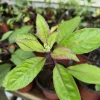
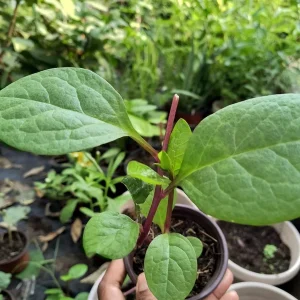
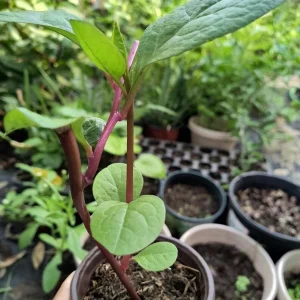
Bring the joy of fresh, organic greens to your garden with this vibrant purple malabar spinach live plant. Known botanically as Basella alba ‘Rubra’, this edible vine is a fantastic alternative to traditional spinach, especially in warmer climates where common spinach struggles. Unlike its cool-weather counterpart, Malabar spinach thrives in heat and humidity, making it a robust and rewarding addition to any edible garden. This particular variety features striking purple stems and veins, adding ornamental appeal alongside its culinary value. Whether you’re an experienced gardener or just starting, growing an organic malabar spinach plant offers a continuous supply of nutrient-rich leaves for salads, stir-fries, and more. It’s a vigorous climber, perfect for trellises, fences, or even as a ground cover, providing both beauty and bounty.
Key Benefits
The purple malabar spinach live plant offers a multitude of benefits, combining aesthetic appeal with significant nutritional value and ease of growth:
- Nutrient-Rich Leaves: Malabar spinach is packed with vitamins A and C, iron, and calcium, making it a highly nutritious addition to your diet. Its leaves are tender and slightly succulent, offering a mild, earthy flavor.
- Heat Tolerant: Unlike many leafy greens that bolt in summer, this plant thrives in hot, humid conditions, providing a steady harvest when other greens are scarce. This makes it an excellent choice for southern climates or summer gardening.
- Vigorous Growth: As a fast-growing vine, it quickly establishes itself and can produce an abundant yield throughout the growing season. This ensures a continuous supply of fresh leaves for your kitchen.
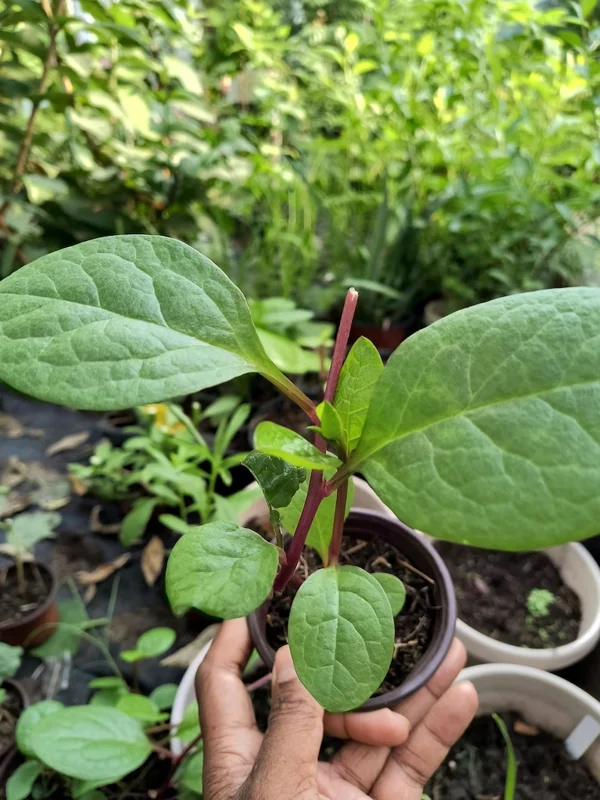
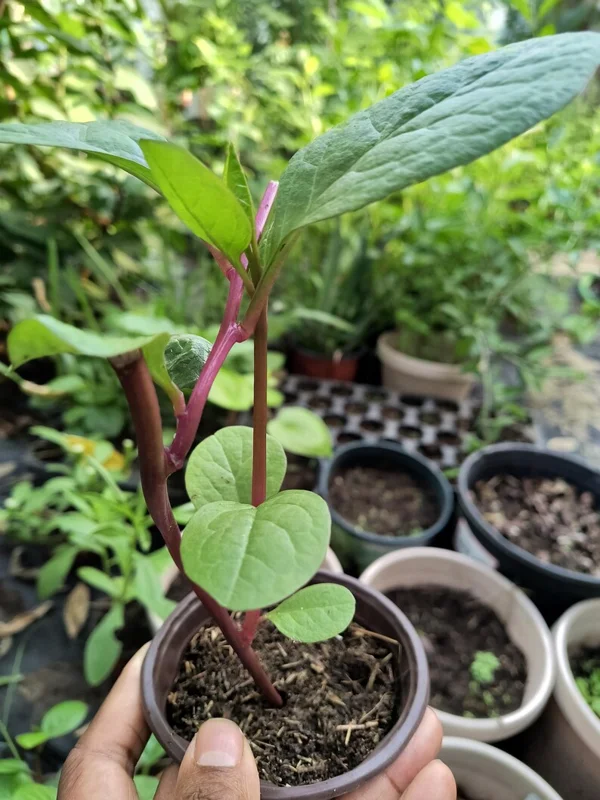
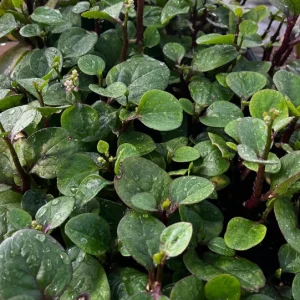
- Ornamental Value: The beautiful purple stems and glossy green leaves with purple veins make it an attractive plant for edible landscaping. It can be grown on trellises, arbors, or in hanging baskets, adding a unique visual element.
- Versatile Culinary Use: The leaves and young shoots can be used raw in salads, cooked like traditional spinach in stir-fries, soups, or curries, or added to smoothies for a nutritional boost.
- Easy to Grow: This resilient plant is relatively low-maintenance, requiring consistent moisture and support for its vining habit. It’s a great option for both beginner and experienced gardeners looking for an easy-to-grow edible.
- Supports Organic Gardening: By growing your own organic malabar spinach, you ensure that your produce is free from pesticides and chemicals, contributing to a healthier lifestyle and sustainable gardening practices.
Plant Care & Growing Tips
Caring for your purple malabar spinach live plant is straightforward, especially given its resilience and adaptability to warm climates. For optimal growth, provide it with plenty of sunlight. It thrives in full sun, meaning at least 6-8 hours of direct sunlight per day, but can tolerate partial shade, especially in the hottest afternoon hours. When grown indoors, place it near a south-facing window or under grow lights to ensure adequate light exposure. This vine appreciates consistent moisture, so water regularly, especially during dry spells. The soil should remain consistently moist but not waterlogged. Good drainage is crucial to prevent root rot, so ensure your pot or garden bed has excellent drainage.
The ideal soil for malabar spinach plant care is rich, well-draining, and high in organic matter. A good quality potting mix amended with compost works well for container growing. In garden beds, incorporate plenty of compost or well-rotted manure before planting. Malabar spinach is a tropical plant and prefers warm temperatures, typically thriving in USDA Zones 9-11. It can be grown as an annual in cooler zones, as it is sensitive to frost. Fertilize every 2-4 weeks with a balanced liquid fertilizer or a compost tea to support its vigorous growth and consistent leaf production. Provide a trellis, stake, or other support structure early on, as the vine can grow quite long. Pinch back growing tips to encourage bushier growth and prevent it from becoming too leggy. Watch out for common pests like aphids or spider mites, which can be managed with organic insecticidal soap if needed. This easy-to-grow edible spinach vine is generally quite pest-resistant.
Size & Details
This offering is for a healthy purple malabar spinach live plant, typically measuring 4-6 inches in height when shipped, nestled in a 4-inch nursery pot. As a rapid grower, it will quickly begin to vine and can reach lengths of 6-10 feet or more in a single growing season if provided with adequate support and conditions. The leaves are typically 2-4 inches long, heart-shaped, and succulent. It will begin producing harvestable leaves within a few weeks of planting. This plant is shipped in its nursery pot with soil, ensuring minimal transplant shock and a smooth transition to your garden or larger container. Expect a continuous harvest from late spring through fall in most regions, providing a steady supply of fresh, nutritious greens. This specific variety, sometimes referred to as basella alba rubra, is prized for its attractive purple stems.
Frequently Asked Questions
- Q: How big does this plant get? A: The purple malabar spinach live plant is a vigorous vine that can reach lengths of 6-10 feet or more in a single growing season when provided with adequate support. Its spread can vary depending on how it’s trellised or allowed to ramble.
- Q: What size pot does it come in? A: This plant is shipped in a 4-inch nursery pot, with the plant itself typically measuring 4-6 inches tall upon arrival. You’ll want to transplant it into a larger pot or garden bed soon after receiving it to allow for growth.
- Q: Is this an indoor or outdoor plant? A: While it thrives outdoors in warm climates (USDA Zones 9-11) as an annual or perennial, it can also be grown indoors as a houseplant, especially in cooler regions. Ensure it receives plenty of bright light if kept indoors.
- Q: How much sunlight does it need? A: For best growth and production, Malabar spinach prefers full sun, which means 6-8 hours of direct sunlight daily. It can tolerate partial shade, especially in areas with intense afternoon sun, but may produce fewer leaves.
- Q: Is this plant easy to care for? A: Yes, malabar spinach plant care is considered relatively easy. It’s a heat-loving and vigorous plant that requires consistent watering, good drainage, and a support structure for its vining habit.
- Q: Can I use purple malabar spinach in cooking? A: Absolutely! The leaves and young shoots of this edible spinach vine are excellent in salads, stir-fries, soups, curries, and smoothies. They have a mild, slightly peppery flavor and a succulent texture.
- Q: How long until it produces harvestable leaves? A: You can typically start harvesting leaves from your organic malabar spinach plant within a few weeks of planting, once the plant has established itself and started actively growing.
- Q: What condition will it arrive in? A: Your live plant will arrive carefully packaged in its nursery pot with soil, designed to protect it during transit and ensure it reaches you in healthy, ready-to-plant condition.
- Q: Will it survive winter in my zone? A: In USDA Zones 9-11, it can survive as a perennial. In cooler zones, it is typically grown as an annual and will die back with the first frost. You can save seeds or take cuttings to overwinter indoors.
- Q: Is it good for beginners? A: Yes, Malabar spinach is an excellent choice for beginner gardeners due to its vigorous growth, heat tolerance, and relatively low maintenance requirements. It’s a very forgiving and rewarding plant to grow.


Reviews
There are no reviews yet.