Overview
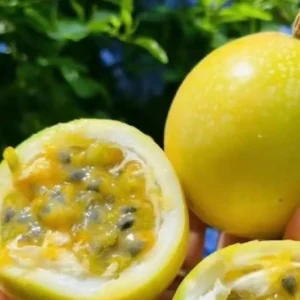
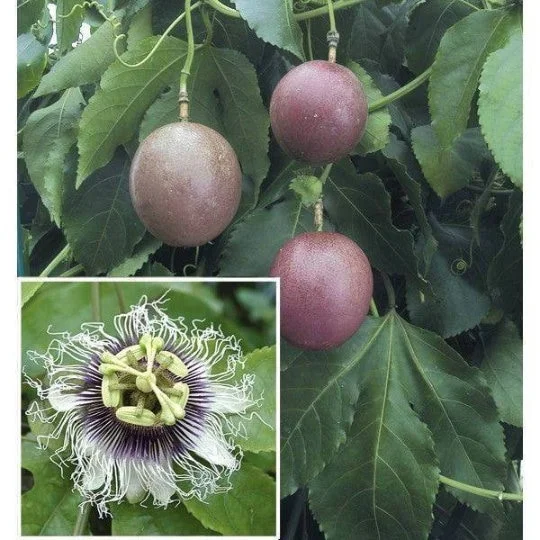
Embark on a delightful gardening journey with the purple passion fruit live plant. This exquisite vine, scientifically known as Passiflora edulis, is renowned for its captivating beauty and the bounty of its flavorful fruit. Originating from South America, passion fruit has become a beloved addition to gardens worldwide, cherished for its unique taste and aromatic qualities. Our live plant arrives ready to thrive, offering you the chance to cultivate your own supply of this tropical delicacy. The ‘Purple Possum’ variety, specifically mentioned, is celebrated for its strong, vigorous growth habits, making it an excellent choice for both novice and experienced gardeners. Beyond its culinary appeal, the plant boasts attractive, intricate flowers that are a spectacle in themselves, adding an exotic touch to any outdoor space or even a large container garden. With proper care, this plant will not only provide a continuous harvest of sweet, tangy fruit but also serve as a stunning ornamental feature.
This particular purple passion fruit live plant is a self-pollinating variety, which means you won’t need multiple plants to ensure fruit production – a significant advantage for home gardeners. It’s an ideal choice for those looking to add a touch of the tropics to their landscape, whether in a garden bed, against a trellis, or even in a spacious hanging basket. The plant’s adaptability and relatively easy care make it a rewarding project, promising delicious rewards in the form of its signature purple fruit. Get ready to enjoy the vibrant flavors and impressive growth of this remarkable vine.
Key Benefits
The purple passion fruit live plant offers a multitude of benefits, transforming your garden into a productive and beautiful oasis. Its unique characteristics make it a standout choice for any plant enthusiast.
- Delicious Fruit Production: Enjoy a consistent supply of sweet, tangy, and aromatic purple passion fruit, perfect for fresh eating, desserts, or beverages. Harvesting your own fruit ensures peak freshness and flavor.
- Attractive Ornamental Value: Beyond its fruit, the plant produces stunning, intricate, frilly-edged flowers that are a visual delight. These unique blooms add an exotic and tropical aesthetic to your garden or patio.
- Self-Pollinating Convenience: This variety is self-fertile, meaning you only need one plant to produce fruit. This simplifies the growing process and guarantees a bountiful harvest without the need for cross-pollination.
- Vigorous Growth Habit: Known for being a strong and vigorous grower, especially during warmer months, this plant quickly establishes itself and covers trellises or supports, providing lush foliage and fruit.
- Versatile Growing Options: The purple passion fruit live plant can be grown in the ground, in large containers, or even trained as a hanging basket plant. Its flexible nature allows it to adapt to various garden designs and spaces.
- Easy to Grow for Beginners: With its self-pollinating nature and robust growth, this passion fruit vine is relatively low-maintenance, making it an excellent choice for gardeners of all experience levels looking to try growing passion fruit.
- Health Benefits of Fruit: Passion fruit is packed with vitamins, antioxidants, and fiber, contributing to a healthy diet. Enjoying homegrown fruit adds a nutritious boost to your daily intake.
Plant Care & Growing Tips
Caring for your purple passion fruit live plant is a rewarding experience that yields delicious results. This vigorous vine thrives with consistent attention to its specific needs regarding sunlight, water, soil, and support. For optimal growth and fruit production, provide full sun exposure, ideally 6-8 hours of direct sunlight per day. In very hot climates, a little afternoon shade can prevent leaf scorch. This plant is well-suited for outdoor cultivation in warmer USDA zones, typically 9–11, where it can be grown as a perennial. In cooler climates, it can be grown in containers and brought indoors during winter or treated as an annual.
Watering should be consistent, especially during dry periods and while the plant is actively flowering and fruiting. The soil should be kept consistently moist but never waterlogged, as this can lead to root rot. A good rule of thumb is to water deeply when the top inch of soil feels dry to the touch. The plant prefers well-draining soil with a slightly acidic to neutral pH. Incorporating organic matter like compost can improve soil structure and fertility. Fertilize regularly during the growing season (spring through summer) with a balanced fertilizer, or one slightly higher in phosphorus and potassium to encourage flowering and fruiting. Reduce fertilization in fall and winter. Provide strong support such as a trellis, arbor, or sturdy stake, as the vine can grow quite long and heavy with fruit. Periodically train the wandering vines by wrapping them around the support structure to encourage even growth and fruit distribution. Pruning can be done to manage size, remove dead or diseased branches, and encourage new growth.
Common pests like aphids or spider mites can sometimes affect passion fruit. Regular inspection and appropriate organic pest control methods can keep these issues at bay. Ensure good air circulation around the plant to prevent fungal diseases. With proper care, your passiflora edulis will flourish, providing a continuous supply of beautiful flowers and delectable fruit. Understanding the specific needs for passion fruit care is key to a successful harvest.
Size & Details
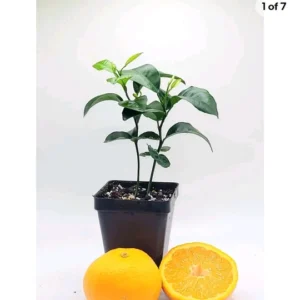
This purple passion fruit live plant is supplied as a thriving specimen, typically standing 1 to 2 feet Tall from the base of the plant to the tip of its tallest vine. It is shipped securely in a 6 inch Pot, complete with established roots and ready for transplanting into its permanent location. The ‘Purple Possum’ variety is known for its strong, vigorous growth, and with adequate support, it can reach impressive lengths, often exceeding 15-20 feet in a single growing season under ideal conditions. While it is a fast-growing vine, the exact growth rate will depend on local climate, soil conditions, and care. Expect fruit production to begin within 1-2 years of planting, with the potential for multiple harvests throughout the warmer months. The plant will continue to grow and produce for many years, becoming a long-term asset to your garden. This plant is perfect for those interested in a robust, fruit-bearing vine that offers both aesthetic beauty and culinary rewards.
Frequently Asked Questions
- Q: How big does this plant get? A: This purple passion fruit live plant typically grows 15-20 feet long when mature, especially with proper support. It’s a vigorous vine that can quickly cover a trellis or arbor, providing lush foliage and abundant fruit.
- Q: What size pot does it come in? A: The plant arrives in a sturdy 6 inch Pot, providing a healthy root system for immediate transplanting. For long-term container growth, we recommend moving it to a 10-gallon pot or larger.
- Q: Is this an indoor or outdoor plant? A: This passion fruit vine thrives outdoors in USDA Zones 9–11. In colder climates, it can be grown in a large container and brought indoors during the winter months, or treated as an annual.
- Q: How much sunlight does it need? A: For best performance and abundant fruit, the purple passion fruit live plant requires full sun, meaning at least 6-8 hours of direct sunlight per day. Adequate light is crucial for fruit development.
- Q: Is this plant easy to care for? A: Yes, this ‘Purple Possum’ variety is known for being a strong and vigorous grower, making growing passion fruit relatively easy. It’s self-pollinating and adaptable, suitable for gardeners of all skill levels.
- Q: What condition will it arrive in? A: Your fruit bearing vine will arrive as a healthy, well-rooted live plant, carefully packaged to ensure its safety during transit. It will be ready for planting upon arrival.
- Q: How long until it blooms and fruits? A: Under optimal conditions, you can expect this plant to start blooming and producing fruit within 1-2 years of planting. Established plants will typically fruit throughout the warmer seasons.
- Q: Will it survive winter in my zone? A: This passion fruit is best suited for warmer climates (USDA Zones 9–11) where it can survive mild winters. In colder zones, it needs protection from frost or should be grown in containers and moved indoors.
- Q: What kind of support does it need? A: As a climbing vine, your passiflora edulis will require robust support such as a trellis, arbor, fence, or sturdy stake. It uses tendrils to climb and will benefit from guidance.
- Q: Can it be grown in a hanging basket? A: With a little encouragement and periodic wrapping of its wandering vines, this passion fruit can indeed make a fine hanging basket specimen, allowing its fruit to dangle attractively.


Reviews
There are no reviews yet.