Overview
Embark on a delightful gardening journey with the purple passion fruit live plant, specifically the ‘Possum’ variety of Passiflora edulis. This vigorous and fast-growing vine is celebrated for its dual appeal: producing an abundance of delicious, aromatic fruit and showcasing striking, exotic flowers. Originating from tropical and subtropical regions, the Passiflora edulis vine brings a touch of the exotic to any garden. The ‘Possum’ variety is particularly valued for its self-fertile nature, meaning you typically only need one plant to start enjoying its bounty. This makes it an ideal choice for both novice and experienced gardeners eager to cultivate their own tropical fruit.
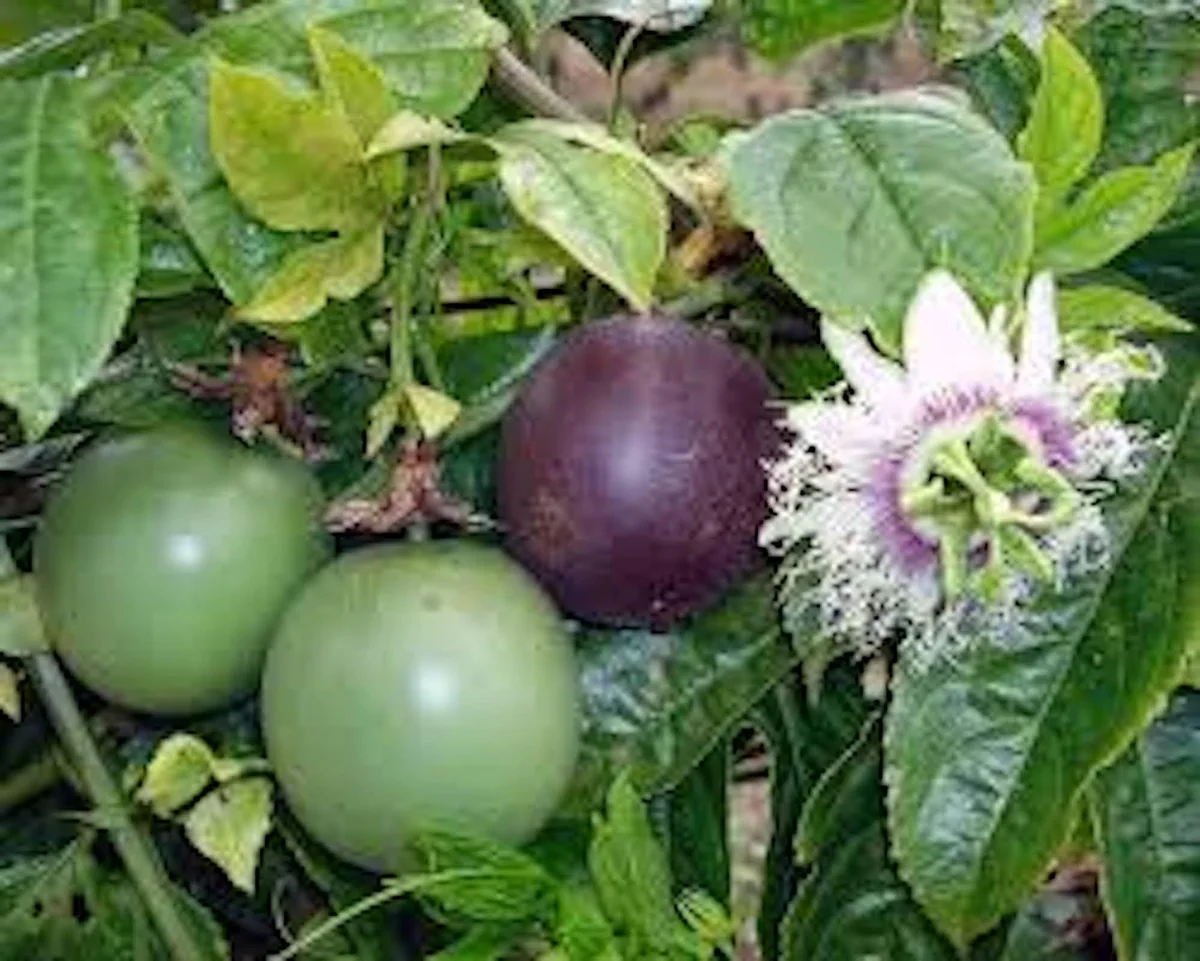
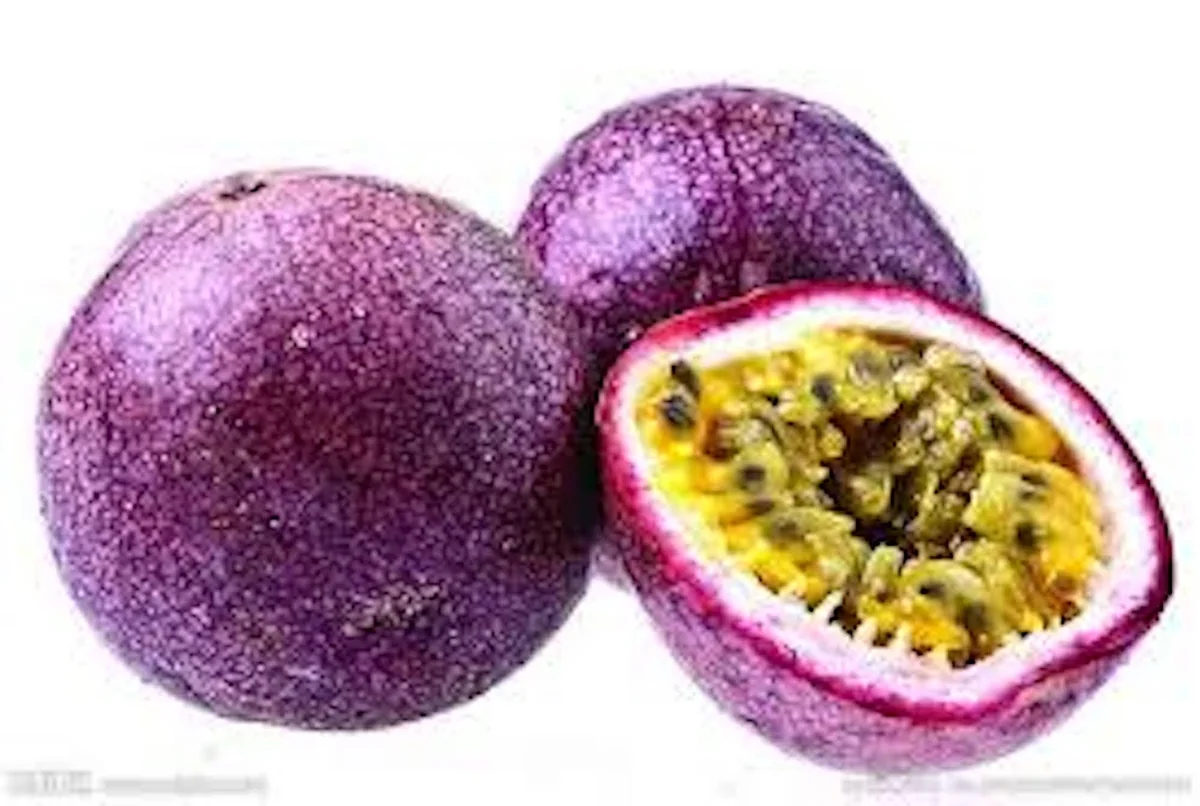
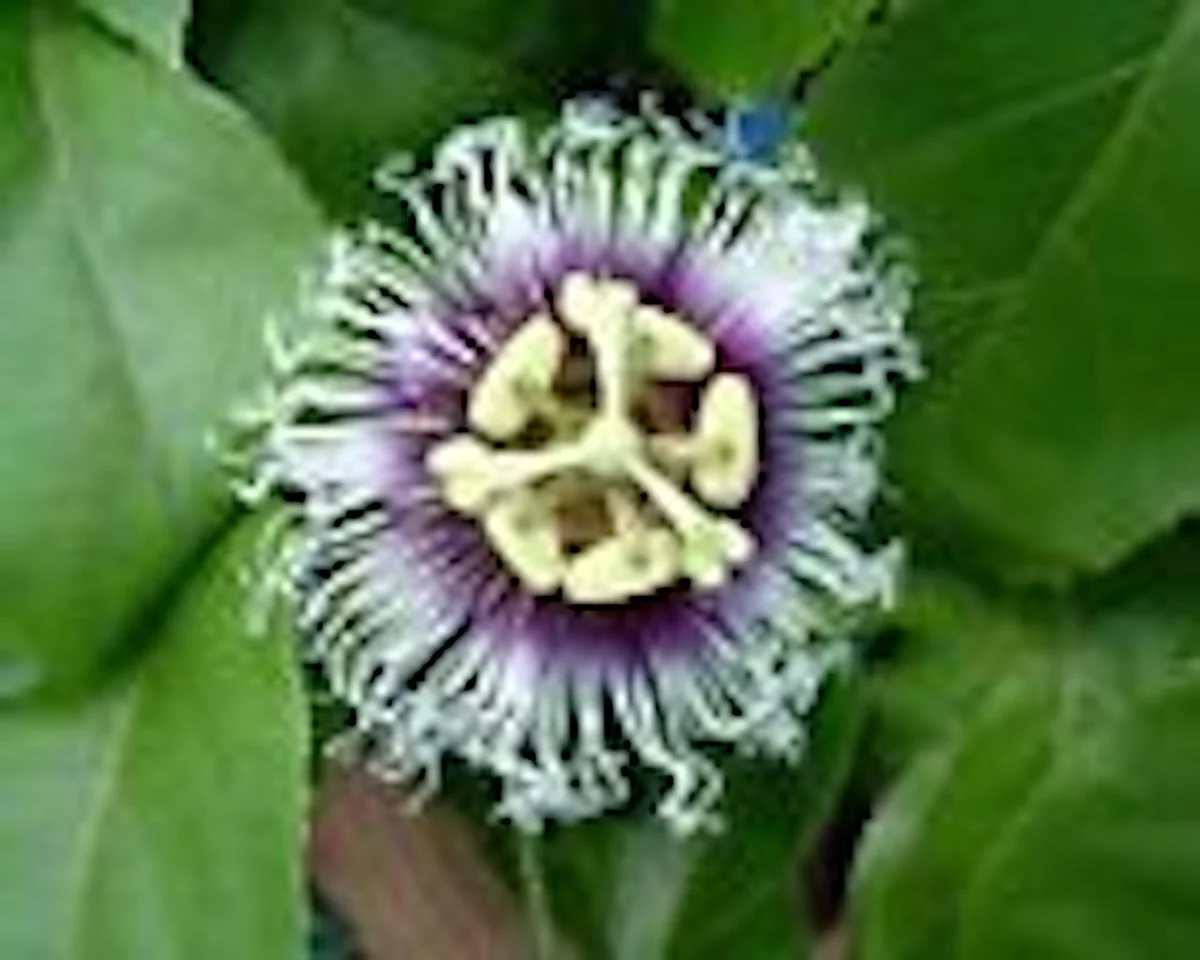
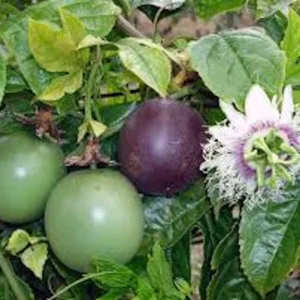
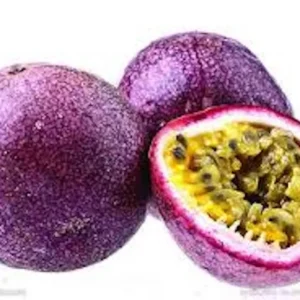
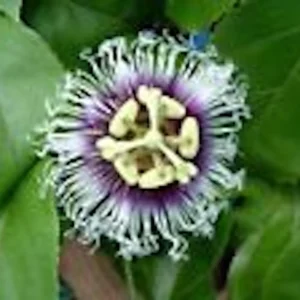
The fruit itself is round, with a distinctive purple or sometimes yellow-skinned exterior, encasing a tangy, sweet, and incredibly aromatic pulp. This pulp is highly versatile, enjoyed fresh, in refreshing drinks, decadent desserts, or savory sauces. Beyond its culinary contributions, the purple passion fruit live plant also boasts large, showy flowers with an intricate structure, displaying beautiful purple, blue, and white hues. These stunning blooms are not only a visual treat but also attract beneficial pollinators like bees and butterflies, contributing to a vibrant garden ecosystem. Our plants are shipped as healthy starter plants, ready to be established in your garden.
Key Benefits
Adding a purple passion fruit live plant to your garden offers numerous advantages, blending aesthetic beauty with practical yield. This remarkable vine provides a continuous source of enjoyment and utility for gardeners.
- Delicious, Aromatic Fruit: Enjoy a consistent supply of tangy, sweet, and highly aromatic fruit right from your backyard. The unique flavor of the self-fertile passion fruit is perfect for fresh eating, juices, and culinary creations.
- Stunning Ornamental Flowers: The intricate, vibrant purple, blue, and white flowers are a true spectacle, adding an exotic and beautiful element to your garden landscape.
- Attracts Pollinators: The showy blossoms are a magnet for bees and butterflies, supporting local pollinator populations and enhancing garden biodiversity.
- Vigorous Growth & Coverage: As a fast-growing vine, it quickly covers trellises, fences, or arbors, providing lush greenery and natural shade.
- Self-Fertile Variety: The ‘Possum’ variety is self-fertile, simplifying the growing process as you don’t need multiple plants for fruit production. This makes growing passion fruit more accessible.
- Rewarding & Productive: With proper care, this plant can bear fruit for several seasons, offering a long-term, rewarding gardening experience.
- Low Maintenance Once Established: After its initial establishment, the passion fruit plant care requirements are relatively straightforward, making it a good choice for busy gardeners.
Plant Care & Growing Tips
For optimal growth and fruit production from your purple passion fruit live plant, understanding its specific care requirements is crucial. This vigorous vine thrives under certain conditions that mimic its native tropical environment. Firstly, sunlight is paramount; passion fruit vines require full sun, meaning at least 6-8 hours of direct sunlight per day. In extremely hot climates, some afternoon shade can be beneficial to prevent scorching, but generally, more sun equals more fruit. Ensure your chosen planting site receives ample light throughout the day.
When it comes to watering, consistency is key, especially during flowering and fruiting periods. The soil should be kept consistently moist but never waterlogged. Allow the top inch or two of soil to dry out slightly between waterings. Good drainage is essential, as saturated soil can lead to root rot. For soil type, a rich, well-drained loam with a slightly acidic to neutral pH (6.0-7.0) is ideal. Amending heavy clay soils with organic matter like compost or sand can significantly improve drainage and structure. The Passiflora edulis vine is sensitive to frost, making it best suited for USDA hardiness zones 9-11. If you live in a colder zone, consider growing it in a container that can be moved indoors during winter.
Fertilization should begin once the plant is established and actively growing. Use a balanced fertilizer (e.g., 10-10-10) every 4-6 weeks during the growing season. Reduce nitrogen once flowering begins to encourage fruit set, switching to a fertilizer higher in phosphorus and potassium. Common problems include nutrient deficiencies, which can be addressed with appropriate fertilization, and pests like aphids or spider mites, which can typically be managed with horticultural soap or neem oil. Providing a sturdy trellis or support structure is vital, as the vine can grow 10-15 feet or more, ensuring proper air circulation and fruit development. Following these passion fruit plant care guidelines will lead to a thriving and productive plant.
Size & Details
This offering includes purple passion fruit live plant starter plants. Each plant is a young, healthy specimen, typically shipped bare root to ensure minimal stress during transit and ease of establishment upon arrival. While exact dimensions may vary slightly depending on the growth stage at the time of shipping, these starter plants are generally well-rooted and ready for immediate planting. The ‘Possum’ variety is known for its robust growth, with vines capable of reaching lengths of 10-15 feet or more in a single growing season once established. They are indeterminate growers, meaning they will continue to grow and produce as long as conditions are favorable.
Expect the vine to begin flowering and fruiting within 1-2 years of planting, with production increasing significantly in subsequent years. The fruit typically matures in late summer to fall, depending on your climate and planting time. These plants are ideal for training on trellises, fences, pergolas, or any sturdy support structure, providing both an abundant harvest and attractive foliage. While they are sensitive to frost, their rapid growth rate in warm climates makes them a highly rewarding addition to any garden looking to cultivate delicious, home-grown fruit.
Frequently Asked Questions
- Q: How big does this purple passion fruit live plant get? A: The Passiflora edulis vine is a vigorous grower and can reach lengths of 10-15 feet or more, especially when provided with a strong trellis or support structure to climb. Its spread can be managed with regular pruning.
- Q: Is this an indoor or outdoor plant? A: This passion fruit vine is primarily an outdoor plant, thriving in full sun and warm climates. It is best suited for USDA hardiness zones 9-11. In colder zones, it can be grown in containers and brought indoors during winter.
- Q: How much sunlight does it need? A: For optimal growth and fruit production, the purple passion fruit live plant requires at least 6-8 hours of direct full sun per day. Adequate sunlight is crucial for flowering and fruit development.
- Q: Is this plant easy to care for? A: Once established in suitable conditions, passion fruit vines are relatively low-maintenance. Key aspects of passion fruit plant care include consistent watering, good drainage, and regular fertilization during the growing season.
- Q: What condition will it arrive in? A: Our starter plants are typically shipped bare root, meaning they are carefully packaged without soil or a pot. This method minimizes transplant shock and ensures the plant arrives healthy and ready for planting.
- Q: How long until it blooms and fruits? A: You can typically expect your self-fertile passion fruit vine to begin flowering and producing fruit within 1-2 years after planting, with yields increasing as the plant matures.
- Q: Will it survive winter in my zone? A: The ‘Possum’ passion fruit is sensitive to frost and is hardy in USDA zones 9-11. If you live in a colder zone, you will need to provide winter protection or grow it in a container that can be moved indoors.
- Q: What kind of soil does this plant prefer? A: This vine thrives in rich, well-drained soil with a slightly acidic to neutral pH (6.0-7.0). Good drainage is essential to prevent root issues.
- Q: Is this purple passion fruit live plant really self-fertile? A: Yes, the ‘Possum’ variety of Passiflora edulis is known to be self-fertile, meaning a single plant can produce fruit without the need for a second plant for cross-pollination. This simplifies the growing passion fruit process for many gardeners.


Reviews
There are no reviews yet.