Overview
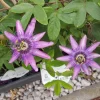
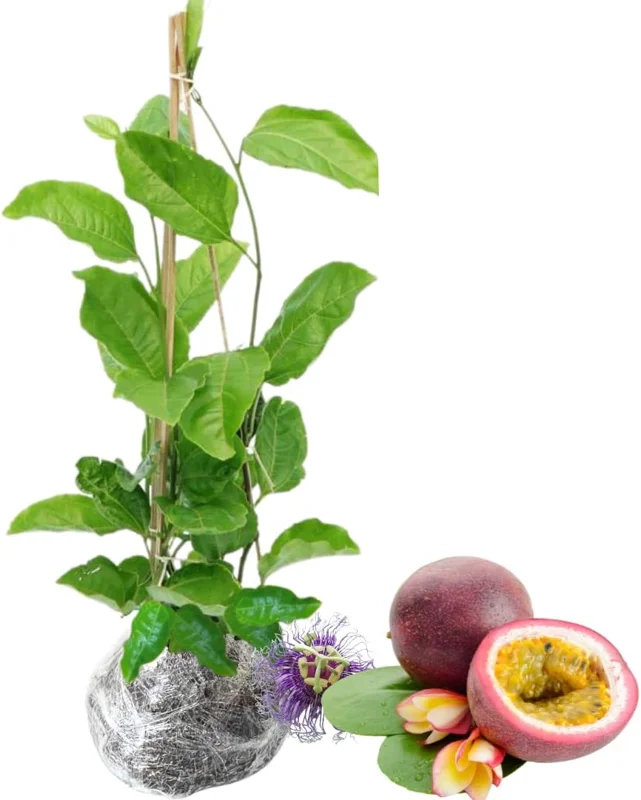
Cultivate your own exotic harvest with this stunning purple passion fruit plant. Known for its intensely aromatic and sweet fruits, the passion fruit vine (Passiflora edulis) is a vigorous grower that adds a touch of the tropics to any garden. This live plant is ready for planting, offering an exciting opportunity to enjoy fresh, homegrown passion fruit. The beautiful purple flowers are not only a visual delight but also attract pollinators, leading to an abundant yield of delicious, round fruits. Perfect for gardeners looking to add a unique and productive element to their outdoor space, this tropical fruit vine thrives with proper care and support.
The purple passion fruit plant is a perennial favorite, celebrated for its robust growth and the delightful flavor of its fruits. Whether you’re an experienced gardener or just starting, growing your own passion fruit can be a highly rewarding experience. The plant’s ability to quickly cover trellises, fences, or arbors makes it an excellent choice for adding vertical interest and shade, all while producing a bountiful crop of sweet fruits. Embrace the joy of fresh, homegrown produce with this easy-to-care-for tropical gem.
Key Benefits
Discover the many advantages of adding a purple passion fruit plant to your landscape, offering both aesthetic appeal and culinary delights.
- Delicious Edible Fruits: Enjoy a continuous supply of sweet, tangy, and aromatic purple passion fruits directly from your garden, perfect for juices, desserts, or fresh eating. Growing your own tropical passion fruit ensures peak freshness and flavor.
- Beautiful Ornamental Blooms: The intricate and vibrant purple flowers are a showstopper, adding exotic beauty to your garden and attracting beneficial pollinators like bees and butterflies.
- Vigorous Growth for Screening: This passion fruit vine is a fast and vigorous grower, making it an excellent choice for quickly covering trellises, arbors, fences, or pergolas, providing natural privacy and shade.
- Perennial Production: As a perennial fruit plant, it will return year after year in suitable climates, providing consistent harvests without the need for annual replanting.
- Relatively Low Maintenance: Once established, passion fruit vines are surprisingly resilient and require moderate care, making them suitable for various gardening skill levels.
- Versatile Culinary Uses: The fruit can be used in a wide array of recipes, from refreshing drinks and cocktails to delicious desserts, jams, and sauces.
- Enhances Garden Biodiversity: The flowers serve as an important nectar source for local wildlife, contributing to a healthier and more vibrant garden ecosystem.
Plant Care & Growing Tips
To ensure your purple passion fruit plant thrives and produces abundant fruit, understanding its specific care requirements is crucial. This tropical vine prefers a warm climate and specific conditions to flourish. For optimal growth, plant your passion fruit in a location that receives full sun, meaning at least 6-8 hours of direct sunlight per day. Adequate sunlight is essential for flower and fruit production. In extremely hot climates, some afternoon shade can be beneficial to prevent scorching, but generally, more sun equals more fruit.
Watering is key, especially during dry spells and when the plant is actively growing and fruiting. Keep the soil consistently moist but never waterlogged. Good drainage is paramount, as soggy roots can lead to root rot. For soil, a well-draining, fertile soil with a pH between 6.0 and 7.0 is ideal. Incorporating organic matter, such as compost, into the planting site will improve soil structure and nutrient availability. Support is also vital for this passion fruit vine; provide a sturdy trellis, fence, or arbor for it to climb. Regular pruning is recommended to manage growth, encourage branching, and improve air circulation, which can also help prevent diseases. Fertilize your perennial fruit plant with a balanced fertilizer during the growing season to support its vigorous growth and fruit development.
Size & Details
This purple passion fruit plant is a live, ready-to-plant specimen, typically shipped in a nursery pot, ensuring it arrives healthy and ready for transplanting into your garden. While specific dimensions can vary, passion fruit vines are known for their rapid growth, quickly reaching lengths of 15 to 20 feet or more when provided with adequate support. The plant is suitable for USDA Hardiness Zones 9-11, where it can be grown as a perennial. In cooler climates, it can be grown in containers and brought indoors during winter or treated as an annual. Expect the vine to start producing its sweet, aromatic fruits within one to two years after planting, with peak production occurring in warmer months. The fruits are typically round to oval, about 2-3 inches in diameter, and ripen to a deep purple color, indicating they are ready to harvest.
Frequently Asked Questions
- Q: How big does this purple passion fruit plant get? A: A purple passion fruit plant is a vigorous vine that can grow quite large, typically reaching lengths of 15 to 20 feet or more. It requires a sturdy support structure like a trellis or fence to climb.
- Q: Is this an indoor or outdoor plant? A: This is primarily an outdoor plant, thriving in warm climates (USDA Zones 9-11). In cooler regions, it can be grown in a container and overwintered indoors to protect it from frost, allowing you to still enjoy tropical passion fruit.
- Q: How much sunlight does it need? A: Your passion fruit vine requires full sun exposure, meaning at least 6-8 hours of direct sunlight daily, to ensure optimal growth and fruit production.
- Q: Is this plant easy to care for? A: Yes, once established, the purple passion fruit plant is relatively easy to care for. It primarily needs consistent watering, full sun, good drainage, and a structure to climb.
- Q: What condition will it arrive in? A: Your plant will arrive as a live, healthy specimen, typically in a nursery pot, carefully packaged to ensure its safe journey and readiness for planting.
- Q: How long until it starts producing fruit? A: You can typically expect your perennial fruit plant to begin producing fruit within one to two years after planting, depending on growing conditions and care.
- Q: Will it survive winter in my zone? A: This plant thrives as a perennial in USDA Zones 9-11. If you are outside these zones, you may need to protect it from frost or grow it as an annual, or bring it indoors during colder months.


Reviews
There are no reviews yet.