Overview
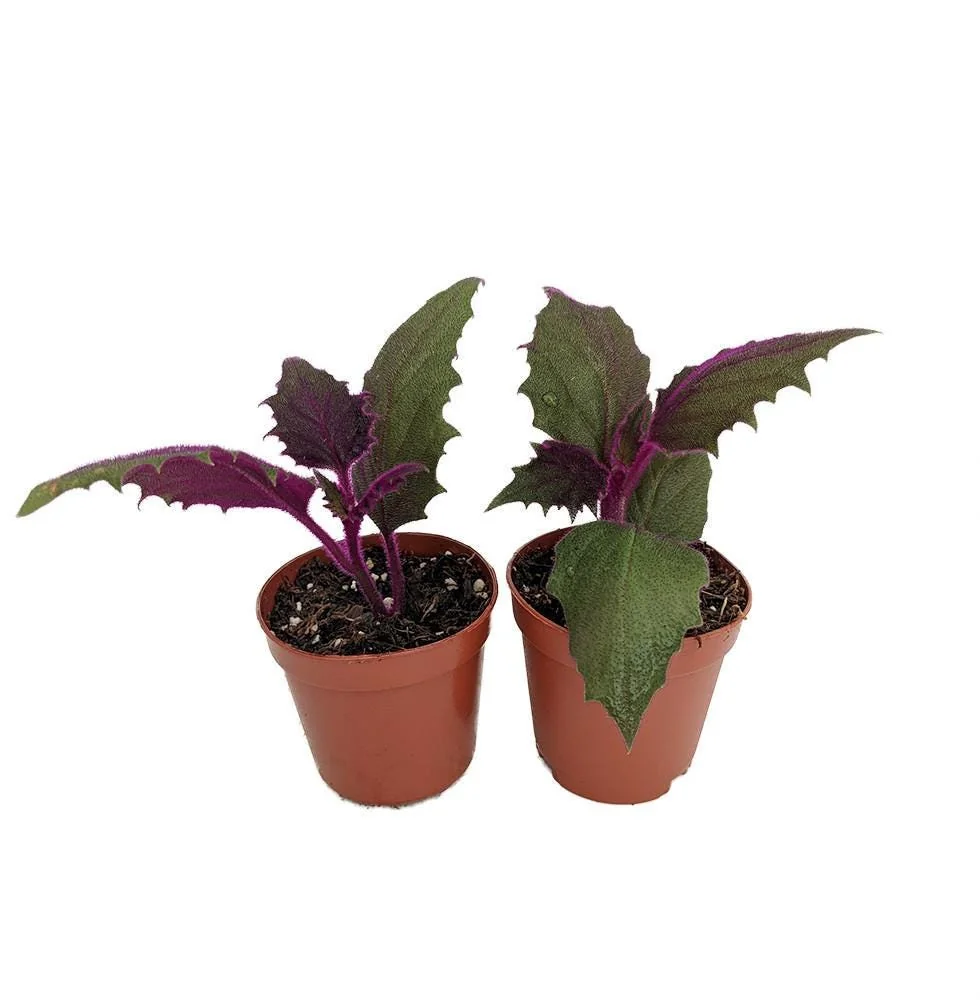
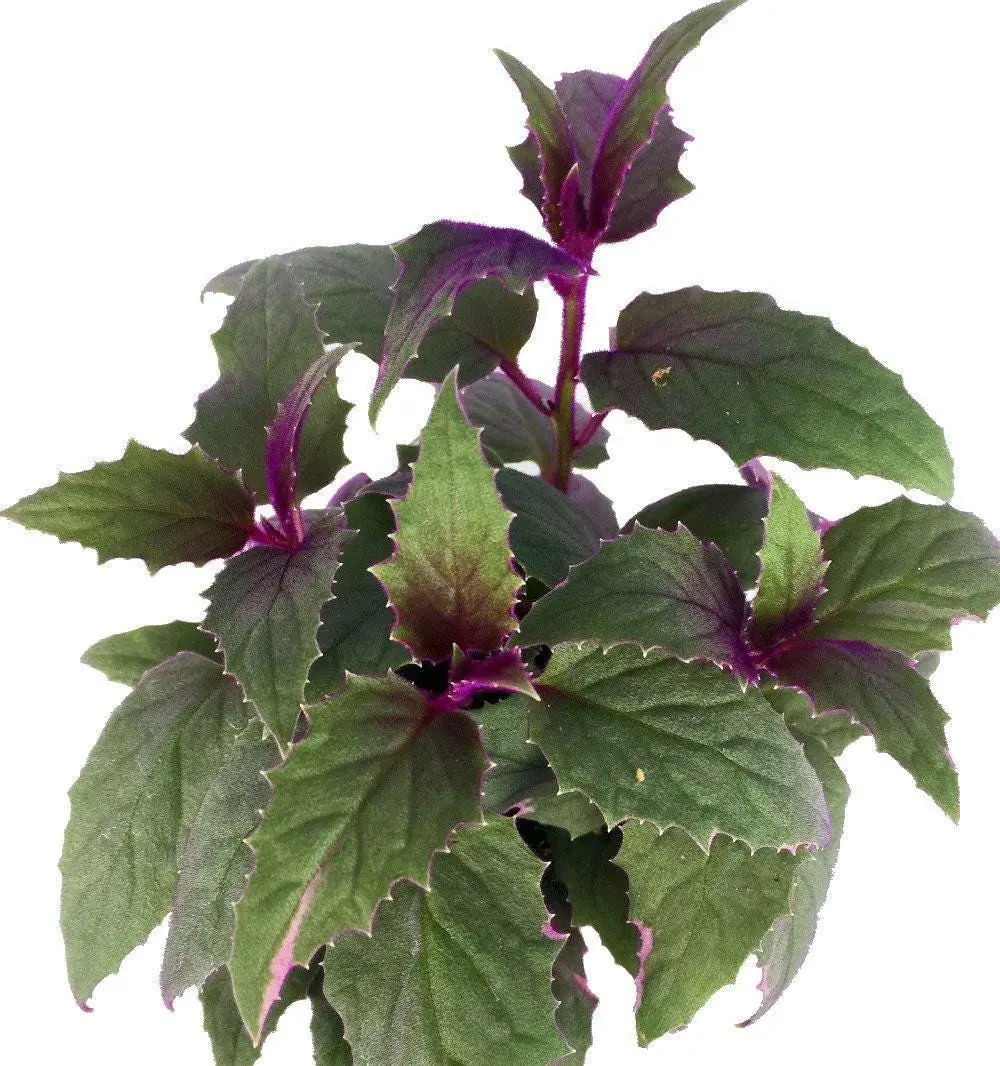
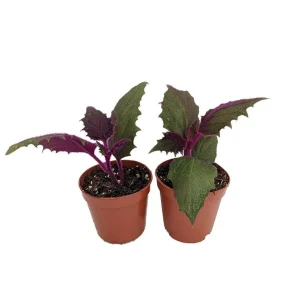
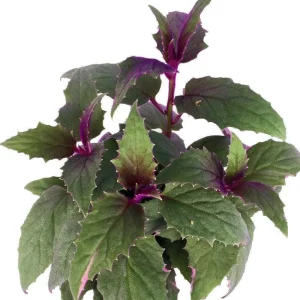
Introduce a touch of exotic beauty to your indoor space with the stunning purple passion gynura live plant. This unique foliage plant, scientifically known as Gynura sarmentosa, is cherished for its soft, hairy, velvety purple leaves that capture attention with their vibrant hue. Often referred to as Purple Passion Vine or Velvet Plant, this tropical beauty is usually grown as a houseplant, bringing a captivating visual appeal to any room. You will receive two healthy plants, each nestled in a 2-inch pot, ready to thrive and display their remarkable coloration. The younger leaves boast an even deeper shade of purple, adding dynamic visual interest as the plant matures. With leaves typically measuring 3-4 inches long and featuring distinctive coarse-toothed edges, this plant is truly a living work of art. Its trailing habit makes it an excellent choice for hanging baskets, allowing its rich purple foliage to cascade gracefully.
Key Benefits
The purple passion gynura live plant offers numerous benefits, making it a favorite among plant enthusiasts. Its unique aesthetics and relatively straightforward care make it a rewarding addition to any home.
- Stunning Velvety Foliage: The most striking feature of the Gynura is its rich, velvety purple leaves, which are covered in soft, purple hairs. This vibrant coloration provides a beautiful contrast against green plants and adds a luxurious texture to your indoor garden.
- Excellent for Trailing Displays: Being a natural vine, the Purple Passion Gynura is perfectly suited for hanging baskets or elevated planters, where its trailing stems can elegantly drape, showcasing its full beauty and color. This makes it an ideal accent for shelves or windows.
- Relatively Easy to Care For: This plant is not overly demanding, making it suitable for both experienced gardeners and those new to houseplants. With proper light and watering, it will flourish and maintain its striking appearance.
- Air Purification Qualities: Like many houseplants, the purple passion gynura live plant can contribute to a healthier indoor environment by helping to filter airborne toxins and improve air quality, creating a fresher living space.
- Encourages Propagation: Gynura grows easily from cuttings, offering an excellent opportunity to expand your collection or share with friends. This makes it a cost-effective choice for those who enjoy propagating plants.
- Unique Aesthetic Appeal: Its unusual purple coloration and velvety texture make it a standout plant, adding drama and visual interest that few other houseplants can match. It’s a conversation starter and a focal point in any room.
- Bushy Growth Potential: Regular pinching back encourages denser, bushier growth, allowing you to shape the plant and maintain a compact, full appearance, maximizing its decorative impact.
Plant Care & Growing Tips
Caring for your purple passion gynura live plant is straightforward, ensuring it retains its vibrant color and healthy growth. These plants thrive with consistent attention to their basic needs. For optimal color and growth, provide very bright, indirect light, and even some direct morning sun can be beneficial. Avoid harsh, direct afternoon sun, which can scorch the delicate leaves. Adequate light is crucial for maintaining the vivid purple hues, as insufficient light can cause the leaves to revert to a greener shade. Water moderately, allowing the top inch or two of soil to dry out between waterings. It’s better to slightly under-water than over-water, as Gynura is susceptible to root rot in waterlogged conditions. Ensure your pots have good drainage.
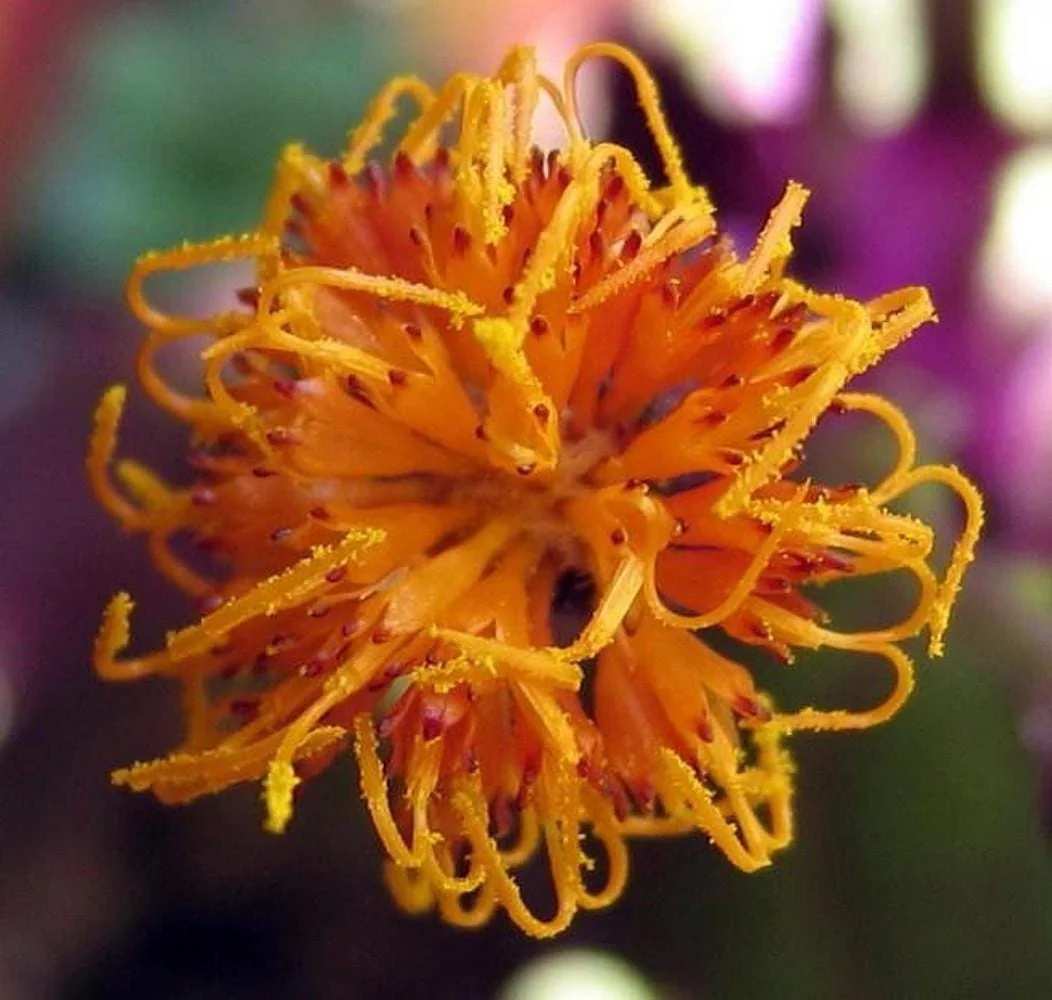
The ideal soil for gynura sarmentosa care is a well-draining potting mix. A standard houseplant mix amended with perlite or coarse sand works well to ensure proper aeration and drainage. These plants prefer average room temperatures, typically between 60-75°F (15-24°C), and should be protected from cold drafts. While not strictly necessary, a humid environment can be beneficial. Fertilize during the growing season (spring and summer) every 2-4 weeks with a liquid soluble fertilizer high in nitrogen to promote lush foliage. Reduce feeding in fall and winter. To encourage dense, bushy growth and prevent legginess, regularly pinch back the growing tips. The trailing purple plant can reach lengths of several feet if not pruned, making it versatile for various displays. Propagation is simple; insert four to five tip cuttings into a 3-inch pot, and they will root readily. With adequate warmth, mature Gynura plants may produce small, orange, daisy-like flowers, though these are often pinched off due to their somewhat unpleasant scent.
Size & Details
This offering includes two individual purple passion gynura live plant specimens, each carefully grown and shipped in its own 2-inch nursery pot. At the time of shipping, plants typically stand between 4-6 inches tall, including the pot, with potential for significant trailing growth. The leaves themselves can reach 3-4 inches in length, displaying their characteristic coarse-toothed edges and vibrant purple hairs. As a vine, this plant has a moderate to fast growth rate and can easily trail several feet if allowed. It is shipped as a healthy, established potted plant, ready to be placed in your preferred decorative container or hanging basket. With proper velvet plant indoor care, you can expect continuous growth and dazzling foliage throughout the year. These young plants are ideal for starting a new display or adding to an existing collection, providing instant color and texture.
Frequently Asked Questions
- Q: How big does this plant get? A: The purple passion gynura live plant is a trailing vine that can reach several feet in length if allowed to grow unchecked. Regular pinching will encourage a bushier, more compact form, but its trailing stems can easily extend 2-3 feet or more.
- Q: What size pot does it come in? A: Each Purple Passion Gynura plant is shipped in a 2-inch nursery pot, providing a healthy start for your new houseplant. You can transplant it to a larger decorative pot or hanging basket upon arrival.
- Q: Is this an indoor or outdoor plant? A: The Purple Passion Gynura is primarily grown as an indoor houseplant in most climates. While it can be grown outdoors in warm, frost-free regions (typically USDA zones 10-11), it is best known and cared for as a vibrant indoor plant.
- Q: How much sunlight does it need? A: For the most vivid purple coloration, this plant requires bright, indirect light. It can tolerate some direct morning sun, but avoid harsh afternoon sun which can fade or burn its delicate leaves. Insufficient light can lead to greener foliage.
- Q: Is this plant easy to care for? A: Yes, the gynura sarmentosa care requirements are relatively easy, making it a good choice for beginners. Consistent watering and adequate light are the main factors for its success.
- Q: What condition will it arrive in? A: Your plants will arrive as two healthy, established live plants in their 2-inch nursery pots, carefully packaged to ensure they reach you in excellent condition, ready to flourish in their new home.
- Q: Can I propagate this plant easily? A: Absolutely! The Purple Passion Gynura is very easy to propagate from stem cuttings. Simply take a tip cutting, remove the lower leaves, and place it in water or moist soil, and it will root quickly, allowing you to create more trailing purple plant specimens.
- Q: Will it survive winter in my zone? A: As a tropical plant, it will not survive outdoor winters in most parts of the US. If you live in a region with cold winters, it must be brought indoors or grown exclusively as an indoor houseplant year-round.
- Q: How often should I water the velvet plant indoor? A: Water when the top 1-2 inches of soil feel dry to the touch. It’s important not to let the plant sit in soggy soil, so ensure good drainage. Reduce watering frequency during the cooler, darker winter months.
- Q: Does this plant flower? A: With adequate warmth and mature growth, the Gynura can produce small, orange, daisy-like flowers. However, many growers choose to pinch these off as they can have a slightly unpleasant odor, and the plant is primarily grown for its foliage.


Reviews
There are no reviews yet.