Overview
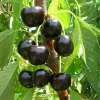
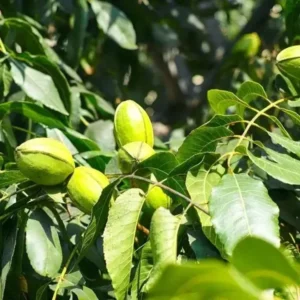
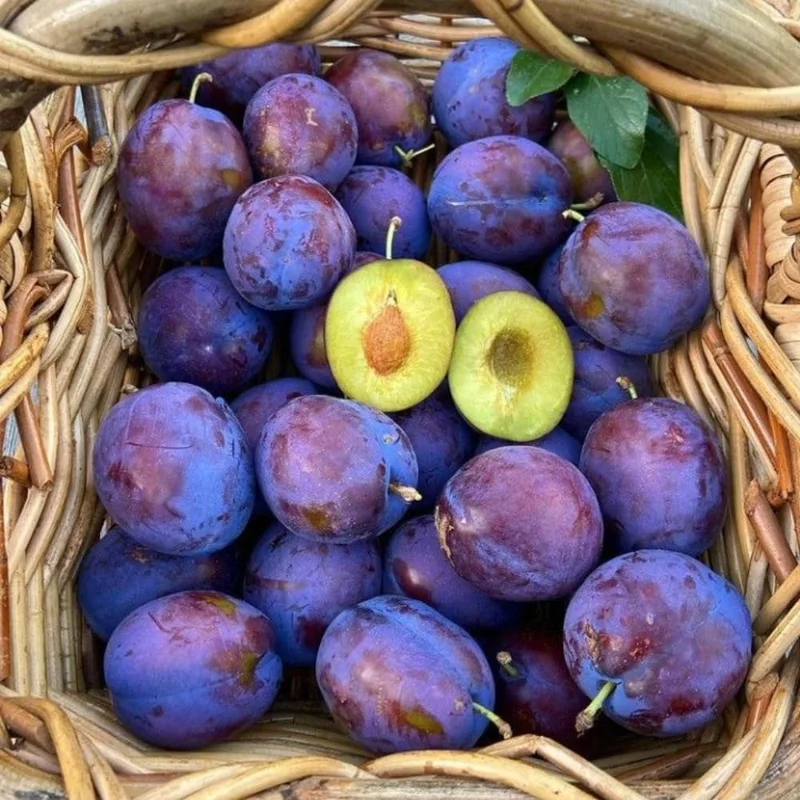
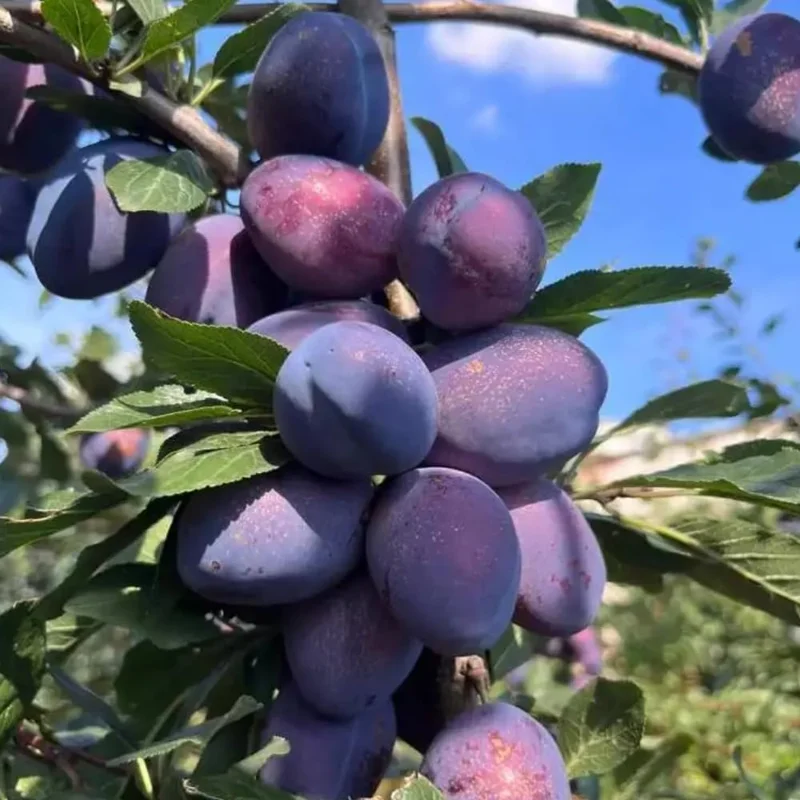
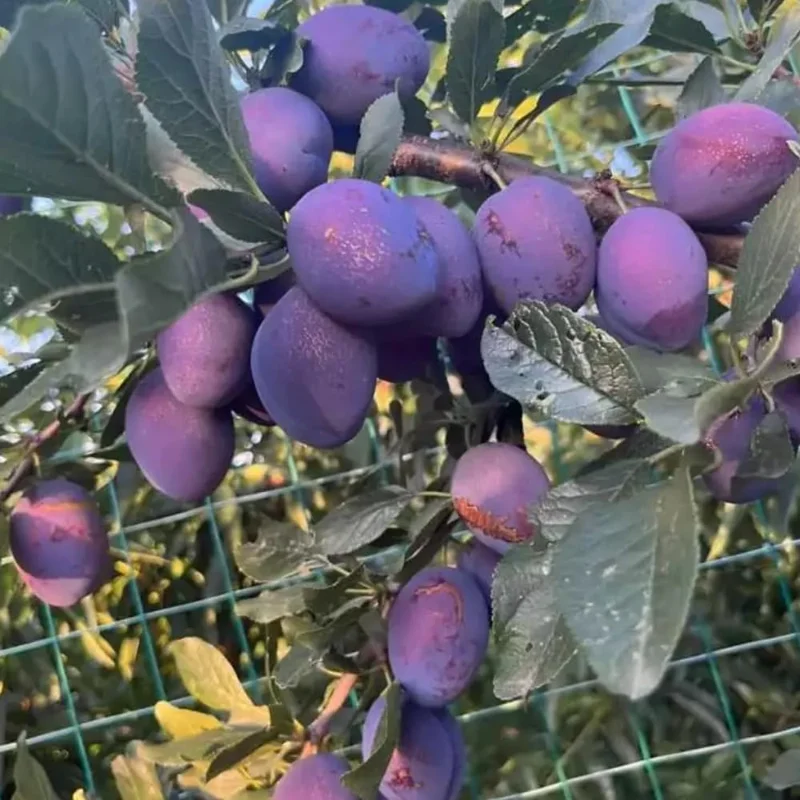
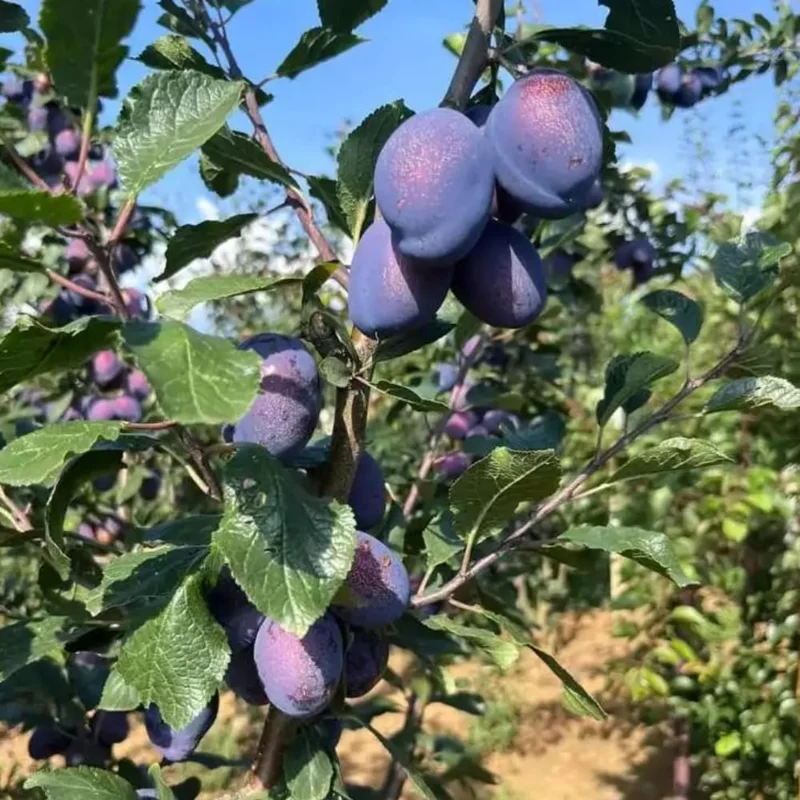
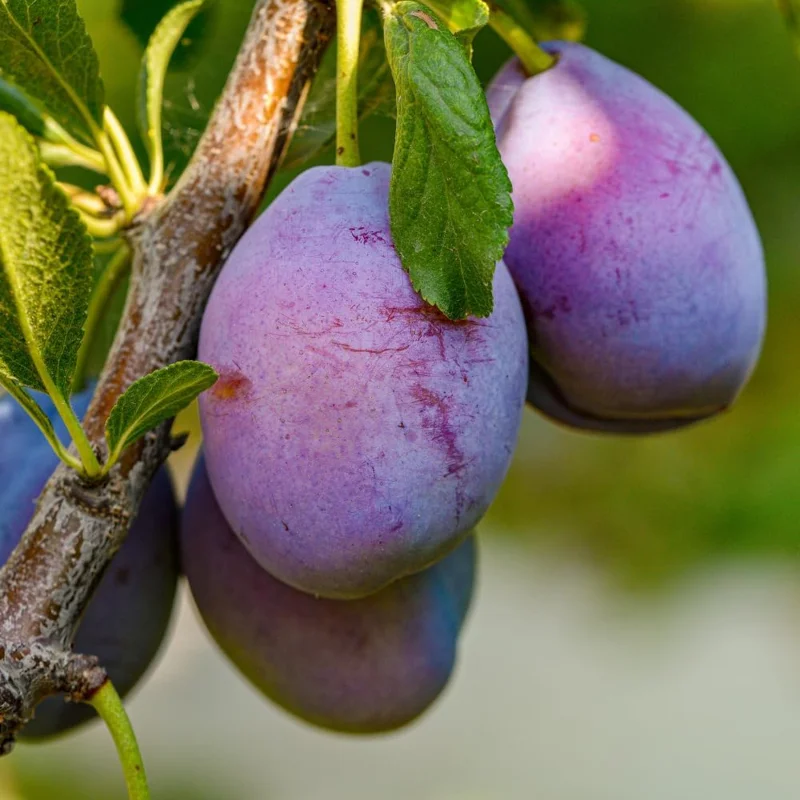
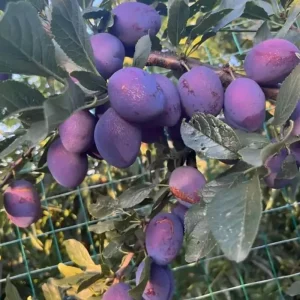
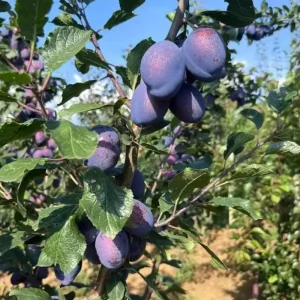
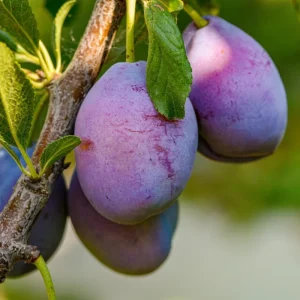
Bring the joy of homegrown fruit to your backyard with this robust purple plum tree live plant. Standing 3 to 4 feet tall, this bare-root, dormant plant is ready to establish itself in your garden and provide years of delicious harvests. Known for its classic deep-purple plums, this variety boasts a wonderfully sweet flavor that’s perfect for fresh eating, baking, or preserves. As a cold hardy plum tree, it is well-suited for cooler climates, thriving in USDA Zones 5-9, and reliably produces consistent yields once mature. This self-pollinating fruit tree is an excellent choice for both experienced gardeners and beginners looking to add a productive and ornamental plant to their landscape. Its striking white blossoms in spring herald the coming bounty, making it a beautiful addition before the fruit even begins to develop.
This particular purple plum tree live plant is shipped as a bare-root specimen, meaning it is dormant and without soil, which is the ideal way to transport and plant deciduous fruit trees for optimal establishment. The dormancy period allows the plant to focus its energy on root development once planted, leading to a stronger and healthier tree. Expect a delightful display of white flowers in spring, followed by the development of late-season fruit, providing both aesthetic beauty and a rewarding harvest from your very own sweet plum tree.
Key Benefits
Investing in a purple plum tree live plant for your garden offers a multitude of advantages, from aesthetic appeal to bountiful harvests. This easy-to-grow fruit tree is a fantastic addition to any home orchard or garden space, providing both beauty and utility.
- Delicious Homegrown Fruit: Enjoy the unparalleled taste of fresh, sweet, deep-purple plums, superior to store-bought varieties. This sweet plum tree ensures a consistent supply of healthy, organic fruit right from your backyard.
- Cold Hardiness: Specially selected for its ability to withstand cooler temperatures, this cold hardy plum tree thrives in USDA Zones 5-9, making it a reliable choice for many regions. It ensures consistent harvests even after harsh winters.
- Self-Pollinating: This variety fruits on its own, eliminating the need for a second tree for pollination. This makes it perfect for small gardens or spaces where planting multiple fruit trees isn’t feasible, simplifying your gardening efforts.
- Spring Blooms & Fall Harvest: Experience the beauty of abundant white blossoms in spring, which transform into delicious plums ready for harvest later in the season. It provides year-round interest and a satisfying seasonal cycle.
- Low Maintenance: Once established, this bare root plum tree is remarkably low maintenance, requiring minimal intervention to produce a generous crop. It’s an ideal choice for gardeners seeking rewarding results without extensive effort.
- Ornamental Value: Beyond its fruit, the tree offers significant ornamental value with its attractive foliage and beautiful spring flowers, enhancing the overall appeal of your landscape.
Plant Care & Growing Tips
Caring for your purple plum tree live plant is straightforward, especially when you understand its basic needs. As a bare-root specimen, proper planting is crucial for its initial establishment. Upon arrival, soak the roots in water for a few hours before planting. Choose a site with full sun exposure, meaning at least 6-8 hours of direct sunlight daily, which is essential for fruit production. The soil should be well-drained and fertile; amend heavy clay or sandy soils with compost to improve structure and nutrient content. Plant the tree so that the graft union (a slight bulge on the trunk) is a few inches above the soil line.
Water your cold hardy plum tree regularly, especially during its first few years and during dry spells, ensuring the soil remains consistently moist but not waterlogged. Moderate watering is key to healthy growth and fruit development. Fertilize in early spring with a balanced fruit tree fertilizer, following package instructions. Pruning should be done in late winter or early spring while the tree is dormant to shape the tree, remove dead or diseased branches, and encourage better air circulation and fruit production. Protect young trees from pests and diseases with appropriate organic or chemical controls if necessary. This fruit tree for home garden will reward your efforts with abundant harvests.
The USDA Hardiness Zone for this purple plum tree live plant is 5-9, indicating it can tolerate a wide range of winter temperatures. Ensure your local hardiness zone falls within this range for optimal success. While dormant in winter, it requires a certain number of chill hours to produce fruit effectively. The expected planting period is typically spring, allowing the tree to establish its root system before the heat of summer. With proper care, your sweet plum tree will become a cherished part of your garden for many years, providing beautiful spring blooms and delicious late-season fruit.
Size & Details
This purple plum tree live plant is shipped as a bare-root specimen, typically measuring 3 to 4 feet in height upon arrival. Bare-root plants are dormant and arrive without soil or a pot, which is the standard and most effective method for shipping deciduous fruit trees. This allows the tree to focus its energy on root development once planted in your garden. The expected planting period for this bare root plum tree is spring, coinciding with the end of the dormant season and the beginning of new growth. It grows into a medium-sized fruit tree, eventually reaching heights of 15-20 feet with a similar spread, though this can be managed with proper pruning.
Once established, this fruit tree for home garden will begin to bear fruit within 3-5 years, depending on growing conditions and care. The tree is known for its consistent harvests of classic deep-purple plums, which are sweet and juicy. It prefers well-drained soil and full sun exposure for optimal growth and fruit production. Its cold-hardy nature makes it suitable for a broad range of climates within USDA Zones 5-9. The tree displays beautiful white blossoms in spring, providing an attractive focal point in your garden before the fruit develops and ripens for a late-season harvest.
Frequently Asked Questions
- Q: How big does this purple plum tree get? A: This purple plum tree live plant is shipped at 3 to 4 feet tall as a bare-root specimen. Once established and mature, it typically grows to a height of 15-20 feet with a similar spread, though its size can be managed through regular pruning.
- Q: Is this an indoor or outdoor plant? A: This is an outdoor plant, specifically a fruit tree for home garden use. It requires full sun exposure and the natural seasonal changes of an outdoor environment to thrive and produce fruit.
- Q: How much sunlight does a purple plum tree need? A: A purple plum tree live plant requires at least 6-8 hours of direct sunlight per day to ensure healthy growth and optimal fruit production. Full sun is crucial for developing sweet, abundant plums.
- Q: Is this plum tree easy to care for? A: Yes, once established, this cold hardy plum tree is relatively low maintenance. It requires consistent watering, especially when young, and annual pruning to maintain its shape and encourage fruiting.
- Q: What condition will the plum tree arrive in? A: The purple plum tree live plant will arrive as a bare-root, dormant plant, meaning it will be without soil or leaves. This is a normal and healthy state for deciduous fruit trees during shipping and planting.
- Q: When is the best time to plant this bare root plum tree? A: The ideal time to plant a bare root plum tree is in the spring, after the last frost but before the tree breaks dormancy. This allows the roots to establish before the summer heat.
- Q: How long until this sweet plum tree produces fruit? A: Typically, a sweet plum tree grown from a bare-root plant will begin to bear fruit within 3 to 5 years after planting, depending on growing conditions and care.
- Q: Will this plum tree survive winter in my zone? A: This purple plum tree live plant is cold hardy and thrives in USDA Hardiness Zones 5-9. If your zone falls within this range, it should survive winter well and produce consistent harvests.
- Q: Does this plum tree need another tree for pollination? A: No, this purple plum tree live plant is self-pollinating, meaning it can produce fruit on its own without the need for a second plum tree. This makes it ideal for smaller gardens.
- Q: What type of soil is best for a purple plum tree? A: A bare root plum tree prefers well-drained soil. Amending heavy clay or sandy soils with organic matter like compost will significantly improve drainage and fertility, promoting healthy growth.


Reviews
There are no reviews yet.