Overview
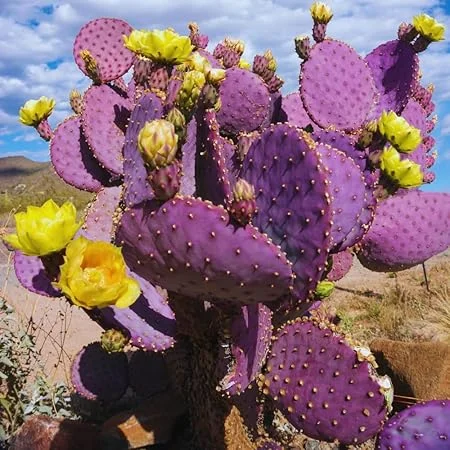
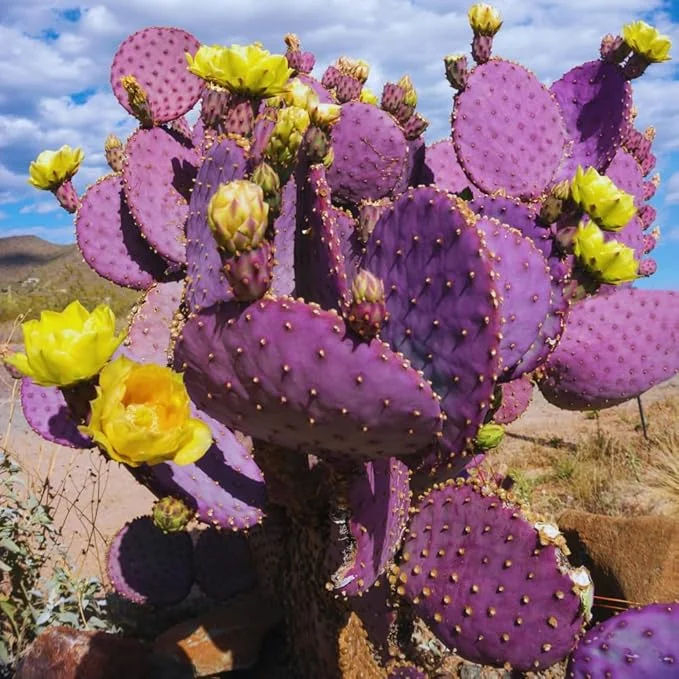
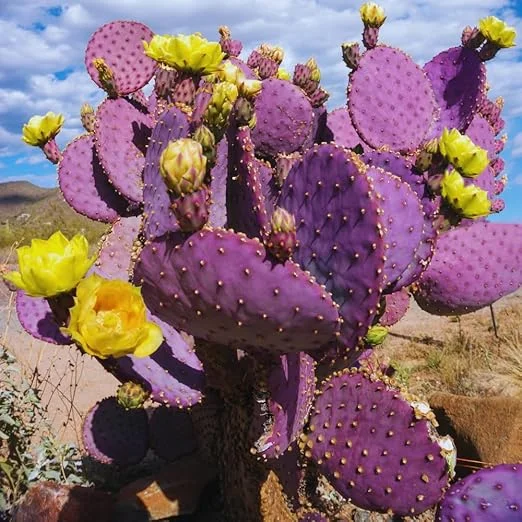
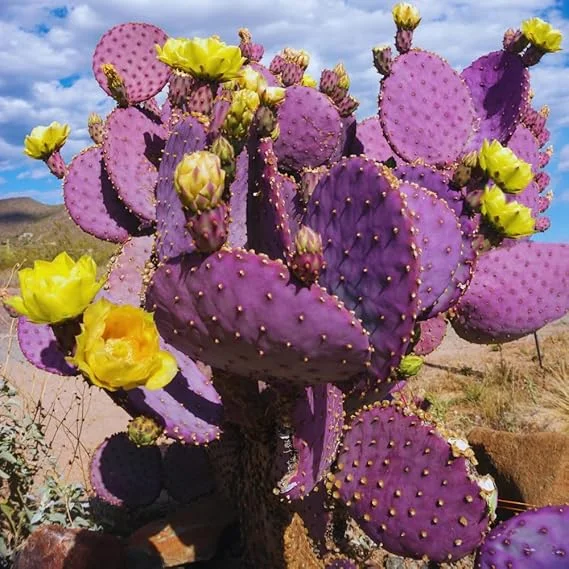
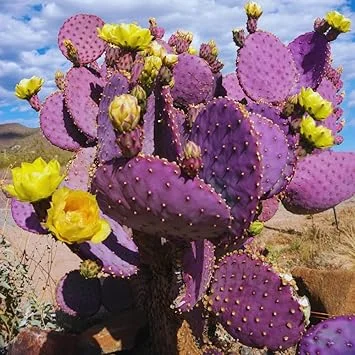
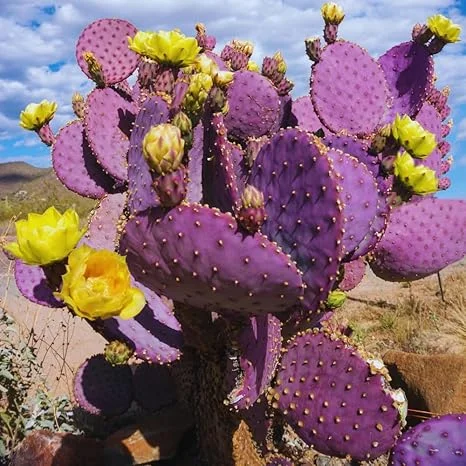
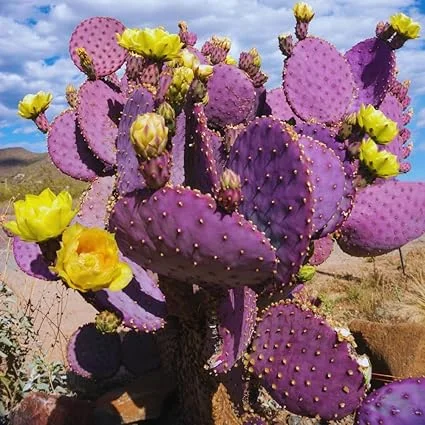
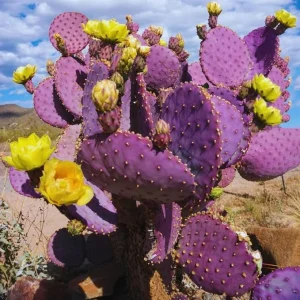
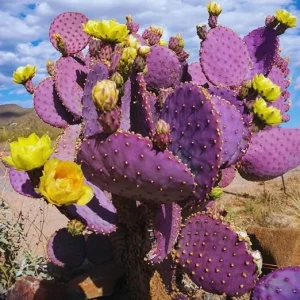
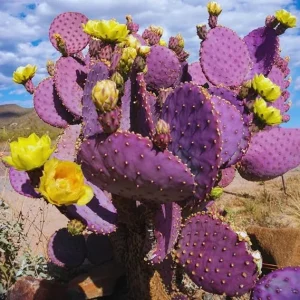
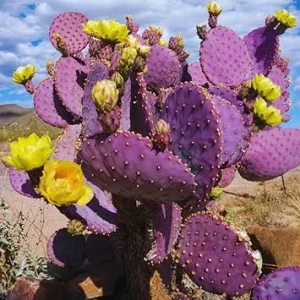
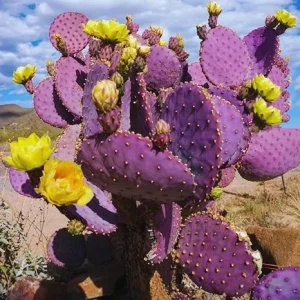
Bring striking color and desert resilience to your landscape with the beautiful purple prickly pear cactus. This live plant, often known by its botanical name Opuntia santa-rita, is celebrated for its distinctive pads that deepen in purple hue under stress from cold or drought, creating a mesmerizing visual display. Originating from the American Southwest, this particular variety is a fantastic choice for xeriscaping or adding an architectural element to your garden. As a robust and low-maintenance succulent, it’s ideal for both seasoned gardeners and those new to arid plant care. Each purple prickly pear cactus is carefully cultivated to ensure a healthy start in your garden, promising to be a captivating focal point with its unique coloration and form.
The purple prickly pear cactus is not just a plant; it’s a statement. Its paddle-like stems, covered in small glochids (fine, barbed spines), provide a fascinating texture, while its seasonal yellow flowers offer a delightful contrast before developing into edible red fruits. This plant is a true survivor, adapting to various conditions and providing year-round interest. Whether you’re aiming to create a desert-themed garden or simply looking for an unusual and hardy specimen, this opuntia santa rita live plant will exceed expectations with its beauty and tenacity.
Key Benefits
The purple prickly pear cactus offers numerous advantages, making it an excellent addition to many gardens:
- Stunning Visual Appeal: The pads of this cactus transform into rich purple shades, especially when exposed to direct sunlight or cooler temperatures, providing a dynamic and eye-catching display. It’s a truly unique coloration among succulents.
- Drought Tolerance: Once established, this plant requires minimal watering, making it an ideal choice for water-wise gardening and regions with limited rainfall. Its natural adaptation to arid environments means less fuss for you.
- Low Maintenance: This is a very easy-care plant, perfect for busy gardeners or those new to succulents. It thrives on neglect rather than constant attention, needing little more than proper sun exposure and occasional watering.
- Extended Bloom Time: While the primary appeal is its purple pads, the plant produces cheerful yellow flowers, typically in spring, adding another layer of beauty to your garden. The blooming period can extend, offering continuous interest.
- Attracts Pollinators: The vibrant flowers of the purple prickly pear cactus are attractive to bees and other beneficial pollinators, contributing to the biodiversity of your garden ecosystem.
- Edible Fruits: After flowering, the plant produces red, edible fruits (tunas) that can be harvested and used in various culinary applications, from jams to juices.
- Versatile Landscaping: Its striking form and color make it suitable for rock gardens, xeriscapes, containers, or as a focal point in a desert-themed landscape. This outdoor cactus plant is incredibly adaptable.
Plant Care & Growing Tips
Caring for your purple prickly pear cactus is relatively straightforward, as it is a highly resilient plant. It thrives in conditions that mimic its native desert habitat. For optimal growth and the most vibrant purple coloration, ensure your plant receives plenty of sunlight. It requires full sun exposure, meaning at least 6-8 hours of direct sunlight per day. If grown indoors, place it near a south-facing window or under a grow light to ensure it gets adequate light. Insufficient light can lead to greener pads and leggy growth, diminishing its characteristic purple hue.
When it comes to watering, less is definitely more for this drought tolerant cactus. Water only when the soil is completely dry to the touch. During active growing seasons (spring and summer), this might be every 2-4 weeks, but in cooler months, it could extend to once a month or even less. Overwatering is the most common cause of cactus demise, leading to root rot. The ideal soil for a purple prickly pear cactus is a well-draining sandy soil mix. A good succulent or cactus mix, possibly amended with extra perlite or sand, will provide the necessary drainage. This plant is hardy in USDA Zones 3-11, making it incredibly adaptable to various climates, though protection from extreme, prolonged freezes might be necessary in the coldest zones. Fertilization is rarely needed; a light feeding with a low-nitrogen cactus fertilizer once in spring can be beneficial but is not essential for its survival.
This outdoor cactus plant is known for its resilience. Common problems typically stem from overwatering or lack of sunlight. If you notice soft, mushy pads, reduce watering immediately. If the pads appear pale or stretched, increase light exposure. While generally pest-resistant, keep an eye out for mealybugs or scale insects, which can be treated with insecticidal soap or neem oil. With proper care, your purple cactus care routine will be minimal, allowing you to enjoy its unique beauty for years to come.
Size & Details
This purple prickly pear cactus is shipped as a live plant, rooted in a 3-inch nursery pot, providing a healthy and established start for your garden. The plant’s dimensions are approximately 6 x 8 x 10 inches, though individual plants may vary slightly. While it starts compact, the Opuntia santa-rita can eventually reach an expected plant height of up to 5 feet and spread equally as wide, forming a substantial and impressive specimen in the landscape over time. Its growth rate is moderate, allowing you to enjoy its developing structure.
This succulent is known for its year-round interest, with an expected blooming period throughout the year in suitable climates, though typically peaking in spring. The plant is ready for planting in the spring, allowing it ample time to establish before colder weather. It is a single plant (1.0 Count), perfect for adding to an existing succulent collection or starting a new arid garden. The purple prickly pear cactus is a long-lived plant that will continue to grow and flourish with minimal intervention, making it a rewarding addition to any outdoor space.
Frequently Asked Questions
- Q: How big does this purple prickly pear cactus get? A: This particular purple prickly pear cactus can grow up to 5 feet tall and equally wide when mature, forming a significant presence in your garden. It starts in a 3-inch pot, allowing for gradual growth.
- Q: Is this an indoor or outdoor cactus plant? A: This is primarily an outdoor cactus plant that thrives in full sun. While it can be grown indoors in a very bright, sunny location, its best coloration and growth are achieved outdoors.
- Q: How much sunlight does the purple prickly pear cactus need? A: For the best purple coloration and overall health, your opuntia santa rita live plant requires full sun exposure, meaning at least 6-8 hours of direct sunlight daily.
- Q: Is this plant easy to care for? A: Yes, the purple prickly pear cactus is known for being very low-maintenance and drought-tolerant, making it an excellent choice for beginners and busy gardeners alike. It requires infrequent watering.
- Q: What condition will the purple prickly pear cactus arrive in? A: Your cactus will arrive as a healthy, live plant, rooted in a 3-inch nursery pot, ready for transplanting into your garden or a larger container. It is carefully packaged to ensure safe transit.
- Q: When is the best time to plant this cactus? A: The expected planting period is spring, which allows the plant to establish its root system before the heat of summer or the cold of winter.
- Q: Will it survive winter in my zone? A: This drought tolerant cactus is remarkably hardy, thriving in USDA Hardiness Zones 3-11. In colder zones, it will need to be protected from prolonged, extreme freezes.
- Q: What type of soil does this purple cactus care for? A: It prefers sandy, well-draining soil. A specialized cactus or succulent potting mix is ideal to prevent root rot.
- Q: Does this cactus produce flowers or fruit? A: Yes, the purple prickly pear cactus produces vibrant yellow flowers, typically in spring, followed by edible red fruits known as ‘tunas’.
- Q: Is the purple color permanent? A: The purple coloration of the pads intensifies with direct sun exposure, cooler temperatures, and drought stress. In shadier or consistently watered conditions, the pads may appear greener.


Reviews
There are no reviews yet.