Overview
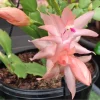
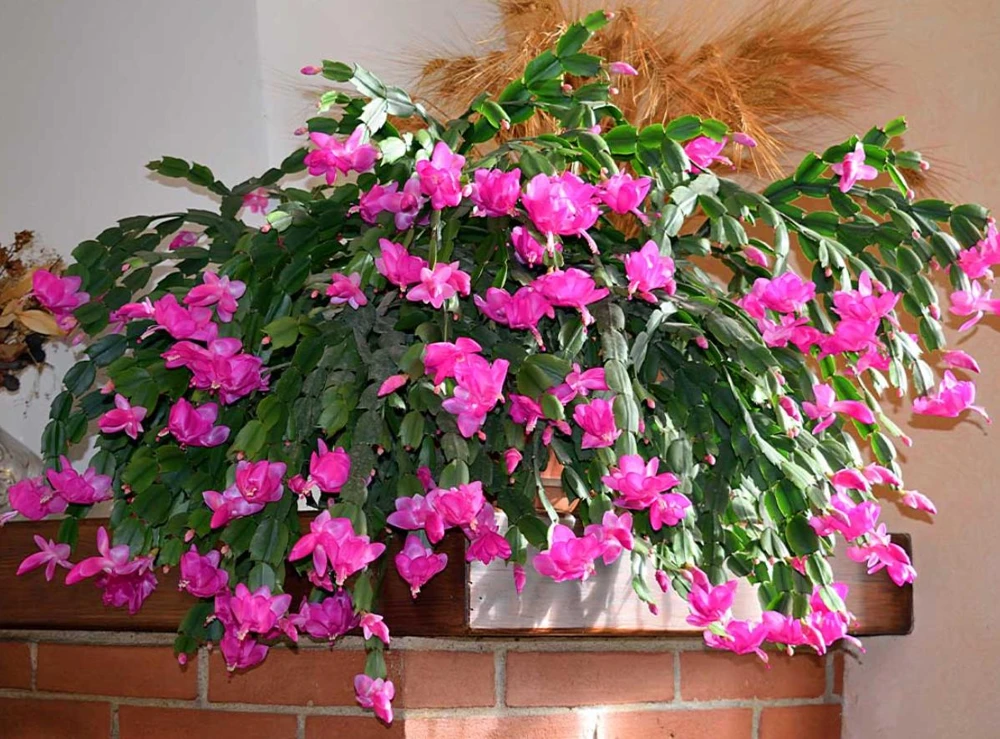
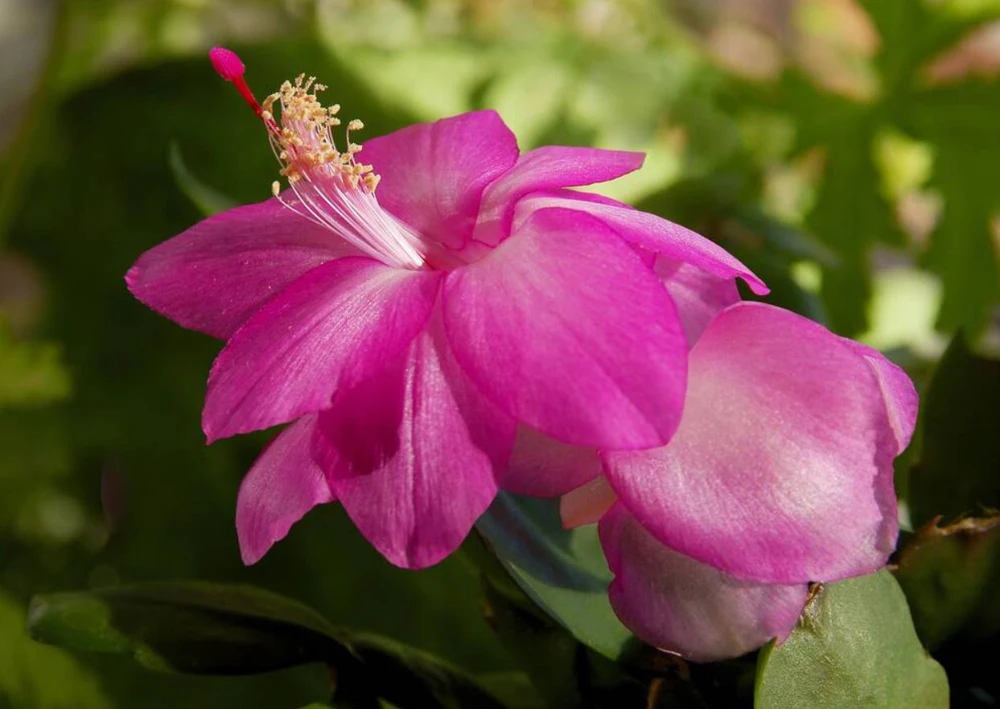
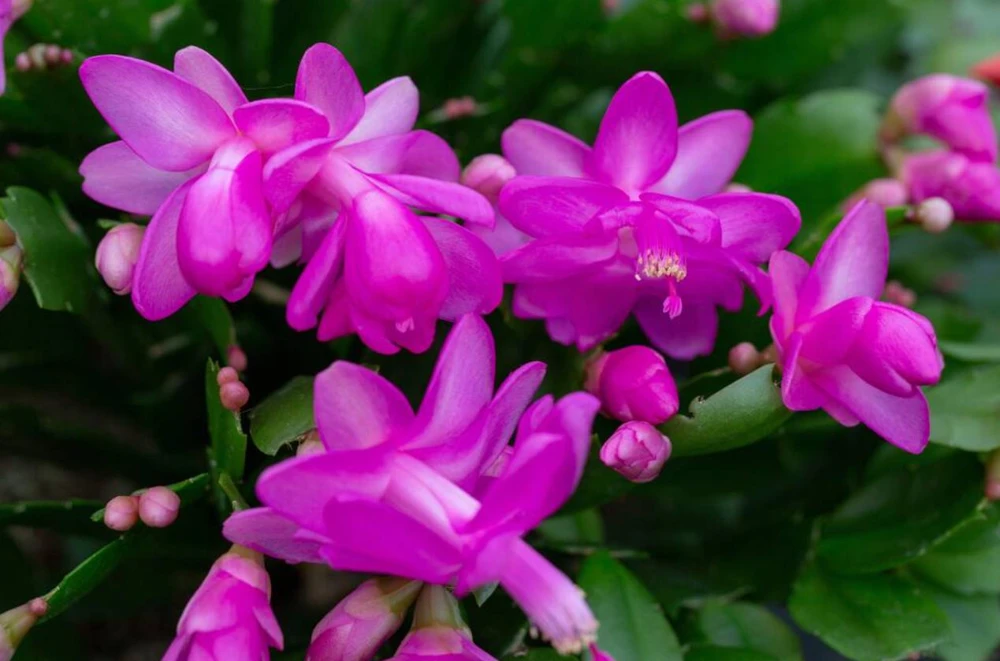
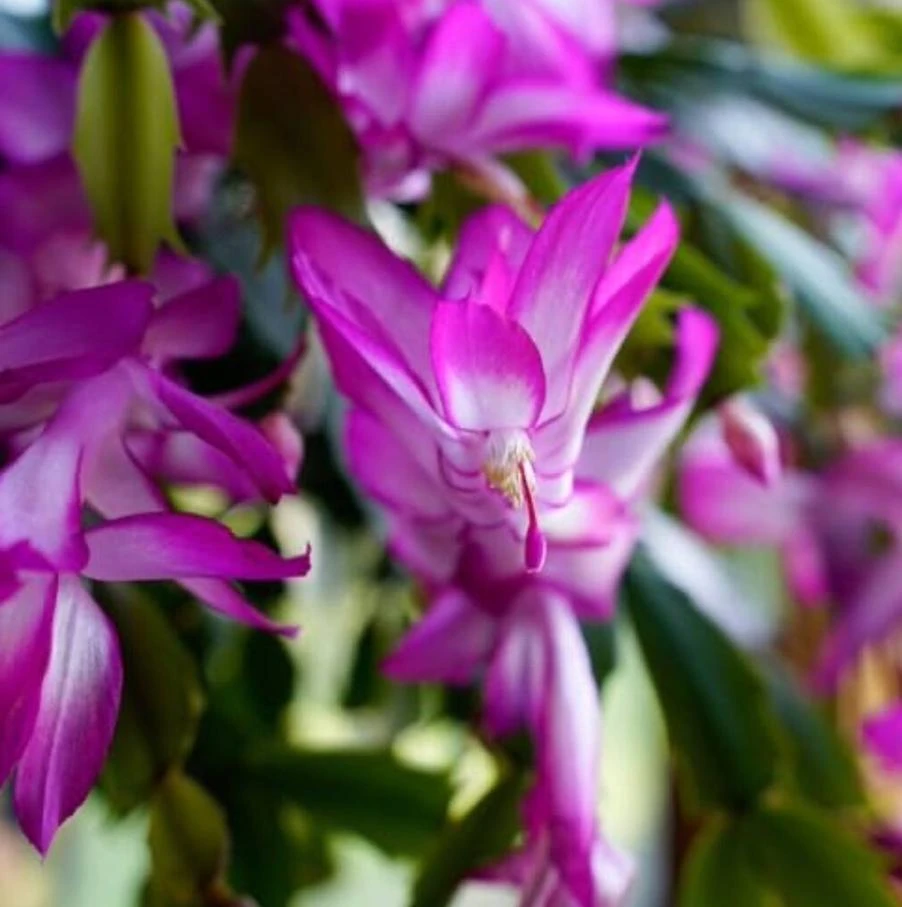
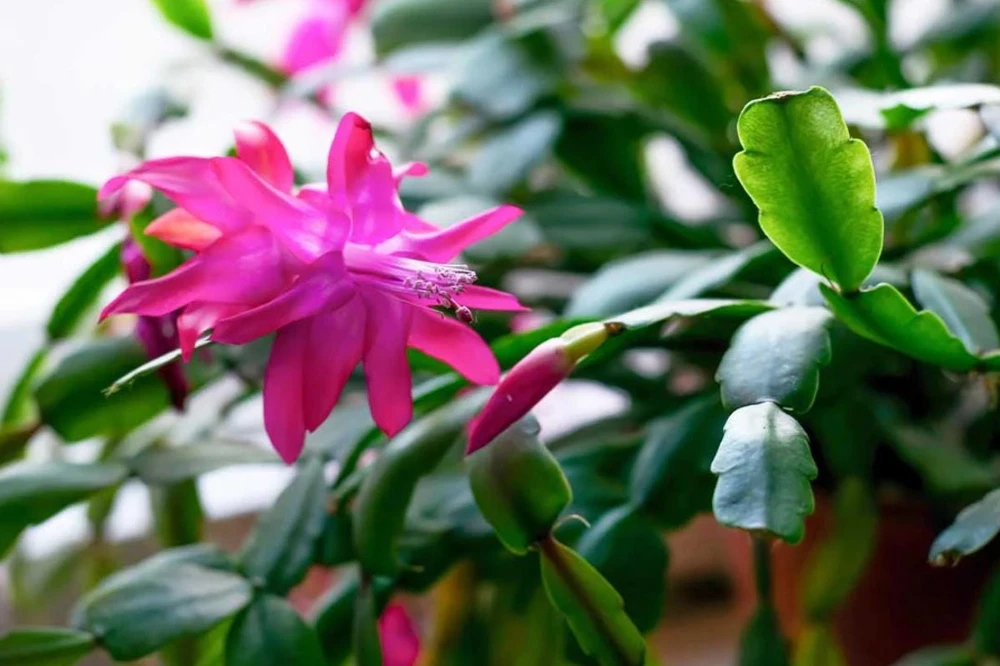
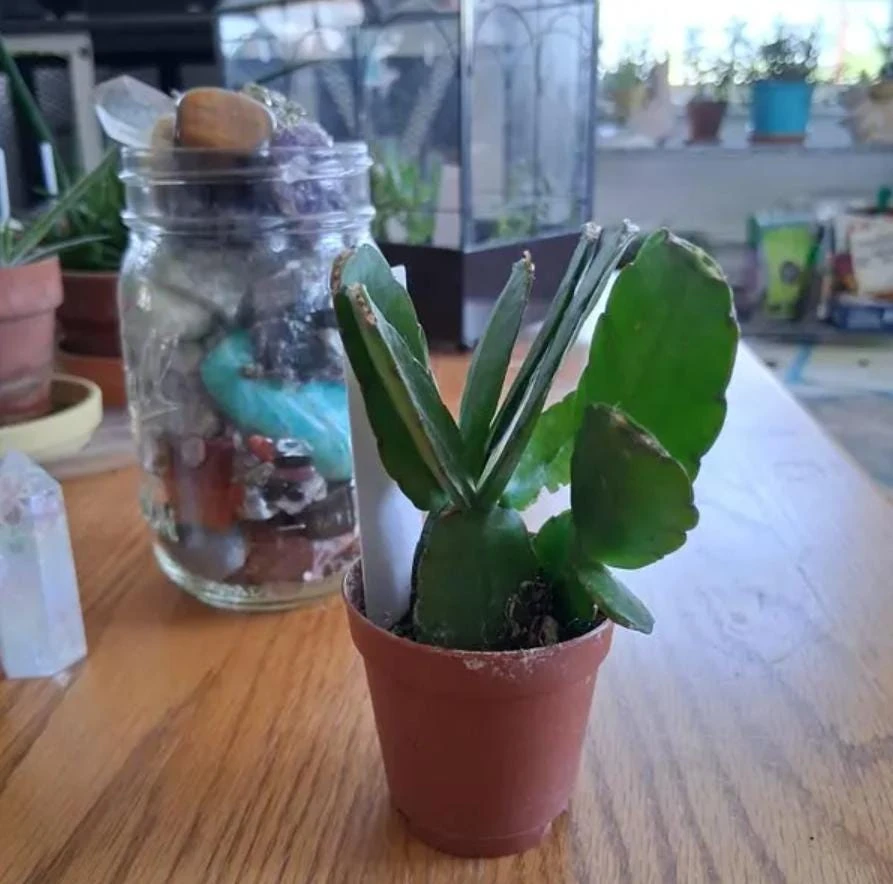
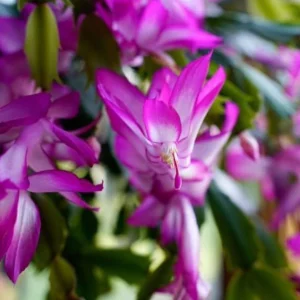
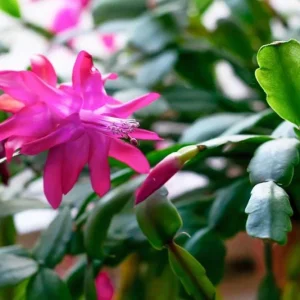
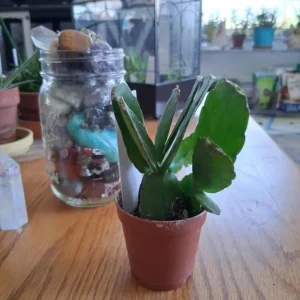
Transform your indoor garden with the captivating purple thanksgiving cactus, a delightful tropical succulent known for its spectacular seasonal blooms. This live plant, scientifically known as Schlumbergera truncata, is a popular choice for brightening homes, especially during the autumn and winter months when its vibrant flowers appear. Unlike its close relative, the Christmas cactus, the Thanksgiving cactus typically blooms earlier, offering a burst of color just in time for the holiday season. Our offering is a healthy young starter plant, approximately 3 inches in size, ready to establish and thrive in your care. With its unique segmented stems and dazzling purple flowers, it makes an excellent addition to any plant collection or a thoughtful gift for plant enthusiasts.
The purple thanksgiving cactus is an epiphyte in its natural habitat, growing on trees or rocks rather than in soil. This characteristic contributes to its preference for well-draining soil and specific care requirements, which we will detail in the following sections. Its ease of propagation and relatively low maintenance make it a rewarding plant for both novice and experienced gardeners. Enjoy the beauty of its distinctive purple petals and the charm it brings to any indoor setting, creating a festive atmosphere with its timely flowering.
Key Benefits
Owning a purple thanksgiving cactus offers numerous advantages, from its stunning aesthetics to its manageable care requirements. This plant is not just a seasonal wonder; it’s a long-lasting companion that provides ongoing joy.
- Seasonal Beauty: Experience the joy of vibrant purple blooms typically appearing around Thanksgiving, adding a festive touch to your home decor. The striking color and unique flower shape are sure to draw admiration.
- Easy Care: This indoor flowering succulent is relatively low-maintenance, making it suitable for busy individuals or those new to plant care. With proper light and watering, it will flourish.
- Compact Size: As a 3 inch starter plant, it’s perfect for windowsills, desks, or small shelves, fitting comfortably into any indoor space without demanding too much room.
- Air Purifying Qualities: Like many houseplants, the Thanksgiving cactus contributes to a healthier indoor environment by helping to purify the air, albeit subtly.
- Long Lifespan: With appropriate thanksgiving cactus care, these plants can live for many years, becoming cherished heirlooms that bloom season after season.
- Unique Foliage: Even when not in bloom, its segmented, flat green stems provide interesting textural appeal, adding to its decorative value.
- Pet-Friendly: Generally considered non-toxic to pets, making it a safer choice for households with curious cats or dogs.
Plant Care & Growing Tips
Proper thanksgiving cactus care is key to ensuring a healthy plant with abundant blooms. This tropical succulent thrives with specific attention to light, water, and temperature.
Sunlight Requirements: The purple thanksgiving cactus prefers bright, indirect light. Direct, intense sunlight can scorch its leaves, especially during the hottest parts of the day. A north or east-facing window is often ideal. If placed in a south or west-facing window, ensure it’s set back a few feet or diffused with a sheer curtain. During its active growing phase, it appreciates more light, but as blooming approaches and during dormancy, slightly lower light levels can be beneficial. Understanding the difference between christmas cactus vs thanksgiving cactus often involves slight variations in light sensitivity, with Thanksgiving cacti generally tolerating a bit more light.
Watering Schedule: Water thoroughly when the top inch or two of soil feels dry to the touch. Allow excess water to drain completely from the bottom of the pot. Never let the plant sit in standing water, as this can lead to root rot. Reduce watering frequency in late fall and winter after blooming, allowing the soil to dry out more between waterings to encourage a resting period, crucial for future blooms. Overwatering is a common mistake; err on the side of underwatering rather than overwatering.
Soil Type and Drainage: A well-draining potting mix is essential for this epiphyte. A mix formulated for cacti and succulents, or a standard potting mix amended with perlite, orchid bark, or coarse sand, will provide the aeration and drainage it needs. The soil should be slightly acidic, with a pH between 5.5 and 6.5. Good drainage prevents waterlogging and ensures healthy root development for your indoor flowering succulent.
Temperature and Hardiness: The Thanksgiving cactus prefers temperatures between 65-75°F (18-24°C) during its active growth. To encourage blooming, a period of cooler temperatures (around 50-55°F or 10-13°C) for several weeks in early fall is often beneficial, along with shorter daylight hours. Protect your plant from frost and cold drafts, as it is a tropical plant and not cold-hardy. It is typically grown as an indoor plant in all USDA zones.
Fertilization: Feed your schlumbergera truncata with a balanced liquid fertilizer diluted to half strength every 2-4 weeks during its active growing season (spring and summer). Avoid fertilizing during the blooming period and dormancy. Over-fertilization can harm the plant, so always follow product instructions carefully.
Size & Details
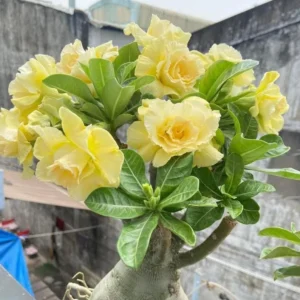
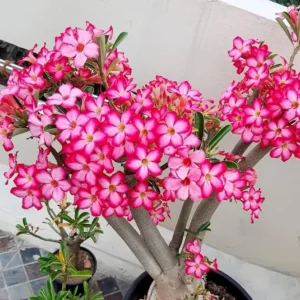
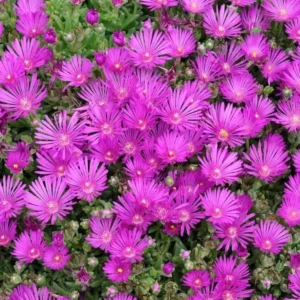
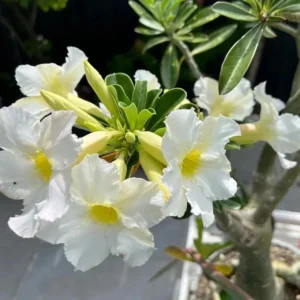
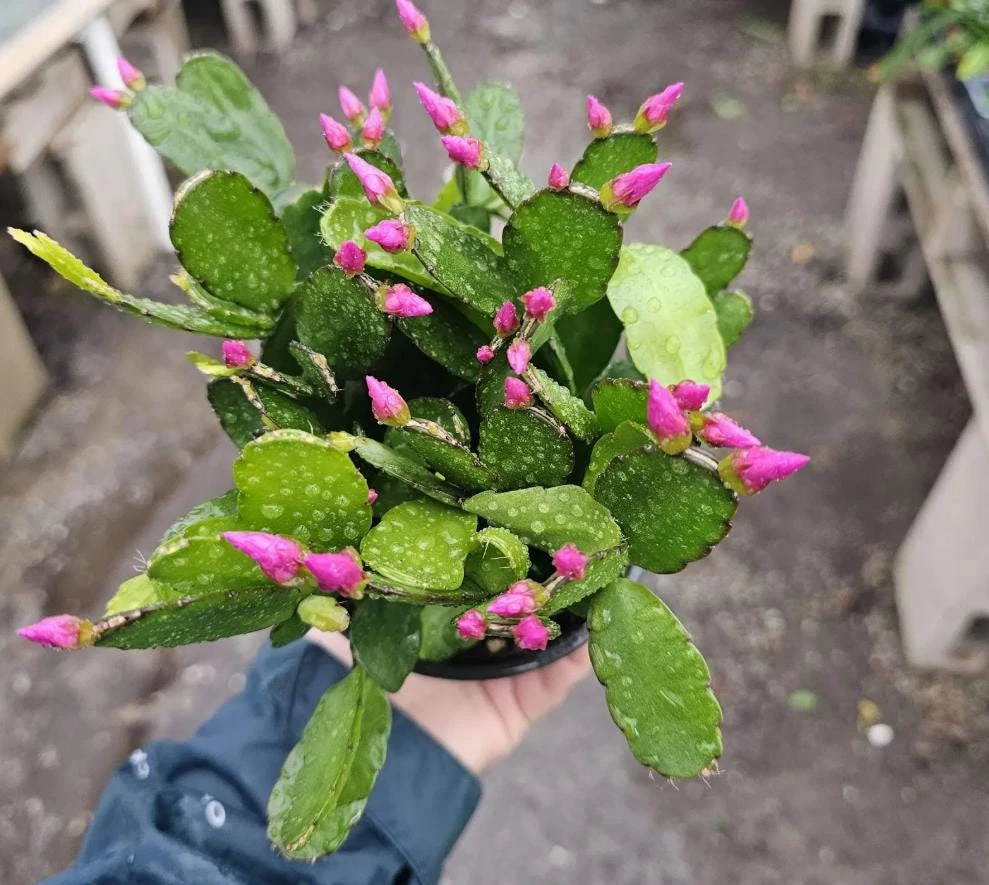
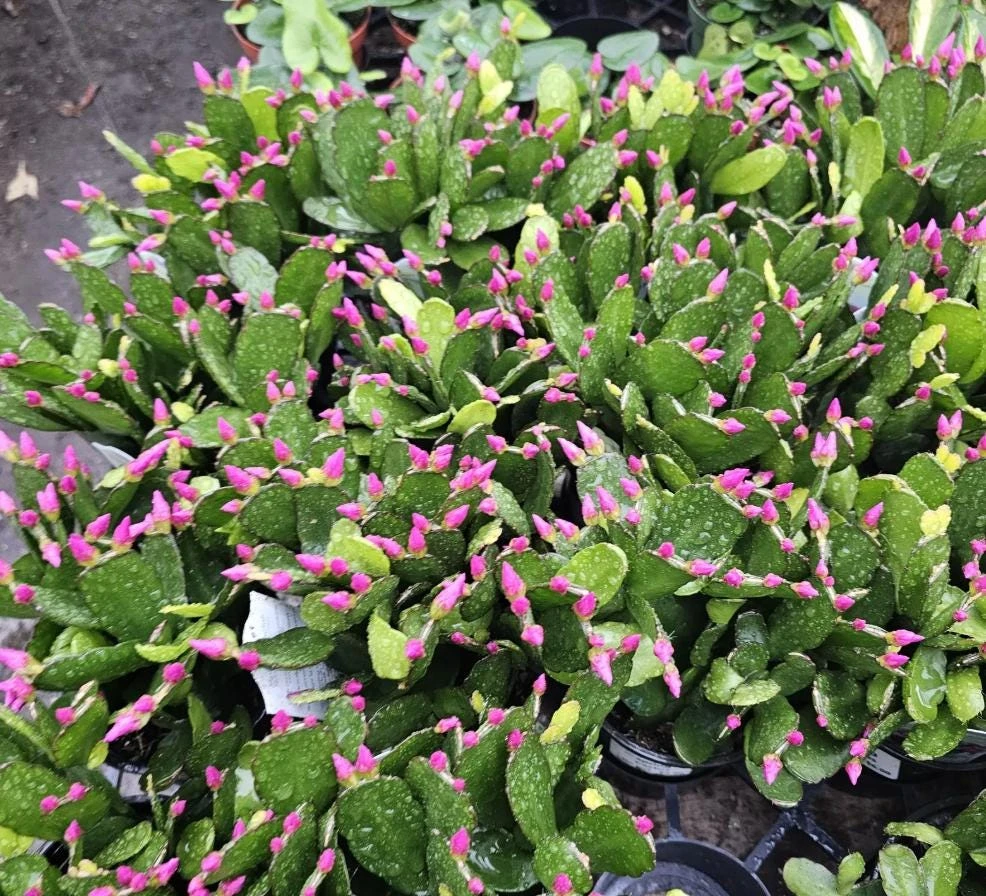
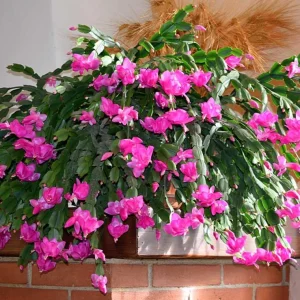
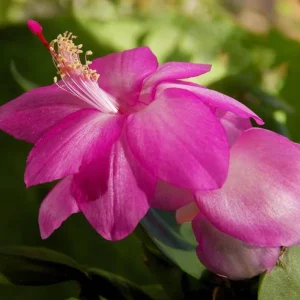
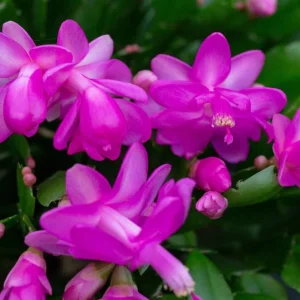
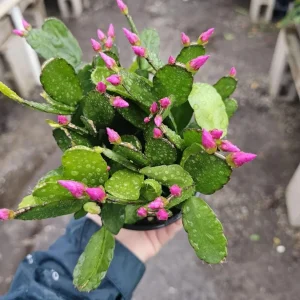
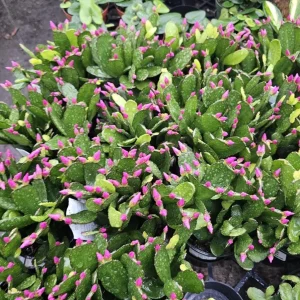
This offering is for a young purple thanksgiving cactus starter plant, approximately 3 inches in size. It is a compact and manageable specimen, perfect for growing into a larger, mature plant. While the photos may depict mature plants for illustrative purposes, you will receive a healthy, established starter that is ready to be nurtured. These plants typically have a moderate growth rate and can reach a mature size of 12-18 inches in width, with trailing stems that can extend further over time. They are often grown in hanging baskets or on shelves where their cascading nature can be appreciated.
Your indoor flowering succulent will be shipped without a pot to ensure safe transit and reduce shipping costs. Some soil may be removed from the roots, and minor trimming may occur. This is a common practice for shipping live plants and does not harm the plant. Upon arrival, plant it in a suitable pot with well-draining soil. With consistent thanksgiving cactus care, you can expect your plant to develop into a beautiful, blooming specimen over the next year or two, with mature blooms typically appearing in the fall.
Frequently Asked Questions
- Q: How big will my purple thanksgiving cactus get? A: Your 3 inch starter plant will grow into a mature plant that can reach 12-18 inches in width, with stems that can trail up to 2 feet long. Its ultimate size depends on growing conditions and care.
- Q: Is this an indoor or outdoor plant? A: The purple thanksgiving cactus is primarily an indoor plant in most climates due to its tropical nature. It can be moved outdoors to a shaded location during warm summer months but must be brought inside before temperatures drop below 50°F (10°C).
- Q: How much sunlight does it need? A: This indoor flowering succulent thrives in bright, indirect light. Avoid direct, harsh sunlight, which can burn its delicate stems. An east or north-facing window is often ideal.
- Q: Is this plant easy to care for? A: Yes, the Thanksgiving cactus is considered relatively easy to care for, making it a great choice for beginners. Consistent watering, proper light, and attention to blooming triggers are the keys to success.
- Q: What condition will the plant arrive in? A: Your plant will arrive as a healthy, unpotted starter plant. Some soil may be removed for safe transit, and minor leaf imperfections are cosmetic. It will be ready for potting upon arrival.
- Q: When is the best time for my purple thanksgiving cactus to bloom? A: The purple thanksgiving cactus typically blooms around the Thanksgiving holiday. To encourage blooming, provide a period of cooler temperatures (50-55°F) and shorter daylight hours (12-14 hours of darkness) for 6-8 weeks in early fall.
- Q: What is the main difference between a Christmas cactus and a Thanksgiving cactus? A: The primary difference, often referred to as christmas cactus vs thanksgiving cactus, lies in their bloom time and the shape of their stem segments. Thanksgiving cacti (Schlumbergera truncata) have pointed or claw-like projections on their stem edges and typically bloom earlier in the fall, while Christmas cacti (Schlumbergera bridgesii) have more rounded segments and bloom closer to Christmas.
- Q: Is the purple thanksgiving cactus pet-safe? A: Yes, the Thanksgiving cactus is generally considered non-toxic to cats and dogs, according to the ASPCA, making it a safe choice for homes with pets.
- Q: What kind of soil should I use for my schlumbergera truncata? A: Use a well-draining potting mix, ideally one formulated for cacti and succulents. You can also amend regular potting soil with perlite or coarse sand to improve drainage for your schlumbergera truncata.
- Q: Does this plant attract bees or butterflies? A: As an indoor plant, it typically does not attract outdoor pollinators. However, nurseries that grow these plants often maintain bee and butterfly-friendly practices, reflecting an eco-conscious approach to cultivation.


Reviews
There are no reviews yet.