Overview
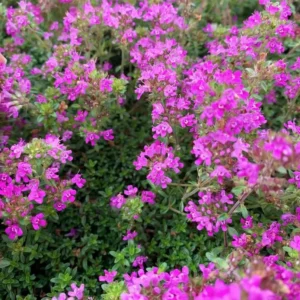
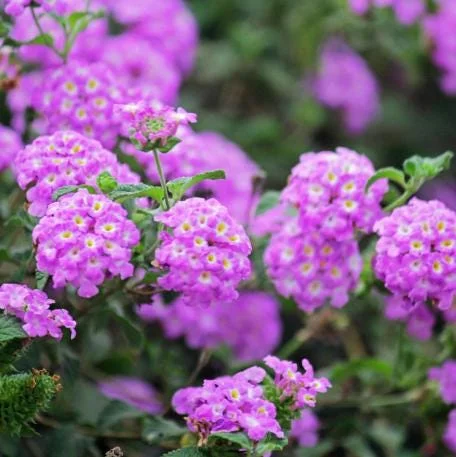
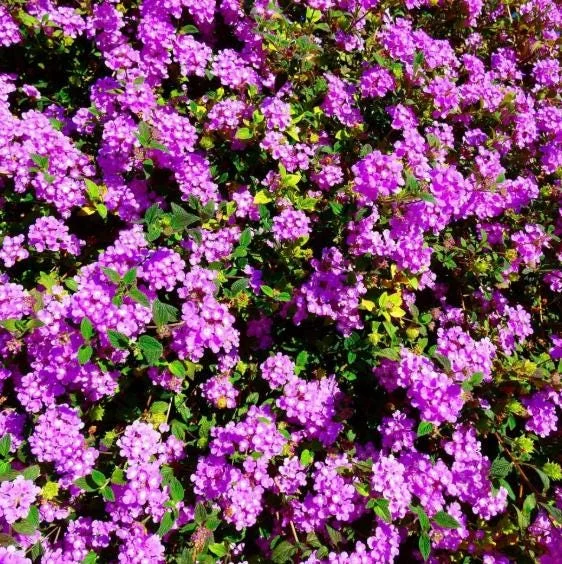
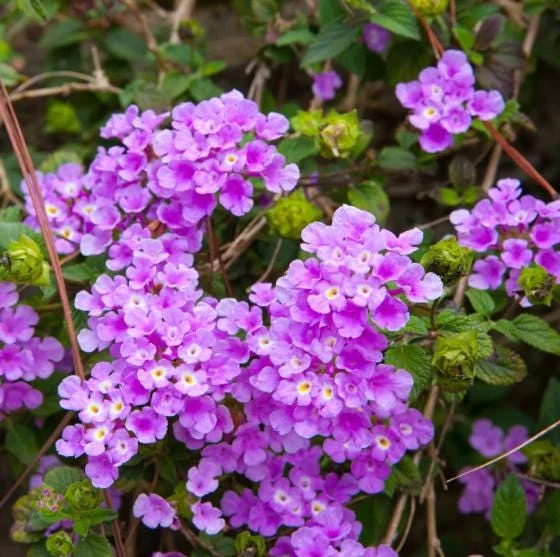
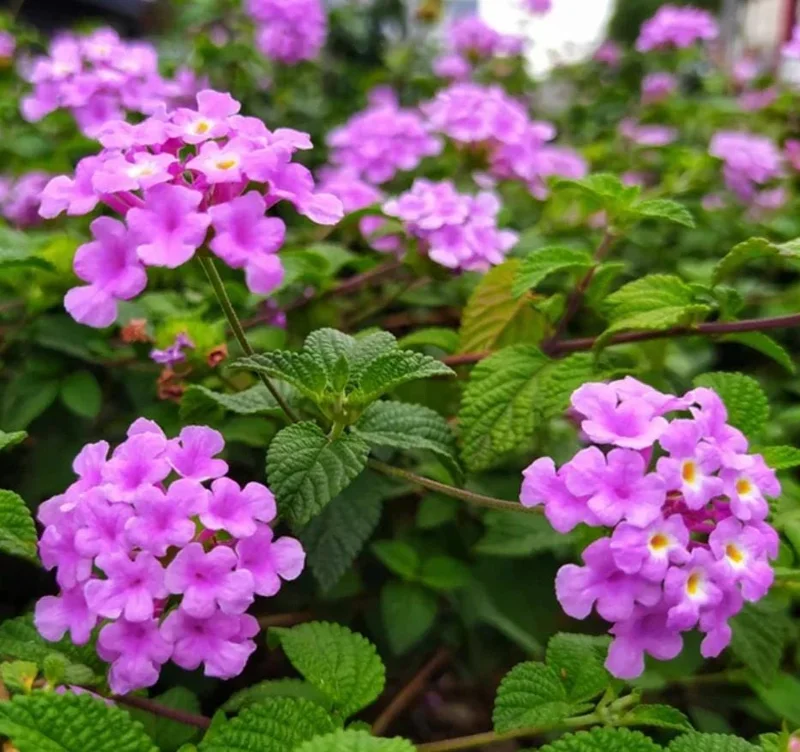
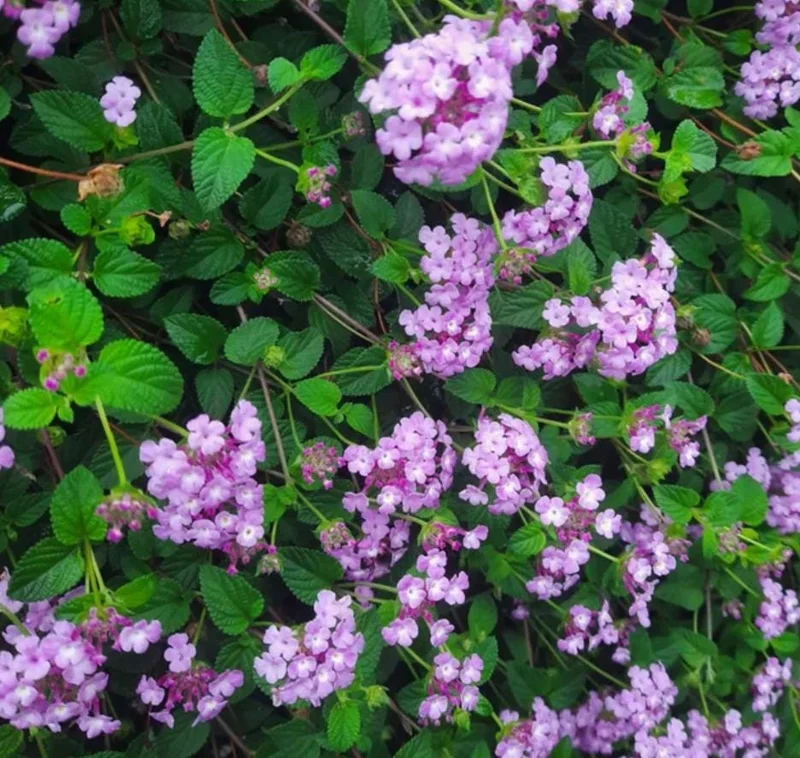
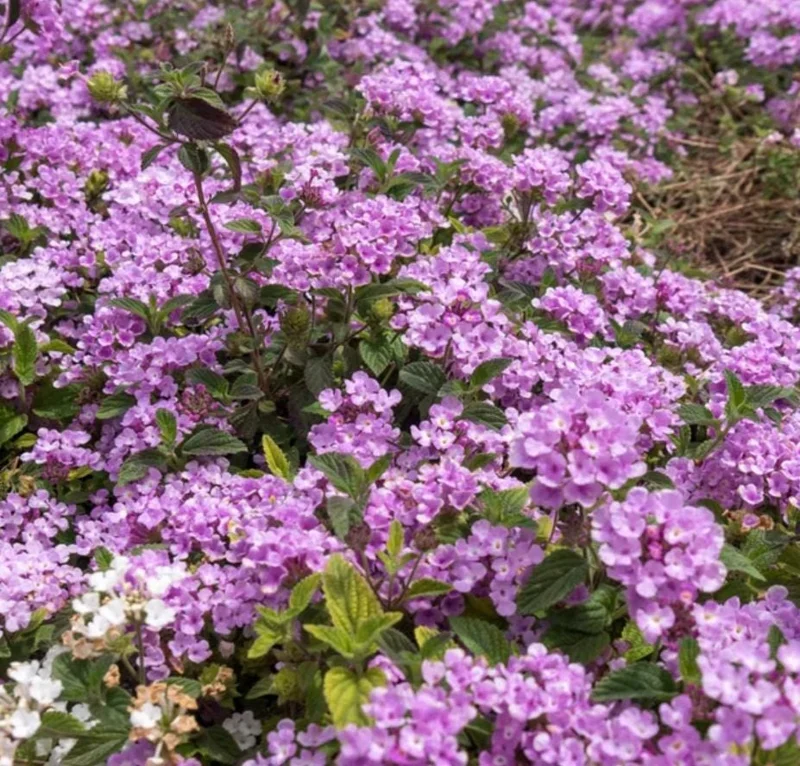
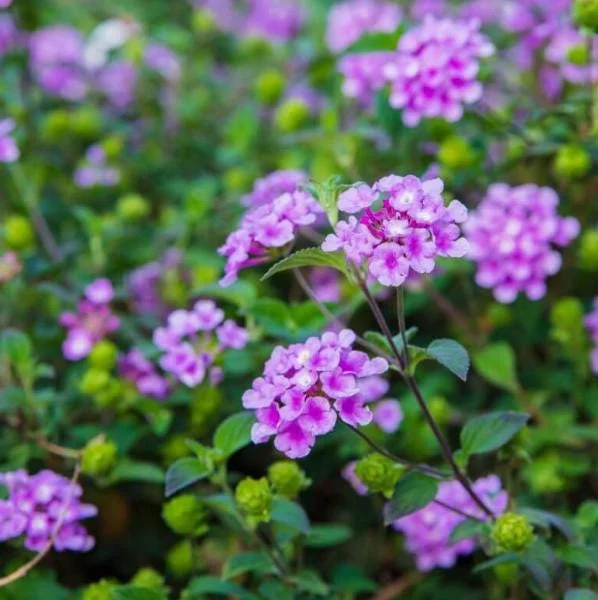
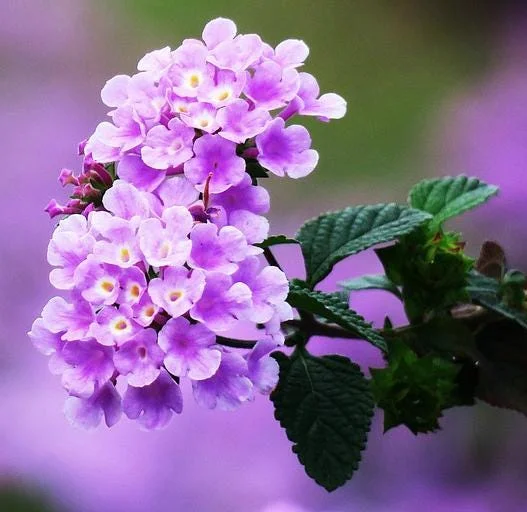
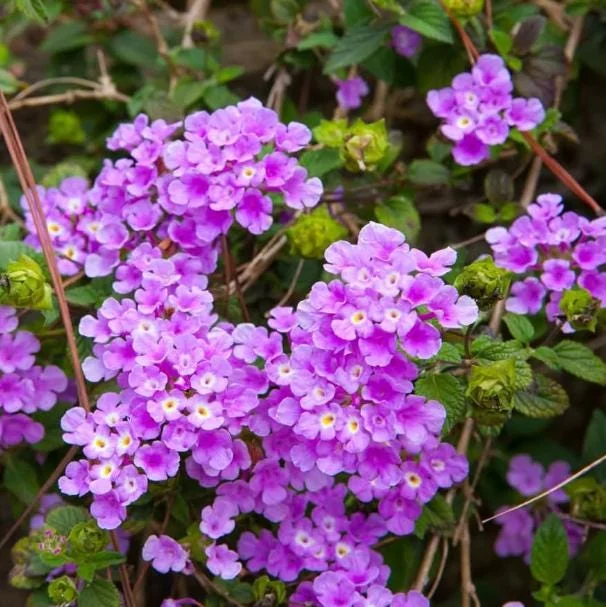
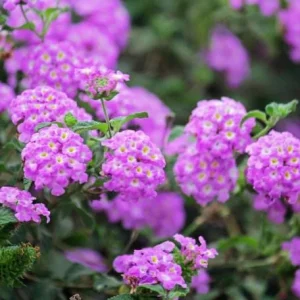
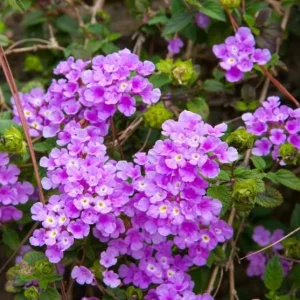
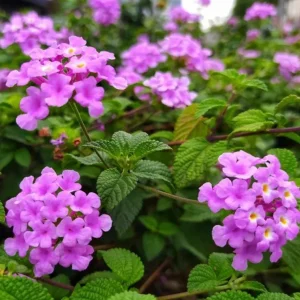
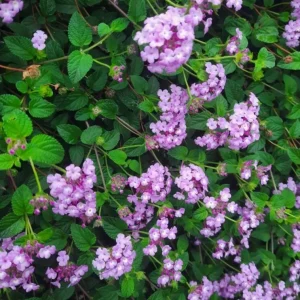
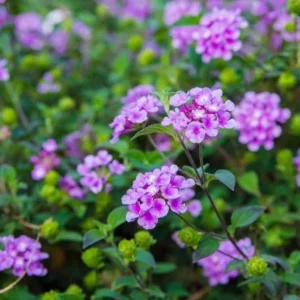
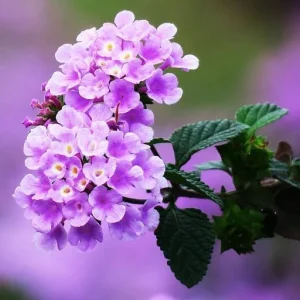
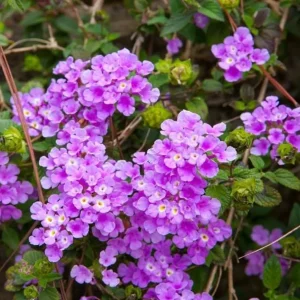
Introduce a splash of vibrant color and a touch of effortless beauty to your outdoor spaces with our stunning purple trailing lantana live plant. This delightful perennial, scientifically known as Lantana montevidensis, is celebrated for its low-growing, spreading habit, making it an exceptional choice for various landscape applications. Unlike its more upright relative, Lantana camara, this trailing variety gracefully cascades over edges, creating a lush, flowering display. Each plant arrives ready for planting, typically 4-6 inches tall, ensuring a healthy start to its journey in your garden. The abundant clusters of lavender to rich purple flowers, often adorned with small yellow throats, bloom profusely from spring through fall, providing continuous visual interest and attracting pollinators like butterflies and hummingbirds.
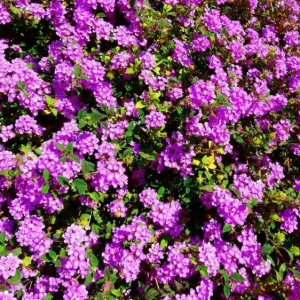
The purple trailing lantana live plant is a versatile and resilient addition to any garden. Its robust nature and ability to thrive in challenging conditions make it a favorite among gardeners seeking both beauty and durability. Whether you’re looking to fill hanging baskets with overflowing color, create a vibrant border, stabilize a sunny slope, or establish an attractive groundcover, this lantana variety delivers exceptional performance. Its natural resistance to deer and heat tolerance further solidifies its status as a top-tier choice for warm climates and busy gardeners.
Key Benefits
Our purple trailing lantana live plant offers numerous advantages for both seasoned gardeners and beginners, transforming any outdoor space into a colorful haven. Its appealing characteristics make it a standout choice for diverse garden designs.
- Continuous Bloom: Enjoy a prolonged season of color with abundant lavender to purple flowers blooming from spring until the first frost, ensuring your garden remains vibrant for months.
- Versatile Landscaping: The trailing habit of this perennial makes it perfect for a variety of uses, including spilling gracefully from hanging baskets, defining garden borders, covering slopes, or acting as an attractive groundcover.
- Attracts Pollinators: The nectar-rich flowers are a magnet for beneficial insects like butterflies and hummingbirds, contributing to a healthy and lively garden ecosystem.
- Low Maintenance: Once established, lantana montevidensis care is remarkably easy. It requires minimal attention, tolerates heat and drought, and is generally resistant to pests and diseases, making it ideal for busy gardeners.
- Drought and Heat Tolerant: Thriving in full sun and capable of enduring dry periods, this plant is an excellent choice for xeriscaping or gardens in warmer climates where water conservation is a priority.
- Deer Resistant: Gardeners in areas with deer concerns will appreciate that lantana is generally unpalatable to deer, helping to protect your beautiful blooms from browsing.
- Vibrant Purple Hue: The striking lavender to purple flowers provide a rich, deep color that complements a wide range of garden palettes and adds an elegant touch to any outdoor setting.
Plant Care & Growing Tips
Proper lantana montevidensis care ensures a healthy and flourishing plant that will provide continuous blooms. This resilient perennial thrives with minimal effort when its basic needs are met. For optimal growth, plant your purple trailing lantana live plant in a location that receives full sun, meaning at least 6 to 8 hours of direct sunlight per day. Adequate sunlight is crucial for prolific flowering and maintaining a compact, bushy habit. Inadequate light can lead to leggy growth and fewer blooms.
When it comes to watering, this plant prefers well-drained soil and has low to moderate water needs. Allow the soil to dry out slightly between waterings, especially after it’s established. Overwatering can lead to root rot, so ensure your planting site or container has excellent drainage. A balanced, well-draining soil mix is ideal. Fertilize sparingly; a slow-release granular fertilizer in spring or a liquid feed every few weeks during the growing season can encourage more blooms, but it’s not strictly necessary if your soil is fertile. Pruning can be done to maintain shape and encourage bushier growth; a light trim after a flush of blooms can promote new flowering cycles. This perennial lantana flowers best with regular deadheading or light shearing.
The purple trailing lantana live plant is hardy in USDA Zones 8 to 11, meaning it can survive winters in these regions and return year after year. In colder zones, it is often grown as an annual or brought indoors during the winter. Ideal temperatures for growth range between 65°F and 95°F. While generally pest-resistant, keep an eye out for common garden pests like whiteflies or spider mites, especially in hot, dry conditions. Proper air circulation and occasional inspection can help prevent issues. This low growing lantana is a robust choice for a vibrant, easy-care garden.
Size & Details
Each order includes one healthy purple trailing lantana live plant, which typically measures 4 to 6 inches in height upon arrival. These plants are shipped without a pot, carefully packaged to ensure their safe journey to your garden. This size is ideal for transplanting directly into your chosen outdoor location, whether it’s a hanging basket, a garden bed, or a container. The rapid growth rate of outdoor lantana plant means it will quickly establish itself and begin to spread, covering an area of 1 to 3 feet wide, depending on growing conditions and available space.
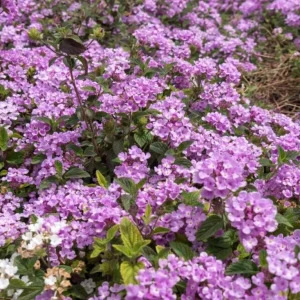
Expect your plant to begin blooming from spring and continue its vibrant display through fall, providing months of continuous color. The compact and trailing nature of Lantana montevidensis makes it an excellent choice for landscape design, offering both visual appeal and practical benefits such as erosion control on slopes. With proper care, this perennial will grow into a robust and floriferous specimen, enhancing your garden’s beauty year after year within its hardiness zones. The plant’s mature height typically remains low, usually between 6 to 12 inches, while its spread can be quite extensive, creating a beautiful groundcover effect.
Frequently Asked Questions
- Q: How big does this purple trailing lantana get? A: This purple trailing lantana live plant typically grows 6 to 12 inches tall and can spread 1 to 3 feet wide, creating a beautiful cascading or groundcover effect. Its low-growing habit makes it perfect for various landscaping needs.
- Q: Is this an indoor or outdoor plant? A: This lantana is primarily an outdoor lantana plant, thriving in full sun. In USDA Zones 8-11, it is a perennial; in colder zones, it is often grown as an annual or overwintered indoors in a bright location.
- Q: How much sunlight does it need? A: For optimal blooming and health, your perennial lantana flowers best in full sun, requiring at least 6 to 8 hours of direct sunlight per day. Less sun can result in fewer flowers and leggy growth.
- Q: Is this plant easy to care for? A: Yes, this low growing lantana is known for being very easy to care for. It’s drought-tolerant, heat-tolerant, and generally pest-resistant, making it a great choice for beginners and busy gardeners alike.
- Q: What condition will it arrive in? A: Your lantana will arrive as a healthy, live plant, typically 4-6 inches tall, shipped without a pot. It will be carefully packaged to ensure its safe arrival, ready for immediate planting.
- Q: How long until it blooms? A: With proper care and sufficient sunlight, your purple trailing lantana live plant should begin blooming in spring and continue to produce flowers throughout the summer and fall, until the first frost.
- Q: Will it survive winter in my zone? A: This lantana is hardy in USDA Zones 8 to 11, where it will survive the winter as a perennial. In zones colder than 8, it is best treated as an annual or brought indoors before frost.
- Q: What type of soil does it prefer? A: The purple trailing lantana live plant prefers well-drained soil. It is not particular about soil type but good drainage is essential to prevent root rot.
- Q: Does this lantana attract butterflies? A: Yes, the vibrant flowers of this lantana are very attractive to butterflies, hummingbirds, and other pollinators, making it a wonderful addition to a wildlife-friendly garden.
- Q: Can I use this plant in hanging baskets? A: Absolutely! Its trailing habit makes it an excellent choice for hanging baskets, containers, and window boxes, where its beautiful purple blooms can cascade gracefully.


Reviews
There are no reviews yet.