Overview
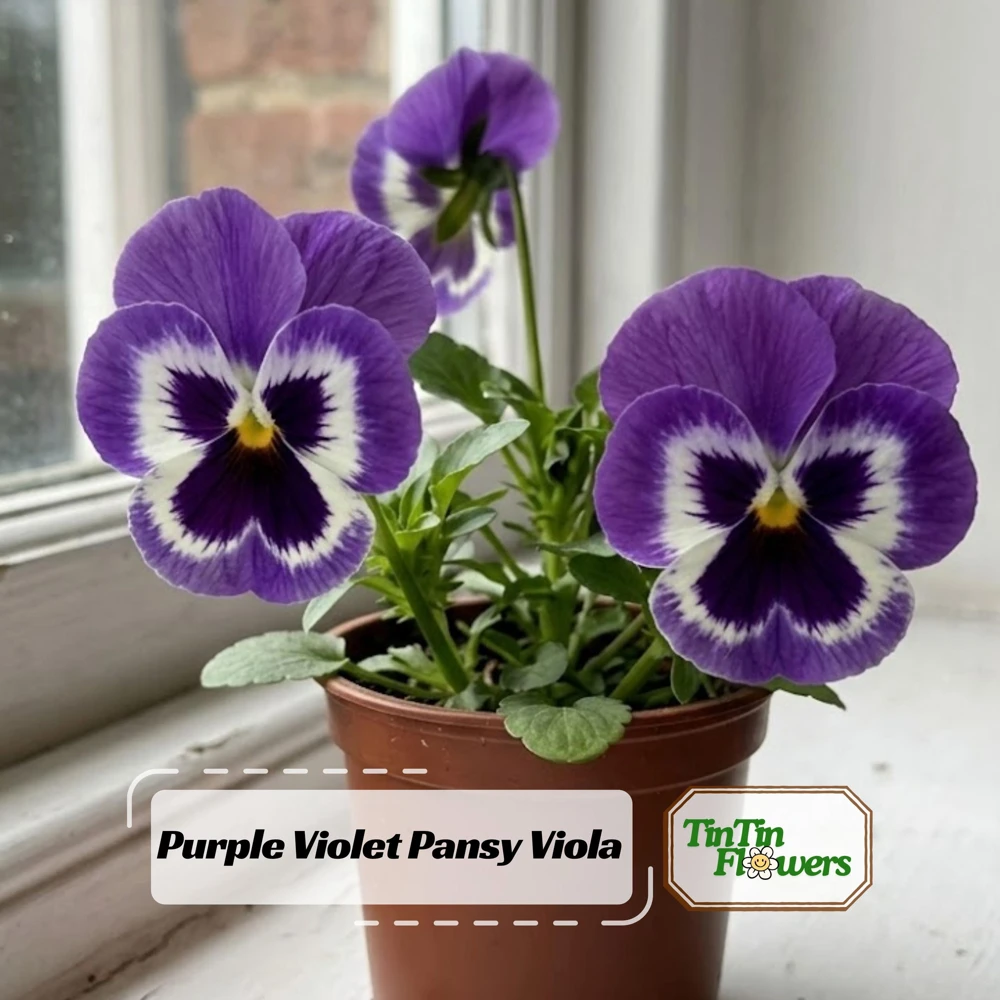
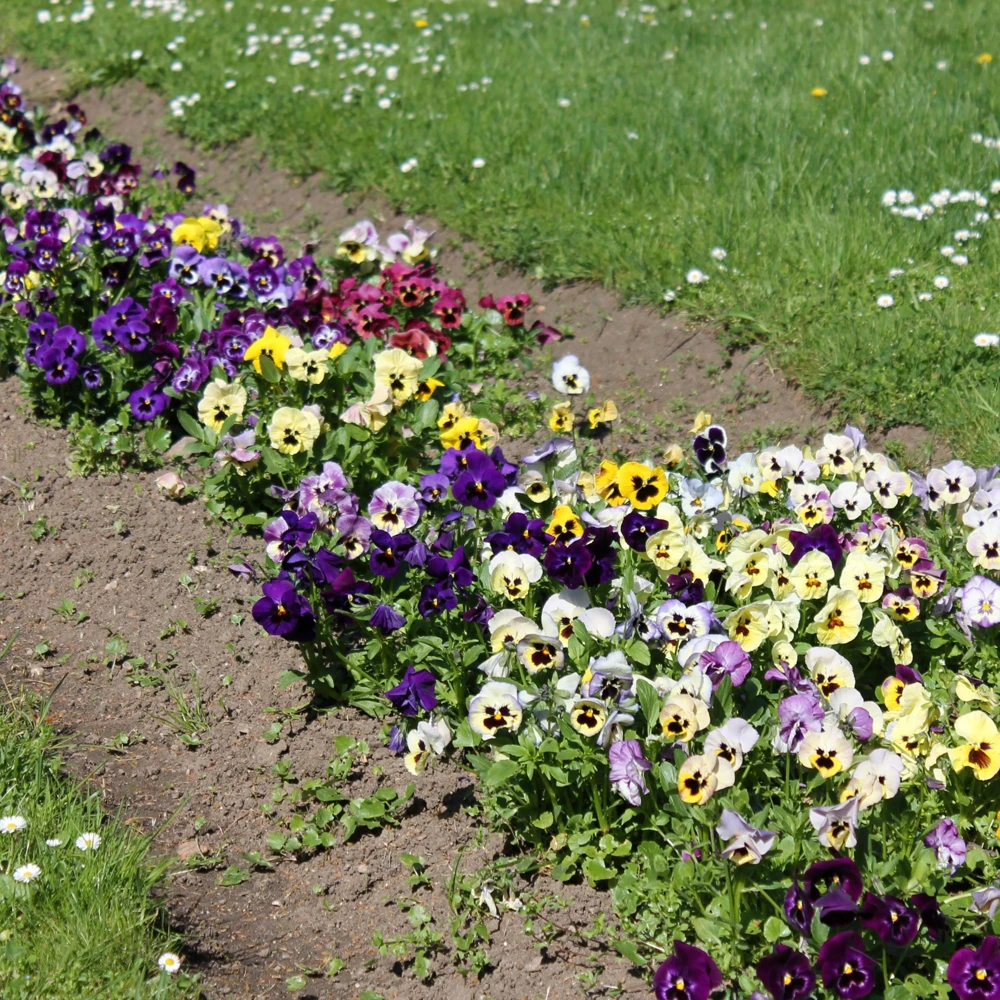
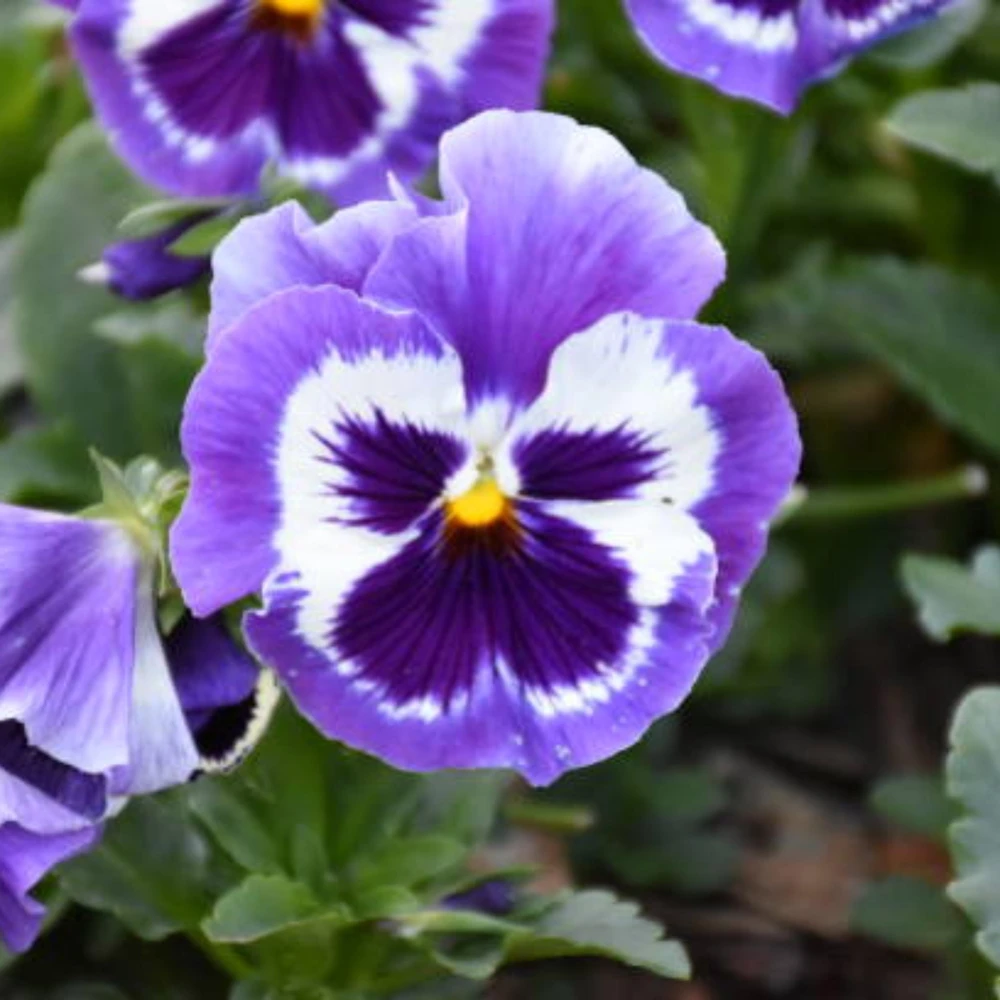
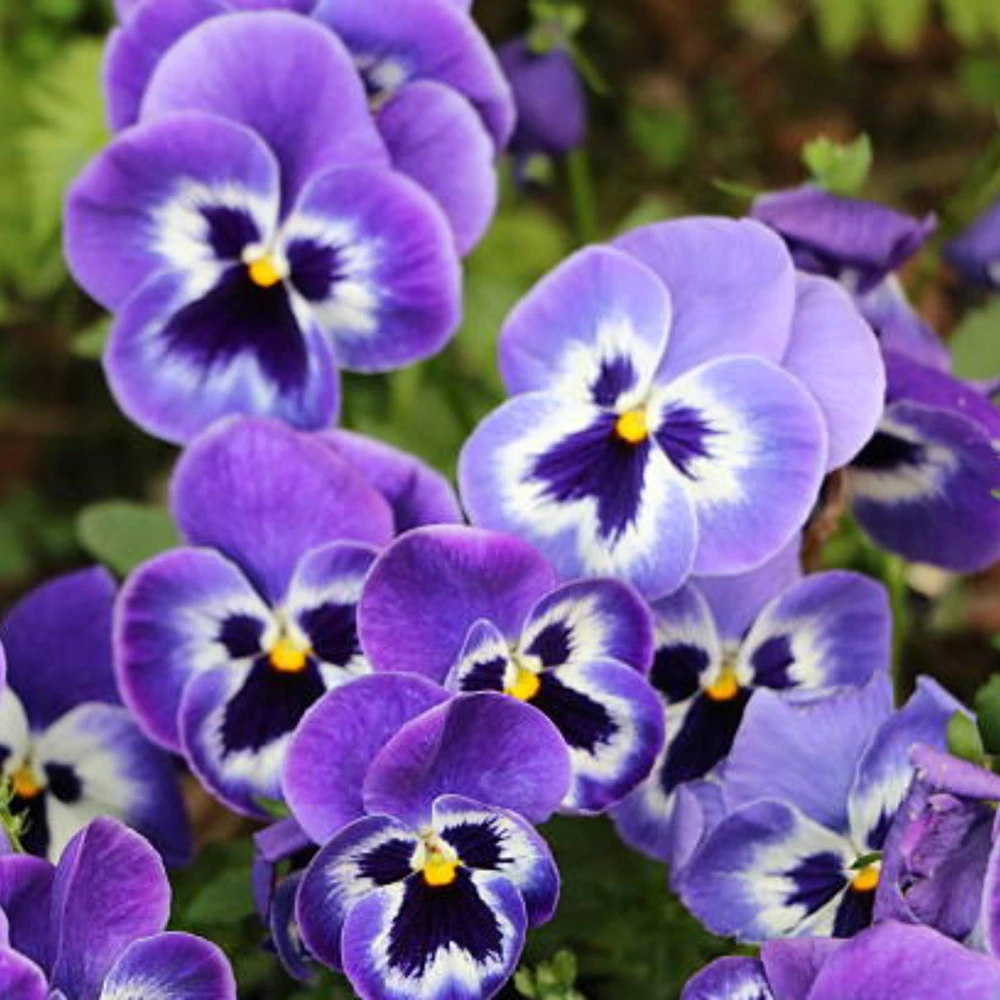
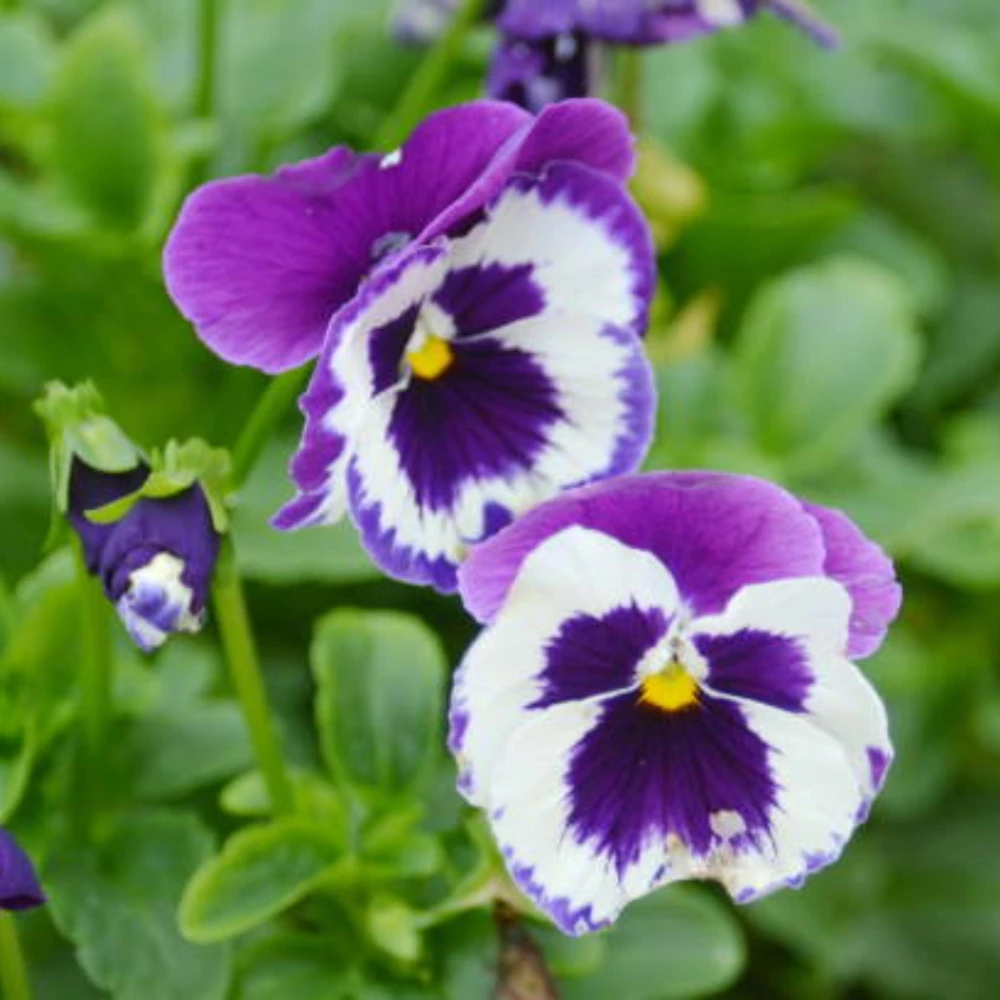
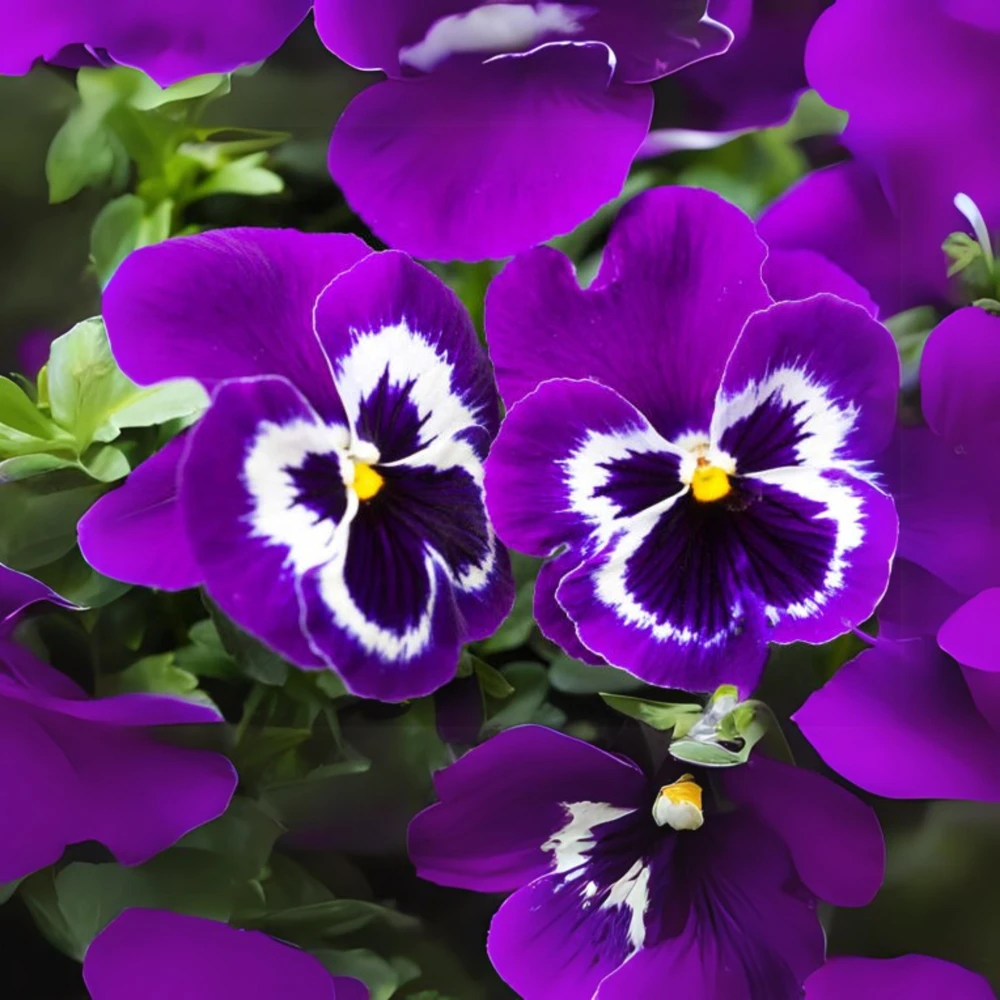
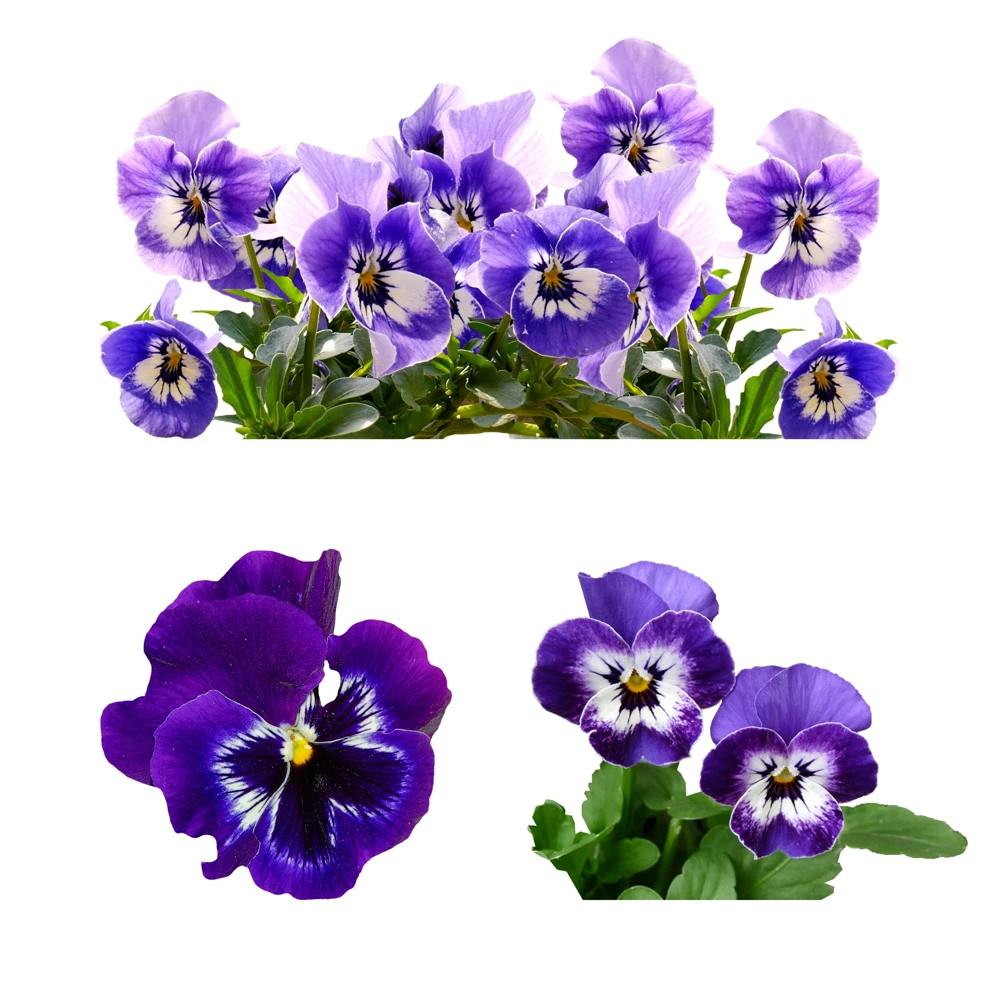
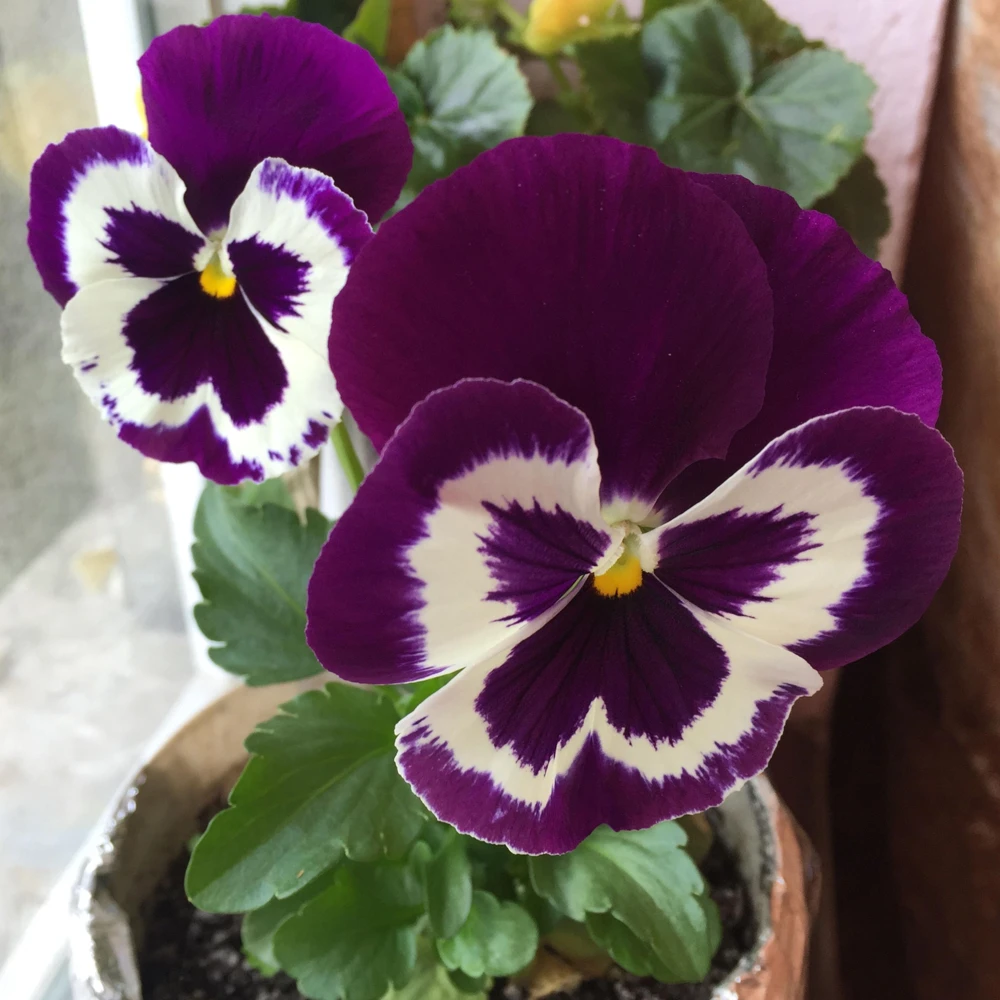
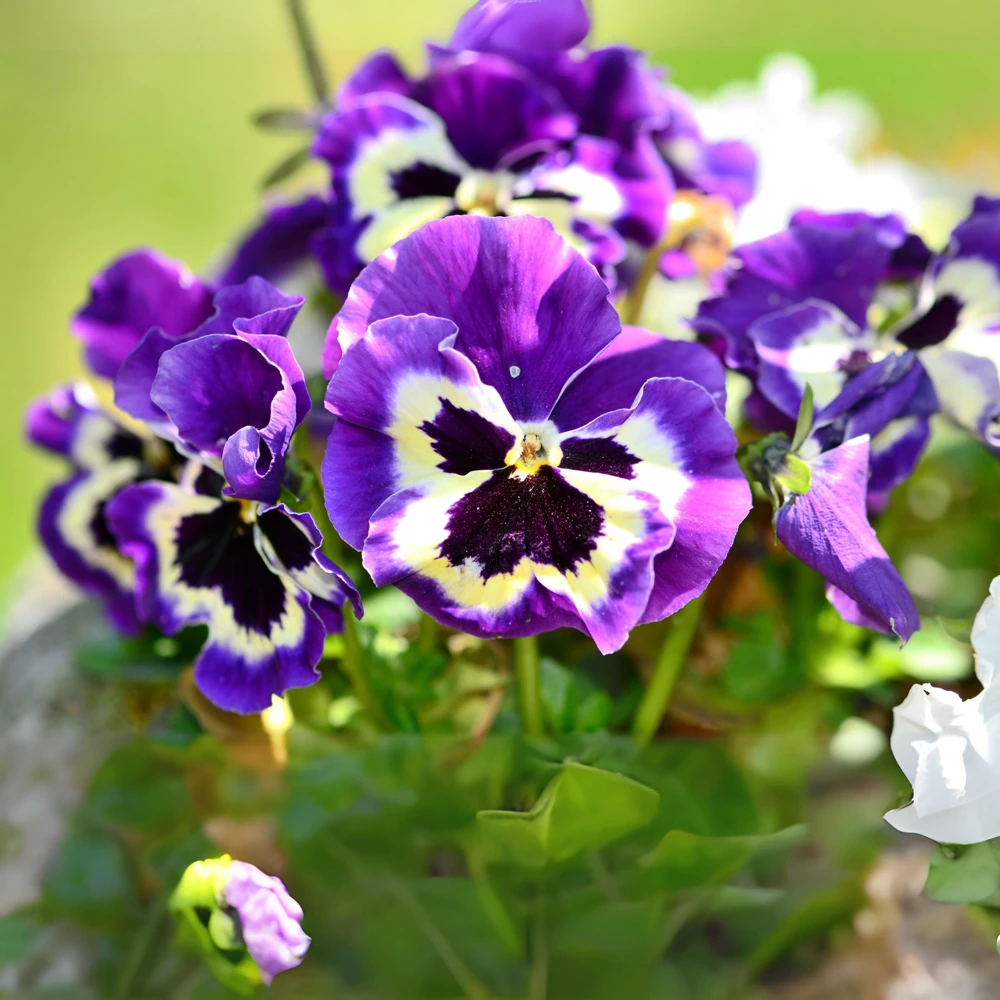
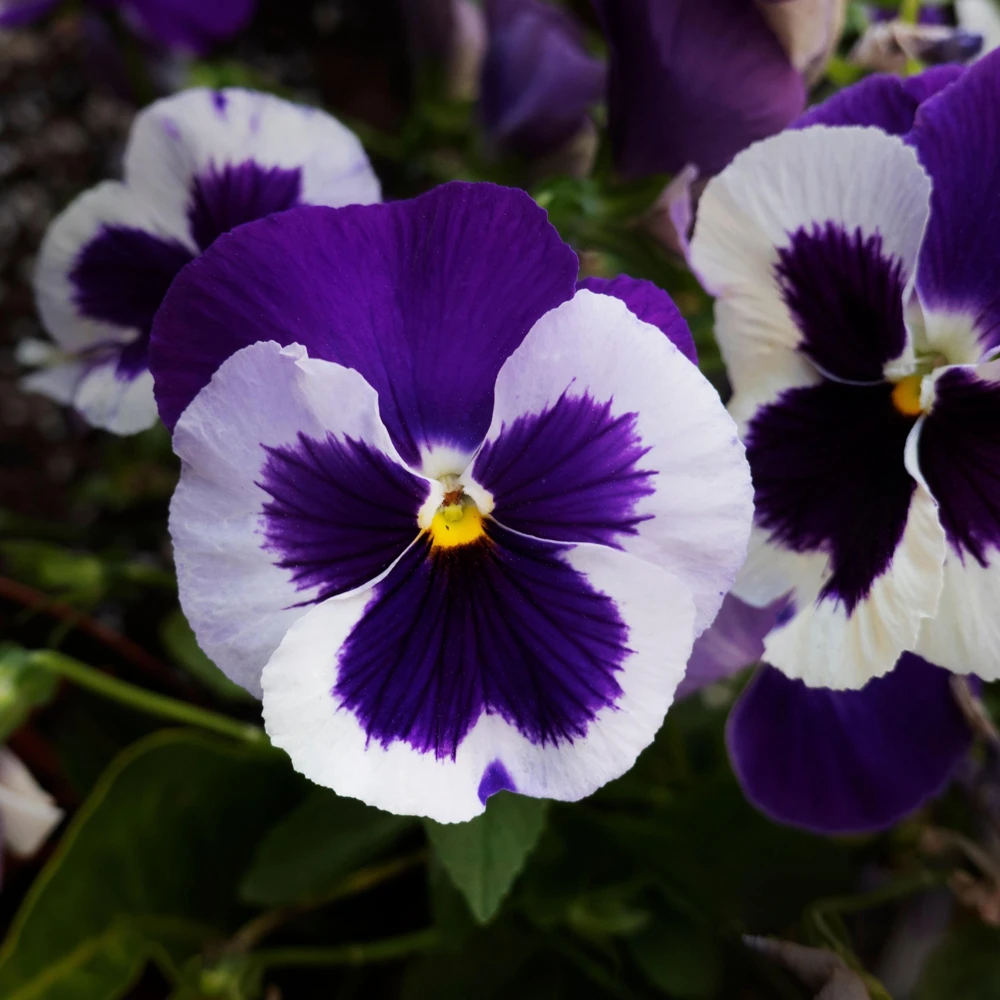
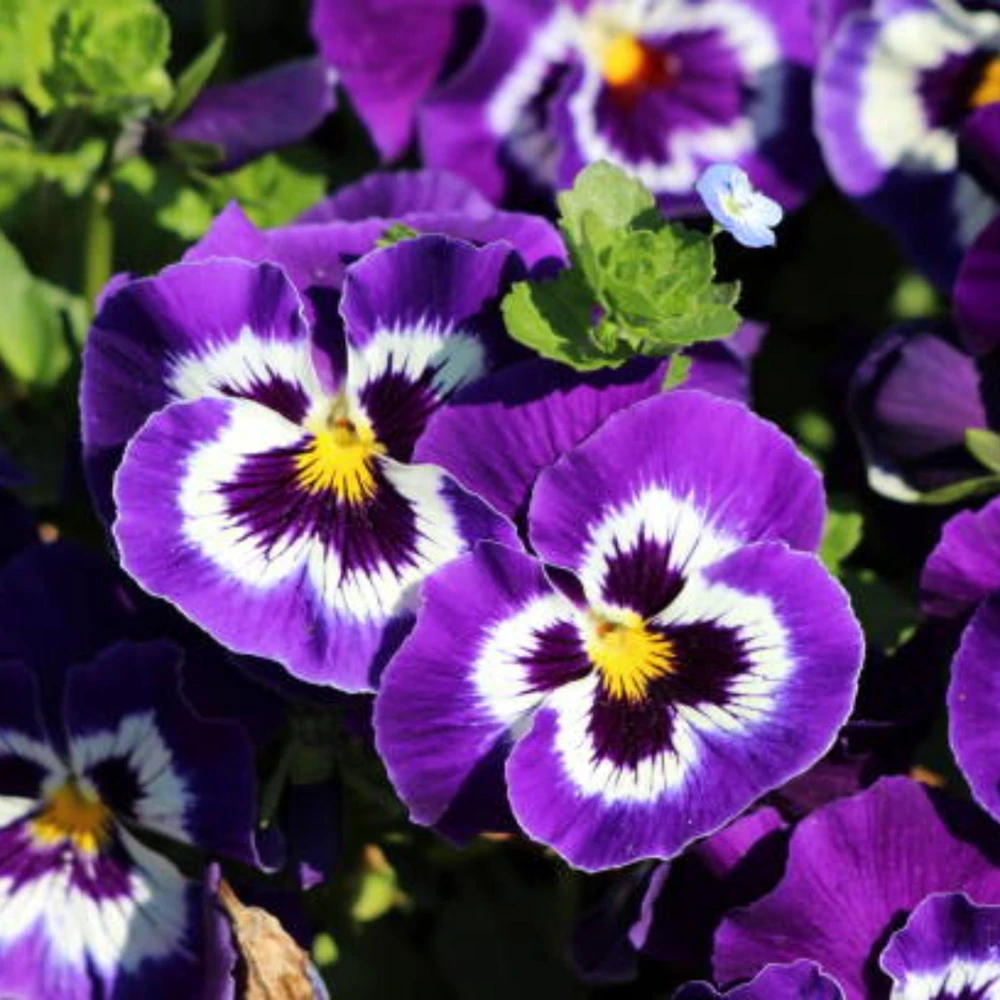
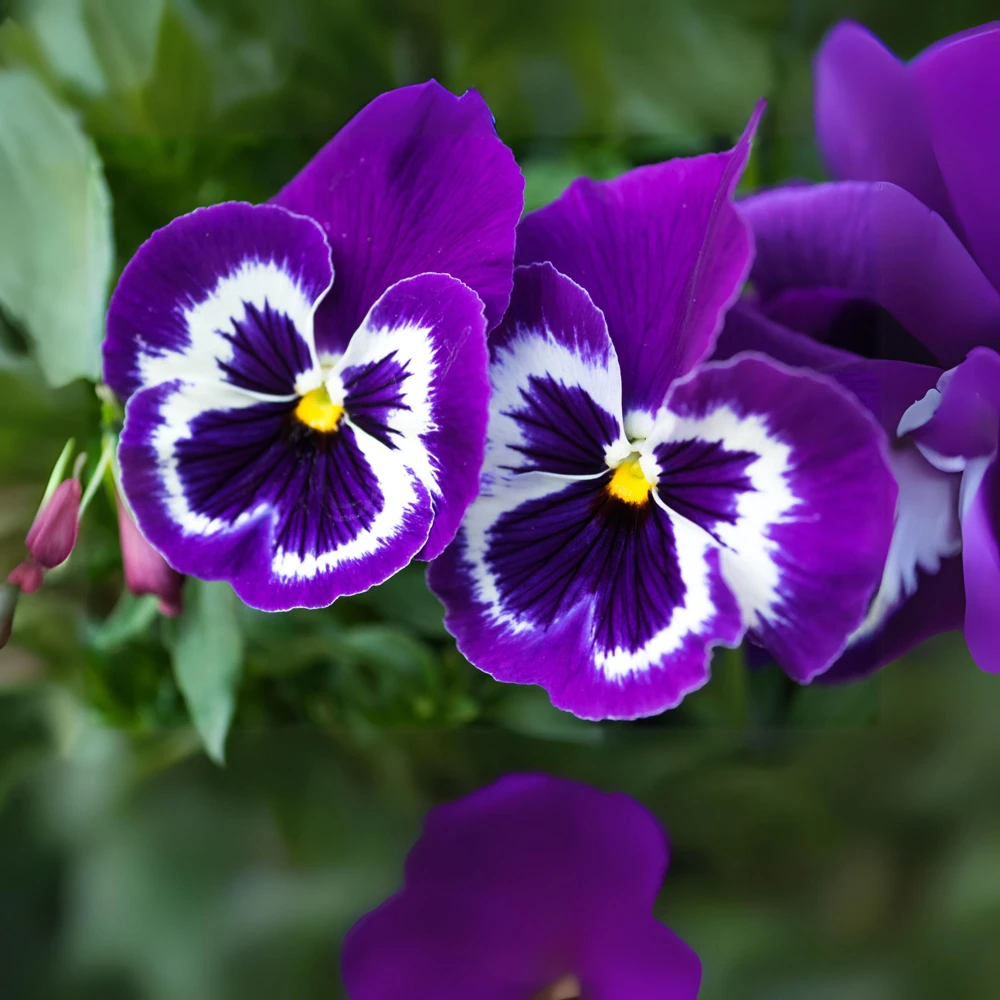
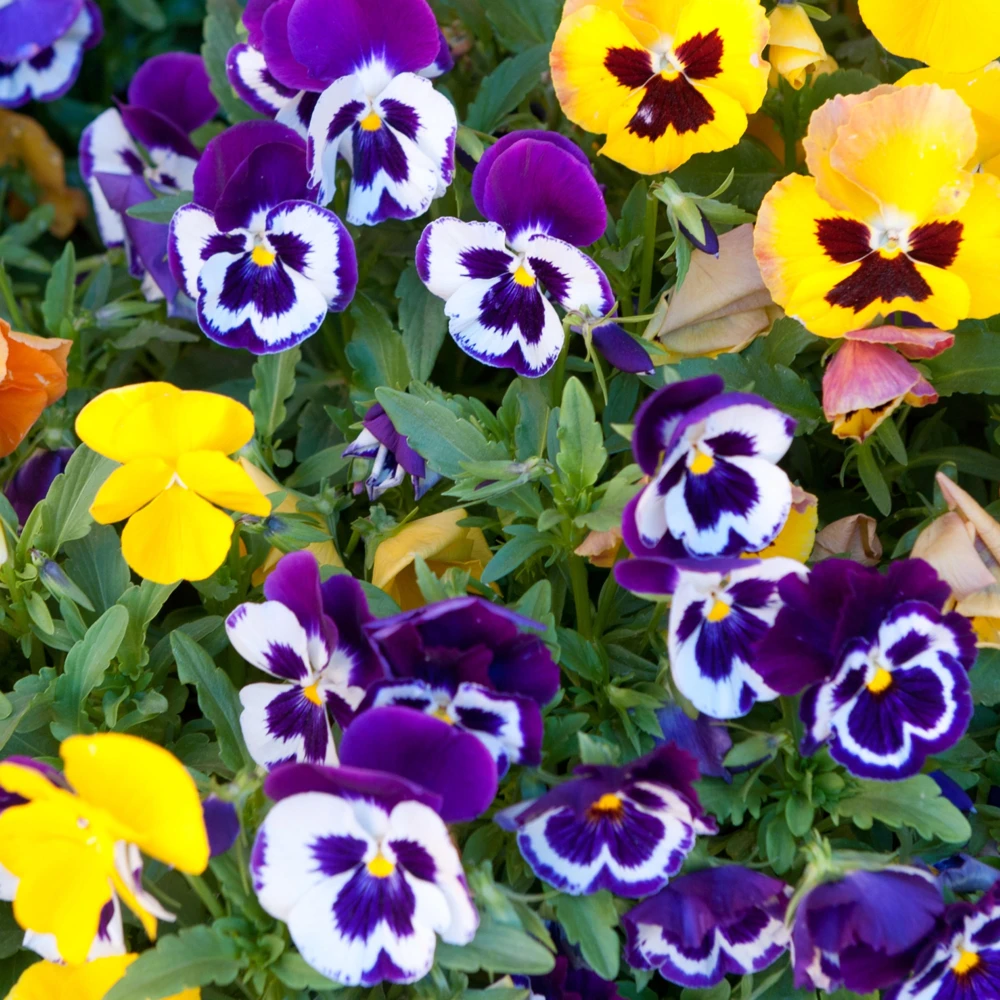
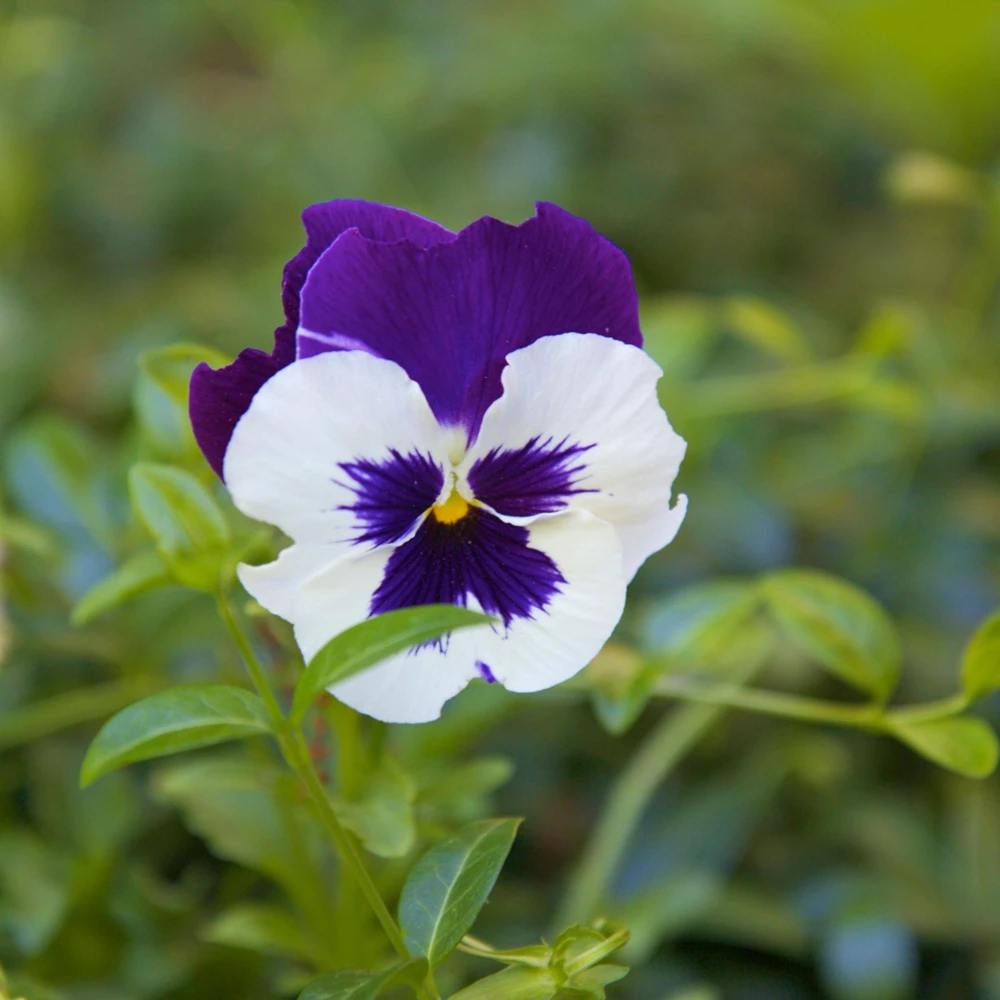
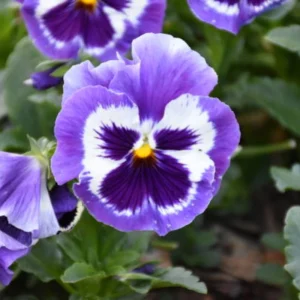
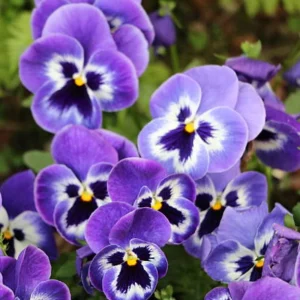
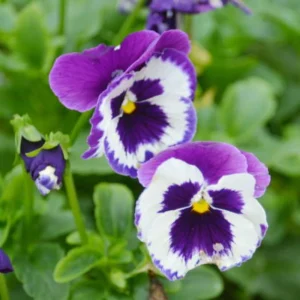
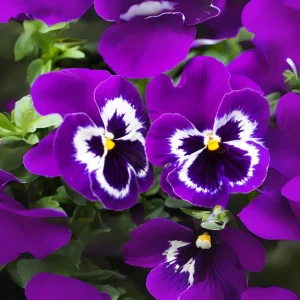
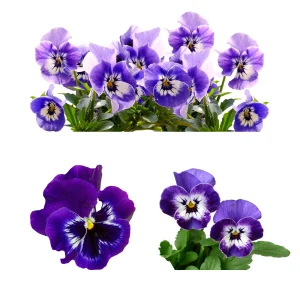
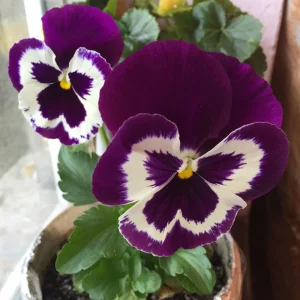
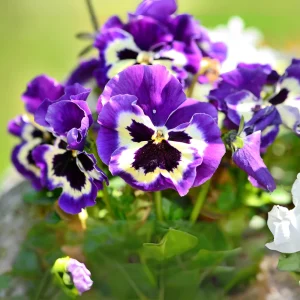
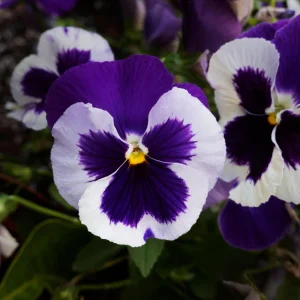
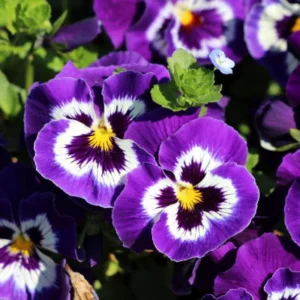
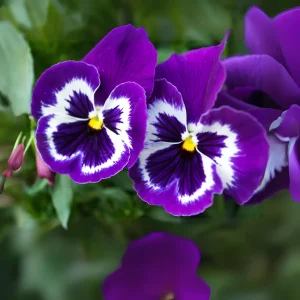
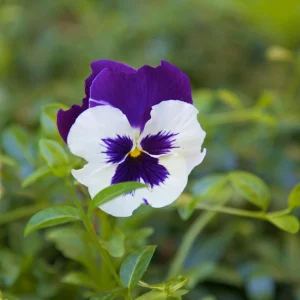
Embark on a rewarding gardening journey with our premium purple violet pansy seeds. Pansies, scientifically known as Viola × wittrockiana, are cherished for their vibrant, cheerful blooms and often ‘face-like’ markings, bringing a touch of whimsy and elegance to any garden space. These particular seeds promise stunning purple violet hues, ensuring a captivating display. As an open-pollinating variety, these pansies will reliably produce seeds that carry on their desirable traits, including their impressive cold and draft resistance. Perfect for gardeners looking to add consistent color and charm, these easy-to-grow seeds are a fantastic choice for both beginners and seasoned enthusiasts. Experience the joy of nurturing these beautiful flowers from seed to bloom, enhancing your outdoor or even indoor spaces with their delightful presence.
Our purple violet pansy seeds are also self-pollinating, making them an excellent choice for maintaining genetic purity and ensuring consistent plant characteristics. This makes them a reliable option for gardeners who appreciate predictable results and robust plant health. Whether you’re planning a colorful border, a charming container display, or a vibrant ground cover, these pansies are versatile and resilient. Their ability to withstand cooler temperatures and drafts extends their growing season, allowing for longer periods of enjoyment. Discover the simple pleasure of growing these resilient and beautiful flowers.
Key Benefits
Our purple violet pansy seeds offer a multitude of benefits for any gardener, combining aesthetic appeal with practical resilience. These seeds are a fantastic investment for creating a vibrant and long-lasting garden display.
- Vibrant Purple Violet Blooms: Enjoy the rich, deep purple and violet shades that these pansies produce, adding a sophisticated and cheerful aesthetic to your garden. Their striking colors are perfect for creating focal points or complementary planting schemes.
- Cold and Draft Resistant: These pansies are specifically bred to be resilient against cooler temperatures and drafts, making them suitable for a wider range of climates and extending their blooming season well into colder months. This characteristic also makes them a great choice for early spring or late fall planting.
- Open and Self-Pollinating: The open-pollinating nature ensures that you can save seeds from your harvest to plant again next season, maintaining the desired traits. Their self-pollinating ability also ensures reliable seed production for future gardening endeavors.
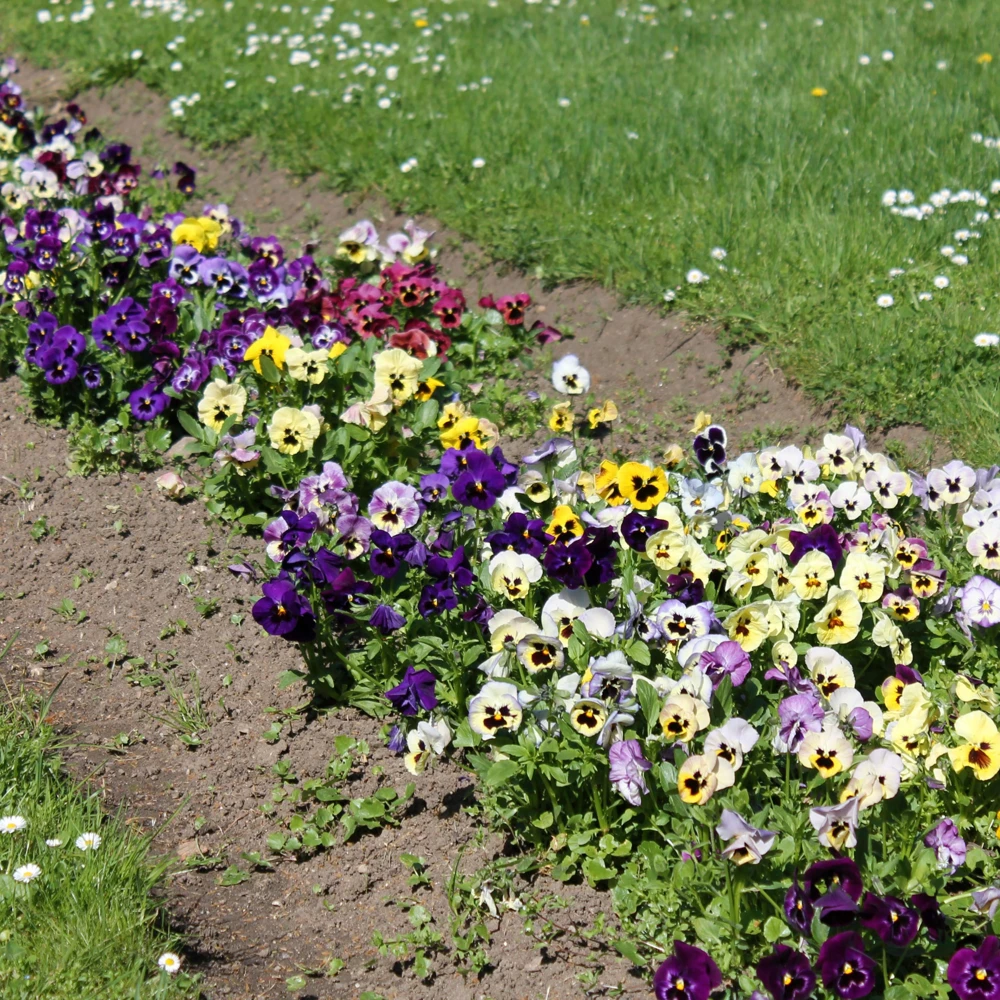
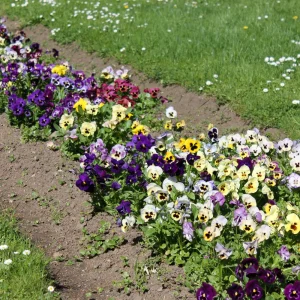
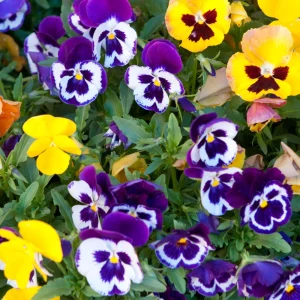
- Versatile Garden Use: Excellent for various landscaping applications, including vibrant borders, charming container gardens, or as an attractive ground cover. Their compact growth habit makes them adaptable to different garden designs.
- Easy to Grow: Ideal for gardeners of all skill levels, these viola seeds for garden are relatively low-maintenance once established, providing abundant blooms with minimal fuss. The included growing guide simplifies the process from seed to flower.
- Extended Blooming Season: With proper care and their inherent resistance to cooler weather, these pansies can offer a long season of blooms, providing continuous color and beauty for an extended period.
- Attracts Pollinators: While self-pollinating, their vibrant flowers can still attract beneficial pollinators like bees, contributing to a healthier garden ecosystem.
Plant Care & Growing Tips
Successfully growing purple violet pansy seeds involves understanding their basic needs and providing a suitable environment. Pansies thrive in well-prepared soil and with consistent care. For cooler climates (Zones 6-8), you can start seeds indoors in late summer for fall blooms or direct sow in early spring for spring/summer blooms. In warmer climates (Zones 9-11), sow in fall for winter and early spring blooms. When starting indoors, begin 8–10 weeks before the last frost using a light, well-draining seed starting mix. Lightly press seeds onto the soil surface, as pansies need darkness to germinate; cover with newspaper or a blackout dome. Maintain a temperature of 65–70°F (18–21°C) for optimal germination, which typically takes 10–14 days. These robust plants, known as cold resistant pansy, will reward you with beautiful flowers.
Once seedlings are ready, transplant them outdoors after the danger of frost has passed in spring, or in fall in milder zones, spacing them 6–9 inches apart. Pansies prefer loamy, moist, but well-drained soil enriched with compost, with a pH of 6.0–7.0. They flourish in full sun to partial shade, with afternoon shade being beneficial in hot climates to prevent wilting. For direct sowing, plant in early spring or late summer to early fall depending on your region, ensuring the area remains moist until germination. Consistent watering is crucial; keep the soil moist but not soggy, watering at the base of the plant. Fertilize every 2–3 weeks with a balanced, water-soluble fertilizer. Deadheading faded flowers will encourage more blooms, promoting a longer and more prolific flowering period. Mulching helps retain soil moisture and keeps roots cool in warmer weather. Watch out for common pests like aphids and snails, and diseases such as powdery mildew; good air circulation helps prevent fungal issues. Understanding how to grow pansies effectively ensures a thriving garden.
Size & Details
Each pack contains 25 high-quality purple violet pansy seeds, providing ample opportunity to cultivate a beautiful display. These pansy plants typically grow to a compact height of 6-9 inches and spread similarly, making them ideal for various garden applications. The germination time for these seeds is approximately 10–14 days under optimal conditions. Once established, the plants will produce vibrant purple violet flowers, adding continuous color to your landscape. They are known for their strong resilience, particularly as a draft resistant pansy, ensuring robust growth even in less-than-ideal conditions. Expect consistent and abundant blooms throughout their growing season, especially with regular deadheading.
These pansy seeds are shipped in a protective packet to ensure their viability upon arrival. The plants generally reach maturity and begin flowering within 8-12 weeks after germination, depending on planting conditions and climate. Their self-seeding nature means that if left to go to seed, they can re-establish themselves for future seasons, providing ongoing beauty. These seeds are a reliable choice for gardeners seeking both beauty and ease of cultivation, offering a rewarding experience from planting to bloom. For those interested in viola seeds for garden, this pack offers excellent value and performance.
Frequently Asked Questions
- Q: How big do these pansy plants get? A: These pansy plants typically grow to a compact height and spread of about 6-9 inches, making them ideal for borders, containers, and ground cover. Their moderate size ensures they fit well into various garden designs without overcrowding.
- Q: Is this an indoor or outdoor plant? A: While primarily grown outdoors, pansies can be started indoors and then transplanted. They thrive in outdoor garden settings, providing vibrant color to beds, containers, and hanging baskets. They are particularly known as a cold resistant pansy.
- Q: How much sunlight does it need? A: Pansies prefer full sun to partial shade. In hotter climates, providing afternoon shade can help protect the plants from excessive heat and prolong their blooming period.
- Q: Is this plant easy to care for? A: Yes, these pansies are relatively easy to care for, making them suitable for gardeners of all experience levels. With proper planting and consistent watering, they will reward you with abundant blooms. This makes them a great choice for those learning how to grow pansies.
- Q: What condition will the seeds arrive in? A: The purple violet pansy seeds will arrive in a protective packet, ensuring their viability and readiness for planting. We take care to package them securely to prevent damage during transit.
- Q: When is the best time to plant these pansy seeds? A: For cooler climates (Zones 6-8), plant indoors in late summer for fall blooms or direct sow in early spring for spring/summer blooms. In warmer climates (Zones 9-11), sow in fall for winter and early spring blooms.
- Q: Will these pansies survive winter in my zone? A: These pansies are noted for being cold resistant pansy and can tolerate cooler temperatures. In frost-prone areas, covering them with mulch or bringing potted plants indoors during cold snaps can help them survive.
- Q: Can I save seeds from these plants for next year? A: Yes, as these are open-pollinating seeds, you can save seeds from your mature plants to sow in subsequent seasons, allowing you to enjoy your beautiful pansies year after year. This is a key benefit of open pollinating pansy varieties.
- Q: Are these pansies good for beginners? A: Absolutely! Their relatively easy care requirements and robust nature make them an excellent choice for beginner gardeners looking to add beautiful flowers to their landscape.
- Q: What kind of soil do pansies prefer? A: Pansies thrive in loamy, moist, but well-drained soil that is enriched with compost. They prefer a soil pH between 6.0 and 7.0 for optimal growth and flowering.


Reviews
There are no reviews yet.