Overview
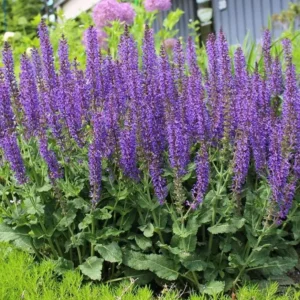
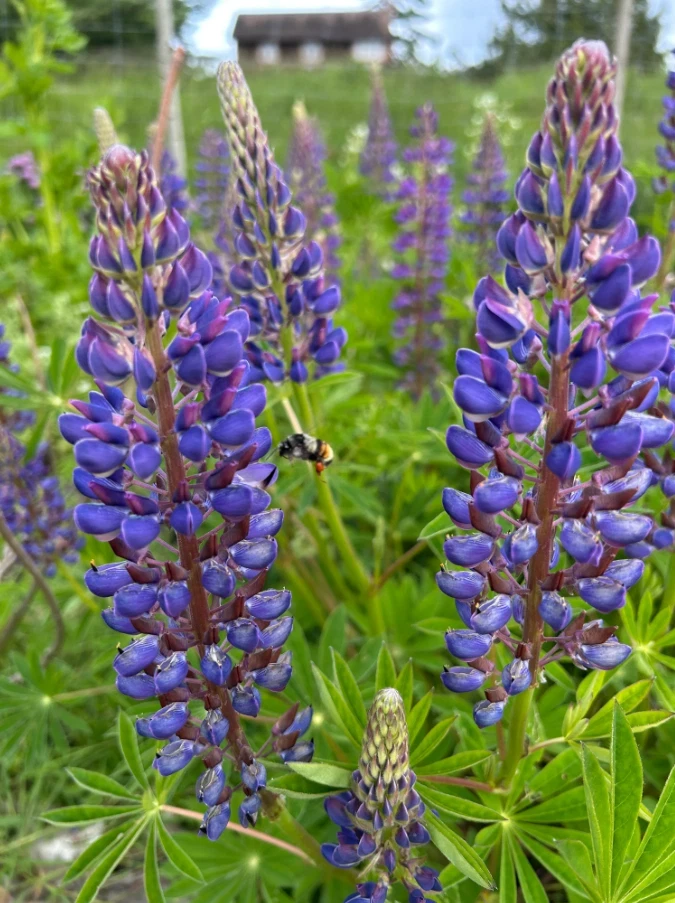
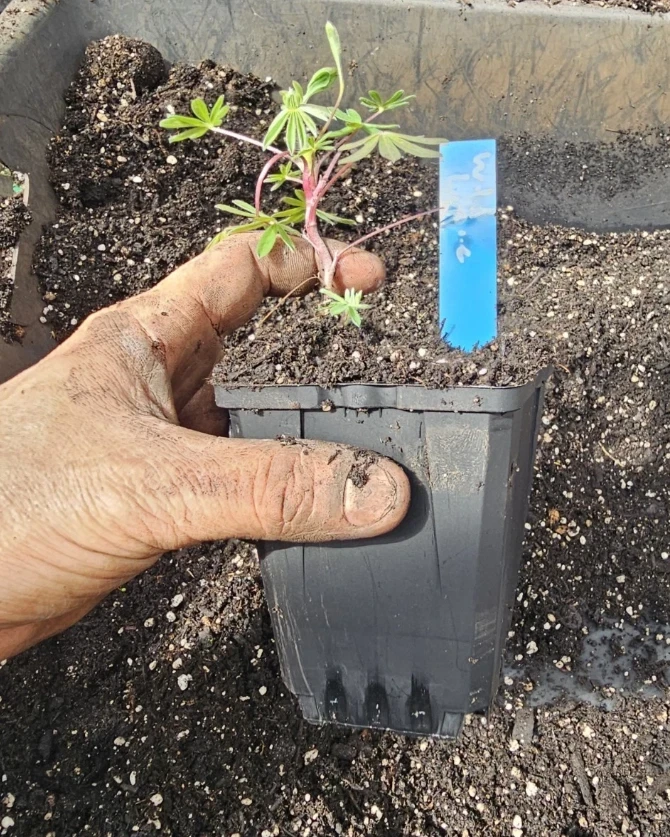
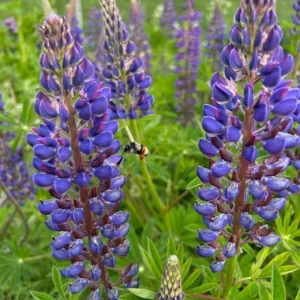
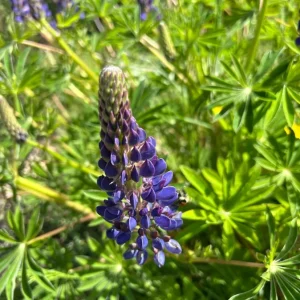
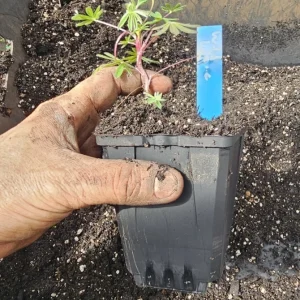
Introduce a touch of native beauty to your landscape with the exquisite purple wild lupine live plant. This stunning perennial, scientifically known as Lupinus perennis, is celebrated for its striking spires of densely packed, pea-like flowers that emerge in late spring to early summer. Arriving as a healthy live plant in a 3-inch pot, it’s ready to be transplanted into your garden, where it will establish quickly and provide years of vibrant color. The wild lupine is not only admired for its aesthetic appeal but also for its ecological benefits, serving as a crucial host plant for the endangered Karner blue butterfly and a magnet for various pollinators like bees and hummingbirds. Its robust nature and captivating presence make it an ideal choice for naturalized areas, cottage gardens, or perennial borders. Growing wild lupine is a rewarding experience for any gardener looking to support local ecosystems while enjoying spectacular floral displays.
The distinctive deep purple hue of its blossoms creates a dramatic visual impact, making it a focal point in any garden setting. Unlike some more delicate garden varieties, the purple wild lupine live plant is remarkably resilient, thriving in a range of conditions once established. Its ability to fix nitrogen in the soil also contributes to healthier surrounding plants, making it a beneficial addition beyond its ornamental value. This plant embodies both beauty and ecological significance, offering a unique opportunity to cultivate a piece of natural American heritage right in your backyard.
Key Benefits
Choosing the purple wild lupine live plant for your garden offers a multitude of advantages, from its stunning visual appeal to its invaluable environmental contributions:
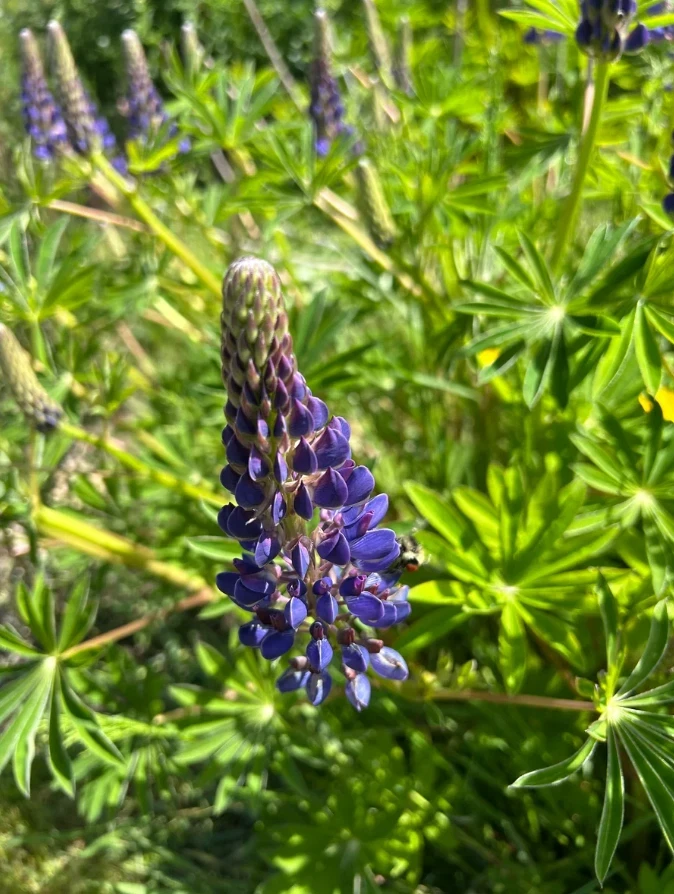
- Vibrant Floral Displays: The upright spires of deep purple flowers create an unforgettable spectacle, adding dramatic height and rich color to your garden beds and borders. These blooms are a true highlight of the late spring and early summer landscape.
- Pollinator Magnet: This plant is a favorite among local pollinators, including various bee species, hummingbirds, and butterflies. It provides essential nectar, making it an excellent choice for a pollinator-friendly garden and supporting biodiversity. It’s particularly vital as a host plant for the Karner blue butterfly.
- Low Maintenance Perennial: Once established, growing wild lupine requires minimal care. It is drought-tolerant and generally resistant to pests and diseases, making it a perfect option for gardeners seeking beauty without constant upkeep.
- Nitrogen Fixer: As a legume, wild lupine has the unique ability to fix atmospheric nitrogen into the soil, enriching its fertility. This natural process benefits neighboring plants and reduces the need for synthetic fertilizers.
- Erosion Control: Its strong root system helps to stabilize soil, making it an excellent choice for slopes or areas prone to erosion. This practical benefit complements its ornamental qualities.
- Native Plant Appeal: Incorporating native plants like lupine for pollinators helps to restore local ecosystems and provides habitat and food sources for native wildlife, contributing to environmental health.
- Deer Resistant: While not entirely deer-proof, lupines are generally less appealing to deer than many other garden plants, offering some protection against browsing damage.
Plant Care & Growing Tips
Caring for your purple wild lupine live plant is straightforward, especially when you understand its preferred conditions. Lupines thrive in full sun, meaning they need at least 6 hours of direct sunlight per day to produce the most abundant blooms. While they can tolerate partial shade, flowering may be reduced. When planting, choose a location with well-draining soil. Lupines are not fond of heavy, wet soils, which can lead to root rot. Sandy or gravelly soils are often ideal, mimicking their natural habitat. Ensure good air circulation around the plant to prevent fungal issues.
Watering should be consistent during the plant’s establishment phase, typically the first year after planting. Once established, wild lupines are quite drought-tolerant and prefer drier conditions. Overwatering is a common mistake; allow the soil to dry out between waterings. Fertilization is rarely necessary for this nitrogen-fixing plant. In fact, too much fertilizer, especially high-nitrogen formulas, can inhibit flowering. If your soil is very poor, a light application of a low-nitrogen, high-phosphorus fertilizer in early spring can be beneficial. Deadheading spent flower stalks can encourage a second, smaller flush of blooms and prevent self-seeding if desired.
The purple wild lupine live plant is hardy in USDA zones 3-8. It prefers cooler climates and may struggle in areas with very hot, humid summers. Protecting young plants from slugs and snails in spring can be helpful. While generally robust, keeping an eye out for powdery mildew in humid conditions or aphids can help maintain plant health. Proper spacing and good air circulation are key preventative measures. Understanding these care requirements will help you ensure a thriving display of perennial garden flowers.
Size & Details
This offering includes one healthy purple wild lupine live plant, shipped in a 3″ nursery pot, ready for immediate planting in your garden. At maturity, these majestic plants typically reach a height of 2 to 3 feet and spread about 1 to 1.5 feet wide, forming attractive clumps. The growth rate is moderate, with plants establishing well in their first year and reaching their full size over a few seasons. The distinctive flower spires can be up to a foot long, adding significant vertical interest to your landscape.
Wild lupines are deciduous perennials, meaning their foliage will die back in the winter and re-emerge in spring. They are generally long-lived when planted in suitable conditions. Expect the first flush of vibrant purple blooms to appear from late spring through early summer, typically May to June, depending on your specific climate zone. This plant is an excellent choice for adding structure and color to native plant gardens, sunny borders, or naturalized meadows, and it’s a fantastic way to introduce lupine for pollinators to your outdoor space.
Frequently Asked Questions
- Q: How big does this plant get? A: The purple wild lupine live plant typically grows 2 to 3 feet tall and spreads about 1 to 1.5 feet wide, creating a substantial and attractive clump in your garden.
- Q: What size pot does it come in? A: This wild lupine is shipped as a live plant in a 3-inch nursery pot, providing a healthy root system ready for transplanting.
- Q: Is this an indoor or outdoor plant? A: The purple wild lupine is primarily an outdoor plant, thriving in garden settings where it can receive full sun and natural elements. It is not suited for long-term indoor cultivation.
- Q: How much sunlight does it need? A: This plant requires full sun, meaning at least 6 hours of direct sunlight per day, to achieve optimal growth and prolific flowering.
- Q: Is this plant easy to care for? A: Yes, once established, growing wild lupine is considered low-maintenance. It prefers well-draining soil and can tolerate drought conditions, making it suitable for beginners.
- Q: What condition will it arrive in? A: Your purple wild lupine live plant will arrive carefully packaged, healthy, and ready for planting, ensuring a smooth transition to your garden.
- Q: How long until it blooms? A: Depending on when it’s planted, you can expect blooms in late spring to early summer, typically May to June, often in the first year after planting if conditions are favorable.
- Q: When is the best time to plant? A: The best time to plant wild lupine is in spring or early fall, allowing the plant sufficient time to establish its root system before extreme weather.
- Q: Will it survive winter in my zone? A: The purple wild lupine live plant is hardy in USDA Zones 3-8, meaning it is well-suited to survive winters in a wide range of temperate climates.
- Q: Is it good for beginners? A: Absolutely! Its resilience and relatively simple care requirements make it an excellent choice for novice gardeners looking to add beautiful perennial garden flowers to their landscape.


Reviews
There are no reviews yet.