Overview
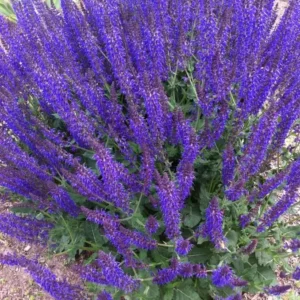
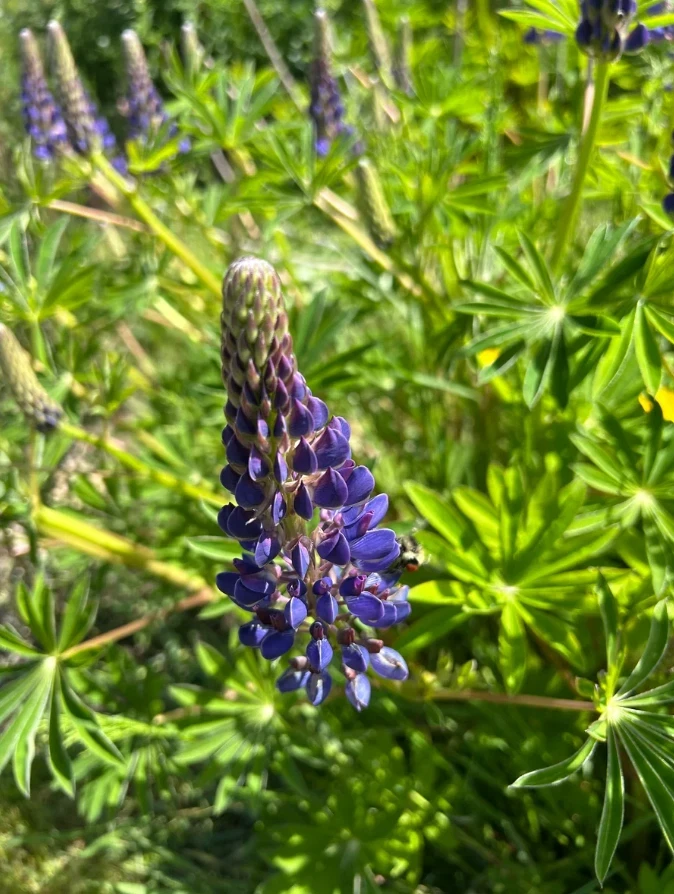
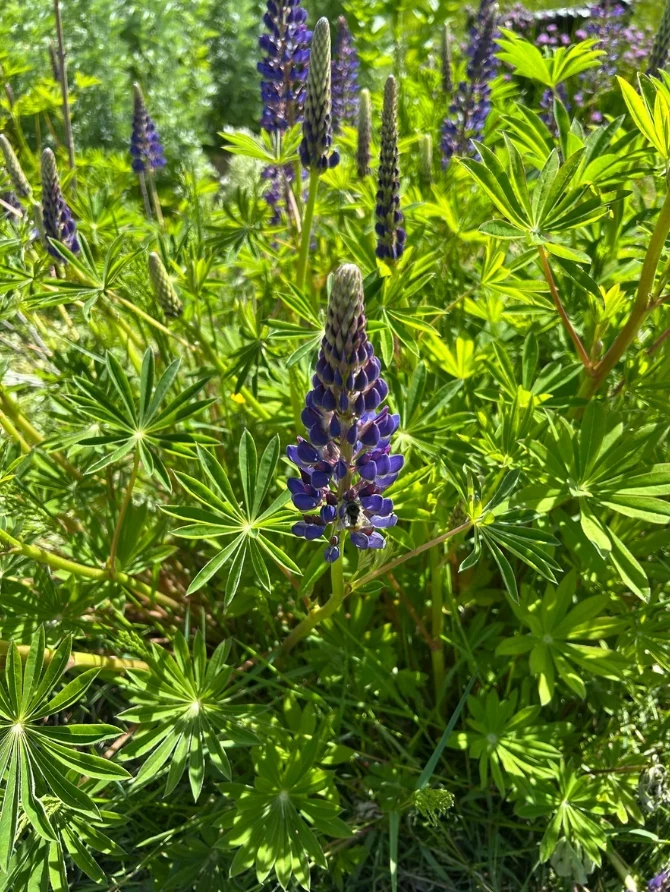
Introduce breathtaking beauty and ecological value to your landscape with the purple wild lupine live plant. This exquisite perennial, scientifically known as Lupinus perennis, is a North American native celebrated for its striking spires of pea-like, vibrant purple flowers. Arriving as a healthy specimen in a 4-inch pot, this plant is ready to be transplanted into your garden, where it will establish quickly and bring a cascade of color each spring and early summer. Beyond its ornamental appeal, the purple wild lupine live plant plays a crucial role in local ecosystems, providing essential nectar for bees, butterflies, and other beneficial insects. It’s also a host plant for several butterfly species, making it an excellent choice for a pollinator garden or a naturalized meadow. Its deep root system helps to improve soil quality by fixing nitrogen, benefiting neighboring plants and contributing to a healthier garden environment. This plant is a fantastic choice for gardeners seeking both aesthetic charm and ecological function, offering a truly unique and rewarding growing experience.
The purple wild lupine live plant is renowned for its resilience and ability to thrive in various conditions, making it a favorite among both novice and experienced gardeners. Its distinctive foliage, composed of palmate leaves, adds texture to the garden even when not in bloom. The vibrant purple hues stand out against green backdrops, creating focal points and adding depth to garden beds. This native wildflower is not only beautiful but also embodies a natural, untamed elegance that can transform any outdoor space into a vibrant sanctuary. Its ease of care and long-lasting blooms make it an invaluable addition to any garden design, promising years of enjoyment and ecological benefits.
Key Benefits
The purple wild lupine live plant offers a multitude of benefits, enhancing both the aesthetic and ecological value of your garden:
- Stunning Visual Appeal: Produces tall, majestic spires of vibrant purple flowers that create a dramatic vertical element in any garden design. These eye-catching blooms are sure to become a focal point, drawing admiration and adding a touch of wild elegance to your outdoor space.
- Pollinator Magnet: Attracts a wide array of beneficial pollinators, including various species of bees, butterflies, and hummingbirds. Planting lupine perennial helps support local ecosystems and promotes biodiversity in your garden, contributing to a healthier environment.
- Nitrogen Fixer: As a legume, Lupinus perennis naturally fixes nitrogen in the soil. This process enriches the soil, making nutrients more available to other plants and reducing the need for synthetic fertilizers, leading to more sustainable gardening practices.
- Low Maintenance: Once established, this plant is remarkably drought-tolerant and requires minimal care, making it an ideal choice for busy gardeners or those looking for a beautiful yet undemanding addition to their landscape. It thrives with little intervention, allowing you to enjoy its beauty without constant fuss.
- Hardy Perennial: Returns year after year, providing reliable blooms and foliage without the need for annual replanting. This makes the purple wild lupine live plant a cost-effective and enduring choice for long-term garden beauty.
- Deer Resistant: Generally not favored by deer, making it a good option for gardens in areas where deer browsing is a concern. You can enjoy its beauty without worrying about it becoming a deer’s next meal.
- Erosion Control: Its deep and extensive root system helps to stabilize soil, making it useful for preventing erosion on slopes or in areas with loose soil. This natural soil stabilizer enhances the integrity of your garden landscape.
Plant Care & Growing Tips
Caring for your purple wild lupine live plant is relatively straightforward, as it is a hardy native perennial. For optimal growth and prolific blooms, understanding its specific needs is crucial. When it comes to sunlight, lupines thrive in full sun, meaning they need at least 6-8 hours of direct sunlight per day. While they can tolerate some partial shade, especially in hotter climates, too much shade can lead to leggy growth and fewer flowers. Positioning them in a bright, open spot in your garden will ensure the most vigorous growth and vibrant purple blooms. Proper watering is essential, particularly during the establishment phase. Water regularly after planting to help the roots settle in. Once established, lupines are quite drought-tolerant and prefer well-draining soil. Overwatering can lead to root rot, so allow the soil to dry out slightly between waterings. During prolonged dry spells, a deep watering once a week should suffice to keep your lupine care regimen effective and prevent stress on the plant.
The ideal soil for growing lupine is well-draining, slightly acidic to neutral (pH 6.0-7.0), and relatively lean. They do not thrive in heavy, clay soils or overly rich, fertile soils, which can promote lush foliage at the expense of flowers and lead to fungal issues. Amending heavy soils with organic matter like compost or grit can improve drainage. As a nitrogen-fixing plant, lupines do not require much fertilization. An annual application of a balanced, slow-release granular fertilizer in early spring, or a light layer of compost, is usually sufficient. Avoid high-nitrogen fertilizers, as these can hinder flowering. Deadheading spent flower stalks can encourage a second flush of blooms, though the primary bloom period for lupine flowers for garden is typically spring to early summer. The USDA hardiness zones for purple wild lupine are generally 3-9, indicating its resilience to a wide range of temperatures. Protection from strong winds can also be beneficial, especially for taller varieties, to prevent the flower stalks from breaking. With these tips, your lupines will flourish and provide stunning color for years.
Size & Details
This purple wild lupine live plant arrives in a healthy 4-inch nursery pot, providing a well-established root system ready for transplanting into your garden. At maturity, these majestic perennials typically reach a height of 2 to 3 feet, with a spread of 1 to 2 feet, creating an impressive vertical display. The growth rate is moderate, with plants establishing quickly and producing their first blooms within the first growing season after planting. Expect the iconic spires of vibrant purple flowers to emerge in late spring to early summer, lasting for several weeks. This plant is shipped as a young, actively growing specimen, ensuring it adapts well to its new environment. The 4-inch pot size is ideal for safe transport and provides a strong start for your new garden addition. With proper care, your purple wild lupine live plant will develop into a robust and floriferous garden highlight, returning reliably each year to grace your landscape with its unique charm.
Frequently Asked Questions
- Q: How big does this plant get? A: This purple wild lupine live plant typically grows to a height of 2 to 3 feet and spreads about 1 to 2 feet wide at maturity, forming an impressive upright display in your garden.
- Q: What size pot does it come in? A: The plant arrives in a 4-inch nursery pot, providing a healthy root system ready for transplanting into your garden or a larger container.
- Q: Is this an indoor or outdoor plant? A: The purple wild lupine live plant is primarily an outdoor perennial, thriving in garden beds, borders, and naturalized areas with full sun exposure. It is not typically grown as an indoor houseplant.
- Q: How much sunlight does it need? A: For the best growth and most abundant flowers, this lupine requires full sun, meaning at least 6-8 hours of direct sunlight per day.
- Q: Is this plant easy to care for? A: Yes, once established, growing lupine is considered low-maintenance. It is drought-tolerant and generally requires minimal fuss, making it suitable for gardeners of all experience levels.
- Q: What condition will it arrive in? A: Your purple wild lupine live plant will arrive as a healthy, actively growing specimen in its 4-inch pot, carefully packaged to ensure its safe journey to your home.
- Q: Is it shipped in soil? A: Yes, the plant is shipped securely in its original nursery pot with soil, ensuring its roots remain protected and hydrated during transit.
- Q: When is the best time to plant this lupine? A: The best time to plant your purple wild lupine live plant is in spring or early fall, allowing it sufficient time to establish its root system before extreme temperatures.
- Q: Will it survive winter in my zone? A: This lupine perennial is hardy in USDA zones 3-9, meaning it can tolerate cold winter temperatures and will return reliably year after year in these regions.
- Q: How long until it blooms? A: With proper care, your purple wild lupine live plant should produce its first beautiful purple blooms in late spring to early summer of the first growing season after planting.


Reviews
There are no reviews yet.