Overview
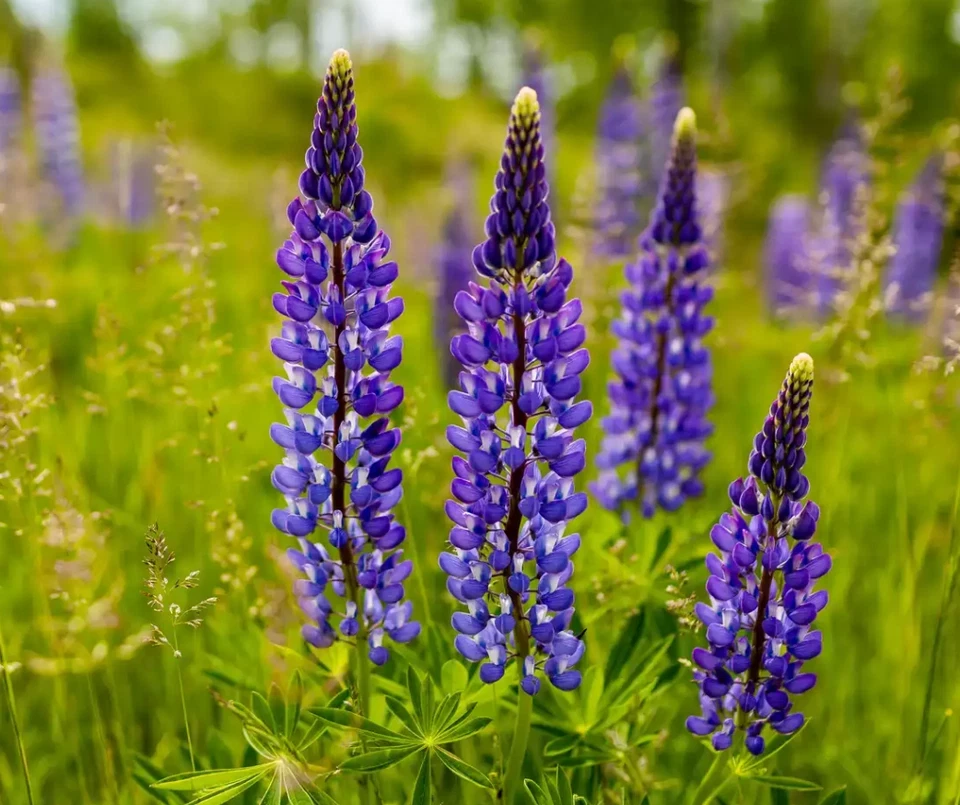
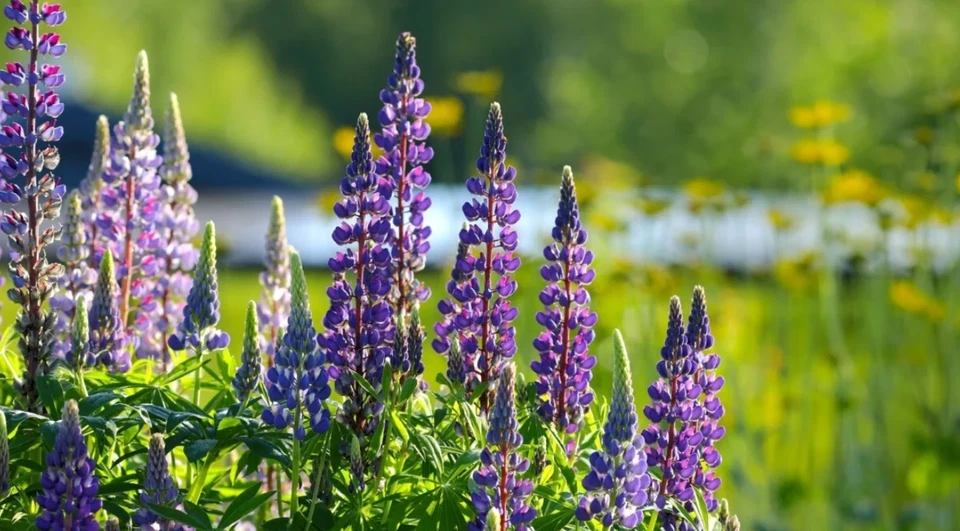
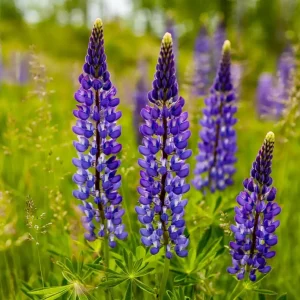
Discover the beauty and ecological benefits of the purple wild lupine live plant, a magnificent native perennial that will transform your garden into a haven for pollinators. This stunning plant, scientifically known as lupinus perennis, is renowned for its tall, showy spikes of pea-like purple flowers that emerge in late spring to early summer. Each purple wild lupine live plant comes ready to thrive in a 5-inch pot, offering a robust start for your garden. Not only does it add a spectacular visual display with its vibrant hues and attractive foliage, but it also plays a crucial role in supporting local ecosystems by providing nectar and pollen for bees, butterflies, and other beneficial insects. Ideal for naturalized areas, cottage gardens, and meadow plantings, this hardy perennial will return year after year, growing more impressive with time.
The common name wild lupine care is relatively easy, making it a great choice for both experienced gardeners and those new to native plants. Its distinctive palmate leaves add texture even when not in bloom. This particular variety is cherished for its vivid purple coloration, a classic and beloved shade that stands out against green foliage. Plant it alongside other native perennial flowers to create a dynamic and resilient garden space.
Key Benefits
Adding a purple wild lupine live plant to your garden offers a multitude of advantages, enhancing both its aesthetic appeal and ecological value. This resilient plant is more than just a pretty face; it’s a powerhouse for garden biodiversity and beauty.
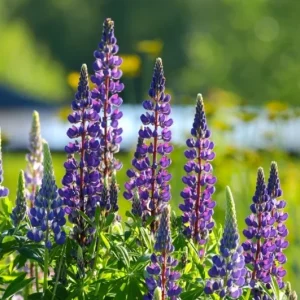
- Spectacular Floral Display: Enjoy the breathtaking sight of tall, densely packed spikes of purple flowers that create a dramatic vertical element in any garden design. The vibrant color is truly eye-catching.
- Pollinator Magnet: As a prime example of native perennial flowers, lupinus perennis is an essential food source for a wide array of pollinators, including various bee species and the endangered Karner blue butterfly, making it excellent for attracting pollinators.
- Low Maintenance & Drought Tolerant: Once established, wild lupine care requires minimal effort. It is remarkably drought-tolerant and generally resistant to pests and diseases, thriving with little intervention.
- Nitrogen Fixer: Like other legumes, wild lupine enriches the soil by fixing atmospheric nitrogen, benefiting surrounding plants and improving overall soil health naturally.
- Erosion Control: Its strong root system helps to stabilize soil, making it a good choice for slopes or areas prone to erosion, especially when planted in groups.
- Deer Resistant: While no plant is entirely deer-proof, wild lupine is generally not preferred by deer, offering a better chance of survival in areas with deer populations.
- Adaptable to Poor Soils: This plant thrives in lean, well-drained soils, making it suitable for challenging garden spots where other plants might struggle.
Plant Care & Growing Tips
Providing proper wild lupine care ensures your purple wild lupine live plant flourishes and delivers its stunning display year after year. This hardy perennial prefers full sun, meaning at least 6 hours of direct sunlight per day. While it can tolerate some partial shade, too much shade will result in fewer flowers and leggy growth. The ideal soil for lupinus perennis is well-draining, sandy, and slightly acidic. Avoid heavy clay soils or overly rich, fertile soils, as these can lead to root rot and reduced flowering. Good drainage is paramount for its health.
Watering should be consistent during its establishment period, usually the first year after planting. Once established, the purple wild lupine live plant is quite drought-tolerant and will only require supplemental watering during prolonged dry spells. Overwatering is a common mistake and can be detrimental. Fertilization is generally not needed, as lupines are nitrogen fixers and can enrich their own soil. If your soil is extremely poor, a light application of a low-nitrogen fertilizer in early spring can be beneficial. Deadheading spent flower spikes can encourage a second, smaller flush of blooms and prevent self-seeding if desired. This plant is hardy in USDA zones 3-8, thriving in a wide range of climates. Watch out for aphids, which can sometimes be an issue, and treat with insecticidal soap if necessary. Proper wild lupine care will reward you with a robust and beautiful plant, perfect for attracting pollinators.
Size & Details
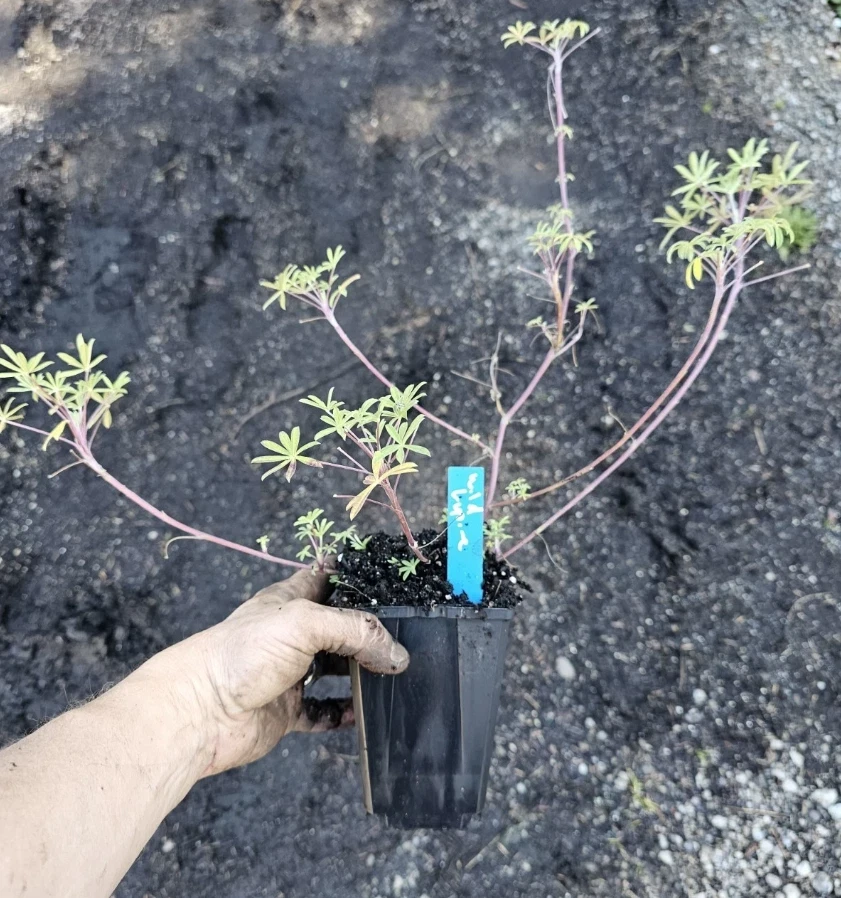
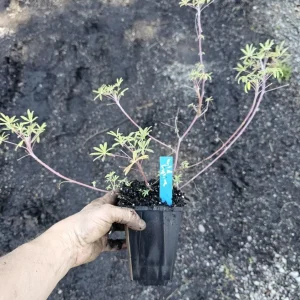
This purple wild lupine live plant is provided in a robust 5-inch nursery pot, ensuring a healthy start for your garden. Upon arrival, the plant will typically stand between 6-12 inches tall, depending on the growth stage. When mature, lupinus perennis can reach an impressive height of 2-3 feet with a spread of 1-2 feet, forming a beautiful clump of foliage and flower spikes. It has a moderate growth rate, establishing itself well within the first year and blooming profusely in its second season. The plant is shipped as a well-rooted specimen, ready for immediate planting in your garden bed or a larger container. Expect vibrant purple flowers from late spring through early summer, with the possibility of reblooming if deadheaded. This makes it an excellent choice for creating dynamic displays with other native perennial flowers.
Frequently Asked Questions
- Q: How big does this purple wild lupine live plant get? A: This purple wild lupine live plant typically grows to a mature height of 2-3 feet tall and spreads 1-2 feet wide, creating a substantial and attractive clump in your garden.
- Q: What size pot does it come in? A: Each purple wild lupine live plant is shipped in a 5-inch nursery pot, providing a healthy root system for successful transplanting.
- Q: Is this an indoor or outdoor plant? A: Wild lupine is primarily an outdoor perennial plant, thriving in garden beds, borders, and naturalized areas. It is not suitable for long-term indoor cultivation.
- Q: How much sunlight does it need? A: For optimal growth and flowering, lupinus perennis requires full sun, meaning at least 6 hours of direct sunlight per day. It can tolerate some partial shade, but flowering may be reduced.
- Q: Is this plant easy to care for? A: Yes, wild lupine care is considered relatively easy once established. It’s drought-tolerant and generally low-maintenance, making it suitable for gardeners of all skill levels.
- Q: What condition will it arrive in? A: Your purple wild lupine live plant will arrive as a healthy, well-rooted specimen, carefully packaged to ensure its safe journey and ready for planting upon arrival.
- Q: When is the best time to plant wild lupine? A: The best time to plant your purple wild lupine live plant is in spring or early fall, allowing it time to establish its root system before extreme temperatures.
- Q: Will it attract pollinators to my garden? A: Absolutely! Lupinus perennis is excellent for attracting pollinators, especially bees and butterflies, thanks to its nectar-rich flowers. It’s a key plant for supporting local wildlife.
- Q: What type of soil does it prefer? A: Wild lupine prefers well-draining, sandy, and slightly acidic soils. Avoid heavy clay or overly rich, fertile soils.
- Q: Is it a native perennial flower? A: Yes, purple wild lupine live plant is a beautiful and important native perennial flower, contributing to local biodiversity and ecosystem health.


Reviews
There are no reviews yet.