Overview
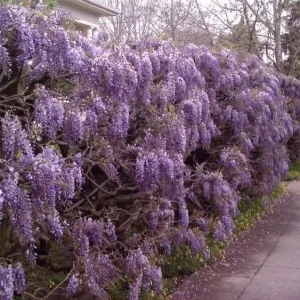
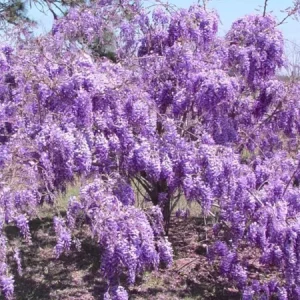
Transform your outdoor space with the breathtaking beauty of the purple wisteria live plant. This captivating vine is renowned for its spectacular cascades of fragrant purple flowers that emerge in late spring, creating a truly enchanting display. Imagine your garden adorned with the elegant, pendulous blooms and a delightful lavender/gardenia scent that fills the air. Originating from East Asia and North America, Wisteria is a vigorous, deciduous woody vine that can dramatically elevate the aesthetic of any landscape. Whether you dream of a romantic trellis, a stunning arbor, or even a unique tree-formed specimen, this versatile plant offers endless possibilities for creative garden design. Known for its robust growth and striking visual appeal, purple wisteria live plant is a favorite among gardeners seeking both beauty and a touch of old-world charm.
Our purple wisteria live plant comes ready to thrive in your garden. Each plant is carefully nurtured to ensure health and vigor, promising a rewarding growing experience. These vines are not just plants; they are living sculptures that evolve with the seasons, from their lush green foliage to their glorious floral spectacles. The resilience of wisteria, coupled with its stunning appearance, makes it an excellent choice for a wide range of garden styles, from formal to cottage gardens. Experience the joy of cultivating this magnificent vine and watch your garden transform into a fragrant paradise each spring.
Key Benefits
The purple wisteria live plant offers a multitude of benefits that make it an exceptional addition to any garden:
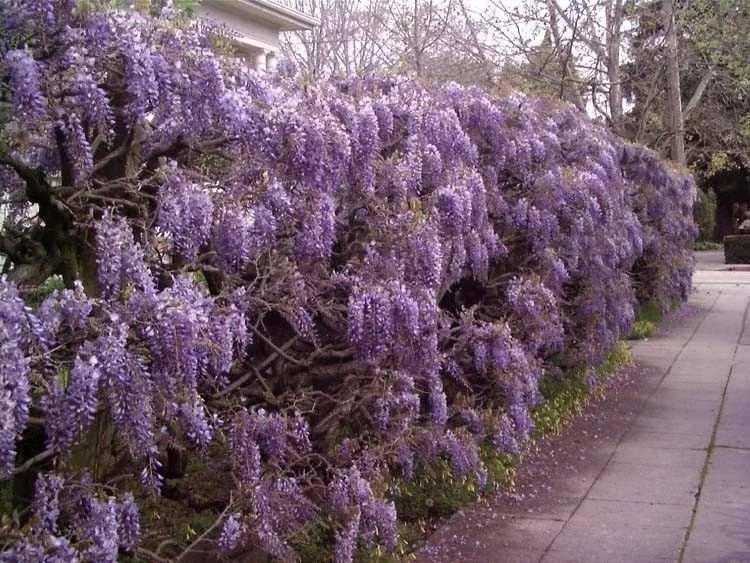
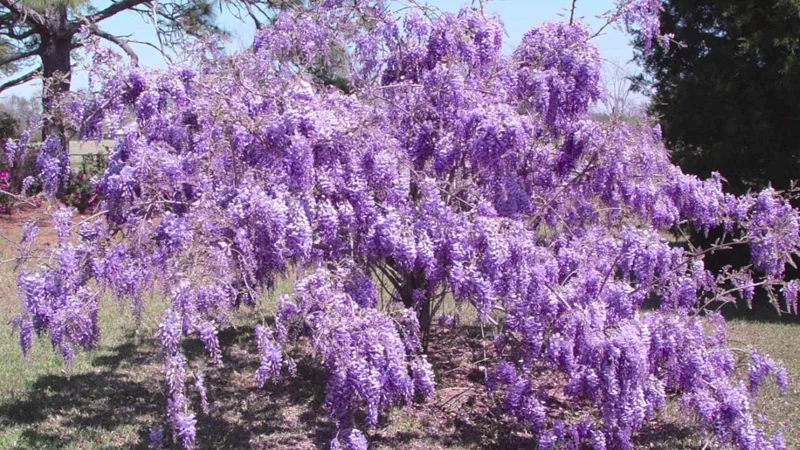
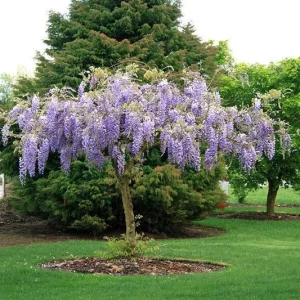
- Spectacular Floral Display: Enjoy an abundance of large, showy purple flowers that hang in long, graceful clusters, creating a dramatic visual impact in your garden during spring. These blooms are truly a sight to behold.
- Intoxicating Fragrance: The flowers emit a rich, delightful fragrance, often described as a blend of lavender and gardenia, which will perfume your entire outdoor living space and attract pollinators.
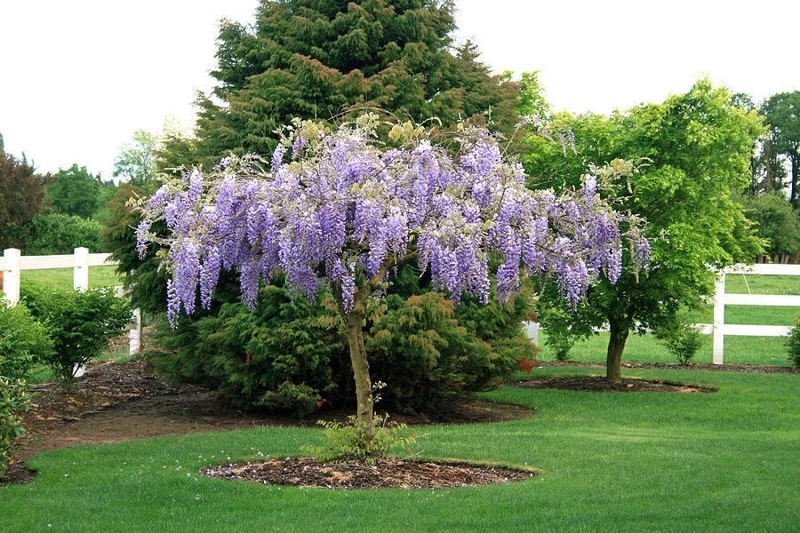
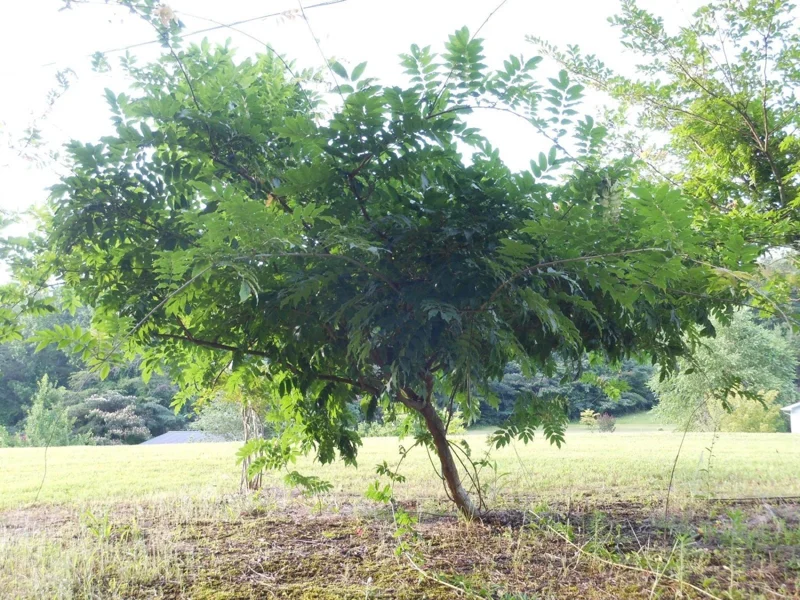
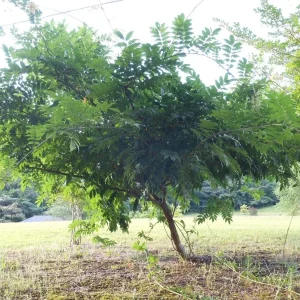
- Versatile Garden Use: This adaptable vine can be trained to climb trellises, arbors, pergolas, or fences, providing shade and beauty. It can also be pruned and trained into a stunning specimen tree, adding a unique focal point. For those looking into growing wisteria tree forms, this plant provides an excellent foundation.
- Fast-Growing & Vigorous: Wisteria is known for its rapid growth, quickly covering structures and establishing itself, allowing you to achieve your desired garden aesthetic sooner. It can grow 20-30 feet in height when provided with proper support.
- Drought and Salt Air Tolerant: Once established, the purple wisteria live plant demonstrates good tolerance to drought conditions and salt air, making it suitable for various climates and coastal areas.
- Wide Hardiness Range: Thriving in USDA Zones 4-9, this plant is resilient and can withstand a broad spectrum of temperatures, ensuring it will flourish in many different regions. Understanding wisteria zones 4-9 is crucial for successful cultivation.
- Low Maintenance (Once Established): While initial training is beneficial, established wisteria requires relatively low maintenance, primarily consisting of annual pruning to maintain shape and encourage blooming. For detailed insights on wisteria vine care, refer to our care section.
Plant Care & Growing Tips
Proper wisteria vine care is essential for a thriving and floriferous plant. Wisteria thrives best in full sun, meaning it needs at least 6 hours of direct sunlight per day to produce the most abundant blooms. While it can tolerate partial shade, especially in hotter southern climates, flowering may be less prolific. Ensure your planting location provides ample sunlight for optimal performance. These plants are incredibly versatile regarding soil, tolerating a wide range from sandy to clay. However, well-draining soil is paramount to prevent root rot. Amend heavy clay soils with organic matter to improve drainage, and sandy soils with compost to enhance water retention.
When it comes to watering, young purple wisteria live plant specimens require regular watering to establish strong root systems. Once mature, wisteria is quite drought-tolerant, but consistent moisture during dry spells, especially when flowering, will encourage healthier growth and more vibrant blooms. Avoid overwatering, as constantly soggy soil can be detrimental. Fertilize sparingly; too much nitrogen can promote foliage growth at the expense of flowers. A balanced, slow-release fertilizer in early spring, or a bloom-boosting fertilizer, can be beneficial. Pruning is critical for wisteria, both for shaping and encouraging flower production. Prune in late winter to shape the plant and remove dead or crossing branches, and again in summer after flowering to shorten side shoots and promote flower bud formation. This practice is crucial, especially if you are interested in growing wisteria tree forms.
Wisteria is hardy in wisteria zones 4-9. In colder zones, protect the base of young plants with mulch during winter. In warmer zones, ensure adequate water during hot, dry periods. While generally robust, keep an eye out for common pests like aphids or scale, and diseases such as powdery mildew, treating them promptly if they appear. Providing a sturdy support structure from the beginning is vital, as wisteria is a powerful grower and can damage weaker supports. Regular inspections and guidance of new growth will help train your vine effectively for years of stunning beauty.
Size & Details
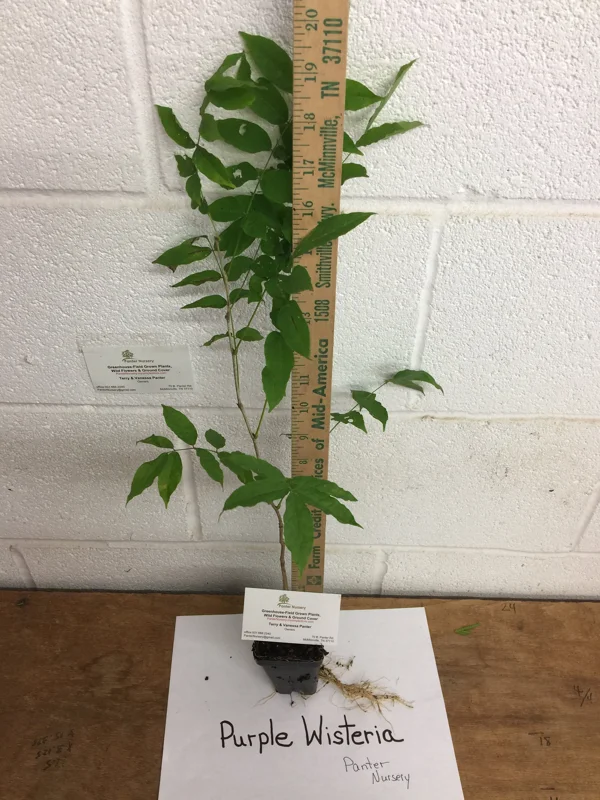
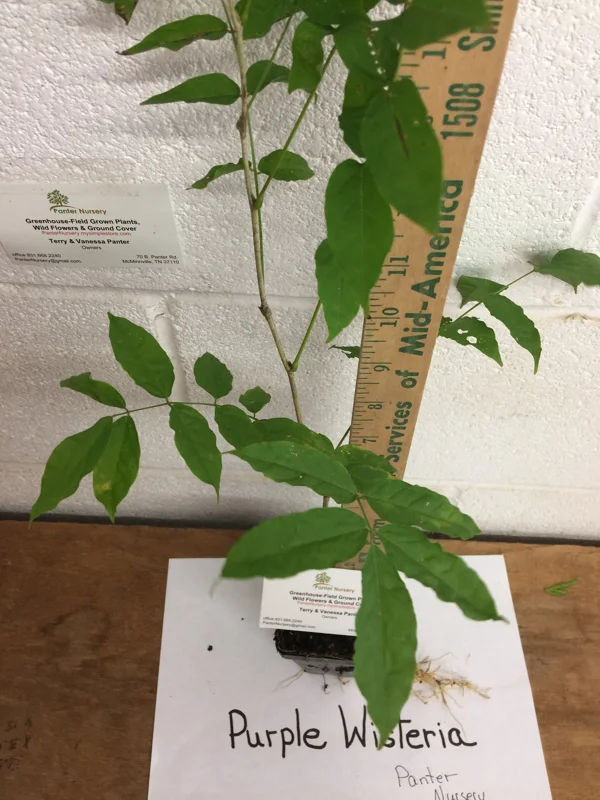
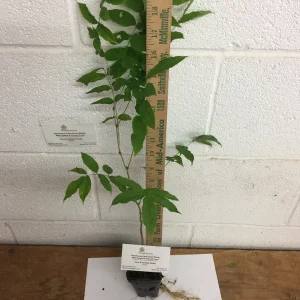
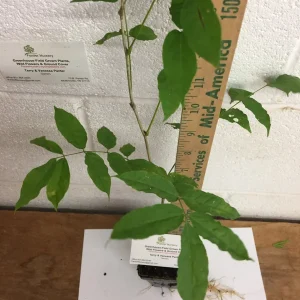
This offering includes one purple wisteria live plant, supplied in a 3-inch nursery pot, ready for planting. At the time of shipment, the plant will be well-rooted and actively growing, ensuring a smooth transition to your garden. Wisteria is a vigorous grower, capable of reaching impressive heights of 20-30 feet or more when given proper support and space. If planting along a fence, we recommend spacing them every 4-5 feet to allow for mature growth and optimal coverage. Alternatively, these adaptable plants can be trained into magnificent, stand-alone specimen trees, offering a unique architectural element to your landscape.
The mature spread of a wisteria vine can be substantial, often spanning 10-15 feet or more, depending on training and pruning. Expect your plant to establish quickly, with noticeable growth within the first season. While it may take a few years for the plant to reach its full blooming potential, the patience is well rewarded with an unrivaled spring floral display. Each plant is carefully packaged to ensure it arrives in excellent condition, complete with planting instructions to guide you through the successful establishment of your new vine.
Frequently Asked Questions
- Q: How big does this purple wisteria live plant get? A: A well-established wisteria vine can grow to be 20-30 feet tall or more, depending on the support structure and how it’s trained. Its spread can also be quite significant, often exceeding 10-15 feet.
- Q: What size pot does it come in? A: This purple wisteria live plant is shipped in a 3-inch nursery pot, providing a healthy root system for transplanting.
- Q: Is this an indoor or outdoor plant? A: Wisteria is primarily an outdoor plant, thriving in garden settings where it can climb and grow vigorously. It is not typically grown as an indoor houseplant.
- Q: How much sunlight does it need? A: For the best flowering performance, wisteria requires full sun, meaning at least 6 hours of direct sunlight per day. It can tolerate partial shade, but flowering may be reduced.
- Q: Is this plant easy to care for? A: Once established, wisteria is relatively low-maintenance, though it does require consistent pruning for best results and to maintain its shape. Initial training on a support structure is also important.
- Q: What condition will it arrive in? A: Your purple wisteria live plant will arrive as a healthy, actively growing plant, carefully packaged to ensure its safety during transit. Planting instructions are included.
- Q: How long until it blooms? A: While some wisteria varieties can bloom in their first few years, it often takes 3-5 years for a young plant to establish and begin producing its full cascade of flowers. Proper wisteria vine care can encourage earlier blooming.
- Q: When is the best time to plant? A: The best time to plant wisteria is in spring or early fall, allowing the plant to establish its root system before extreme summer heat or winter cold.
- Q: Will it survive winter in my zone? A: This wisteria variety is hardy in wisteria zones 4-9, meaning it can withstand winter temperatures within this range. In colder zones, young plants may benefit from winter protection.
- Q: What type of soil does it prefer? A: Wisteria is adaptable and can grow in a wide range of soil types, from sandy to clay, but it absolutely requires well-draining soil to prevent root rot.


Reviews
There are no reviews yet.