Overview
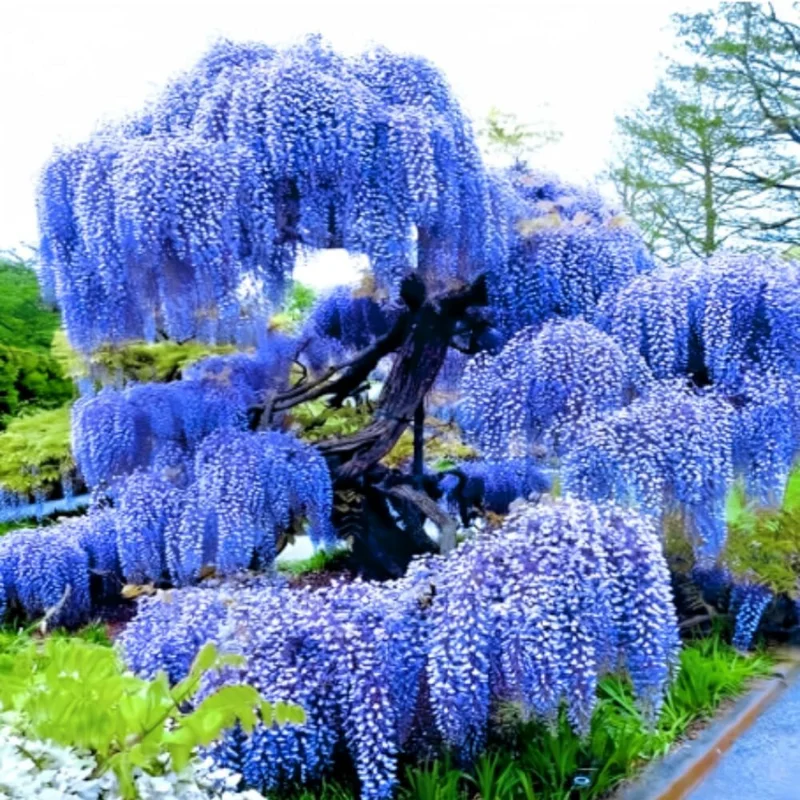
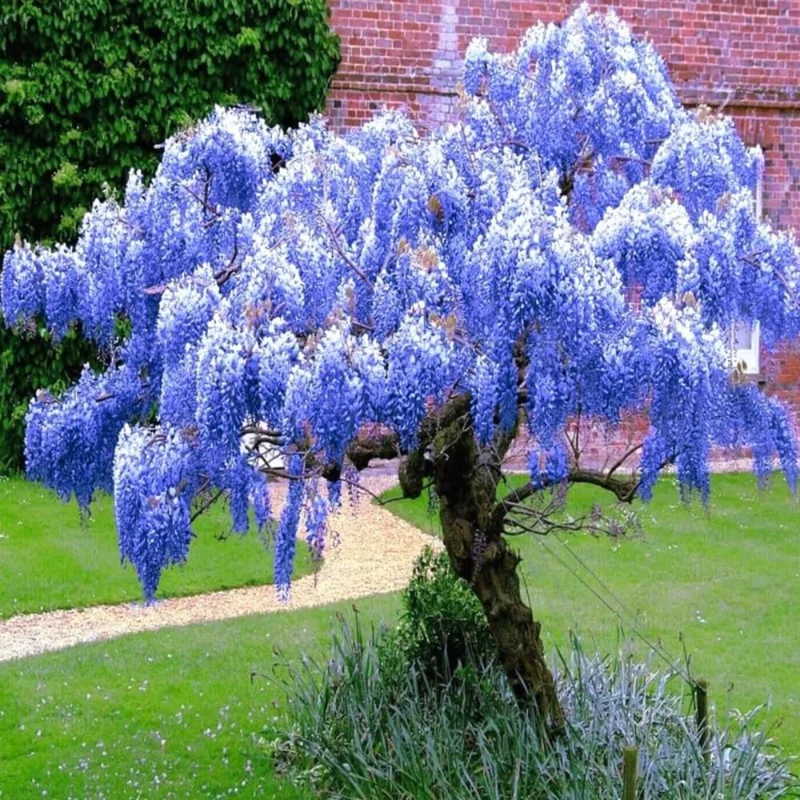
Introduce breathtaking beauty and captivating fragrance to your landscape with our exquisite purple wisteria trees. This offering includes two healthy live plants, each measuring 6-12 inches, poised to grow into spectacular flowering shrubs or vines. Revered for their dramatic, pendulous clusters of purple-blue flowers, these wisterias bring an unparalleled elegance to any garden setting. Known scientifically as Wisteria sinensis or Wisteria floribunda, depending on the specific cultivar, our wisteria live plant is a vigorous grower, perfect for creating stunning visual displays over pergolas, arbors, or fences. Experience the joy of watching hundreds of fragrant blossoms unfurl each spring, transforming your outdoor areas into a fragrant paradise.
Our purple wisteria trees are carefully cultivated to ensure robust growth and abundant flowering. These perennial plants are a long-term investment in your garden’s beauty, returning year after year with increasingly spectacular displays. They are ideal for gardeners seeking a plant that offers both rapid growth and a dramatic aesthetic impact. Whether you’re looking to add vertical interest, create a shaded retreat, or simply enjoy the intoxicating scent of its blooms, this wisteria live plant is an exceptional choice for any outdoor space.
Key Benefits
Investing in purple wisteria trees offers a multitude of benefits for your garden and outdoor living space. These plants are celebrated for their stunning visual appeal and ease of establishment, making them a favorite among both novice and experienced gardeners.
- Spectacular Cascading Blooms: Enjoy an abundance of beautiful purple-blue flowers that hang in elegant clusters, creating a truly dramatic and picturesque display every spring. The sheer volume of blossoms makes these purple wisteria trees a focal point in any garden.
- Intoxicating Fragrance: Beyond their visual charm, these wisteria plants release a sweet, alluring fragrance that can perfume an entire garden, enhancing your outdoor experience and attracting beneficial pollinators. Our fragrant wisteria ensures a sensory delight.
- Fast-Growing Climber: Wisteria is renowned for its vigorous and fast-growing wisteria nature, quickly covering pergolas, arbors, fences, and walls. This makes it an excellent choice for establishing shade or privacy in a relatively short period.
- Long-Lived Perennial: As a perennial, your wisteria will return year after year, growing larger and more magnificent with each season. This provides enduring beauty and a lasting horticultural legacy in your garden. With proper wisteria care, these plants can thrive for decades.
- Versatile Landscape Accent: Perfect for a variety of landscape designs, wisteria can be trained as a climbing vine, a standalone tree form, or even as a groundcover. Its adaptability allows for creative and impactful use in gardens, patios, and other outdoor spaces.
- Attracts Pollinators: The vibrant flowers and sweet nectar of wisteria are a magnet for bees, butterflies, and hummingbirds, contributing to the biodiversity and health of your garden ecosystem.
Plant Care & Growing Tips
Proper wisteria care is essential for ensuring your purple wisteria trees thrive and produce their iconic fragrant blooms. These vigorous plants are relatively low-maintenance once established, but a good start is crucial. Wisteria thrives in full sun, meaning at least 6-8 hours of direct sunlight per day. Adequate sunlight is paramount for abundant flowering; plants in shadier conditions may produce more foliage and fewer blooms. Ensure your planting site allows for plenty of space for the vine to spread and climb, as well as access to a sturdy support structure like a pergola, arbor, or strong fence.
When it comes to watering, young wisteria live plant specimens require consistent moisture to establish a strong root system. Water deeply once or twice a week, especially during dry spells. Once mature, wisteria becomes more drought-tolerant but will benefit from occasional deep watering during prolonged dry periods. The ideal soil type is well-draining, moderately fertile loam. Avoid heavy clay soils that retain too much water, as this can lead to root rot. Amending the soil with compost before planting will improve drainage and fertility. Wisteria prefers a slightly acidic to neutral pH (6.0-7.0).
Fertilization should be done sparingly, especially for young plants. Too much nitrogen can promote lush foliage at the expense of flowers. Use a balanced, low-nitrogen fertilizer in early spring, or a phosphorus-heavy fertilizer to encourage blooming. Pruning is a critical aspect of wisteria care for both shape and flower production. Prune heavily in late winter to early spring, removing dead, damaged, or crossing branches and shortening side shoots. A lighter summer prune can help manage growth and encourage more flower buds for the following year. Wisteria is generally hardy in USDA zones 5-9 and can tolerate a range of temperatures, but protection from extreme winter cold may be beneficial in the colder end of its range. Keep an eye out for common pests like aphids or scale, which can be managed with insecticidal soap if necessary.
Size & Details
This offering includes two individual purple wisteria trees, each measuring approximately 6-12 inches tall at the time of shipment. These are young, actively growing live plants, ready for transplanting into your garden. Wisteria is a fast-growing wisteria vine, capable of adding several feet of growth per year once established. Mature plants can reach impressive heights of 10-30 feet or more, with an equal spread, depending on the support structure and training. They are typically shipped in a nursery pot with soil to ensure their health during transit.
Expect your wisteria live plant to begin producing flowers within 2-5 years, though some varieties may bloom sooner. The plants are dormant in winter, shedding their leaves, and will leaf out again in spring before the spectacular floral display. Their rapid growth rate makes them an excellent choice for quickly covering large areas or creating dramatic focal points. The robust nature of these plants ensures they will develop into magnificent, long-lasting additions to your landscape with proper wisteria care.
Frequently Asked Questions
- Q: How big will these purple wisteria trees get? A: Each plant is 6-12 inches tall when shipped. Once established, wisteria is a vigorous climber that can reach heights of 10-30 feet or more, with a significant spread, depending on support and pruning.
- Q: Is this an indoor or outdoor plant? A: These purple wisteria trees are intended for outdoor planting. They are hardy perennial vines that require ample sunlight and space to thrive.
- Q: How much sunlight does fragrant wisteria need? A: Wisteria requires full sun, meaning at least 6-8 hours of direct sunlight per day, to produce the most abundant and fragrant blooms. Less sun can result in fewer flowers.
- Q: When is the best time to plant my wisteria live plant? A: The best time to plant wisteria is in spring or early fall. This allows the plant to establish its root system before the stress of summer heat or winter cold.
- Q: How often should I water my new wisteria plants? A: Newly planted wisteria should be watered deeply and regularly, about 1-2 times per week, especially during dry periods, until established. Mature plants are more drought-tolerant but benefit from occasional deep watering.
- Q: Is this plant easy to care for? Is it good for beginners? A: While wisteria is vigorous, it does require consistent pruning for best flowering and to manage its growth. With proper guidance on wisteria care, even beginners can successfully grow this beautiful plant.
- Q: What condition will the plants arrive in? A: Your purple wisteria trees will arrive as healthy, live plants, typically in nursery pots with soil, ready for planting. They may be dormant if ordered during colder months.
- Q: How long until my wisteria blooms? A: Wisteria typically begins to bloom within 2-5 years after planting, though some varieties may flower sooner. Consistent sun exposure and proper pruning encourage earlier and more prolific blooms.
- Q: Will this fast-growing wisteria survive winter in my area? A: Wisteria is generally hardy in USDA Zones 5-9. It is deciduous and will lose its leaves in winter, entering dormancy, and will re-emerge in spring.
- Q: Can I train this wisteria into a tree form? A: Yes, with consistent pruning and a strong central support, these purple wisteria trees can be trained into a beautiful tree-like form, creating a stunning focal point in your garden.


Reviews
There are no reviews yet.