Overview
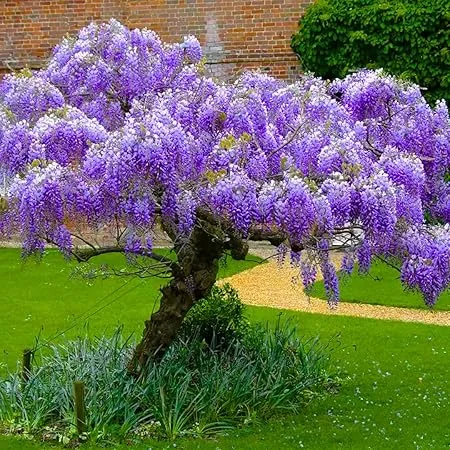
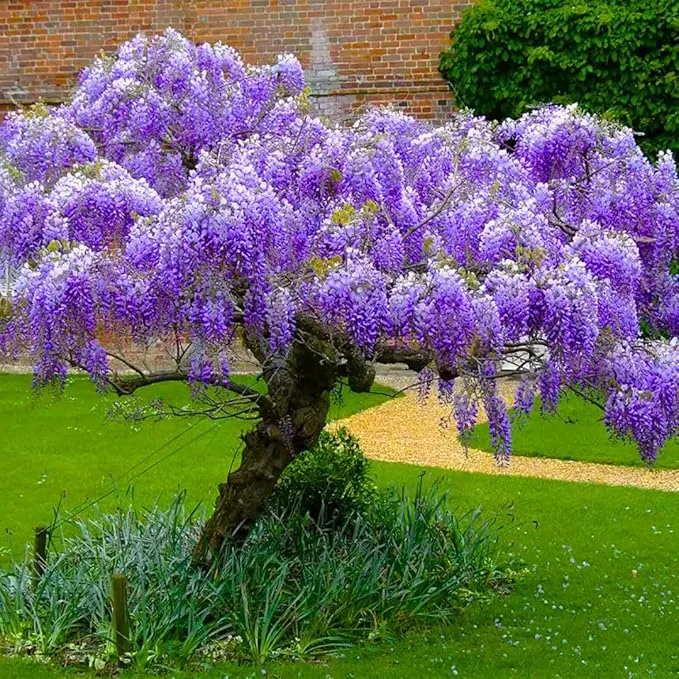
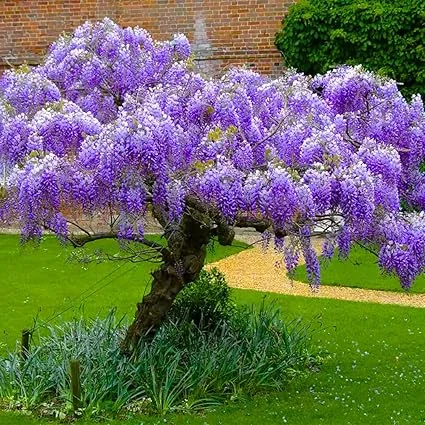
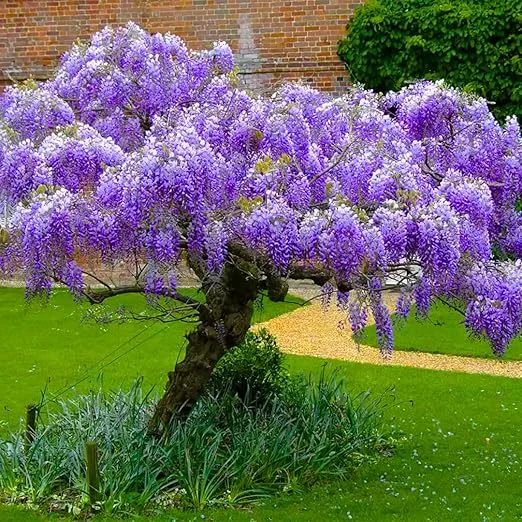
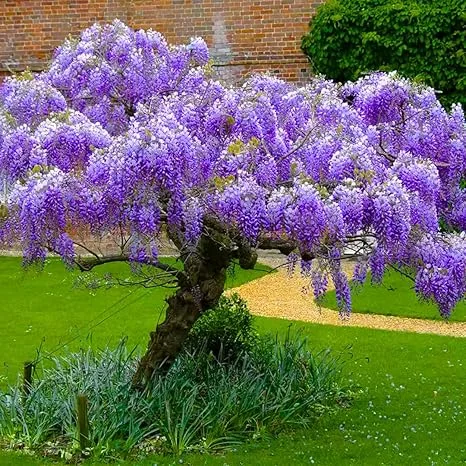
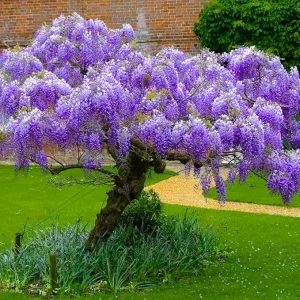
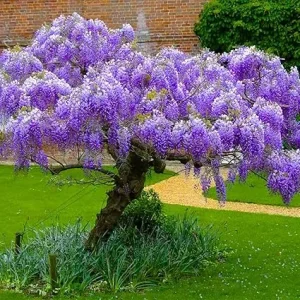
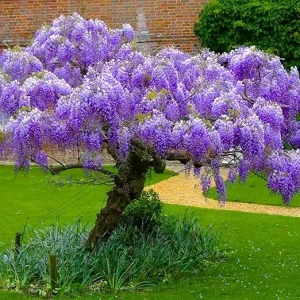
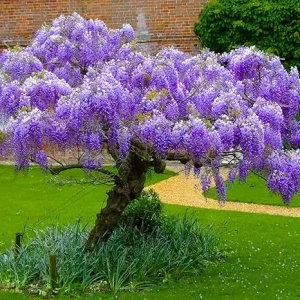
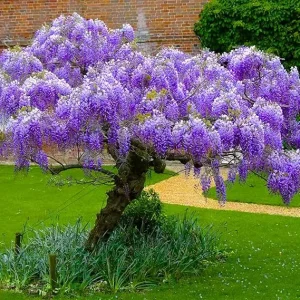
Transform your outdoor space into a fragrant paradise with this stunning purple wisteria tree live plant. Known for its breathtaking cascades of fragrant, blue-purple flowers, wisteria is a classic choice for adding dramatic beauty to pergolas, arbors, fences, or as a standalone specimen. This particular variety arrives as a healthy, well-rooted live plant, typically ranging from 6 to 15 inches in height and nestled in a 2.5-inch pot, ensuring a strong start for your gardening endeavors. Wisteria is a vigorous, deciduous vine that, once established, can create a magnificent display, attracting pollinators and delighting the senses with its sweet aroma. Its robust nature makes it a rewarding addition for both novice and experienced gardeners looking to cultivate a truly spectacular flowering display. This wisteria vine care guide will help you achieve a flourishing plant.
The allure of wisteria lies in its spectacular floral show, which typically occurs in spring to early summer, covering the plant in dense racemes of pea-like flowers. Beyond its visual appeal, the intoxicating scent of a fragrant wisteria plant can perfume an entire garden, creating an enchanting atmosphere. Opting for a live plant ensures you get a head start on growth, allowing you to enjoy its beauty sooner. This adaptable plant can be trained as a climbing vine or pruned into a tree-like form, offering versatility in landscape design. Its rapid growth and long lifespan mean you’re investing in years of beauty and enjoyment for your home and garden.
Key Benefits
Cultivating a wisteria plant offers a multitude of advantages, enhancing your garden’s aesthetic and ecological value. This particular live plant provides a strong foundation for a thriving, beautiful vine.
- Stunning Floral Displays: Enjoy magnificent cascades of vibrant blue-purple flowers that create a breathtaking visual impact, especially when in full bloom during spring and early summer.
- Exquisite Fragrance: This variety is known for its highly fragrant blooms, which release a sweet, captivating scent, perfuming your entire garden and attracting beneficial pollinators.
- Versatile Landscaping: Train your purple wisteria tree live plant to climb arbors, pergolas, fences, or trellises, or prune it into a standalone tree form, providing flexible design options for your outdoor space.
- Vigorous Growth: Wisteria is a fast-growing vine that quickly establishes itself, providing substantial coverage and a mature look to your landscape within a few years. Witness impressive wisteria tree growth as it matures.
- Attracts Pollinators: The abundant, nectar-rich flowers are a magnet for bees, butterflies, and hummingbirds, contributing to the biodiversity and health of your garden ecosystem.
- Long-Lived Beauty: Once established, wisteria plants can live for many decades, offering enduring beauty and a legacy plant for your property.
- Enhances Property Value: A well-established and beautifully maintained wisteria can significantly enhance the curb appeal and perceived value of your home.
Plant Care & Growing Tips
Proper care is essential for ensuring your purple wisteria tree live plant thrives and produces its spectacular blooms. Wisteria is a robust plant, but understanding its specific needs will lead to the best results. For optimal wisteria vine care, start with the right location. This plant prefers full sun, meaning at least 6 hours of direct sunlight per day. While it can tolerate partial sun, abundant flowering is significantly reduced in shadier conditions. Ensure the planting site has well-draining soil. Wisteria is adaptable to various soil types, including sandy soil, but it does not tolerate soggy conditions. Amend heavy clay soils with organic matter to improve drainage.
When it comes to watering, wisteria prefers consistently moist but not waterlogged soil, especially during its establishment period and dry spells. Once mature, it becomes more drought-tolerant. For a fragrant wisteria plant, regular watering during flowering will help prolong the bloom period. The USDA hardiness zones for this variety are typically 4-9, indicating its ability to withstand a range of temperatures. Protection may be needed in the colder extremes of zone 4 during harsh winters. Fertilize in early spring with a balanced, low-nitrogen fertilizer to encourage flowers rather than excessive foliage. Avoid high-nitrogen fertilizers, which can hinder blooming. Pruning is crucial for wisteria; it encourages flowering and controls its vigorous growth. Perform dormant pruning in late winter and summer pruning after flowering to shape the plant and remove unwanted growth.
Common problems for wisteria include powdery mildew in humid conditions or insufficient air circulation, and sometimes aphids. Ensure good air circulation and treat with appropriate organic or chemical solutions if necessary. Proper planting depth is also important; plant the wisteria at the same level it was in its nursery pot. Providing a strong support structure from the beginning is vital, as the plant can become very heavy as it matures. Understanding the correct wisteria hardiness zone for your area is key to successful long-term growth.
Size & Details
This purple wisteria tree live plant arrives as a healthy, youthful specimen, ready to be planted and begin its journey to maturity. Each plant is carefully cultivated and ships well-rooted in a 2.5-inch nursery pot, providing a stable foundation for transplanting. At the time of shipment, the plant typically measures between 6 to 15 inches in height, offering a manageable size for initial planting while still having significant growth potential. Once established and given proper support, this vigorous vine can reach impressive dimensions, with an established height of 18 to 20 feet and a spread of 10 to 15 feet wide. Its rapid wisteria tree growth rate means you won’t have to wait long to see significant development.
This variety is known for producing fragrant, blue flowers in racemes that can grow up to 6.5 inches long, creating a stunning visual and aromatic display. The plant is suitable for USDA Hardiness Zones 4-9, making it a versatile choice for many climates across the United States. With adequate care and training, you can expect this wisteria to begin flowering within a few years of planting, offering a spectacular show each spring. It is shipped as a live, potted plant, ensuring minimal stress during transit and a higher success rate upon arrival.
Frequently Asked Questions
- Q: How big does this purple wisteria tree live plant get? A: Once established, this wisteria variety can reach impressive heights of 18 to 20 feet and spread 10 to 15 feet wide. Its vigorous nature allows for substantial wisteria tree growth, especially if given proper support.
- Q: What size pot does it come in? A: The live plant is shipped in a 2.5-inch nursery pot, providing a secure and healthy environment for its roots during transit and prior to planting in your garden.
- Q: Is this an indoor or outdoor plant? A: Wisteria is primarily an outdoor plant, best suited for garden beds, arbors, pergolas, or strong trellises where it can climb and flourish. It requires significant space and sunlight.
- Q: How much sunlight does it need? A: For the best flowering performance and strong growth, your fragrant wisteria plant requires full sun, meaning at least 6 hours of direct sunlight per day. It can tolerate partial sun but may bloom less.
- Q: Is this plant easy to care for? A: Wisteria is relatively easy to care for once established, but it does require consistent pruning to manage its vigorous growth and encourage abundant flowering. Following a good wisteria vine care routine is key.
- Q: What condition will it arrive in? A: Your wisteria will arrive as a healthy, well-rooted live plant, carefully packaged in its 2.5-inch pot to ensure it reaches you in the best possible condition, ready for planting.
- Q: How long until it blooms? A: While this plant is a live starter, wisteria typically begins to bloom within 2-5 years after planting, depending on growing conditions and proper pruning techniques.
- Q: When is the best time to plant this wisteria? A: The best time to plant wisteria is in spring or early fall, allowing the plant sufficient time to establish its roots before extreme summer heat or winter cold.
- Q: What USDA hardiness zone is this wisteria suitable for? A: This wisteria is hardy in USDA Zones 4-9. Understanding your specific wisteria hardiness zone is crucial for ensuring its survival through winter.
- Q: What kind of soil does wisteria prefer? A: Wisteria thrives in well-draining soil. While it can adapt to various soil types, sandy soil is mentioned as suitable. Ensure good drainage to prevent root rot.


Reviews
There are no reviews yet.