

Overview
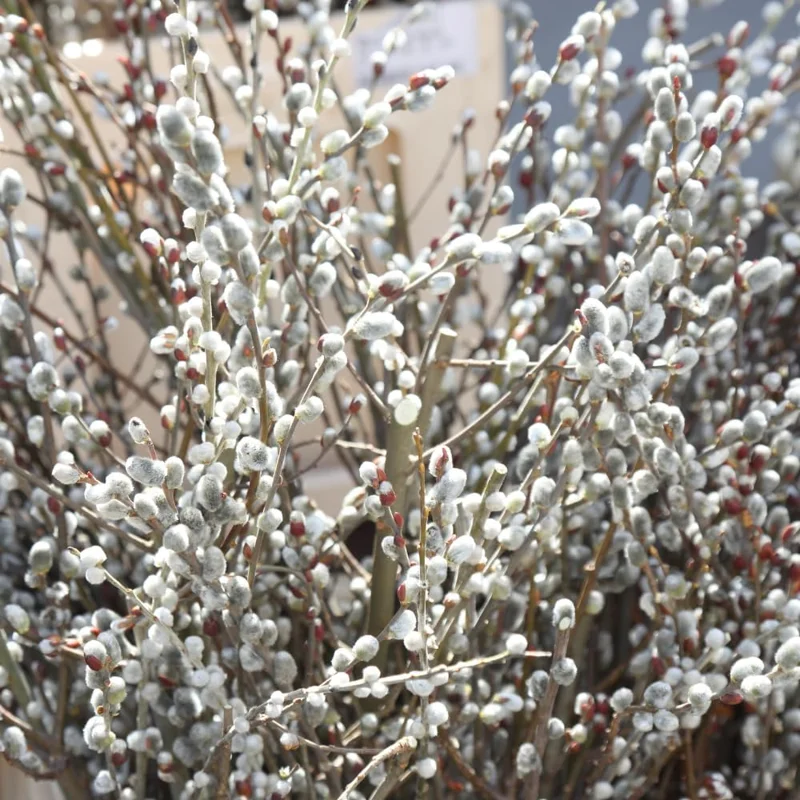
Introduce a touch of early spring charm to your garden with this set of two pussy willow bare roots. These live plants, supplied in a dormant state, are an excellent choice for gardeners looking to establish beautiful, low-maintenance trees with ease. Each bare root measures 1-2 feet tall, providing a strong foundation for rapid growth once planted. Known for their distinctive fuzzy catkins that emerge before the leaves, pussy willows (Salix discolor) are a beloved sign that winter is giving way to spring. These resilient trees are highly adaptable and are an ideal addition to a variety of landscape designs, from naturalized areas to more formal garden settings. Planting bare roots is an economical and effective way to grow trees, allowing them to quickly acclimate to their new environment and establish a robust root system. This offering provides a convenient way to add two vigorous, healthy pussy willow trees to your outdoor space, promising years of enjoyment and seasonal beauty.
Key Benefits
Opting for pussy willow bare roots offers numerous advantages for both seasoned gardeners and beginners. These plants are celebrated for their ease of growth and the unique appeal they bring to any garden:
-
Early Spring Interest: Pussy willows are among the first plants to show signs of life in late winter or early spring, with their soft, silvery catkins providing much-needed visual texture and beauty when other plants are still dormant. This makes them a focal point in the garden during an otherwise quiet season.
-
Fast Growing Willow: These trees are renowned for their vigorous growth rate, quickly developing into mature specimens. This rapid establishment means you won’t have to wait long to enjoy the full beauty and benefits of your new willow trees, making them a satisfying choice for impatient gardeners.
-
Cold Hardy Willow: Pussy willows are incredibly resilient, thriving in a wide range of climates and demonstrating excellent cold hardiness. They are well-suited for USDA Hardiness Zones 4-9, making them a reliable choice for many regions across the United States, able to withstand harsh winter conditions.
-
Low Maintenance: Once established, pussy willow bare roots require minimal care. They are generally resistant to most pests and diseases and do not demand extensive pruning or constant attention, making them perfect for those seeking a beautiful yet undemanding addition to their landscape.
-
Versatile Landscape Use: Their adaptable nature allows them to be incorporated into various garden styles. They can be grown as large shrubs, small trees, or even used for erosion control near water features. The branches with catkins are also popular for indoor floral arrangements.
-
Wildlife Attraction: The early-emerging catkins are an important food source for early-season pollinators, such as bees, providing vital nectar and pollen when few other plants are flowering. This contributes to local biodiversity and supports beneficial insects.
Plant Care & Growing Tips
Caring for your pussy willow bare roots is straightforward, ensuring they establish quickly and flourish into healthy, beautiful trees. These deciduous plants are known for their hardiness and adaptability, making them a great choice for various garden settings. For optimal growth, plant your bare roots in late winter or early spring before new growth begins. Dig a hole wide enough to spread the roots out naturally and deep enough so that the root collar (where the roots meet the stem) is at soil level. Backfill with soil, gently tamping down to remove air pockets, and water thoroughly.
Pussy willows prefer full sun to partial shade, meaning they should receive at least 4-6 hours of direct sunlight per day for the best catkin production. While they can tolerate some shade, too little light may result in sparser growth and fewer catkins. They thrive in consistently moist, well-draining soil. Willows naturally enjoy moist conditions and can even tolerate wet feet, making them suitable for planting near ponds or in areas with poor drainage. However, avoid completely waterlogged conditions. Once established, they are moderately drought-tolerant but will perform best with regular watering during dry spells, especially in their first year. These plants are incredibly resilient and are a fantastic choice for a fast growing willow that requires minimal fuss.
Pussy willows are very cold-hardy, thriving in USDA Zones 4-9. This robust nature makes them suitable for a vast array of climates. Fertilization is generally not necessary in rich garden soil, but if your soil is poor, a balanced, slow-release fertilizer can be applied in early spring. Pruning can be done after the catkins fade to maintain shape, control size, and encourage new growth. Hard pruning, known as coppicing, every 2-3 years can encourage larger catkins and a bushier form. Watch out for common pests like aphids or willow sawfly, which can usually be managed with horticultural oil or insecticidal soap if infestations occur. Proper care ensures your outdoor willow tree remains a vibrant and attractive feature.
Size & Details
This offering includes a set of two pussy willow bare roots, each carefully selected to be 1-2 feet tall. Bare roots are shipped dormant, without soil or foliage, which minimizes transplant shock and allows for easy handling and planting. Upon arrival, it’s recommended to plant them as soon as possible or temporarily heel them into a trench of soil or keep roots moist until planting. These plants are known for their vigorous growth, quickly developing into substantial shrubs or small trees. In optimal conditions, a fast growing willow like the pussy willow can add several feet of height annually, reaching a mature height of 15-25 feet and a spread of 10-15 feet if left unpruned. They are typically ready to produce their iconic fuzzy catkins in their first or second year after planting, providing early spring interest.
Frequently Asked Questions
-
Q: How big does this plant get? A: These pussy willow bare roots are 1-2 feet tall upon arrival. Once established, they can quickly grow into a shrub or small tree, reaching a mature height of 15-25 feet and a spread of 10-15 feet if left untrimmed. Regular pruning can keep them smaller.
-
Q: Is this an indoor or outdoor plant? A: These are outdoor willow tree plants. While branches with catkins can be brought indoors for decoration, the live bare roots are meant for outdoor planting in your garden or landscape.
-
Q: How much sunlight does it need? A: Pussy willows prefer full sun to partial shade. For the best growth and abundant catkin production, aim for at least 4-6 hours of direct sunlight per day.
-
Q: Is this plant easy to care for? A: Yes, pussy willows are considered very low-maintenance plants. Once established, they are quite self-sufficient and are an excellent choice for beginners looking for a cold hardy willow.
-
Q: What condition will it arrive in? A: Your pussy willow bare roots will arrive dormant, meaning they will not have leaves or soil. This is the ideal state for bare root planting, ensuring a successful transition to your garden.
-
Q: When is the best time to plant? A: The best time to plant bare root pussy willows is in late winter or early spring, before they break dormancy and begin to leaf out. This allows them to establish their root system before the stress of summer heat.
-
Q: Will it survive winter in my zone? A: Yes, pussy willows are extremely cold-hardy and thrive in USDA Hardiness Zones 4-9, making them suitable for most temperate climates and ensuring they will survive winter.
-
Q: How quickly will these bare roots grow? A: Pussy willows are known for being a fast growing willow. With proper care and planting, you can expect significant growth in their first year, and they will likely produce catkins the following spring.
-
Q: What type of soil do pussy willows prefer? A: They prefer consistently moist, well-draining soil. They are adaptable to various soil types but perform best in loamy or sandy soils with good moisture retention.
-
Q: Can I prune a pussy willow? A: Absolutely! Pruning can be done after the catkins fade to control size, shape, and encourage a bushier form. Hard pruning (coppicing) every few years can rejuvenate the plant and result in larger catkins.


Reviews
There are no reviews yet.