

Overview
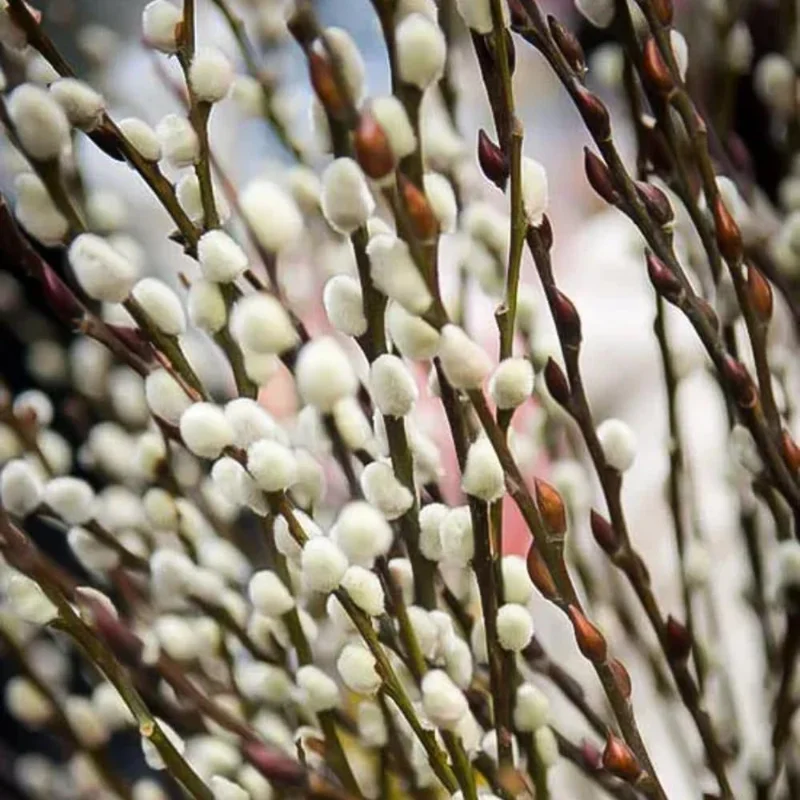
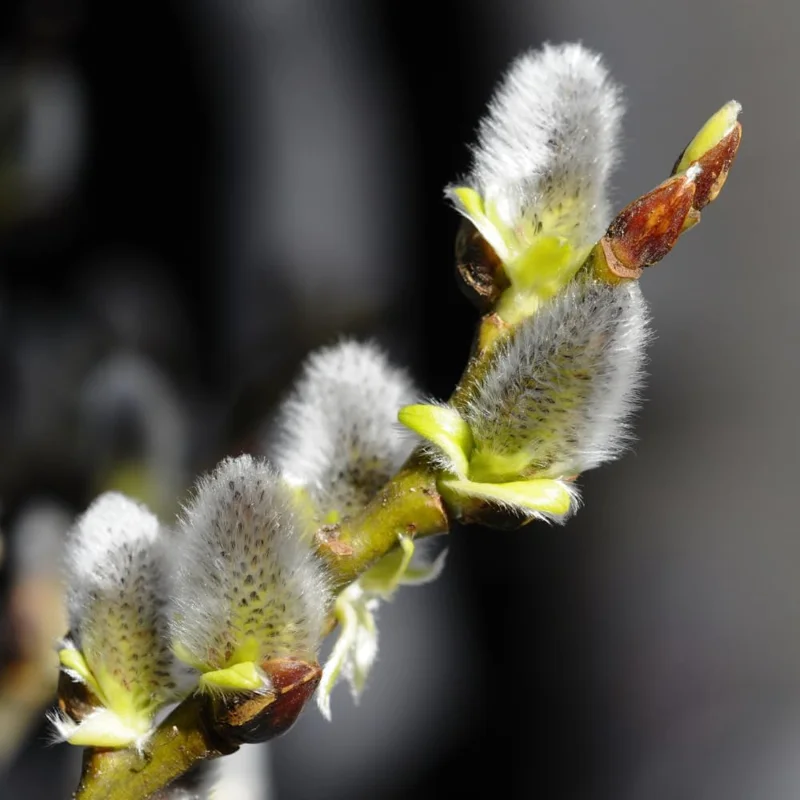
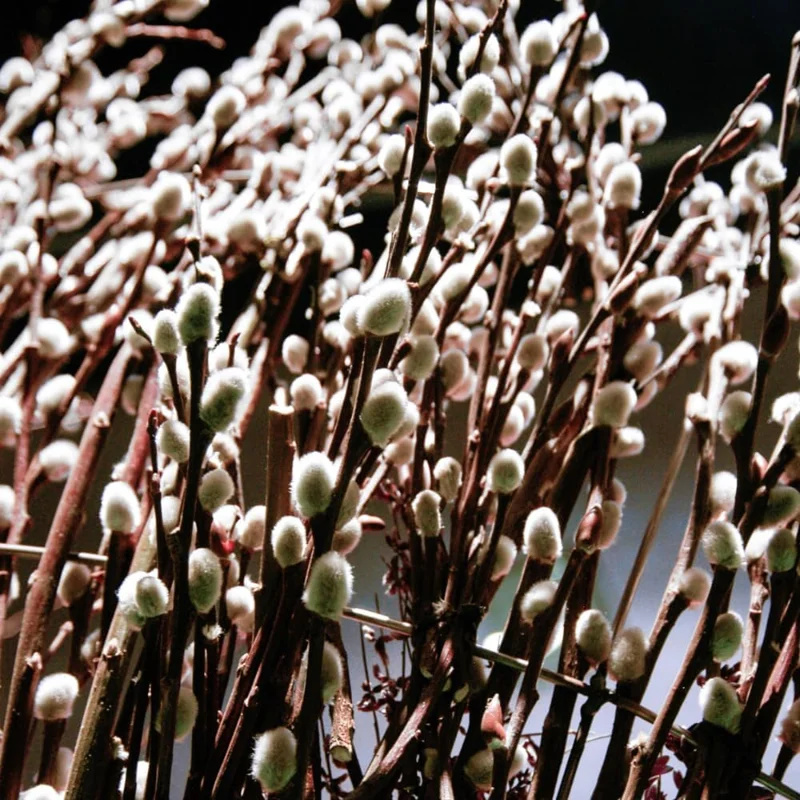
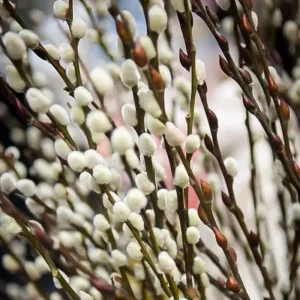
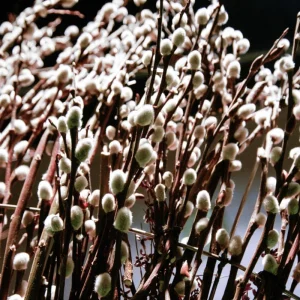
Introduce a touch of early spring charm to your landscape with the beautiful pussy willow live plant. This deciduous ornamental shrub, scientifically known as Salix discolor, is celebrated for its soft, furry catkins that appear in late winter or early spring, often before any leaves emerge. These distinctive silvery-gray blooms are a welcome sight, signaling the end of winter and the beginning of the growing season. The hardy pussy willow is a fast-growing plant that can quickly establish itself as a focal point in any garden, attracting early pollinators and providing unique texture. Whether you’re looking to create a natural hedge, add a specimen plant, or simply enjoy its unique early blooms, this plant is an excellent choice for a variety of garden styles.
Our pussy willow live plant is shipped dormant in winter, ensuring a healthy start for your garden. It comes ready to plant in a 2.5-inch pot, making it easy to transplant and begin its journey in your outdoor space. Known for its resilience and adaptability, this shrub is a favorite among gardeners seeking reliable, low-maintenance, and visually appealing plants.
Key Benefits
The pussy willow live plant offers a multitude of benefits, making it a valuable addition to any garden. Its unique characteristics and ease of care contribute to a rewarding gardening experience. Discover why this shrub is so beloved:
-
Early Spring Interest: One of the first plants to show signs of life after winter, its fuzzy catkins provide significant visual appeal and a hopeful sign of spring, often used in floral arrangements.
-
Hardy and Resilient: As a hardy pussy willow, it is well-suited for a wide range of climates, tolerating cold winters and adapting to various soil conditions. It’s a robust plant that bounces back year after year.
-
Low Maintenance: This shrub requires minimal care once established, making it an ideal choice for both experienced and novice gardeners. Its fast-growing nature means you’ll see results quickly without constant attention.
-
Wildlife Attraction: The early blooms are an important food source for early pollinators like bees, contributing to the biodiversity of your garden and supporting local ecosystems.
-
Versatile Landscaping Use: Suitable for various garden designs, it can be grown as a standalone specimen, integrated into mixed borders, used for erosion control, or even pruned into a small tree form. Its natural beauty enhances any outdoor setting.
-
Winter Dormant Plant: During the colder months, the plant enters a dormant state, shedding its leaves. This natural cycle ensures its resilience and prepares it for a vigorous re-emergence in spring, providing a distinct seasonal transition.
-
Adaptable to Sunlight: While preferring full sun, the pussy willow can also thrive in partial shade, offering flexibility in planting locations within your garden.
Plant Care & Growing Tips
Caring for your pussy willow live plant is straightforward, ensuring it flourishes and provides years of enjoyment. This robust shrub is known for its resilience and adaptability, but understanding its basic needs will help it reach its full potential. The pussy willow thrives in a sunny location, ideally receiving at least 6 hours of direct sunlight per day. While it can tolerate partial shade, too little sun may result in fewer catkins and a less vigorous growth habit. When planting outdoors, choose a spot where it can receive ample light and has room to grow, as it can become quite large over time.
Watering is crucial, especially during the establishment phase and in dry periods. The pussy willow prefers consistently moist soil, mimicking its natural habitat near wetlands and streams. However, it’s important to avoid waterlogging, as this can lead to root rot. Good drainage is key. A well-draining soil mix enriched with organic matter is ideal. Once established, this early blooming shrub is surprisingly drought-tolerant, but regular watering during extended dry spells will promote healthier growth and more abundant catkins. For soil, a slightly acidic to neutral pH is preferred, but it is generally adaptable to most soil types.
The winter dormant plant is incredibly hardy, thriving in USDA Hardiness Zones 4-8. This means it can withstand winter temperatures as low as -30°F (-34°C). Fertilization is typically not a strict requirement for pussy willows, especially if planted in fertile soil. However, an annual application of a balanced, slow-release fertilizer in early spring can encourage more vigorous growth and bloom production. Pruning is best done after the catkins fade in spring. This helps maintain its shape, control size, and encourages new growth for the following year’s blooms. Remove any dead, damaged, or crossing branches to improve air circulation and plant health. Watch out for common issues like aphids or powdery mildew, which can usually be managed with organic sprays or proper cultural practices.
Size & Details
This pussy willow live plant is provided in a 2.5-inch nursery pot, offering a healthy root system ready for transplanting into your garden. Upon arrival, the plant will be in a compact, dormant state if ordered during the colder months, ensuring it handles shipping well and is prepared for vigorous growth. Pussy willows are known for their fast growth rate, typically adding 1-2 feet per year once established. Mature plants can reach heights of 10-20 feet and spread 6-15 feet wide, depending on the specific variety and pruning practices. They develop into substantial, multi-stemmed shrubs, making them excellent choices for hedges, screens, or as a prominent feature in a mixed border.
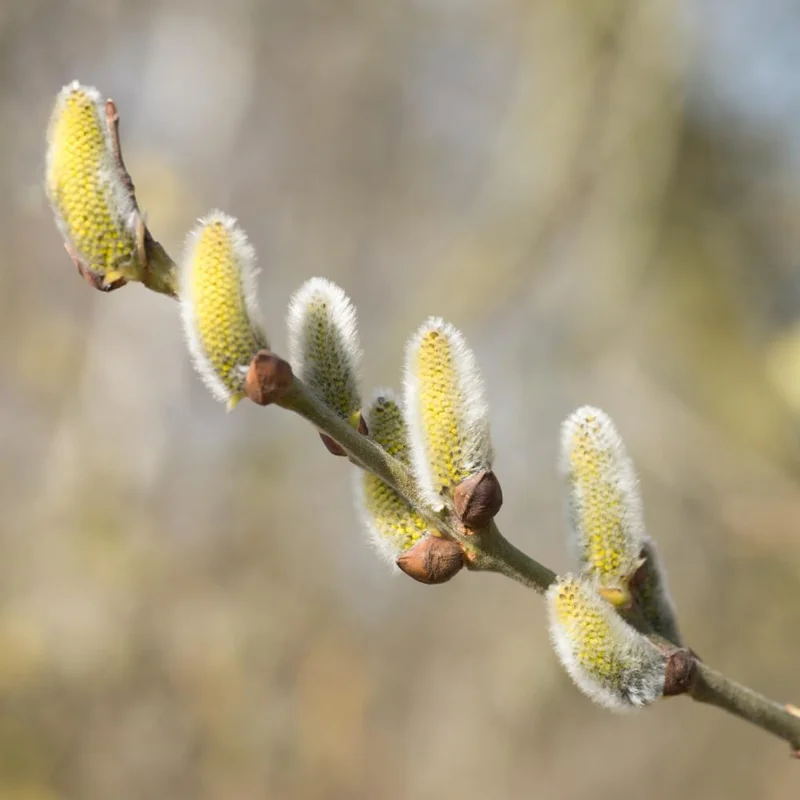
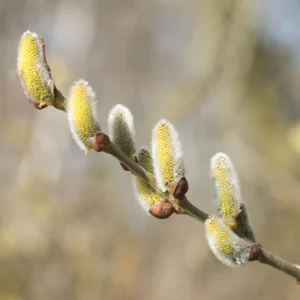
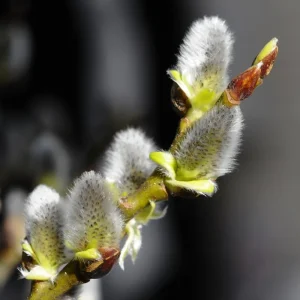
The distinct fuzzy catkins, which are the plant’s main ornamental feature, typically appear in late winter to early spring, usually in February or March, before the leaves emerge. These soft, silvery buds mature into yellow pollen-laden flowers. This hardy pussy willow is a deciduous shrub, meaning it will lose its leaves in the fall and remain bare throughout the winter, with the catkins being the first sign of life in the new year. Ensure you provide adequate space for its mature size, or plan for annual pruning to keep it within desired dimensions. The plant’s robust nature ensures it will become a cherished part of your landscape for many years.
Frequently Asked Questions
-
Q: How big does this pussy willow live plant get? A: A: Our pussy willow live plant is shipped in a 2.5-inch pot. When mature, it can reach heights of 10-20 feet and spreads 6-15 feet wide, depending on the variety and how it’s pruned. It’s a fast-growing shrub that establishes quickly.
-
Q: Is this an indoor or outdoor plant? A: This is primarily an outdoor plant, well-suited for gardens and landscapes. While it can be started indoors in a sunny spot, it thrives best when planted in the ground outdoors where it can experience natural seasonal changes.
-
Q: How much sunlight does a pussy willow need? A: The hardy pussy willow prefers full sun, meaning at least 6 hours of direct sunlight per day. It can tolerate partial shade, but ample sun encourages the best growth and most abundant catkin production.
-
Q: Is this plant easy to care for? A: Yes, the pussy willow is considered a low-maintenance plant. Once established, it requires minimal care, primarily consistent moisture and occasional pruning to maintain its shape and health. It’s an excellent choice for beginners.
-
Q: What condition will the winter dormant plant arrive in? A: If ordered during winter, your plant will arrive in a dormant state, without leaves, which is normal and healthy for this time of year. It will begin to leaf out and produce catkins as spring approaches. It is shipped in its 2.5-inch pot with soil.
-
Q: When is the best time to plant a pussy willow? A: The best time to plant a pussy willow is in early spring or fall. This allows the plant to establish its root system before the stress of extreme summer heat or winter cold. Ensure the ground is workable and not frozen.
-
Q: Will it survive winter in my zone? A: This early blooming shrub is very hardy and thrives in USDA Hardiness Zones 4-8. If your zone falls within this range, your pussy willow should survive winter without special protection.
-
Q: Does the pussy willow attract wildlife? A: Yes, the early emerging catkins are an important early food source for pollinators, especially bees, making it a valuable plant for supporting local wildlife and contributing to a healthy garden ecosystem.
-
Q: What kind of soil does this plant prefer? A: Pussy willows prefer consistently moist, well-draining soil. They are adaptable to a range of soil types but thrive in loamy or sandy loamy soils with a slightly acidic to neutral pH. Avoid extremely dry or waterlogged conditions.
-
Q: How often should I water my pussy willow? A: During its first year, water regularly to keep the soil consistently moist but not soggy. Once established, it is more tolerant of varying moisture levels but will benefit from watering during prolonged dry periods, especially in summer.


Reviews
There are no reviews yet.