Overview
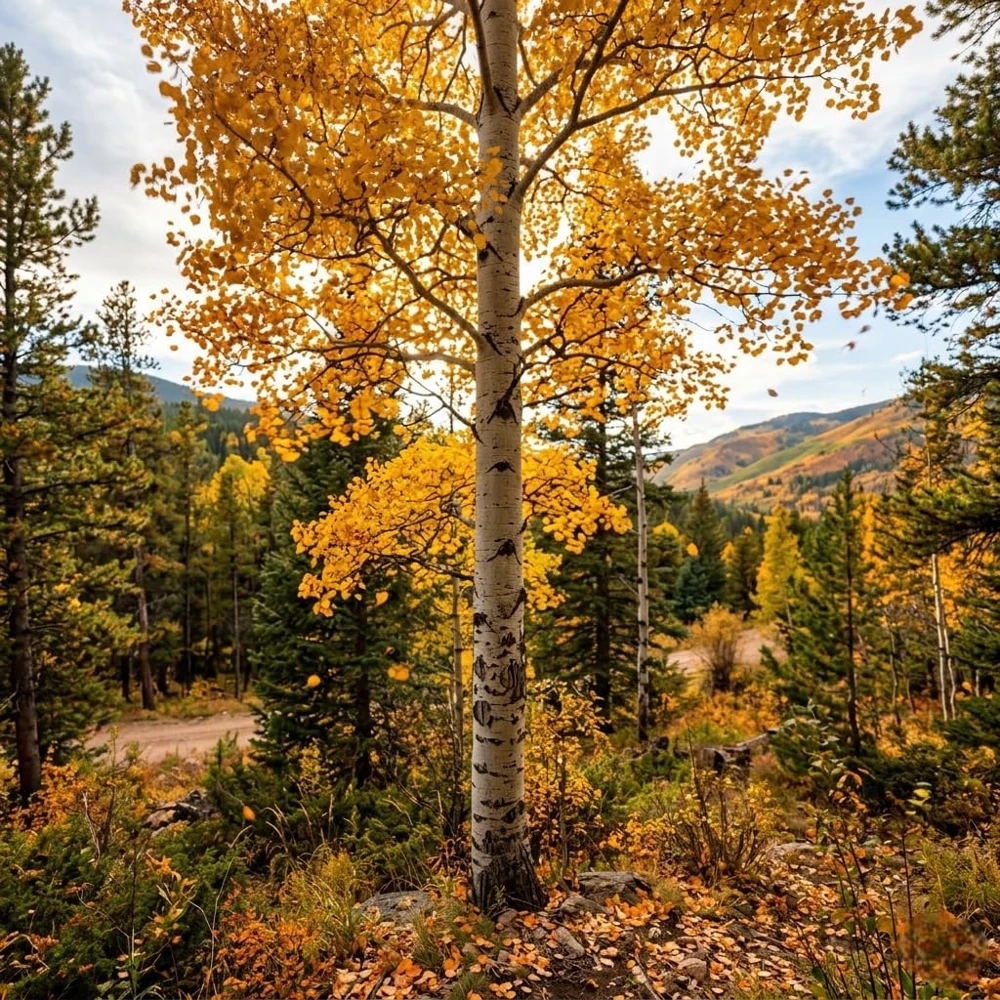
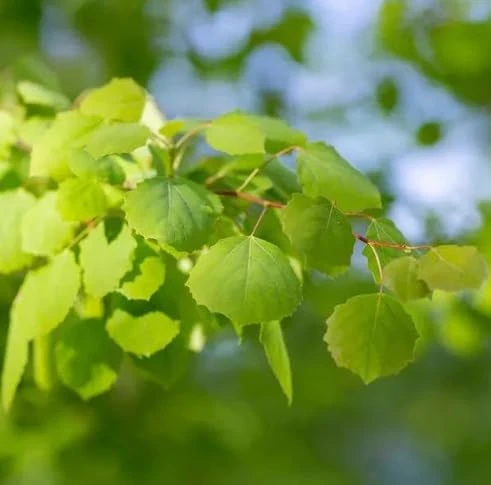
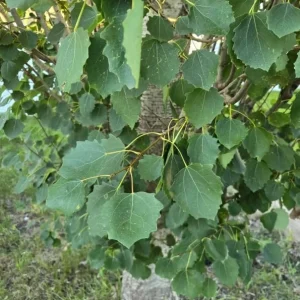
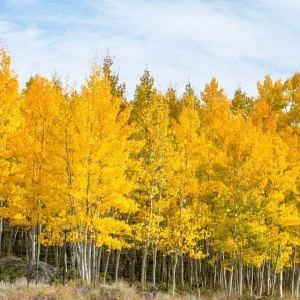
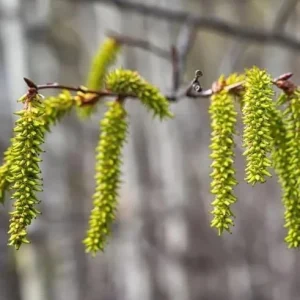
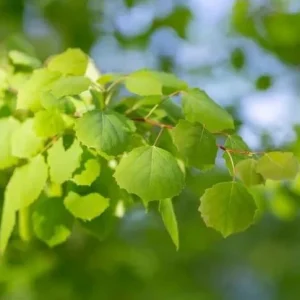
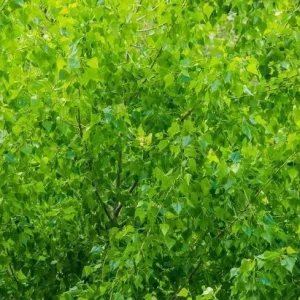
Transform your outdoor space with a young quaking aspen tree live plant. Known for its distinctive trembling leaves that ‘quake’ in the slightest breeze, brilliant fall color, and smooth, pale bark, this deciduous tree brings unique character to any landscape. Often referred to as mountain aspen tree or white poplar tree, this variety (Populus tremuloides) is cherished for its rapid growth and adaptability. Our live plant arrives ready for transplanting, offering you the joy of watching it mature into a magnificent specimen. It’s an ideal choice for creating naturalized areas, woodland borders, or as a striking focal point in your yard, providing seasonal interest with its vibrant yellow fall foliage tree.
This quaking aspen tree live plant is a staple in many temperate regions, celebrated not only for its aesthetic appeal but also for its hardiness. It’s an excellent option for those looking to establish a resilient and beautiful tree with minimal fuss. While young, it may not immediately display the iconic mature bark color or intense fall hues, these characteristics develop over time, promising a rewarding long-term addition to your garden. The scientific name, Populus tremuloides, perfectly captures its iconic trembling leaves, making it a truly unique addition to any garden.
Key Benefits
The quaking aspen tree live plant offers numerous advantages for home gardeners and landscapers alike, making it a highly desirable addition to any outdoor setting.
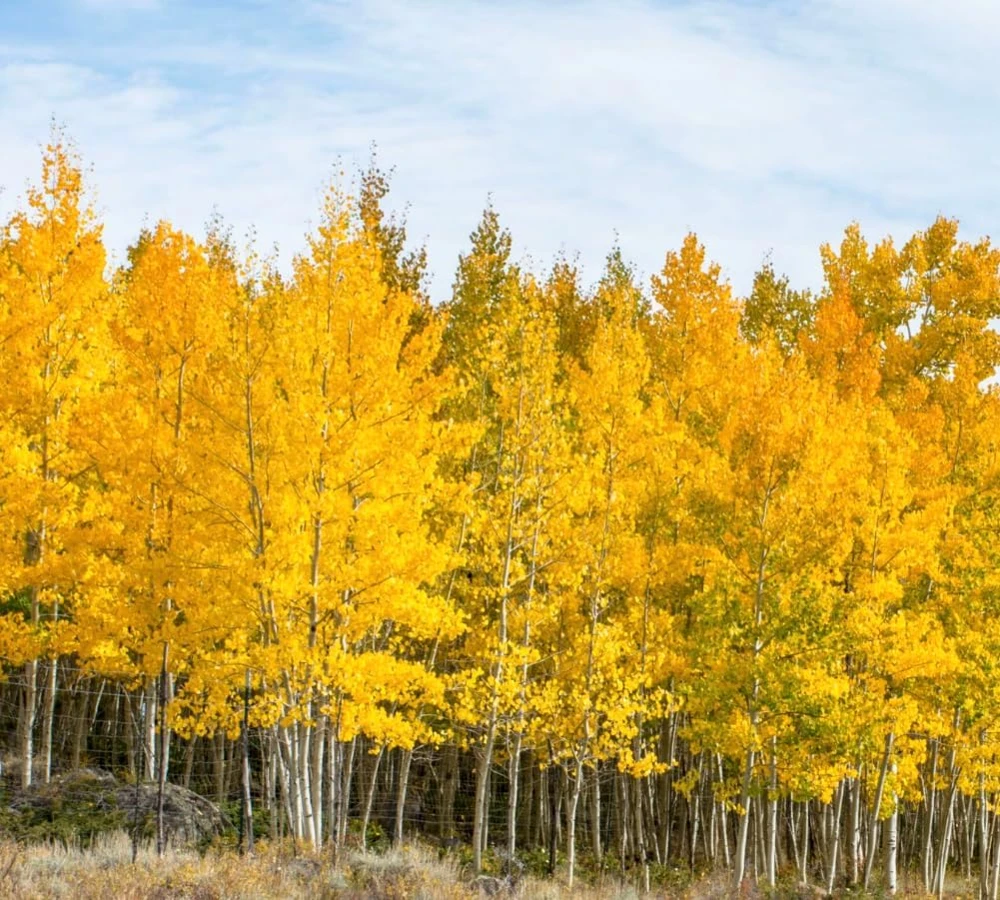
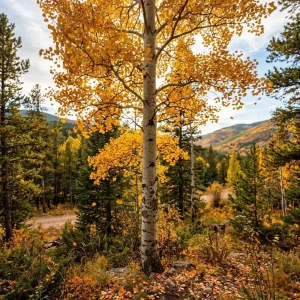
- Stunning Seasonal Display: Enjoy spectacular autumn color with leaves that turn a brilliant golden yellow fall foliage tree, creating a breathtaking visual impact in your garden. This vibrant display is a highlight of the year, providing a dramatic shift in landscape aesthetics and drawing the eye.
- Distinctive White Bark: As the tree matures, its bark develops a smooth, often chalky white appearance, providing year-round visual interest, especially striking against winter snow. This unique bark adds significant architectural appeal and makes it stand out.
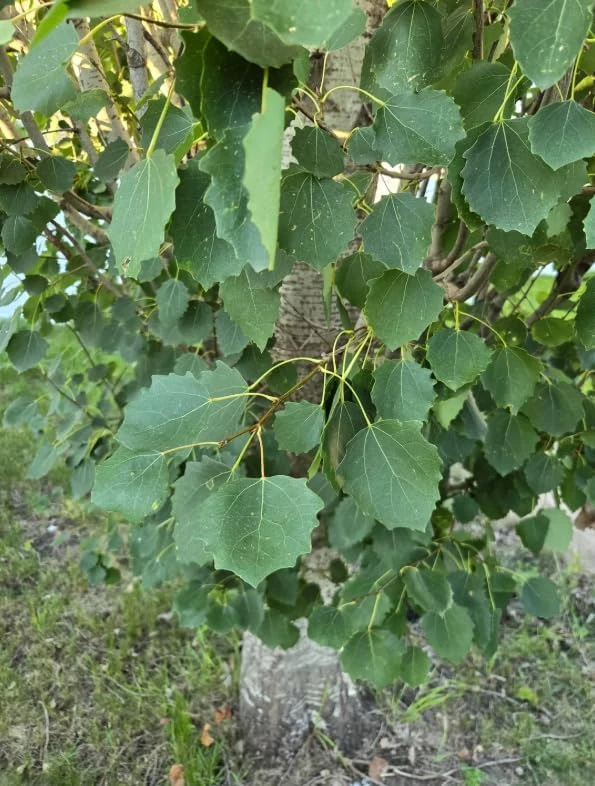
- Unique Auditory Experience: The flattened petioles of the leaves cause them to tremble or ‘quake’ in the breeze, producing a soothing, rustling sound that adds a tranquil ambiance to your outdoor environment. This characteristic sound is why it’s often called a mountain aspen tree, offering more than just visual beauty.
- Hardy and Adaptable: This species is incredibly tough, thriving in a wide range of climates (USDA Zones 3-8) and tolerating various soil conditions, making it suitable for many regions. Its resilience ensures a long-lasting presence in your garden, even in challenging environments.
- Fast Growth Rate:Mountain aspen tree varieties are known for their relatively fast growth, allowing you to establish a substantial tree in your landscape more quickly than many other species. This rapid development offers quicker gratification for your landscaping efforts, turning a young sapling into a mature tree efficiently.
- Wildlife Attraction: Provides habitat and food for various wildlife, including birds and small mammals, contributing to local biodiversity. This makes your garden a more vibrant and active ecosystem, supporting local fauna.
- Versatile Landscaping Use: Perfect for naturalizing large areas, creating windbreaks, establishing woodland gardens, or as a standout specimen tree. Its adaptability makes it suitable for diverse landscaping projects, including those seeking a striking yellow fall foliage tree. The white poplar tree is truly versatile.
Plant Care & Growing Tips
Caring for your quaking aspen tree live plant is straightforward, especially when provided with the right conditions. This hardy tree prefers full sun exposure, meaning at least 6 hours of direct sunlight per day, but can tolerate partial shade. While it’s adaptable, ideal growth occurs in well-drained soil. Avoid heavy clay soils that retain too much moisture, as this can lead to root issues. A slightly acidic to neutral pH is preferred. Ensure the planting site has good air circulation to minimize disease risk.
When watering, establish a regular schedule for young trees to ensure the soil remains consistently moist but not waterlogged. Once established, the mountain aspen tree is relatively drought-tolerant but will benefit from deep watering during prolonged dry spells. Fertilize in early spring with a balanced, slow-release granular fertilizer formulated for trees and shrubs. Follow package instructions for application rates. Pruning is generally minimal, focusing on removing dead, damaged, or crossing branches to maintain a healthy structure. This white poplar tree is quite resilient, but preventative care helps it thrive. Regular observation for pests or diseases, though rare, can help address any issues promptly.
The populus tremuloides can be prone to suckering, especially if roots are disturbed. To manage this, remove suckers as they appear by cutting them back to the ground. This helps direct the plant’s energy into the main trunk. For optimal growth and a stunning yellow fall foliage tree display, ensure it receives adequate light and moisture throughout its growing season. Mulching around the base can help retain soil moisture and regulate temperature, benefiting the overall health of your quaking aspen tree live plant.
Size & Details
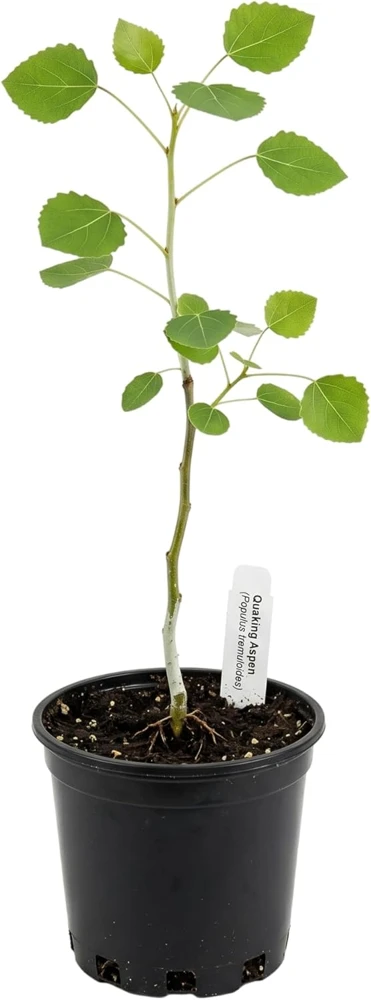
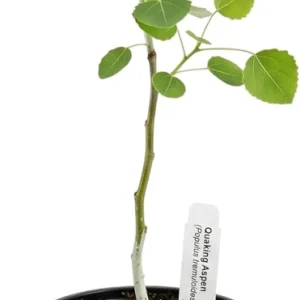
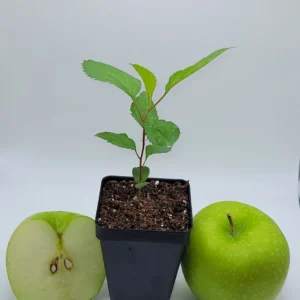
This offering is for a quaking aspen tree live plant, typically shipped at a height of 6-8 inches tall, carefully grown in a 4-inch nursery pot. This size ensures the plant is well-established and ready for transplanting into your garden or a larger container upon arrival. The mountain aspen tree is known for its relatively fast growth rate, quickly developing into a substantial specimen. While young, the iconic white bark and vibrant fall colors will develop over time as the tree matures, promising a rewarding long-term addition to your landscape. This deciduous tree will shed its leaves in winter and sprout new ones in spring, culminating in a spectacular yellow fall foliage tree display.
The white poplar tree will arrive well-packaged to ensure its health during transit. Once planted, it will begin to establish its root system and grow, eventually reaching mature heights of 20-60 feet with a spread of 10-30 feet, depending on conditions and variety. The Populus tremuloides is a long-lived species, providing many years of beauty and ecological benefit. Its compact size when shipped makes it easy to handle and plant, setting the stage for a magnificent mature tree.
Frequently Asked Questions
- Q: How big does this quaking aspen tree live plant get? A: A mature quaking aspen tree live plant can reach heights of 20-60 feet with a spread of 10-30 feet. The growth rate is relatively fast, allowing it to become a substantial tree in your landscape over time.
- Q: What size pot does it come in? A: This quaking aspen tree live plant is shipped in a 4-inch nursery pot and is approximately 6-8 inches tall, ready for transplanting into your garden or a larger container.
- Q: Is this an indoor or outdoor plant? A: The mountain aspen tree is an outdoor plant, best suited for landscape planting where it has ample space to grow and thrive. It requires full sun exposure to develop properly.
- Q: How much sunlight does it need? A: This tree thrives in full sun, requiring at least 6 hours of direct sunlight per day. It can tolerate partial shade, but full sun encourages the best growth and most vibrant yellow fall foliage tree color.
- Q: Is this plant easy to care for? A: Yes, the white poplar tree is considered hardy and adaptable, making it relatively easy to care for once established. It tolerates a range of soil conditions and climates within its USDA hardiness zones.
- Q: What condition will the quaking aspen tree live plant arrive in? A: Your quaking aspen tree live plant will arrive carefully packaged to ensure its health and vitality during transit, ready for immediate planting. We prioritize safe delivery of live plants.
- Q: When is the best time to plant a mountain aspen tree? A: The best time to plant your mountain aspen tree is in spring or early fall, allowing the tree to establish its root system before extreme temperatures.
- Q: Will it survive winter in my zone? A: The Populus tremuloides is hardy in USDA Zones 3-8, meaning it can tolerate cold winter temperatures within this range. Ensure proper care during establishment for best winter survival.
- Q: How long until it displays yellow fall foliage? A: While young, the fall color may not be as intense. The brilliant yellow fall foliage tree display develops as the tree matures, typically after a few years of growth and establishment.
- Q: What kind of soil does the white poplar tree prefer? A: The white poplar tree prefers well-drained soil, from slightly acidic to neutral pH. Avoid heavy, waterlogged soils for optimal health and growth.


Reviews
There are no reviews yet.