Overview
Transform your garden with the captivating raspberry lemonade ninebark shrub, a truly remarkable plant known for its dynamic seasonal interest. This hardy dwarf shrub, botanically known as Physocarpus opulifolius ‘Raspberry Lemonade’, is a fantastic choice for gardeners seeking both beauty and resilience. Arriving as a well-rooted live starter plant, typically 5-6 inches tall, it is ready to establish itself in your landscape. The ‘Raspberry Lemonade’ cultivar is particularly prized for its bright chartreuse leaves, which provide a brilliant contrast against other garden greenery throughout the growing season. As summer arrives, it produces abundant clusters of delicate white flowers, followed by an eye-catching display of ornamental coral-red fruits that extend its visual appeal into the fall and winter months. This adaptable ninebark plant care is relatively simple, making it a rewarding addition for both novice and experienced gardeners.
This particular physocarpus ‘raspberry lemonade’ variety is a dwarf selection, making it perfect for smaller gardens, borders, or even container planting. Its compact size means it won’t outgrow its space quickly, providing a tidy and attractive focal point. The multi-season interest, from its distinctive foliage to its flowers and fruits, ensures continuous charm. It’s a robust and cold-hardy plant, thriving in a range of climates and requiring minimal fuss once established. Whether you’re looking to create a vibrant hedge, add texture to a perennial bed, or simply enjoy a beautiful, low-maintenance ornamental, the ‘Raspberry Lemonade’ Ninebark is an excellent choice.
Key Benefits
The raspberry lemonade ninebark shrub offers a multitude of benefits that make it a standout choice for any garden:
- Vibrant Foliage: Enjoy striking chartreuse leaves that provide exceptional color and contrast throughout the spring and summer, creating a lively backdrop for other plants.
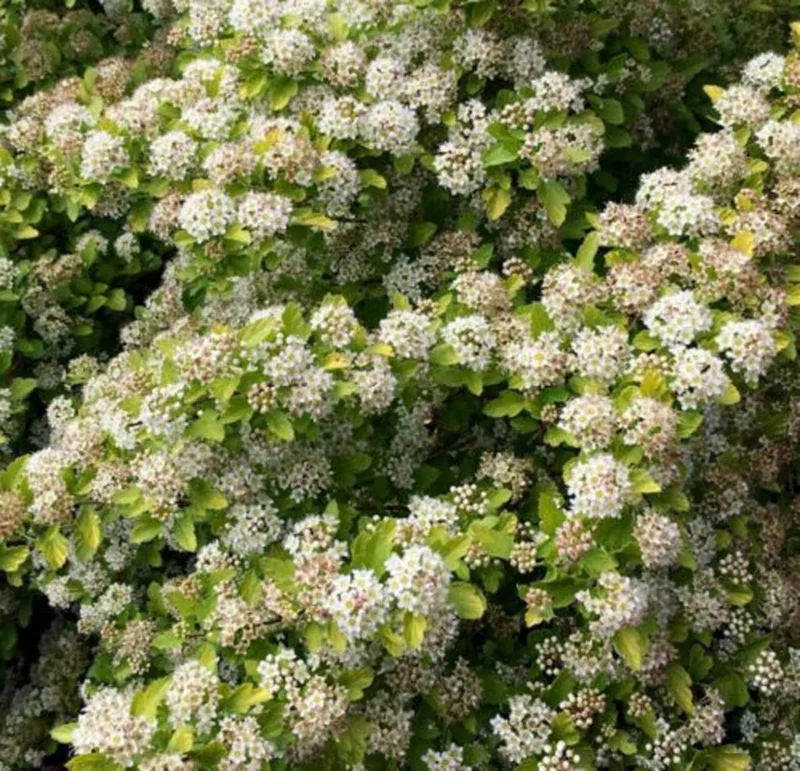
- Attractive Flowers: In summer, the plant is adorned with abundant clusters of delicate white flowers, adding a touch of elegance and attracting pollinators to your garden.
- Ornamental Fruits: Following the flowers, this dwarf ninebark for sale develops beautiful coral-red fruits that persist into fall and winter, offering extended visual interest and food for birds.
- Compact Growth Habit: As a dwarf shrub, it maintains a manageable size, typically growing to about 4 feet tall, making it ideal for smaller spaces, urban gardens, or foundation plantings where larger shrubs might overwhelm.
- Exceptional Hardiness: This is a significantly hardy garden shrubs variety, well-suited for USDA Zones 3-7, meaning it can withstand cold winter temperatures and is a reliable performer in many climates.
- Low Maintenance: Once established, the ‘Raspberry Lemonade’ Ninebark is drought-tolerant and requires minimal pruning or special care, making it perfect for busy gardeners.
- Versatile Landscaping: Excellent for use in mixed borders, as a specimen plant, in mass plantings, or even in large containers, providing flexibility in garden design.
Plant Care & Growing Tips
Caring for your raspberry lemonade ninebark shrub is straightforward, ensuring a healthy and vibrant plant for years to come. This robust shrub thrives in full sun, meaning it requires at least 6 hours of direct sunlight per day to achieve its best foliage color and flowering. While it can tolerate partial shade, too little sun may result in less vibrant leaf coloration and fewer blooms. Ensure it’s planted in well-drained soil; soggy conditions can lead to root rot. A sandy loam or loamy soil enriched with organic matter is ideal. When planting, dig a hole twice as wide as the root ball and just as deep, gently spreading the roots before backfilling with soil.
Water your physocarpus ‘raspberry lemonade’ regularly during its first growing season to help establish a strong root system. Once established, it is fairly drought-tolerant and will only require supplemental watering during prolonged dry spells. Avoid overwatering. Fertilization is generally not heavily needed; a balanced, slow-release granular fertilizer applied in early spring can boost growth, but often isn’t necessary in good soil. Pruning can be done after flowering to maintain shape, remove dead or damaged branches, or rejuvenate older plants. This dwarf variety typically maintains a nice form naturally, reducing the need for frequent pruning. It is a very hardy garden shrubs selection, resistant to most pests and diseases, making it a reliable and easy-to-grow plant.
Understanding the specific needs for ninebark plant care will ensure your shrub flourishes. This plant is winter hardy in USDA Zones 3-7, meaning it can withstand significant cold. In colder regions, applying a layer of mulch around the base in late fall can provide extra root protection. While generally pest-resistant, keep an eye out for common garden pests, though serious infestations are rare. Good air circulation is also important to prevent fungal issues. With proper care, your ‘Raspberry Lemonade’ Ninebark will be a stunning and resilient feature in your landscape.
Size & Details
This offering is for a live raspberry lemonade ninebark shrub starter plant, approximately 5-6 inches in height. It arrives as a well-rooted plant in a 2 1/2 x 3 1/2 inch pot, ensuring a healthy start for transplantation into your garden. As a dwarf variety, this dwarf ninebark for sale is expected to grow to a mature height of about 4 feet tall with a similar spread, creating a rounded and compact form. Its growth rate is moderate, meaning it will establish and fill out within a few seasons, providing year-round interest.
The plant will begin to show its characteristic chartreuse foliage immediately upon leafing out in spring. White flowers typically appear in early to mid-summer, followed by the distinctive coral-red fruit clusters that mature in late summer and persist into fall. This physocarpus ‘raspberry lemonade’ is a deciduous shrub, meaning it will drop its leaves in winter, but its attractive branching structure and persistent fruits will continue to add visual appeal. It is ready for planting in your garden or a larger container upon arrival.
Frequently Asked Questions
- Q: How big does this plant get? A: This raspberry lemonade ninebark shrub is a dwarf variety, typically growing to a mature height of about 4 feet tall with a similar spread. Its compact size makes it suitable for various garden settings.
- Q: What size pot does it come in? A: The starter plant arrives well-rooted in a 2 1/2 x 3 1/2 inch pot, ready for you to transplant into your garden or a larger container.
- Q: Is this an indoor or outdoor plant? A: The raspberry lemonade ninebark shrub is an outdoor plant, specifically a hardy garden shrub designed to thrive in garden beds and landscapes within its recommended USDA zones.
- Q: How much sunlight does it need? A: For best results, this shrub requires full sun, which means at least 6 hours of direct sunlight per day. This ensures the most vibrant foliage color and abundant flowering.
- Q: Is this plant easy to care for? A: Yes, this ninebark plant care is considered low maintenance. Once established, it is drought-tolerant and generally resistant to pests and diseases, making it an excellent choice for beginners.
- Q: What condition will it arrive in? A: Your plant will arrive as a well-rooted starter plant, approximately 5-6 inches tall, in its nursery pot, carefully packaged to ensure safe transit.
- Q: How long until it blooms? A: Depending on when it’s planted and its establishment, you can expect white flowers to appear in early to mid-summer, typically in its first or second year.
- Q: When is the best time to plant? A: The best time to plant your dwarf ninebark for sale is in spring or early fall, allowing the roots to establish before extreme summer heat or winter cold.
- Q: Will it survive winter in my zone? A: This shrub is a very hardy garden shrubs variety, suitable for USDA Zones 3-7, meaning it is winter hardy in a wide range of cold climates.
- Q: What type of soil does it prefer? A: It prefers well-drained soil, ideally a sandy loam or loamy soil rich in organic matter. Avoid heavy, waterlogged soils.


Reviews
There are no reviews yet.