Overview
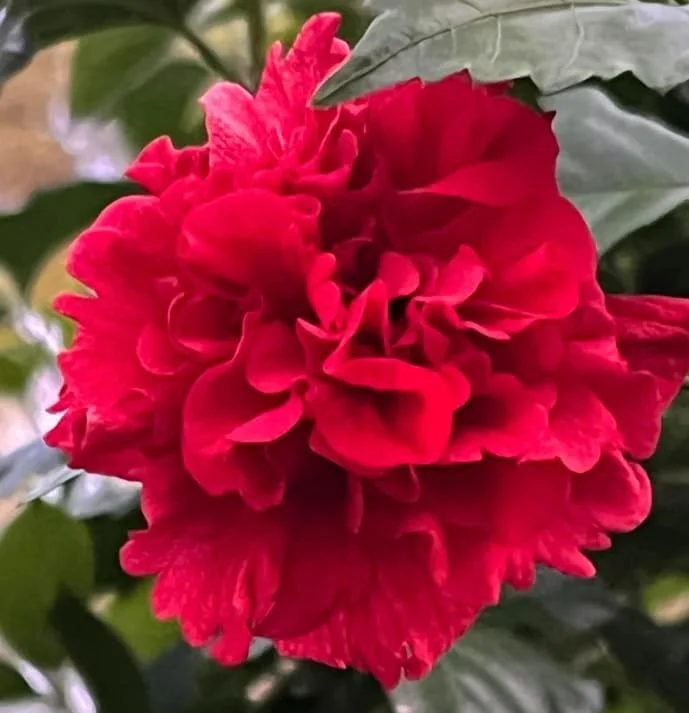
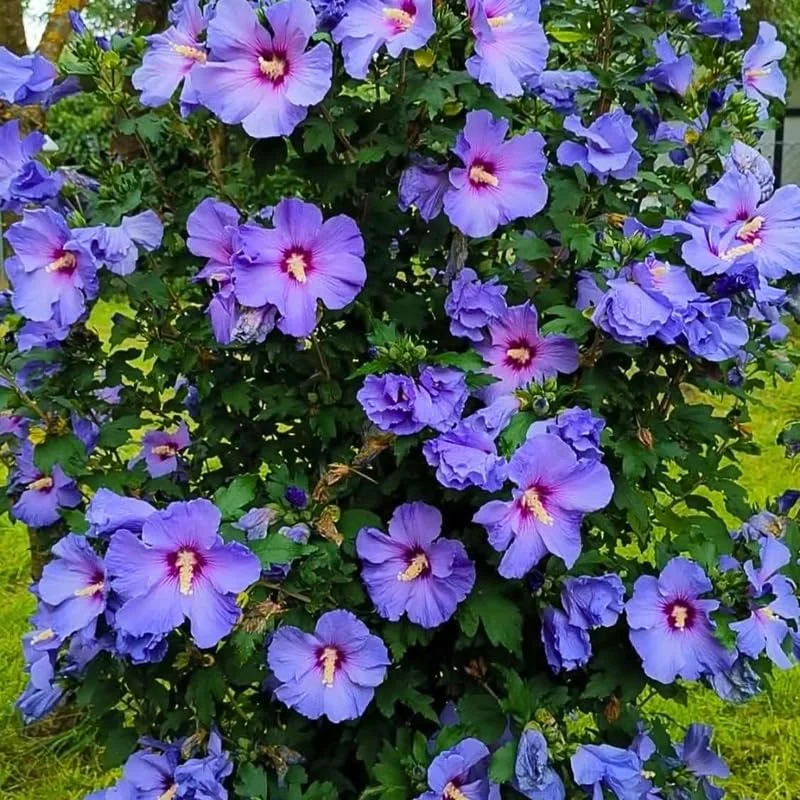
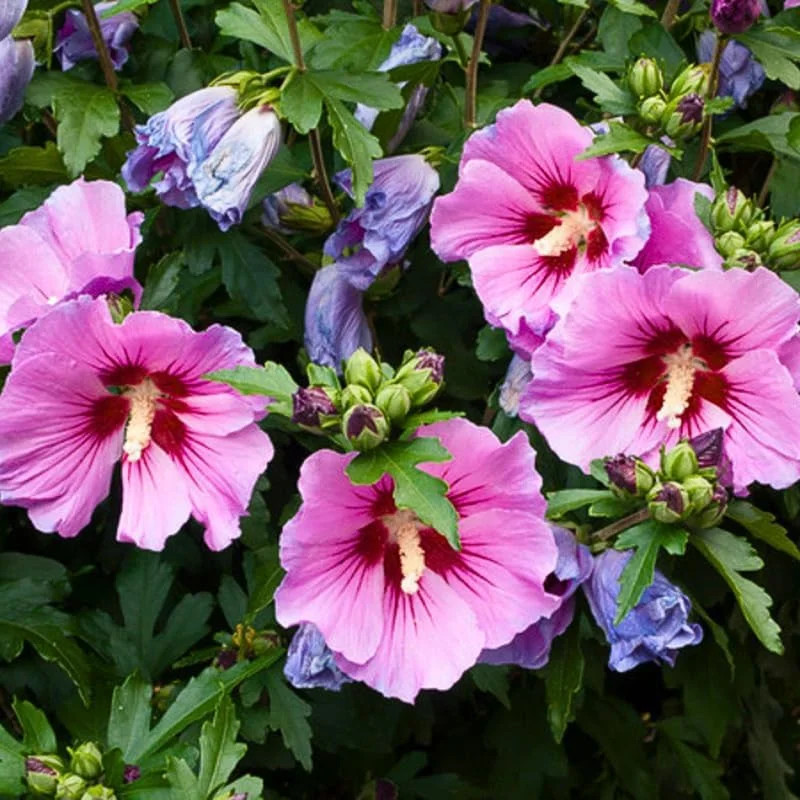
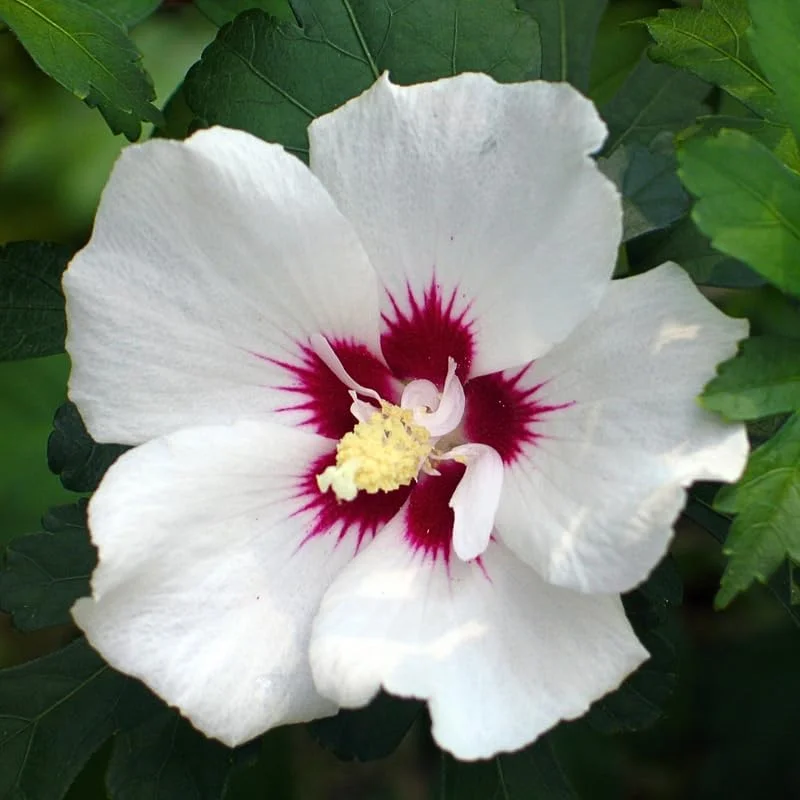
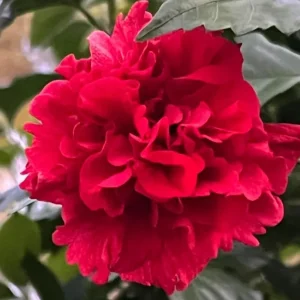
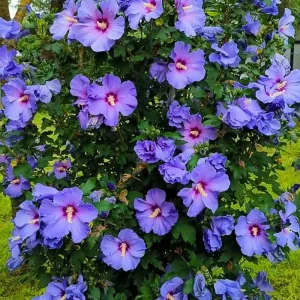
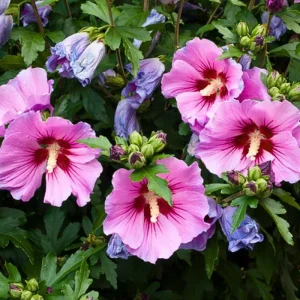
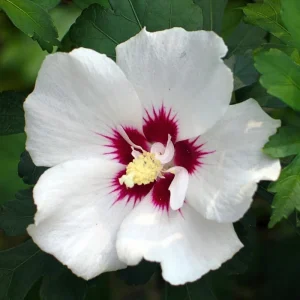
Transform your outdoor space with a stunning Red Althea live plant, commonly known as Rose of Sharon or Hardy Hibiscus. This robust and beautiful flowering shrub is a fantastic choice for gardeners seeking both visual appeal and ease of care. The Red Althea (Hibiscus syriacus) is celebrated for its spectacular, trumpet-shaped red flowers that burst into bloom from mid-summer through fall, providing a continuous display of vibrant color when many other plants are fading. As a deciduous shrub, it offers seasonal interest, with lush green foliage during the growing season and striking blooms that attract pollinators like butterflies and hummingbirds. Perfect for creating a focal point or adding a splash of color to borders and hedges, this plant is a true garden gem.
Our Red Althea live plant arrives ready to thrive in your garden, typically measuring 6-12 inches tall, making it an ideal starter plant for establishing a robust shrub. This particular variety is known for its resilience and adaptability, capable of flourishing in a wide range of climates. Whether you’re a seasoned gardener or just starting, the Rose of Sharon shrub offers an accessible and rewarding planting experience, promising years of beautiful blooms with relatively little effort. Its vigorous growth and stunning floral display make it a must-have for any landscape.
Key Benefits
The Red Althea live plant offers a multitude of benefits for any outdoor garden, enhancing both its aesthetic and ecological value. Its striking appearance and easy-care nature make it a top choice for gardeners.
- Spectacular, Long-Lasting Blooms: Enjoy an extended season of vibrant red flowers from mid-summer well into fall, providing continuous color and interest to your garden when many other plants have finished blooming. These large, showy flowers create a dramatic visual impact.
- Attracts Pollinators: The beautiful blooms of the hardy hibiscus plant are a magnet for beneficial insects such as butterflies and hummingbirds, contributing to the biodiversity and health of your garden ecosystem.
- Low Maintenance & Drought Tolerant: This resilient shrub requires minimal care once established. It is known for its drought tolerance, making it an excellent choice for water-wise gardening and busy individuals who desire a beautiful garden without constant attention.
- Versatile Landscape Use: Ideal for a variety of landscaping applications, including stunning flower beds, defining borders, creating natural hedges, or as a vibrant specimen plant. Its upright growth habit makes it suitable for many garden designs.
- Hardy & Adaptable: Thrives in a wide range of climates, specifically hardy in USDA Zones 5-9. This means it can withstand varying temperatures and conditions, ensuring a successful planting experience for many gardeners.
- Fast Growing: With proper care, the Rose of Sharon shrub can establish itself quickly, growing into a substantial and impressive flowering shrub within a few seasons, providing quicker gratification for your landscaping efforts.
- Disease and Pest Resistant: Generally robust and less prone to common garden diseases and pests, further reducing the need for extensive care and chemical treatments, promoting a healthier garden environment.
Plant Care & Growing Tips
Caring for your Red Althea live plant is straightforward, ensuring a bountiful display of blooms with minimal effort. This low-maintenance flowering shrub thrives when its basic needs are met. For optimal growth and flowering, site your Rose of Sharon in a location that receives full sun, meaning at least 6 hours of direct sunlight per day. While it can tolerate partial shade, full sun promotes the most abundant and vibrant blooms. Ensure the planting site has well-draining soil to prevent root rot, as Althea does not like to sit in soggy conditions. A slightly acidic to neutral soil pH is preferred.
When it comes to watering, the hardy hibiscus plant has moderate needs. Water regularly after planting to help establish the root system. Once established, it becomes quite drought-tolerant, requiring less frequent watering, especially in cooler climates. However, during prolonged dry spells or extreme heat, supplemental watering will help maintain its vigor and bloom quality. Fertilize in early spring with a balanced, slow-release granular fertilizer formulated for flowering shrubs. Prune in late winter or early spring before new growth begins to shape the plant, remove any dead or crossing branches, and encourage more prolific flowering, as it blooms on new wood. Watch for common pests like aphids, though serious infestations are rare.
Protecting your outdoor garden plant during its dormant period is crucial in colder zones. While hardy, a layer of mulch around the base can help insulate the roots during harsh winters. In areas with heavy snow, ensure branches are not weighed down excessively to prevent breakage. This resilient shrub is generally easy to grow, making it a rewarding addition to almost any garden setting. The key to a thriving Red Althea live plant is adequate sunlight, well-draining soil, and consistent, but not excessive, moisture.
Size & Details
This offering is for one Red Althea live plant, also known as Rose of Sharon or Hardy Hibiscus, typically measuring 6-12 inches tall upon arrival. These young, vigorous plants are shipped in a dormant state or with minimal foliage, depending on the season, ensuring they transplant easily and establish quickly in your garden. As a deciduous shrub, its growth rate is moderate to fast, meaning it can reach its mature height of 8-12 feet tall and 6-10 feet wide within several years with proper care. It will develop a multi-stemmed, upright habit, making it an excellent choice for a hedge or a standalone specimen.
The plant is provided in a nursery pot or as a bare-root specimen, ready for immediate planting. Expect the first significant flush of red blooms in its second or third season after planting, though some flowers may appear in the first year. This Rose of Sharon shrub is a long-lived plant, providing decades of enjoyment. Its hardy nature makes it suitable for various garden designs, from formal to informal. The vibrant red flowers of this outdoor garden plant will be a highlight of your landscape for many seasons to come.
Frequently Asked Questions
- Q: How big does this Red Althea live plant get? A: A: This Red Althea Rose of Sharon typically grows to a mature height of 8-12 feet and can spread 6-10 feet wide, forming an upright, multi-stemmed shrub. Its size can be managed with annual pruning.
- Q: What size pot does it come in? A: The hardy hibiscus plant is typically shipped as a young plant, 6-12 inches tall, in a nursery pot or as a bare-root specimen, ready for transplanting into your garden or a larger container.
- Q: Is this an indoor or outdoor plant? A: This Rose of Sharon shrub is an outdoor plant. It is a hardy deciduous shrub that thrives in garden beds, borders, and hedges in USDA Zones 5-9.
- Q: How much sunlight does it need? A: For the best flowering performance, this low-maintenance flowering shrub requires full sun exposure, meaning at least 6 hours of direct sunlight per day. It can tolerate partial sun but may produce fewer blooms.
- Q: Is this plant easy to care for? A: Yes, the Red Althea is considered a very easy-to-care-for plant. Once established, it is drought-tolerant and requires minimal maintenance, making it suitable for beginners and experienced gardeners alike.
- Q: What condition will it arrive in? A: Your Red Althea live plant will arrive either dormant and bare-root during cooler months or with some foliage in warmer seasons, carefully packaged to ensure its health during transit.
- Q: How long until it blooms? A: While some flowers might appear in its first year, the Red Althea live plant typically establishes its root system and starts producing a significant flush of red blooms in its second or third season after planting.
- Q: When is the best time to plant this Rose of Sharon shrub? A: The best time to plant your Red Althea is in spring or early fall, allowing the plant sufficient time to establish its root system before extreme weather conditions.
- Q: Will it survive winter in my zone? A: This hardy hibiscus plant is hardy in USDA Zones 5-9. If you are within these zones, it should successfully overwinter and return each spring.
- Q: What type of soil does it prefer? A: The Red Althea thrives in well-draining soil. It is adaptable to various soil types but prefers a slightly acidic to neutral pH. Avoid heavy, waterlogged soils.


Reviews
There are no reviews yet.