Overview
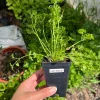
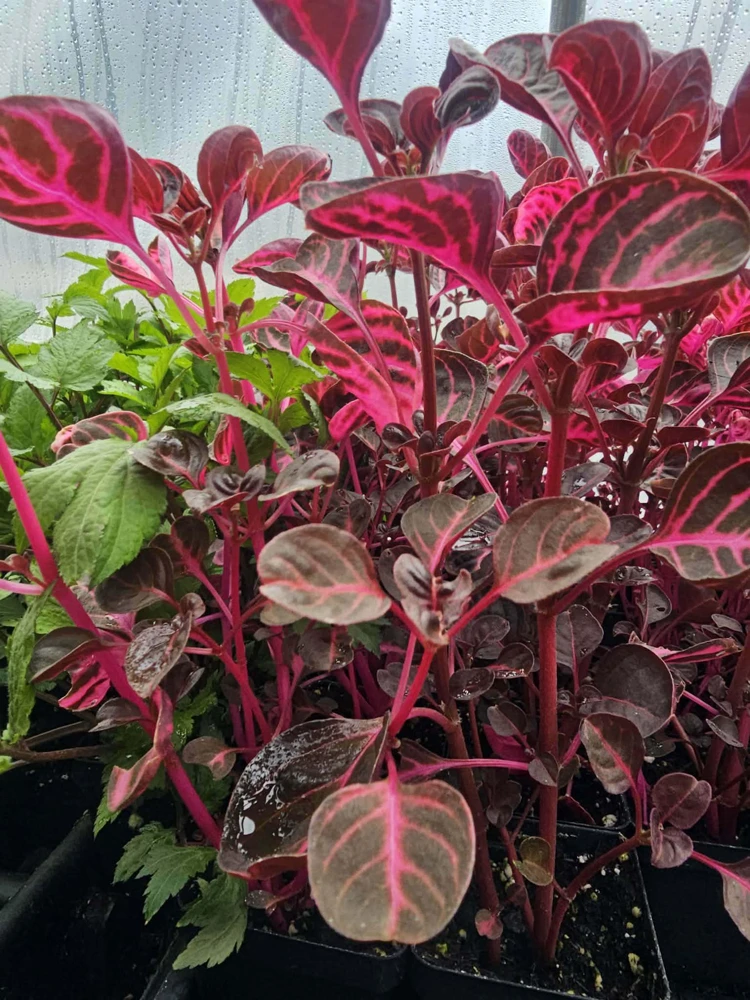
The Red Beefsteak live plant, scientifically known as Iresine Herbstii and commonly referred to as Nkaj Liab Hmoob, is a distinctive and culturally significant herb. This starter live plant offers an opportunity to cultivate a botanical specimen valued for its vibrant red foliage and historical use in traditional herbal practices. Originating from the Hmong culture, Nkaj Liab Hmoob has been cherished for generations, often incorporated into wellness routines and traditional preparations. This striking plant is not only a piece of living history but also a beautiful addition to any garden or indoor plant collection, providing both aesthetic appeal and a connection to ancient herbal wisdom. Its unique appearance makes it a conversation starter, while its traditional uses resonate with those seeking natural approaches to well-being.
As a Red Beefsteak live plant, it arrives ready for planting and nurturing, allowing you to experience the growth and development of this remarkable herb firsthand. Whether you’re an experienced gardener or new to cultivating herbs, the Iresine Herbstii ‘Nkaj Liab Hmoob’ is a rewarding choice. It represents a bridge between horticultural beauty and ethnobotanical tradition, making it more than just a plant—it’s a living legacy. Explore the fascinating world of traditional Hmong herbs with this exceptional offering.
Key Benefits
Cultivating the Red Beefsteak live plant, or Iresine Herbstii, offers a range of benefits, from its striking visual appeal to its historical significance in traditional wellness practices. This versatile herb can enrich your home or garden in multiple ways:
- Cultural Significance: This plant, known as Nkaj Liab Hmoob, holds deep cultural value within traditional Hmong practices, offering a connection to ancestral wisdom and herbal traditions.
- Vibrant Foliage: The Iresine Herbstii boasts intense, rich red leaves that provide a stunning contrast and visual interest to any plant collection, indoors or outdoors. Its striking color adds a unique decorative element.
- Traditional Wellness Support: Historically, this herb has been associated with supporting overall wellness and balance within traditional contexts, particularly during periods of fatigue or post-partum recovery.
- Easy to Grow: As a starter plant, it’s relatively straightforward to grow and care for, making it suitable for gardeners of various experience levels. It adapts well to different environments with proper attention.
- Unique Addition: Stand out from common garden plants with this distinctive specimen. The Iresine Herbstii plant is not widely found, offering a unique touch to your botanical assortment.
- Educational Value: Growing an herbal plant for wellness like this provides an excellent opportunity to learn about ethnobotany, traditional medicine, and the diverse uses of plants across cultures.
- Versatile Placement: Can be grown in pots indoors as a vibrant houseplant or outdoors in suitable climates as part of a garden bed or container arrangement, adding a splash of color wherever it’s placed.
Plant Care & Growing Tips
Caring for your Red Beefsteak live plant (Iresine Herbstii ‘Nkaj Liab Hmoob’) is rewarding and relatively simple with the right conditions. This plant thrives in bright, indirect light. If grown indoors, place it near a window where it receives ample light but is protected from harsh, direct afternoon sun, which can scorch its vibrant leaves. Outdoors, a spot with morning sun and afternoon shade is ideal, especially in warmer climates. Sufficient light is crucial for maintaining the intensity of its striking red coloration. Insufficient light can lead to greener, less vibrant foliage.
Watering should be consistent, keeping the soil moist but never waterlogged. Allow the top inch of soil to dry out slightly between waterings. Overwatering can lead to root rot, so ensure good drainage. During active growth periods, typically spring and summer, you may need to water more frequently. Reduce watering in the cooler months when the plant’s growth slows down. A well-draining potting mix is essential for this Iresine Herbstii plant. A standard all-purpose potting mix amended with some perlite or sand will provide the necessary drainage and aeration. Fertilize every 2-4 weeks during the growing season with a balanced liquid fertilizer diluted to half strength. This will support vigorous growth and vibrant foliage.
The Red Beefsteak plant prefers warm temperatures, ideally between 65-80°F (18-27°C). It is not frost-tolerant, so if you live in a region with cold winters (typically USDA Zones below 9-11), it’s best to grow it as an annual outdoors or bring it indoors as a houseplant for the colder months. Pruning can encourage bushier growth and maintain a desired shape, especially if you’re cultivating it as a traditional Hmong herbs specimen. Watch out for common pests like spider mites or aphids, and treat them promptly with insecticidal soap if observed. Providing consistent care will ensure your Red Beefsteak live plant flourishes.
Size & Details
This listing is for one (1) Red Beefsteak live plant, specifically an Iresine Herbstii starter plant, also known as Nkaj Liab Hmoob. Each plant is carefully selected to ensure health and vitality, providing you with a strong foundation for growth. The starter plant typically arrives in a small nursery pot, ready to be transplanted into a larger container or directly into your garden if conditions allow. While initial height may vary, these plants are known for their relatively fast growth rate under optimal conditions, quickly developing into a fuller specimen. Expect the plant to establish itself and begin showing new growth within a few weeks of planting.
When mature, the Iresine Herbstii can reach a height of 1-2 feet, with a similar spread, forming a dense, bushy appearance. Its striking red foliage, which gives it the ‘Beefsteak’ name, remains vibrant throughout the growing season. The plant is shipped securely to minimize stress during transit, ensuring it arrives in the best possible condition, ready for your care. This herbal plant for wellness will bring color and cultural significance to your collection for seasons to come.
Frequently Asked Questions
- Q: How big does this plant get? A: The Red Beefsteak live plant (Iresine Herbstii) typically grows to a height of 1 to 2 feet and can spread similarly, forming a bushy, attractive plant when mature. Its growth can be managed with regular pruning.
- Q: Is this an indoor or outdoor plant? A: This is a versatile plant that can be grown both indoors and outdoors. In colder climates (below USDA Zone 9), it is best grown as an annual outdoors or brought inside as a houseplant during winter. In warmer zones, it thrives outdoors year-round.
- Q: How much sunlight does it need? A: The Iresine Herbstii plant prefers bright, indirect light. If grown indoors, place it near a window. Outdoors, a location with morning sun and afternoon shade is ideal to protect its leaves from scorching and maintain its vibrant red color.
- Q: Is this plant easy to care for? A: Yes, the Red Beefsteak plant is considered relatively easy to care for, making it suitable for both beginner and experienced gardeners. It requires consistent watering, good drainage, and adequate light to flourish.
- Q: What condition will it arrive in? A: Your Red Beefsteak live plant will arrive as a healthy starter plant, securely packaged to minimize stress during transit. Some minor leaf drop or temporary wilting is normal, but the plant should recover quickly with proper care.
- Q: Can I use Nkaj Liab Hmoob in traditional preparations? A: Yes, Nkaj Liab Hmoob has a long history of use in traditional Hmong herbal practices. It’s often prepared in specific ways for wellness support. We recommend consulting with experienced practitioners or reliable ethnobotanical resources for traditional uses.
- Q: What’s the best soil type for this plant? A: A well-draining potting mix is crucial for the Iresine Herbstii. A general-purpose potting mix amended with perlite or sand will provide the ideal conditions for root health and prevent waterlogging.
- Q: How often should I fertilize my herbal plant for wellness? A: During the active growing season (spring and summer), fertilize your Red Beefsteak plant every 2-4 weeks with a balanced liquid fertilizer diluted to half strength. Reduce or stop fertilizing during the cooler, dormant months.
- Q: Will it survive winter in my zone? A: The Red Beefsteak live plant is sensitive to cold and frost. It is hardy in USDA Zones 9-11. If you live in a colder zone, you will need to protect it from frost or bring it indoors for the winter to ensure its survival.
- Q: How long until it shows significant growth? A: With proper care and optimal conditions, you can expect to see significant new growth on your Red Beefsteak starter plant within a few weeks to a couple of months after planting.


Reviews
There are no reviews yet.