Overview
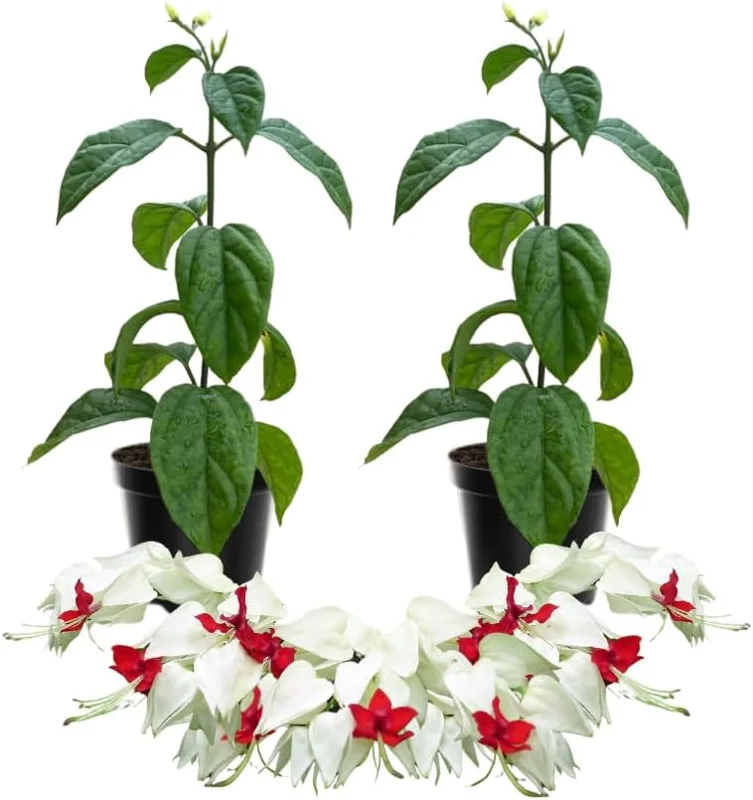
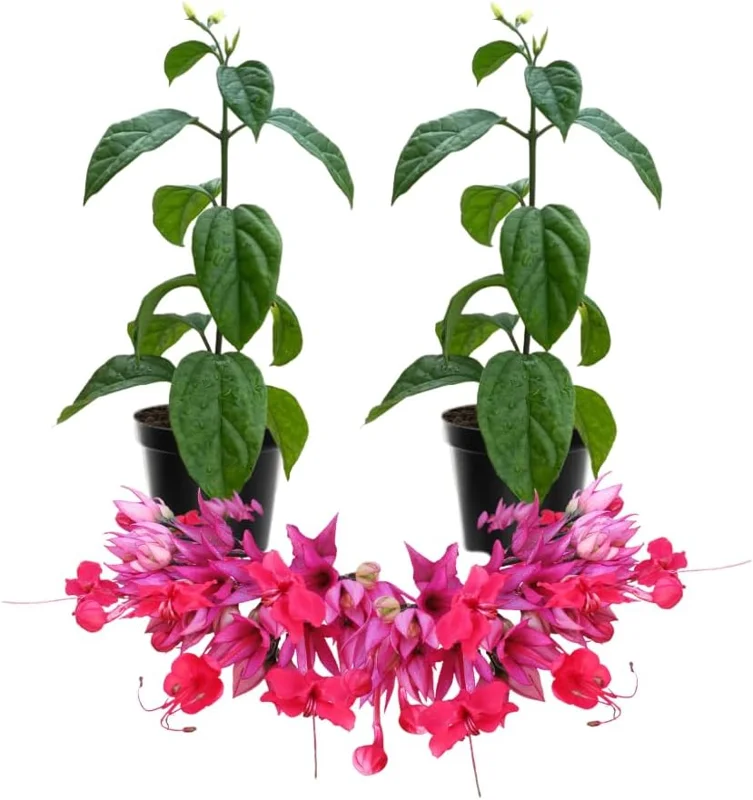
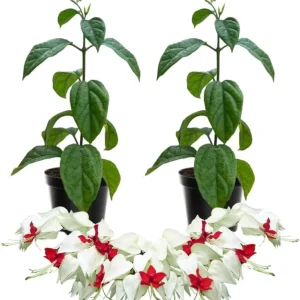
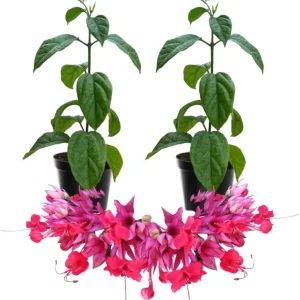
Introduce a touch of romantic elegance to your outdoor space with this exquisite set of two red bleeding heart live plant specimens. Known for their unique, heart-shaped flowers, these perennial vines (botanically Dicentra spectabilis ‘Valentine’) are a gardener’s delight. Each plant arrives fully rooted and measures 4-6 inches, ready to be planted in your garden or a decorative container. The Red Bleeding Heart is celebrated for its stunning red and purple blooms that dangle gracefully, creating a captivating display from spring through early summer. These robust plants are an ideal choice for adding vertical interest and a splash of vibrant color to shaded areas, making them a perfect addition to woodland gardens, shaded patios, or under larger trees.
The red bleeding heart live plant is a beloved classic, cherished for its distinctive floral form and ease of care. This particular variety offers a rich, deep red hue that stands out beautifully against its green foliage. As a perennial, it will return year after year, growing more magnificent with each season, providing enduring beauty and charm to your landscape. Whether you’re an experienced gardener or just starting, these fully rooted plants offer a reliable and rewarding gardening experience.
Key Benefits
Cultivating a red bleeding heart live plant offers numerous advantages, transforming your garden into a serene and beautiful sanctuary. These plants are not only visually stunning but also remarkably resilient.
- Distinctive Floral Beauty: Enjoy the unique and charming heart-shaped flowers in striking red and purple, creating a focal point in any garden setting. These delicate blooms are truly one-of-a-kind.
- Long-Lived Perennial: As a perennial, this plant returns year after year, growing stronger and more abundant with each season, offering lasting beauty with minimal effort.
- Shade Loving Plant: Ideal for those challenging shaded areas where many other flowering plants struggle. It thrives in partial to full shade, brightening up dim corners of your garden. This makes it a perfect choice for gardeners looking for shade loving plants.
- Low Maintenance: Once established, the red bleeding heart live plant requires minimal care, making it an excellent choice for busy gardeners seeking high impact with low effort.
- Versatile Planting Options: Suitable for planting directly in garden beds, borders, or in decorative containers on shaded patios, providing flexibility in design.
- Attracts Pollinators: While not a primary pollinator magnet, its early spring blooms can provide nectar for early emerging bees and hummingbirds, contributing to garden biodiversity.
- Cold Hardy: This variety is cold-hardy, thriving in USDA Zones 3–9, making it suitable for a wide range of climates and ensuring its survival through colder winters.
Plant Care & Growing Tips
Caring for your red bleeding heart live plant is straightforward, ensuring years of beautiful blooms. These plants prefer cool, moist conditions reminiscent of their native woodland habitats. Understanding their basic needs will help them flourish.
Sunlight Exposure: Red Bleeding Hearts thrive in partial to full shade. While they can tolerate some morning sun, direct afternoon sun, especially in warmer climates, can scorch their delicate foliage and shorten their blooming period. Aim for locations that receive dappled sunlight or complete shade, making them perfect shade loving plants. This will help maintain vibrant foliage and abundant blooms.
Watering: Consistent moisture is key, especially during their active growing and blooming season. Keep the soil evenly moist but not waterlogged. Water deeply when the top inch of soil feels dry to the touch. Reduce watering after the plant goes dormant in mid-summer, as excessive moisture during dormancy can lead to rot. Good drainage is crucial to prevent root issues.
Soil Type and Fertilization: These plants prefer rich, well-draining soil that is high in organic matter. Amend heavy clay soils with compost to improve drainage and fertility. A slightly acidic to neutral pH (6.0-7.0) is ideal. Fertilize in early spring with a balanced, slow-release granular fertilizer or a layer of compost around the base of the plant. Avoid over-fertilizing, as this can lead to lush foliage at the expense of flowers. This helps promote a healthy perennial flowering vine.
Temperature and Hardiness: The Red Bleeding Heart is incredibly cold-hardy, thriving in USDA Zones 3–9. It prefers cool to temperate climates and will go dormant in hotter summer regions. Mulching around the base of the plant in fall can help protect the roots in colder zones. No special winter protection is usually needed in its hardiness range.
Common Problems: Generally pest and disease resistant, Bleeding Hearts can occasionally suffer from aphids or powdery mildew in humid conditions. Ensure good air circulation and avoid overhead watering to minimize fungal issues. If foliage yellows or browns prematurely, it’s often a sign of too much sun or insufficient moisture.
Size & Details
This offering includes a set of two red bleeding heart live plant specimens, each fully rooted and ready for immediate planting. The plants arrive approximately 4-6 inches in height, providing a robust start for your garden. When mature, these stunning perennial flowering vines typically reach a height of 18–24 inches with a similar spread, forming an attractive, mounding habit. They are fast-growing during their active season, quickly establishing themselves in their new home. You can expect beautiful, heart-shaped red and purple flowers to emerge in spring, lasting several weeks, with the foliage often receding in mid-summer in hotter climates. These plants are shipped in individual nursery containers, ensuring their root systems are protected and healthy upon arrival, ready to become a magnificent perennial flowering vine in your landscape.
Frequently Asked Questions
- Q: How big does this plant get? A: The Red Bleeding Heart typically reaches a mature height of 18–24 inches and spreads similarly, forming an attractive, mounding perennial. Its size can vary slightly depending on growing conditions and climate.
- Q: Is this an indoor or outdoor plant? A: This is primarily an outdoor plant, a cold-hardy perennial that thrives in garden beds, borders, and shaded outdoor containers. It is not suitable for long-term indoor cultivation.
- Q: How much sunlight does it need? A: The red bleeding heart live plant prefers partial to full shade. It can tolerate some morning sun but should be protected from harsh afternoon sun, which can scorch its leaves and reduce blooming.
- Q: What condition will it arrive in? A: Your plants will arrive as two fully rooted live specimens, approximately 4-6 inches tall, in individual nursery containers, ensuring they are healthy and ready for planting.
- Q: When is the best time to plant a bleeding heart? A: The best time to plant a bleeding heart is in early spring or fall when temperatures are cooler. This allows the plant to establish its root system before extreme heat or cold.
- Q: Is this plant easy to care for? A: Yes, the Red Bleeding Heart is considered a low-maintenance plant. Once established, it primarily requires consistent moisture and a shaded location to thrive, making it an excellent choice for gardeners of all experience levels.
- Q: Will it survive winter in my zone? A: This plant is cold-hardy and ideal for USDA Zones 3–9. Within these zones, it will typically survive winter and return in the spring, often growing larger each year.
- Q: Can I grow this perennial flowering vine in a container? A: Absolutely! The Red Bleeding Heart is well-suited for container gardening, especially if you have a shaded patio or balcony. Ensure the container has good drainage and use a rich, well-draining potting mix.
- Q: What makes this a good choice for shade loving plants? A: Its natural habitat is woodlands, meaning it has evolved to thrive in low-light conditions. It produces abundant flowers and lush foliage even without direct sun, making it perfect for brightening up dim garden areas.
- Q: How often should I water my red bleeding heart live plant? A: During its active growing season, keep the soil consistently moist but not soggy. Check the soil regularly and water when the top inch feels dry. Reduce watering significantly once the plant goes dormant in summer.


Reviews
There are no reviews yet.