Overview
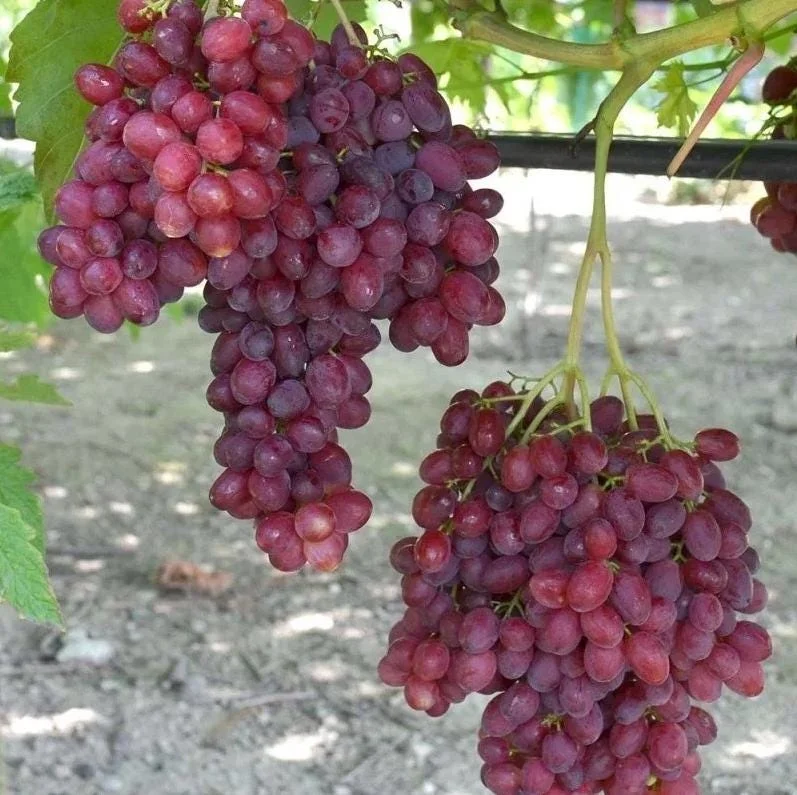
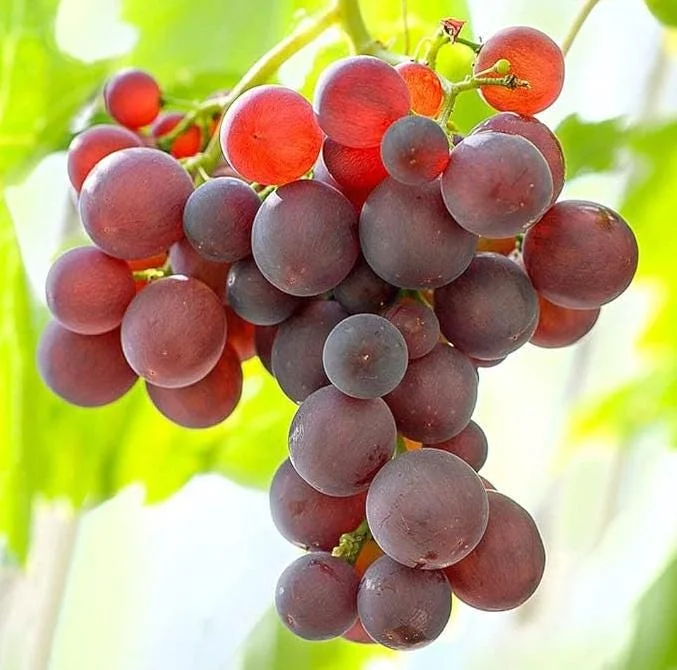
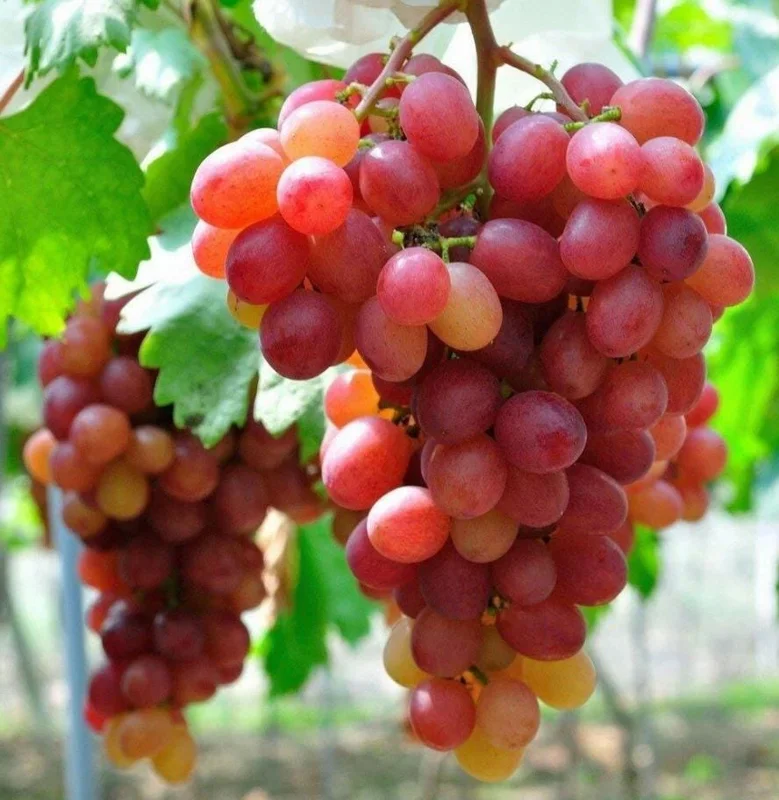
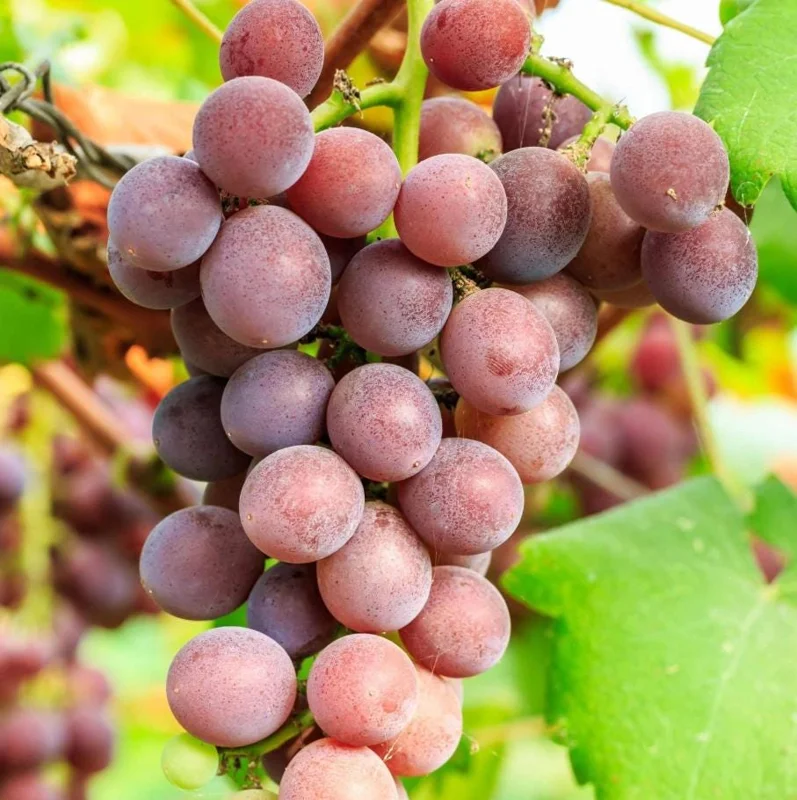
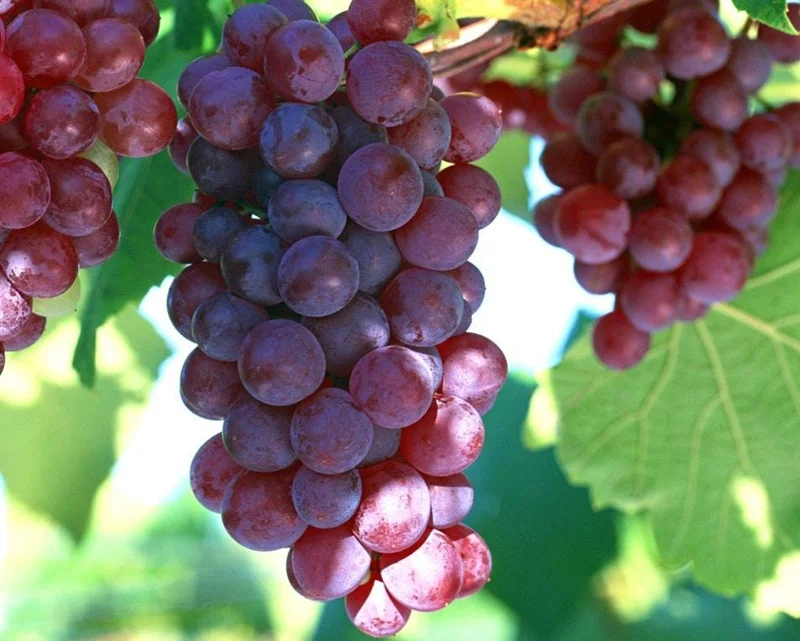
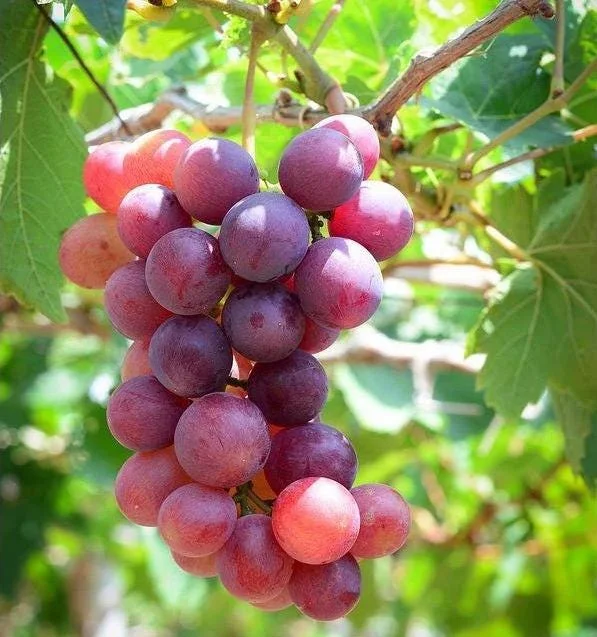
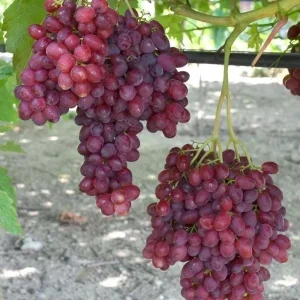
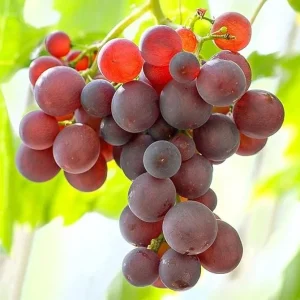
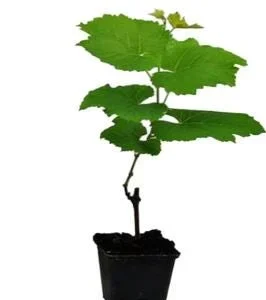
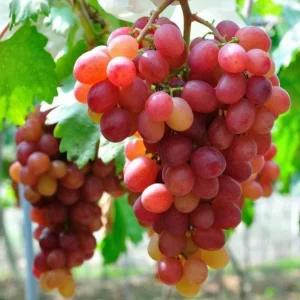
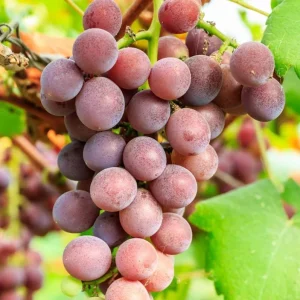
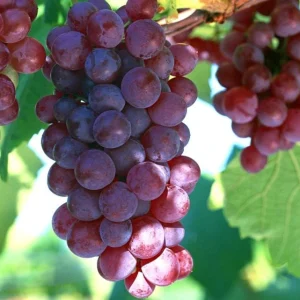
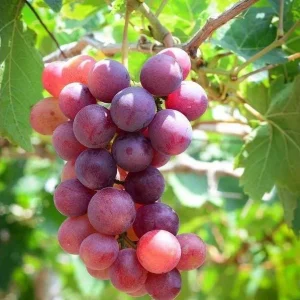
Embark on a rewarding gardening journey with this exceptional red catawba grape vine live plant. Known scientifically as Vitis labrusca, the Catawba grape is a beloved American classic, celebrated for its robust flavor and beautiful reddish-purple hue. This live starter plant, typically 5-7 inches tall, provides an excellent foundation for establishing your own productive grape arbor or trellis. Imagine harvesting your own sweet, juicy grapes for fresh eating, making jellies, or even homemade wine. The red catawba grape vine is a vigorous grower, offering both ornamental beauty and delicious fruit, making it a perfect addition to any garden.
The Catawba grape variety is renowned for its versatility and resilience, adapting well to various climates and offering a reliable yield. This particular offering is a healthy, young plant, ready to thrive in your garden. Whether you’re an experienced vintner or a novice gardener eager to try your hand at growing fruit, this live grape plant is an ideal choice to get started. Its vigorous growth habit and attractive foliage will enhance your landscape while promising a future bounty of delightful grapes.
Key Benefits
Growing your own red catawba grape vine offers numerous advantages, from the joy of fresh produce to enhancing your garden’s aesthetic appeal. This live grape plant provides a unique opportunity to connect with nature and enjoy the fruits of your labor.
- Abundant Harvest: Once established, your red catawba grape vine will produce a generous supply of sweet, flavorful red grapes, perfect for snacking, desserts, juices, or homemade wines. Enjoy the satisfaction of harvesting your own homegrown fruit directly from your garden.
- Ornamental Value: Beyond its fruit, the vigorous growth and lush foliage of the Catawba grape vine create a stunning visual display. Train it over pergolas, arbors, or trellises to provide natural shade and an attractive focal point in your outdoor space.
- Hardy & Resilient: Vitis labrusca varieties like the Catawba grape are known for their hardiness and ability to withstand various environmental conditions, making them a reliable choice for many gardeners. This resilience ensures a greater chance of success for your vineyard dreams.
- Freshness & Flavor: There’s nothing quite like the taste of freshly picked grapes. By growing red grapes at home, you ensure maximum freshness and enjoy a superior flavor profile compared to store-bought options.
- Educational Experience: For families, cultivating a grape vine offers a wonderful educational experience, teaching about plant life cycles, sustainable gardening, and the journey from vine to table.
- Versatile Use: Catawba grapes are incredibly versatile. Use them fresh, make delicious jams and jellies, press them for juice, or explore the exciting world of winemaking right from your backyard.
- Long-Term Investment: A well-cared-for grape vine can produce fruit for many years, becoming a long-term, sustainable source of fresh produce and beauty for your garden.
Plant Care & Growing Tips
Successful cultivation of your red catawba grape vine begins with proper planting and consistent care. This vitis labrusca starter is relatively easy to grow with the right conditions. Plant your grape vine in early spring, ideally when the plant is dormant and before new buds begin to swell. Choose a location that receives at least 7-8 hours of direct sunlight daily; full sun is crucial for fruit development and overall plant health. Good air circulation is also beneficial to prevent fungal diseases.
Soil preparation is key for growing red grapes. Grape vines thrive in well-drained soil. Amend heavy clay soils with organic matter like compost to improve drainage and fertility. A slightly acidic to neutral pH (6.0-7.0) is ideal. Once planted, provide a sturdy support system immediately. A trellis, arbor, fence, or pergola will allow the vine to climb and spread, maximizing sun exposure and easing harvesting. During the first growing season, water deeply and regularly to help the young plant establish a strong root system. Reduce watering once established, but ensure the soil doesn’t dry out completely, especially during dry spells and fruit development.
Pruning is essential for grape vines, typically done in late winter or early spring while dormant. This encourages fruit production and maintains the plant’s shape and vigor. Fertilize sparingly in the spring with a balanced fertilizer, avoiding excessive nitrogen which can promote leafy growth over fruit. Monitor for common pests and diseases, addressing any issues promptly. With consistent care, your catawba grape care efforts will be rewarded with a bountiful harvest in late summer or early fall.
Size & Details
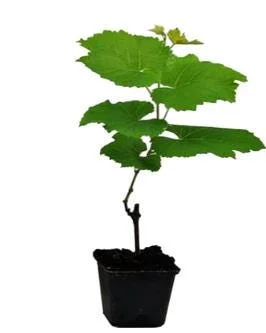
This offering is for a healthy red catawba grape vine live plant, typically measuring 5-7 inches tall from the base of the plant to the tip of its growth. It is shipped as a starter plant, ready for transplanting into your garden or a larger container. The plant is carefully prepared for shipment to ensure its vitality upon arrival, though it will be shipped without a pot to minimize stress and shipping costs. The exact size and appearance may vary slightly based on seasonal growth and individual plant characteristics, but all plants are selected for their health and vigor.
Expected growth rates for the live grape plant will depend on your local climate, soil conditions, and care regimen. Grape vines are fast growers and can establish quickly if given optimal conditions. While this is a young starter, with proper growing red grapes techniques, you can anticipate a significant increase in size within its first year and potential fruit production within 2-3 years. The Catawba grape is known for its moderate to vigorous growth habit, eventually forming a substantial vine capable of covering large trellises or arbors.
Frequently Asked Questions
- Q: How big does this red catawba grape vine get? A: As a starter plant, it’s 5-7 inches tall. Once established, this vigorous vine can grow quite large, easily covering a substantial trellis, arbor, or pergola, reaching lengths of 15-20 feet or more with proper support and pruning.
- Q: Is this an indoor or outdoor plant? A: The red catawba grape vine is an outdoor plant. It requires full sun exposure and is best suited for planting directly in the ground, where it can establish a robust root system and receive adequate sunlight for fruit production.
- Q: How much sunlight does it need? A: Grape vines, especially for fruit production, need a minimum of 7-8 hours of direct sunlight per day. Full sun is essential for developing sweet, flavorful grapes and ensuring the overall health of your live grape plant.
- Q: Is this plant easy to care for? A: While grape vines require some specific care, particularly regarding pruning and support, the Catawba variety is generally considered robust and adaptable, making growing red grapes a rewarding experience for gardeners of various skill levels.
- Q: What condition will it arrive in? A: Your vitis labrusca starter will arrive as a healthy, bare-root or minimal soil starter plant, carefully packaged to ensure its vitality. It will be ready for immediate planting upon arrival.
- Q: When is the best time to plant this grape vine? A: The ideal time to plant your red catawba grape vine is in early spring, after the last frost, when the plant is dormant but before new growth begins. This allows the plant to establish its roots before the stress of summer heat.
- Q: What kind of soil does it prefer? A: This grape vine thrives in well-drained soil rich in organic matter. While adaptable, it prefers a slightly acidic to neutral pH. Ensure good drainage to prevent root rot, which is critical for successful catawba grape care.
- Q: Will it survive winter in my zone? A: The Catawba grape is known for its cold hardiness. It is generally suitable for USDA Hardiness Zones 5-8, but specific microclimates can influence its performance. Protect young plants during their first winter in colder zones.
- Q: How long until it produces fruit? A: While your red catawba grape vine is a starter, you can typically expect it to begin producing fruit within 2-3 years of planting, with increasing yields as the vine matures and establishes itself.
- Q: Can I grow it in a container? A: While possible, growing grape vines in containers is challenging due to their extensive root systems and need for space. For best results and a bountiful harvest, planting directly in the ground with ample support is highly recommended for growing red grapes.


Reviews
There are no reviews yet.