Overview
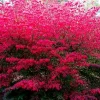
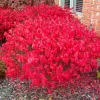
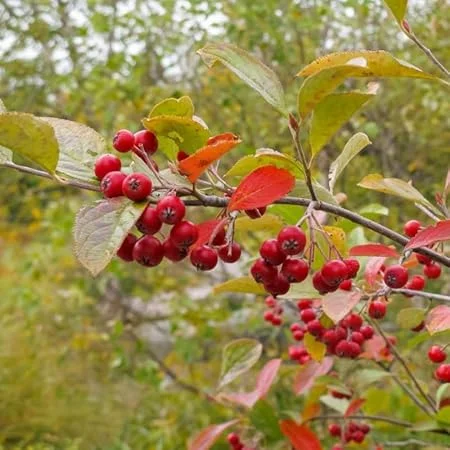
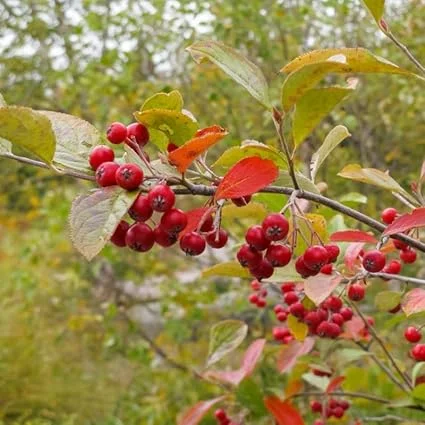
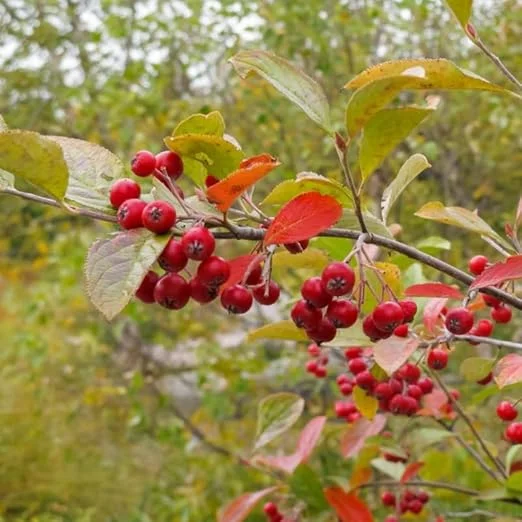
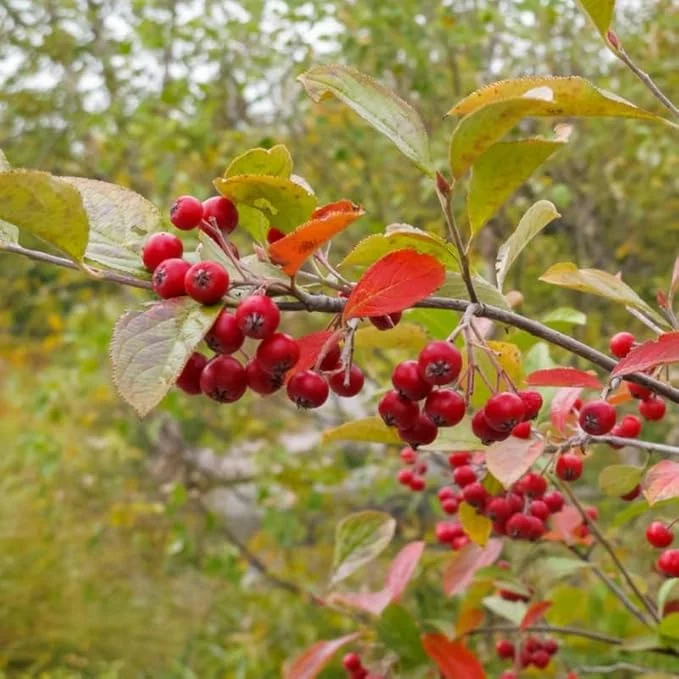
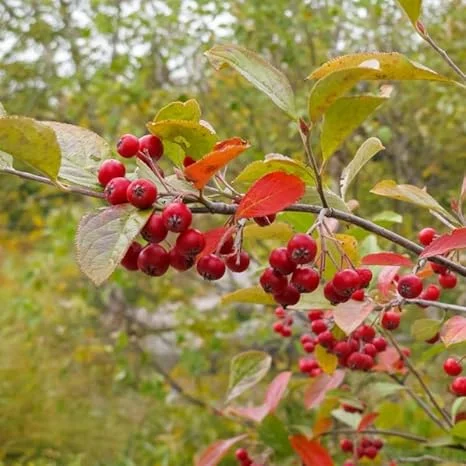
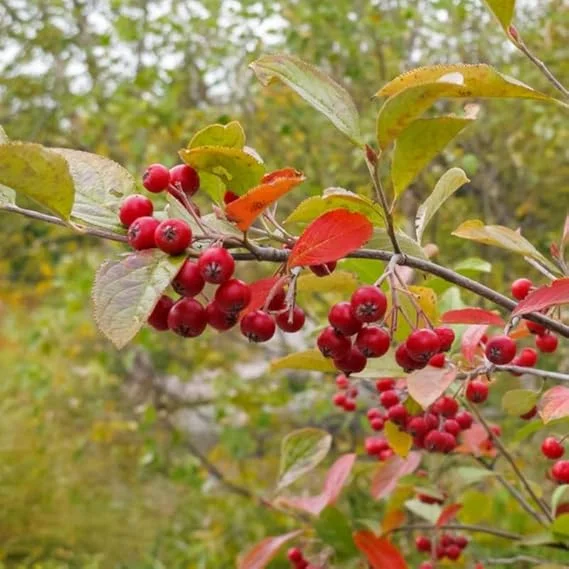
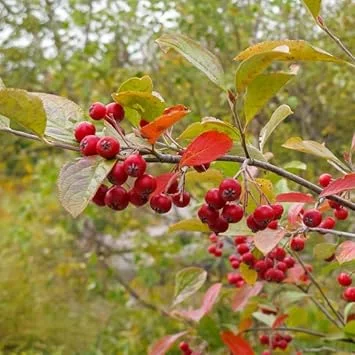
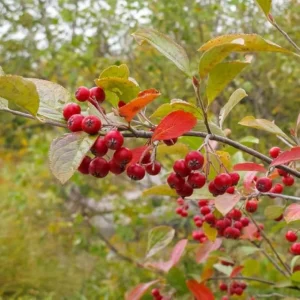
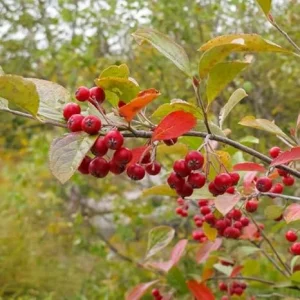
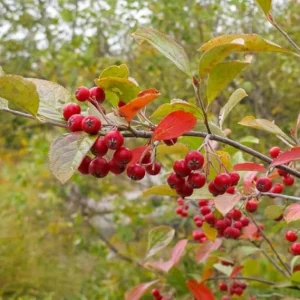
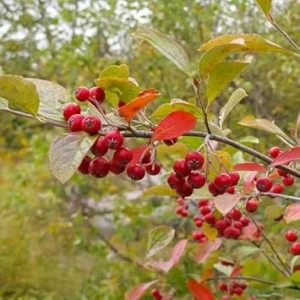
Introduce a touch of year-round beauty and ecological value to your landscape with the versatile red chokeberry plant. This hardy and adaptable shrub, scientifically known as Aronia arbutifolia, is celebrated for its multi-seasonal appeal. In spring, it bursts forth with delicate white flowers, followed by abundant clusters of bright red berries that persist through fall and winter, providing a vital food source for birds. As autumn arrives, the foliage transforms into a spectacular display of red and orange hues, making it a standout feature in any garden. This particular offering is for a live red chokeberry plant, currently 6-12 inches tall and established in a 2.5-inch pot, ready for planting.
The aronia berry shrub is not just ornamental; its berries, though tart when fresh, can be used in jams, jellies, and juices, offering a wealth of antioxidants. It’s an excellent choice for those seeking a low-maintenance, resilient plant that contributes to local wildlife and offers aesthetic charm. Whether you’re creating a native plant garden, a naturalized area, or simply adding a beautiful specimen to your yard, the red chokeberry is a superb selection.
Key Benefits
The red chokeberry plant offers numerous advantages for both the gardener and the environment, making it a highly desirable addition to various landscapes. Its robust nature and year-round interest provide continuous value.
- Multi-Season Visual Appeal: Enjoy delicate white flowers in spring, vibrant red berries in summer and fall, and stunning red-orange fall foliage. Even in winter, the persistent berries add color to a dormant landscape.
- Wildlife Attractor: The bright red berries are a valuable food source for birds, especially as winter approaches, helping to support local ecosystems and bringing life to your garden.
- Low Maintenance & Hardy: This shrub is known for its resilience and adaptability. It thrives in a wide range of conditions, tolerating various soils and light exposures, and requires minimal care once established. It’s an ideal choice for an easy aronia plant care regimen.
- Edible & Antioxidant-Rich Berries: While tart when fresh, the aronia berries are packed with antioxidants and can be harvested for making delicious and healthy jams, jellies, juices, and baked goods.
- Erosion Control: Its fibrous root system makes it an excellent choice for stabilizing slopes and preventing soil erosion, especially in naturalized areas or rain gardens.
- Adaptable to Various Conditions: The aronia berry shrub tolerates both full sun and partial shade, as well as a variety of soil types, making it versatile for different garden settings.
- Disease and Pest Resistant: Generally, the red chokeberry is quite resistant to common plant diseases and pests, further reducing the need for intensive care.
Plant Care & Growing Tips
Proper aronia plant care ensures your red chokeberry plant thrives and provides its full seasonal display. This hardy shrub is relatively forgiving, making it suitable for both experienced and novice gardeners. For successful chokeberry planting, choose a location that receives full sun to partial shade. While it can tolerate some shade, more sunlight generally leads to a denser plant, more abundant flowering, and better berry production. Aim for at least 6 hours of direct sunlight daily for optimal performance. The plant is adaptable to various soil types, but it prefers well-drained soil. It can tolerate both wet and dry conditions once established, but avoid consistently waterlogged spots. If your soil is heavy clay, amending it with organic matter will improve drainage.
Water your newly planted red chokeberry regularly during its first growing season to help establish a strong root system. Once established, it is quite drought-tolerant and will only need supplemental watering during extended dry periods. Moderate watering is generally sufficient. The red chokeberry plant is hardy in USDA Zones 4-9, demonstrating excellent cold tolerance. Fertilization is typically not necessary for established plants, especially if planted in fertile soil. If your soil is poor, a balanced slow-release fertilizer applied in early spring can be beneficial. Pruning can be done in late winter or early spring to remove dead or damaged branches, maintain shape, or encourage new growth. This resilient shrub is generally resistant to pests and diseases, contributing to its low-maintenance reputation.
Size & Details
This offering includes one live red chokeberry plant, carefully cultivated and ready for planting. Each plant measures approximately 6-12 inches in height, providing a good starting size for establishing in your garden or landscape. It arrives securely planted in a 2.5-inch nursery pot, ensuring its root system is intact and healthy for transplantation. The plant will be dormant during late fall and winter, appearing leafless, which is a natural and healthy state for this deciduous shrub during its resting period. This allows the plant to focus energy on root development once planted and when spring arrives.
The aronia berry shrub is a moderate grower, typically reaching a mature height of 6-10 feet and a similar spread, forming an upright, multi-stemmed bush. Its growth rate is considered medium, meaning it will establish and grow at a steady pace. Expect it to begin flowering and producing berries within 1-2 years of planting. Its compact size makes it suitable for various garden applications, from hedges and borders to specimen plantings.
Frequently Asked Questions
- Q: How big will my red chokeberry plant get after planting? A: Your red chokeberry plant typically grows to a mature height of 6-10 feet with a similar spread. Its size can be managed with pruning to fit your garden space.
- Q: Is this an indoor or outdoor plant? A: The red chokeberry plant is an outdoor shrub, perfectly suited for garden beds, borders, and naturalized areas. It is not intended for indoor cultivation.
- Q: How much sunlight does the aronia berry shrub need? A: This shrub thrives in full sun to partial shade. For the best flowering and berry production, aim for at least 6 hours of direct sunlight per day.
- Q: Is this plant easy to care for? A: Yes, the aronia berry shrub is considered very low-maintenance and hardy. It tolerates a wide range of conditions and is an excellent choice for beginners or those seeking an easy-care plant.
- Q: What condition will my plant arrive in? A: Your plant will arrive as a live, healthy specimen, 6-12 inches tall in a 2.5-inch pot. During late fall and winter, it will be dormant and leafless, which is normal for this species.
- Q: When is the best time for chokeberry planting? A: The best time for chokeberry planting is in spring or fall when temperatures are mild. This allows the plant to establish its roots before extreme heat or cold.
- Q: Will the red chokeberry plant survive winter in my zone? A: The red chokeberry plant is extremely cold hardy and thrives in USDA Hardiness Zones 4-9, making it suitable for a wide range of climates.
- Q: Can I eat the berries from the aronia berry shrub? A: Yes, the aronia berries are edible, though quite tart when fresh. They are excellent for making jams, jellies, juices, and other cooked preparations, and are rich in antioxidants.
- Q: What kind of soil does this hardy berry bush prefer? A: This hardy berry bush prefers well-drained soil but is tolerant of many soil types, including clay and sandy soils. Amending heavy soils with organic matter can improve performance.
- Q: Does this shrub attract pollinators? A: Yes, the white flowers of the red chokeberry plant in spring are attractive to various pollinators, including bees, contributing to your garden’s biodiversity.


Reviews
There are no reviews yet.