Overview
Introduce a splash of native beauty and ecological benefit to your garden with the red chokeberry tree live plant, botanically known as Aronia arbutifolia. This remarkable deciduous shrub is celebrated for its multi-season appeal, making it a favorite among gardeners and nature enthusiasts alike. Belonging to the rose family (Rosaceae), Aronia arbutifolia is a native species throughout eastern and central North America, where it thrives in diverse environments from open woodlands to disturbed areas. This particular offering provides you with a robust, well-established plant, ready to enhance your outdoor space. The red chokeberry tree live plant is not just a visual delight but also a resilient and adaptable addition to various landscape designs, promising year-round interest and ecological value.
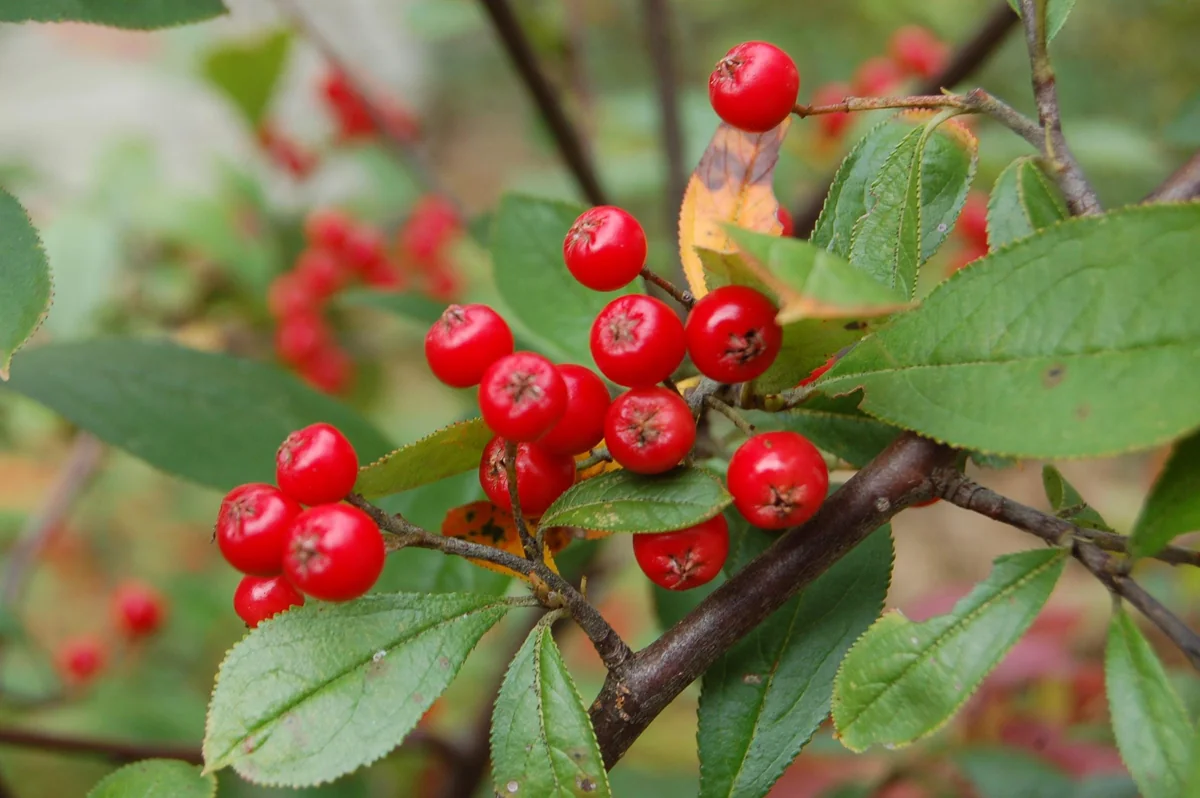
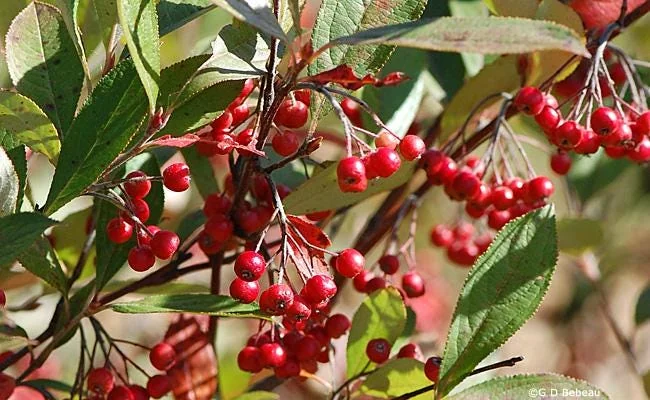
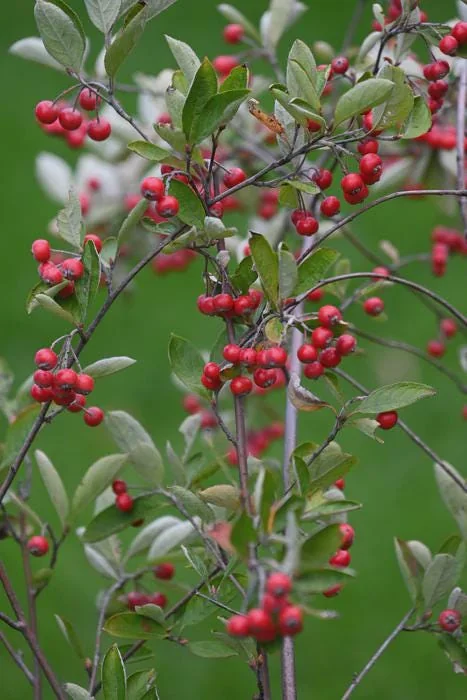
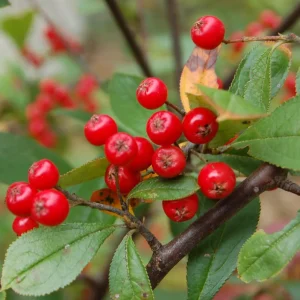
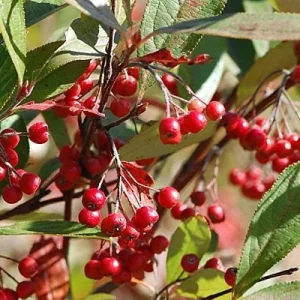
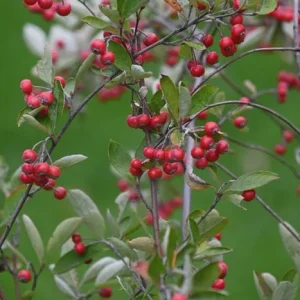
The Aronia arbutifolia is a medium-sized shrub that matures into a small tree-like form, offering a distinctive presence in any garden. Its glossy green leaves provide a lush backdrop during the spring and summer, setting the stage for its stunning seasonal transformations. As autumn approaches, the foliage erupts into brilliant shades of orange and red, creating a breathtaking display that is often complemented by clusters of bright red berries. These berries persist through winter, providing a vital food source for birds and small mammals, and adding ornamental appeal long after the leaves have fallen. Choosing a native chokeberry plant like this ensures a harmonious fit with local ecosystems.
Key Benefits
The red chokeberry tree live plant offers a multitude of benefits, making it an excellent choice for a wide range of landscape applications. Its robust nature and aesthetic qualities contribute both to the beauty and ecological health of your garden.
- Stunning Ornamental Value: Enjoy four seasons of interest with this plant. It showcases delicate white flowers in spring, lush green foliage in summer, brilliant red and orange fall colors, and persistent bright red berries through winter. This continuous display ensures your garden remains vibrant throughout the year.
- Attracts Pollinators and Wildlife: The spring flowers are a magnet for bees and other beneficial pollinators, supporting local ecosystems. The abundant red berries provide a crucial food source for birds and small mammals during the colder months, enhancing biodiversity in your yard.
- Low Maintenance: This adaptable shrub is incredibly forgiving and requires minimal care once established. It tolerates a wide range of soil conditions and moisture levels, making it an ideal choice for busy gardeners or those new to planting. Learning how to grow red chokeberry is surprisingly easy.
- Erosion Control: With its extensive root system and tendency to form thickets, the aronia arbutifolia shrub is highly effective at stabilizing soil and preventing erosion, especially on slopes or in areas prone to runoff.
- Adaptable to Various Conditions: Red Chokeberry thrives in various light conditions from full sun to partial shade and is tolerant of wet soils, making it suitable for areas where other plants might struggle. This versatility allows for greater flexibility in garden design.
- Native Plant Benefits: As a native chokeberry plant, it is well-suited to the local climate and typically more resistant to regional pests and diseases, requiring fewer interventions and promoting a healthier garden environment.
- Historical and Culinary Uses: Historically, chokeberries have been a food source for both people and wildlife. While red chokeberries are more astringent than their black counterparts, they can be used in jams and jellies, offering a unique tart flavor.
Plant Care & Growing Tips
Caring for your red chokeberry tree live plant is straightforward, as this species is known for its hardiness and adaptability. Understanding its basic needs will ensure vigorous growth and a beautiful display year after year. For best results, plant your Aronia arbutifolia in a location that receives full sun to partial shade. While it can tolerate some shade, more sunlight will lead to more abundant flowering, fruit production, and vibrant fall foliage colors. Aim for at least 6 hours of direct sunlight daily for optimal performance. This plant is incredibly versatile regarding soil, thriving in a wide range of soil types, including clay, loam, and sand, as long as there is adequate drainage. However, it is particularly tolerant of wet soils, making it an excellent choice for rain gardens or areas with poor drainage.
Watering is crucial during the establishment phase. Keep the soil consistently moist but not waterlogged for the first year after planting. Once established, the aronia arbutifolia shrub is quite drought-tolerant, although it will perform best with regular moisture, especially during dry spells. Fertilization is generally not heavily required for this native plant. If your soil is poor, a balanced, slow-release granular fertilizer applied in early spring can be beneficial. Avoid over-fertilizing, as this can encourage leafy growth at the expense of flowers and fruit. Pruning should be done in late winter or early spring while the plant is dormant. Remove any dead, damaged, or crossing branches to maintain good air circulation and shape. You can also thin out older stems to encourage new growth and better fruiting. Understanding chokeberry plant care helps ensure its longevity.
The red chokeberry tree live plant is hardy in USDA Zones 4-9, demonstrating its resilience to a broad spectrum of climates. While generally pest and disease resistant, keep an eye out for common issues like leaf spot or powdery mildew, especially in humid conditions. Ensure good air circulation and avoid overhead watering to minimize these problems. The plant’s ability to produce numerous root suckers means it can spread to form thickets and colonies, which is excellent for naturalized areas or erosion control. If you prefer a more contained growth habit, simply prune away unwanted suckers as they appear. Learning how to grow red chokeberry successfully involves minimal effort for maximum reward.
Size & Details
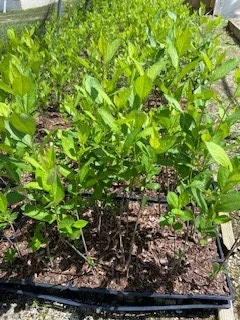
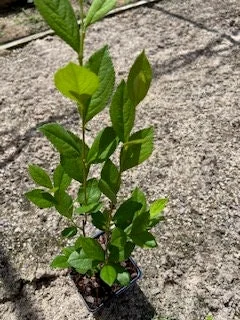
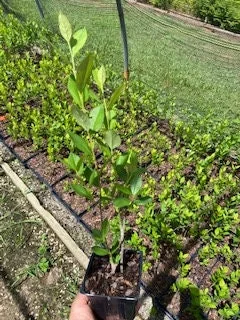
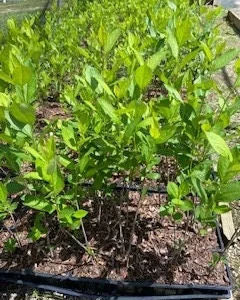
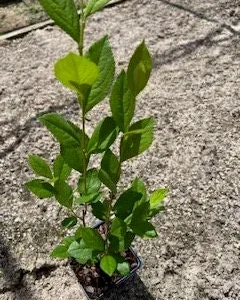
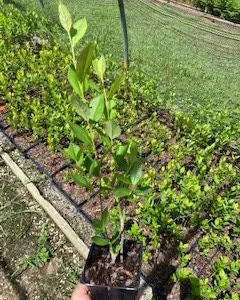
This offering is for a healthy red chokeberry tree live plant (Aronia arbutifolia) that is approximately 4 feet tall and shipped in a pot. The plant’s height typically ranges from 10 to 18 inches at the time of purchase, providing a substantial specimen ready for immediate planting. Red Chokeberry is a moderately fast-growing shrub, capable of reaching a mature height of 6-10 feet and a similar spread, forming an upright, multi-stemmed plant. It ships as a potted plant, ensuring the root system is intact and minimizing transplant shock.
The Aronia arbutifolia will develop its full ornamental characteristics over time, with flowers appearing in spring and berries maturing in late summer, persisting through autumn and into winter. The exact growth rate and size can vary based on planting conditions, climate, and care. Expect the plant to establish quickly and begin showcasing its seasonal beauty within the first growing season. This native chokeberry plant is an excellent long-term investment for your landscape, providing years of aesthetic appeal and ecological benefits.
Frequently Asked Questions
- Q: How big does this red chokeberry tree live plant get? A: A mature red chokeberry tree live plant (Aronia arbutifolia) typically reaches a height of 6 to 10 feet with a similar spread. Its growth habit is upright and multi-stemmed, forming a dense shrub or small tree over time, depending on pruning.
- Q: What size pot does it come in? A: The red chokeberry tree live plant is shipped in a pot, generally a 4-foot pot, to ensure its root system is well-protected and ready for planting. The plant’s height upon arrival will be approximately 10-18 inches.
- Q: Is this an indoor or outdoor plant? A: The aronia arbutifolia shrub is an outdoor plant. It is a hardy, deciduous shrub native to North America and thrives in garden landscapes, suitable for USDA Zones 4-9.
- Q: How much sunlight does it need? A: For optimal growth, flowering, and fruiting, the red chokeberry tree live plant prefers full sun (at least 6 hours of direct sunlight daily) but can tolerate partial shade. More sun generally leads to more vibrant fall colors and berry production.
- Q: Is this plant easy to care for? A: Yes, the red chokeberry tree live plant is considered low-maintenance and easy to care for. It’s adaptable to various soil types and moisture conditions, making it an excellent choice for beginners and experienced gardeners alike. This ease is a key aspect of good chokeberry plant care.
- Q: What condition will it arrive in? A: Your red chokeberry tree live plant will arrive as a healthy, potted specimen with an intact root ball, ready for planting. The leaves may show signs of seasonal change depending on the time of year, but the plant will be viable.
- Q: When is the best time to plant a red chokeberry tree? A: The best time to plant a red chokeberry tree live plant is in the spring or fall when temperatures are moderate. This allows the plant to establish its root system before the stress of extreme summer heat or winter cold.
- Q: Will it survive winter in my zone? A: The aronia arbutifolia shrub is hardy in USDA Zones 4-9, meaning it is well-equipped to survive winters in these regions. It is a deciduous plant, so it will lose its leaves in colder months and go dormant.
- Q: Can I use the berries from this native chokeberry plant? A: While the berries of the native chokeberry plant (Aronia arbutifolia) are edible, they are quite astringent when eaten raw. They are commonly used in cooked applications like jams, jellies, pies, or juices, often blended with sweeter fruits to balance their tartness.
- Q: What are the benefits of planting a native chokeberry plant? A: Planting a native chokeberry plant contributes to local biodiversity, provides food and habitat for wildlife, and is generally more resilient to regional pests and diseases, requiring less intervention and promoting a healthier ecosystem.


Reviews
There are no reviews yet.