Overview
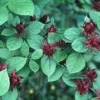
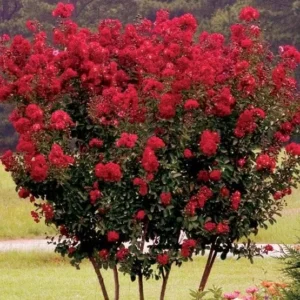
Introduce a burst of vibrant color and elegant charm to your garden with this stunning Red Crape Myrtle live plant. Shipped in a convenient quart pot, this young, healthy specimen of Lagerstroemia, commonly known as crape myrtle, is ready to thrive in your outdoor space. Known for its spectacular, long-lasting red blossoms that grace the landscape from summer into fall, the Red Crape Myrtle live plant is a favorite among gardeners and landscapers alike. This deciduous shrub or small tree is celebrated not only for its prolific flowering but also for its attractive bark and often vibrant fall foliage. Originating from regions like the Indian subcontinent and Southeast Asia, crape myrtles are well-adapted to warmer climates and are widely cultivated as ornamental plants across the globe. Adding a Lagerstroemia plant to your yard ensures a season of unparalleled beauty and a touch of botanical sophistication.
This Red Crape Myrtle live plant is an excellent choice for those seeking a hardy and visually striking addition to their landscape. Its vigorous growth and abundant blooms make it a standout specimen, while its adaptability ensures it can flourish in various garden settings. Whether you’re a seasoned gardener or just starting, the beauty and ease of care of this red flowering shrub will impress.
Key Benefits
The Red Crape Myrtle live plant offers numerous advantages that make it an exceptional addition to any garden or landscape, providing both aesthetic appeal and environmental benefits:
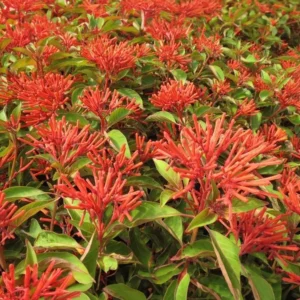
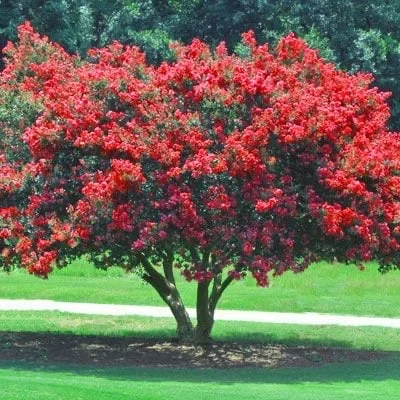
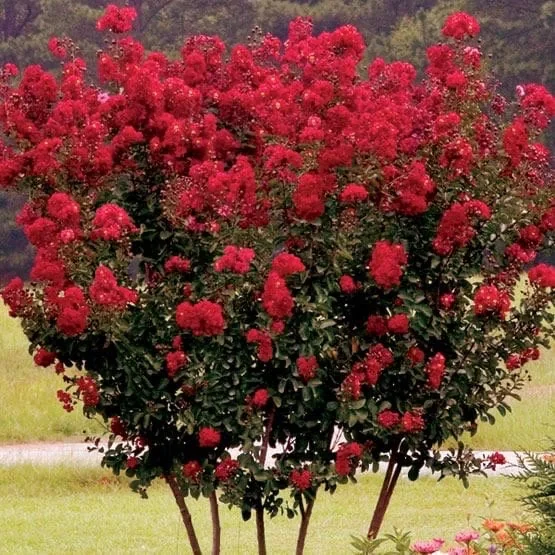
- Spectacular Red Blooms: Enjoy an abundance of showy, crinkled red flowers that provide a long season of color, typically from mid-summer through fall, making your garden a focal point of beauty. These vibrant blossoms attract attention and create a cheerful atmosphere.
- Attractive Bark: As the Red Crape Myrtle live plant matures, its exfoliating bark peels away to reveal smooth, mottled under-bark, adding year-round visual interest even when not in bloom. This unique feature provides architectural interest to your winter landscape.
- Versatile Landscaping: This versatile shrub can be grown as a specimen plant, in mass plantings, as a hedge, or even trained into a small ornamental tree, fitting various garden designs. Its adaptability makes it suitable for diverse landscaping needs.
- Drought Tolerance: Once established, this red flowering shrub is remarkably drought-tolerant, making it a sustainable choice for water-wise gardening. This reduces the need for frequent watering, saving time and resources.
- Low Maintenance: Crape myrtles are generally easy to care for, requiring minimal pruning to maintain shape and promote blooming, making them ideal for gardeners of all experience levels. Following basic crape myrtle care guidelines will ensure a thriving plant.
- Fall Foliage Interest: Beyond its summer flowers, many crape myrtle varieties, including the Red Crape Myrtle live plant, offer attractive fall foliage in shades of red, orange, or yellow. This extends its ornamental value into the cooler months.
- Pollinator Friendly: The vibrant flowers attract pollinators like bees and butterflies, contributing to the biodiversity and health of your garden ecosystem. This makes your garden a lively and thriving habitat.
Plant Care & Growing Tips
Caring for your Red Crape Myrtle live plant is straightforward, ensuring it flourishes and produces abundant blooms. For optimal growth, these plants thrive in a location that receives full sun, meaning at least 6 hours of direct sunlight per day. Adequate sunlight is crucial for prolific flowering. When it comes to watering, newly planted crape myrtles require regular moisture to establish strong root systems. Once established, they are quite drought-tolerant, but consistent watering during dry spells will promote better blooming and overall plant health. Aim for deep watering rather than frequent shallow watering.
The ideal soil for a Lagerstroemia plant is well-draining, slightly acidic to neutral (pH 5.5-7.0), and rich in organic matter. Avoid heavy clay soils that retain too much moisture, as this can lead to root rot. If your soil is heavy, amend it with compost or other organic materials to improve drainage. The Red Crape Myrtle live plant is hardy in USDA Zones 6-9, tolerating a range of temperatures. In colder parts of its range, it may die back to the ground in winter but will typically regrow from the roots in spring. For best crape myrtle care, fertilize in early spring with a balanced, slow-release granular fertilizer formulated for flowering shrubs. Avoid excessive nitrogen, which can promote leafy growth at the expense of flowers. Pruning is best done in late winter or early spring before new growth begins. Remove dead, damaged, or crossing branches, and thin out overcrowded areas to improve air circulation. “Topping” crape myrtles is generally discouraged, as it can lead to weaker growth and fewer flowers. Common problems are usually minimal, but watch for powdery mildew in humid conditions; ensuring good air circulation and selecting mildew-resistant varieties can help prevent this. These crape myrtle growing tips will help ensure a stunning display each year.
Size & Details
This Red Crape Myrtle live plant is delivered in a quart container, providing a well-rooted and established plant ready for transplanting into your garden. At the time of shipment, the plant typically stands approximately 8-12 inches tall, though exact size may vary based on seasonal growth. Crape Myrtles are known for their moderate to fast growth rate, and with proper care, this young plant will quickly mature. Depending on the specific cultivar and growing conditions, a mature red flowering shrub can reach a height of 10-20 feet and a spread of 8-15 feet, though many can be maintained at smaller sizes with regular pruning. Expect your plant to begin producing its characteristic vibrant red blooms within the first year or two after planting, offering a spectacular display throughout the summer months. This deciduous plant will shed its leaves in the fall and enter dormancy for the winter, returning with fresh growth and blooms the following spring.
Frequently Asked Questions
- Q: How big does this Red Crape Myrtle live plant get? A: This plant is shipped in a quart pot and typically stands 8-12 inches tall. With proper care, it can mature into a shrub or small tree reaching 10-20 feet tall and 8-15 feet wide, depending on the cultivar and how it’s pruned.
- Q: Is this an indoor or outdoor plant? A: The Red Crape Myrtle live plant is an outdoor plant, best suited for garden beds, landscapes, or large containers on patios. It requires full sun exposure to thrive and bloom.
- Q: How much sunlight does it need? A: Crape Myrtles require full sun, meaning at least 6 hours of direct sunlight per day, to produce the most abundant and vibrant blooms.
- Q: Is this plant easy to care for? A: Yes, crape myrtles are generally considered low-maintenance plants once established. They are drought-tolerant and require minimal pruning, making them suitable for gardeners of various skill levels. Following basic crape myrtle care guidelines will ensure success.
- Q: What condition will it arrive in? A: You will receive one healthy red flowering shrub in a quart container, ready for planting. While some leaf drop or stress can occur during transit, the plant is carefully packaged to ensure its safe arrival.
- Q: How long until it blooms? A: Your young Lagerstroemia plant may produce flowers in its first year, especially if planted in early spring. Established plants typically bloom from mid-summer through fall.
- Q: Will it survive winter in my zone? A: This Red Crape Myrtle live plant is hardy in USDA Zones 6-9. In Zone 6, it may die back to the ground in winter but will typically regrow from the roots in spring. In warmer zones, it will retain its woody structure. Understanding these crape myrtle growing tips is key for winter survival.
- Q: What’s the minimum temperature it can tolerate? A: Crape Myrtles can tolerate winter temperatures down to approximately 0 to -10 degrees Fahrenheit (Zone 6) when established, though young plants may benefit from winter protection in colder parts of their range.
- Q: What kind of soil does it prefer? A: It prefers well-draining, slightly acidic to neutral soil. Amending heavy clay soils with organic matter will improve drainage and overall plant health.
- Q: Can I grow this plant in a container? A: Yes, you can grow a Red Crape Myrtle live plant in a large container, especially in colder zones where you might want to move it indoors for winter protection. Ensure the container has good drainage.


Reviews
There are no reviews yet.