Overview
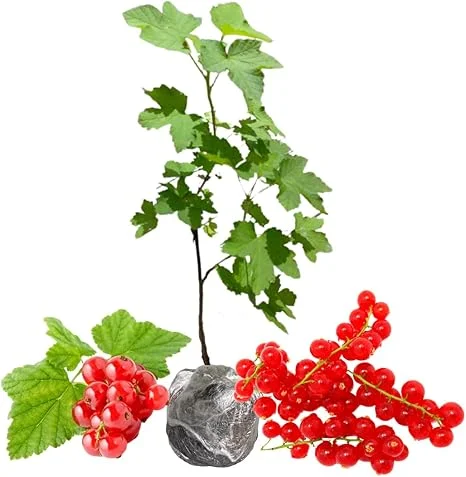
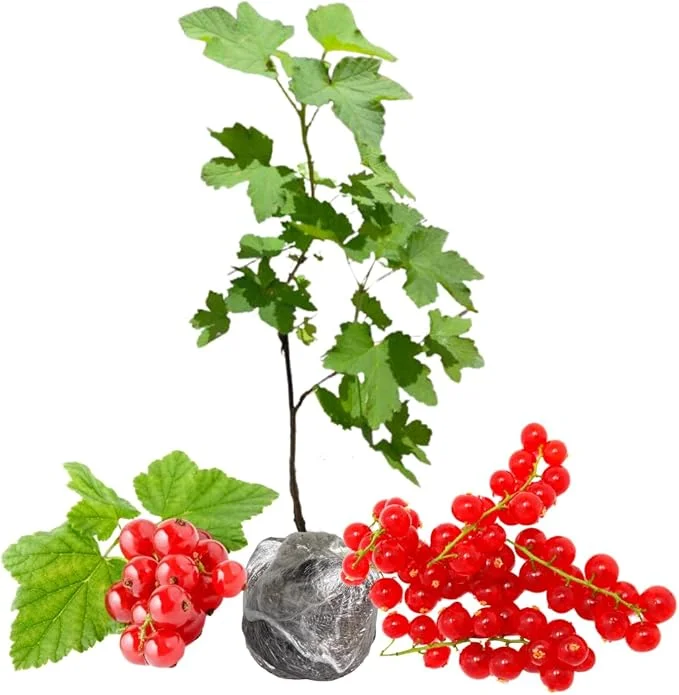
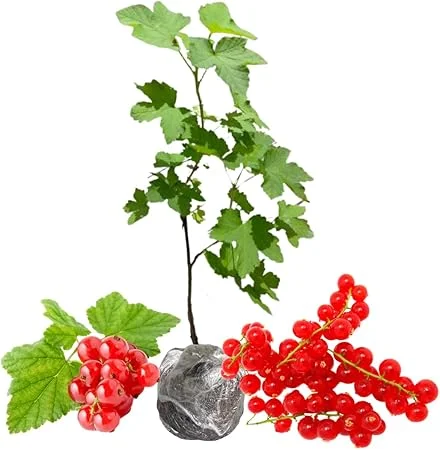
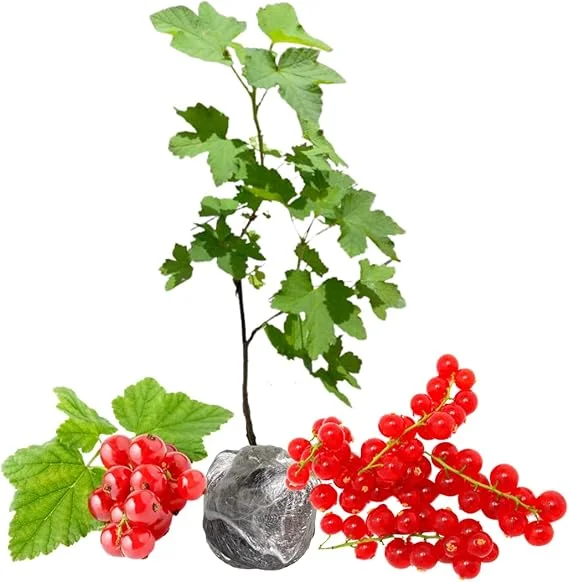
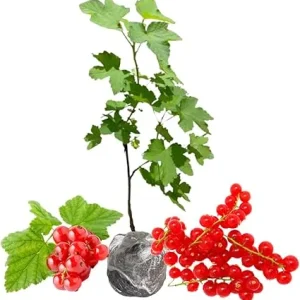
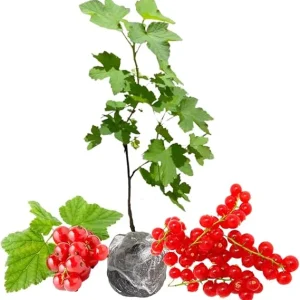
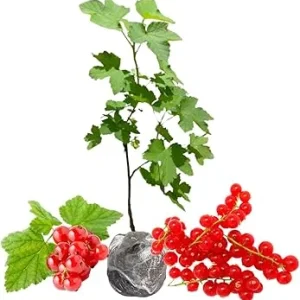
Introducing the red currant live plant, a fantastic addition to any home garden seeking to produce fresh, tart, and versatile berries. This offering is a 1-year old large bare root specimen, carefully prepared for optimal transplanting and growth. Red currants (Ribes rubrum) are celebrated for their vibrant color, distinctive flavor, and ease of cultivation, making them a popular choice for both novice and experienced gardeners. When planted, this red currant bush will quickly establish itself, growing into a compact and fruitful shrub that provides bountiful harvests of juicy berries. These plants are known for their hardiness and ability to thrive in various climates, promising a rewarding experience for those looking to grow their own fruit. The convenience of a bare root plant ensures a strong start, allowing the roots to spread naturally into their new soil environment.
The red currant fruit tree is not only productive but also adds ornamental value to your landscape with its lush green foliage and clusters of bright red berries. Perfect for making jams, jellies, pies, or simply enjoying fresh off the bush, red currants offer a delightful culinary experience. This plant is a robust choice that brings the joy of homegrown fruit directly to your backyard.
Key Benefits
Growing a red currant live plant offers numerous advantages, from fresh fruit production to enhancing your garden’s aesthetic appeal:
- Abundant Fruit Production: Once established, your red currant bush will reliably produce clusters of bright red, flavorful berries, perfect for a variety of culinary uses.
- Easy to Grow: Red currants are known for their resilience and adaptability, thriving in a range of conditions and requiring relatively low maintenance once established. This makes them ideal for gardeners of all skill levels.
- Versatile Culinary Uses: The tart and sweet flavor of red currants makes them excellent for homemade jams, jellies, sauces, pies, and tarts. They can also be enjoyed fresh or used as a garnish.
- Attractive Garden Addition: Beyond their fruit, these bushes offer attractive foliage and a neat growth habit, making them a beautiful and productive element in mixed borders or dedicated fruit gardens.
- Hardy and Resilient: This bare root currant is well-suited for temperate climates, demonstrating excellent cold hardiness and disease resistance, ensuring long-term success in your garden.
- Nutrient-Rich Berries: Red currants are packed with vitamins and antioxidants, offering a healthy and delicious addition to your diet straight from your own backyard.
- Long Lifespan: With proper care, a red currant fruit tree can remain productive for many years, providing a sustainable source of fresh fruit season after season.
Plant Care & Growing Tips
Caring for your red currant live plant is straightforward, ensuring a healthy and productive bush for years to come. These plants prefer a site with full sun to partial shade, meaning they need at least 6 hours of direct sunlight daily for optimal fruit production. While they can tolerate some shade, more sun generally leads to larger harvests. They thrive in well-draining soil that is rich in organic matter. A slightly acidic to neutral pH (6.0-7.0) is ideal. When planting the bare root, ensure the crown is at soil level and spread the roots out evenly in the planting hole. Water thoroughly after planting to settle the soil around the roots.
Currant plant care involves consistent moisture, especially during dry spells and fruit development. Moderate watering is recommended; the soil should be kept consistently moist but not waterlogged. Overwatering can lead to root rot. Mulching around the base of the plant with organic material like wood chips or straw helps retain soil moisture, suppress weeds, and regulate soil temperature. Fertilize in early spring with a balanced slow-release fertilizer or compost to support vigorous growth and fruit set. Pruning is essential for maintaining plant health and maximizing yield. Annually remove any dead, damaged, or weak branches, and thin out older canes to encourage new, productive growth. These plants are hardy in USDA hardiness zones 3 to 8, tolerating cold winters and warm summers within this range.
Protecting your red currant bush from pests and diseases is also part of good care. Common issues include aphids and powdery mildew. Regular inspection and appropriate organic or chemical treatments can help manage these problems. Good air circulation through proper spacing and pruning can also prevent fungal diseases. With these simple guidelines, your red currant fruit tree will flourish.
Size & Details
This offering is for one red currant live plant, which arrives as a 1-year old large bare root specimen. The plant typically measures between 5 to 9 inches in height upon arrival, ready for immediate planting. As a bare root currant, it is shipped without soil in a dormant state, which minimizes transplant shock and allows for robust growth once planted. Once established, red currant plants typically grow to a mature height of 3 to 5 feet and a similar spread, forming a compact and manageable shrub suitable for various garden sizes.
The growth rate is moderate, with significant development occurring in the first few years after planting. Expect your first small harvest of berries usually in the second year, with full production achieved by the third or fourth year. These plants are long-lived, providing fresh fruit for many seasons. The berries mature in mid to late summer, offering a delightful harvest window.
Frequently Asked Questions
- Q: How big does this red currant live plant get? A: This plant typically arrives as a 5-9 inch bare root. Once mature, a red currant bush generally reaches a height and spread of 3 to 5 feet.
- Q: Is this an indoor or outdoor plant? A: Red currant plants are outdoor fruit-bearing shrubs. They require a period of cold dormancy and full sun to partial shade to thrive and produce fruit.
- Q: How much sunlight does a red currant fruit tree need? A: For optimal fruit production, red currants prefer full sun (at least 6 hours of direct sunlight per day), but they can tolerate partial shade.
- Q: Is this plant easy to care for? A: Yes, currant plant care is relatively easy. They are hardy, adaptable plants that require well-draining soil, consistent moisture, and annual pruning to maintain health and yield.
- Q: What condition will the bare root currant arrive in? A: Your plant will arrive as a dormant, 1-year old large bare root, measuring 5-9 inches tall, carefully packaged to ensure its health during transit.
- Q: Can I use red currants in cooking? A: Absolutely! Red currants are highly versatile in the kitchen. They are excellent for making jams, jellies, sauces, pies, and can be enjoyed fresh.
- Q: When is the best time to plant this red currant live plant? A: The best time to plant bare root red currants is in early spring, after the last hard frost, or in late fall after the leaves have dropped, allowing the roots to establish before extreme weather.
- Q: What USDA hardiness zones are suitable for red currants? A: Red currant plants are hardy and suitable for USDA hardiness zones 3 to 8, meaning they can withstand a wide range of winter temperatures.
- Q: What kind of soil does a red currant bush prefer? A: They thrive in well-draining soil rich in organic matter. A slightly acidic to neutral pH is ideal for healthy growth and fruit production.
- Q: How long until this plant produces fruit? A: You can typically expect your red currant live plant to start producing a small harvest in its second year, with significant production by the third or fourth year after planting.


Reviews
There are no reviews yet.