Overview
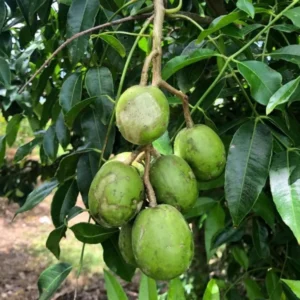
Embark on a journey to grow exotic fruits right in your backyard with the magnificent red ilama fruit tree. This highly sought-after tropical specimen, scientifically known as Annona diversifolia, is celebrated for its unique and delectable fruit. Ilama, a close relative of cherimoya and soursop, offers a taste experience unlike any other, with a creamy, sweet, and slightly tangy pulp that is often described as a blend of various tropical flavors. Our grafted ilama plant ensures faster fruiting and true-to-type characteristics, allowing you to enjoy its delightful produce sooner. Originating from Central America, the ilama tree is not only a source of incredible fruit but also an attractive addition to any landscape, providing lush green foliage and an exotic charm that will make your garden stand out. Growing tropical fruit trees like the red ilama is a rewarding experience for any gardening enthusiast, promising both aesthetic beauty and a bounty of delicious harvests.
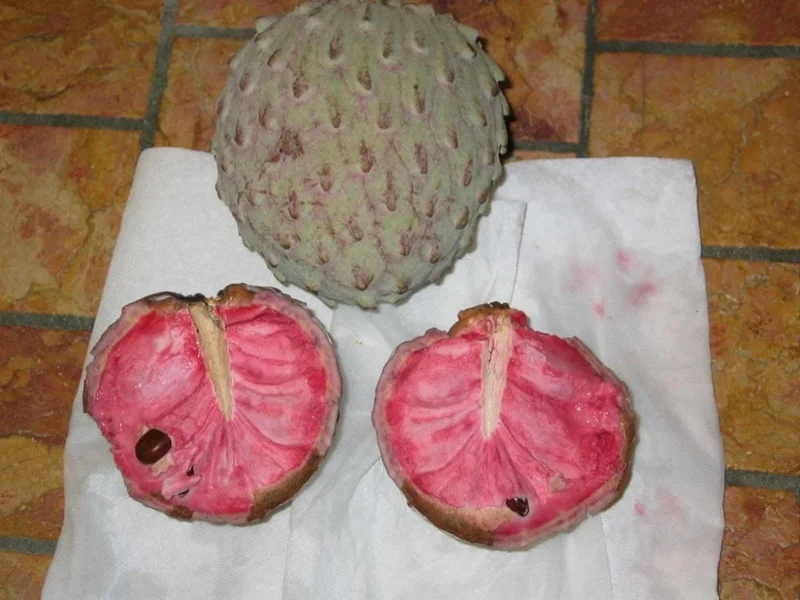
The red ilama fruit tree is particularly prized for its distinctive red-skinned fruit, which can also appear in green varieties, though the red is often considered superior in flavor and sweetness. As a grafted ilama plant, it has been carefully propagated to ensure vigor and productivity, making it an excellent choice for home growers. Whether you’re an experienced grower of tropical fruit trees or looking to expand your edible garden with something truly special, the ilama offers an exciting opportunity. Its adaptability to various warm climates makes it a versatile choice, and with proper care, it will flourish and become a beloved part of your garden.
Key Benefits
The red ilama fruit tree offers a multitude of benefits, making it an excellent choice for any gardener interested in unique and delicious tropical fruits. Its robust nature and abundant yields are just a few reasons to consider adding this plant to your collection.
- Exotic Fruit Production: Enjoy harvesting your own unique and delicious ilama fruits, known for their sweet, creamy, and complex flavor. This grafted ilama plant provides a consistent and high-quality yield.
- Ornamental Value: Beyond its fruit, the ilama tree features attractive foliage and a pleasing form, adding a touch of tropical elegance to your garden or patio. It’s a beautiful addition among tropical fruit trees.
- Nutritional Richness: Ilama fruits are not only tasty but also packed with vitamins, minerals, and antioxidants, contributing to a healthy diet.
- Faster Fruiting: As a grafted specimen, this tree will typically produce fruit much sooner than a seedling, allowing you to enjoy your harvest in a shorter timeframe.
- Conversation Starter: The unusual appearance and exceptional taste of ilama fruit are sure to intrigue guests and become a talking point in your garden.
- Supports Biodiversity: By growing diverse species like the red ilama fruit tree, you contribute to local biodiversity and ecological health.
- Rewarding Growing Experience: Cultivating this unique fruit tree provides a deeply satisfying gardening experience, from bloom to harvest.
Plant Care & Growing Tips
Caring for your red ilama fruit tree involves understanding its specific needs, especially given its tropical origins. With the right conditions, your grafted ilama plant will thrive and produce abundant fruit. Ilama trees prefer a location with full sun exposure, meaning at least 6-8 hours of direct sunlight per day. In extremely hot climates, some afternoon shade can be beneficial to prevent leaf scorch. Ensure the planting site has good air circulation to prevent fungal issues. When considering growing ilama at home, proper site selection is paramount for success.
Soil requirements for the red ilama fruit tree are crucial. It thrives in rich, well-draining soil with a slightly acidic to neutral pH (6.0-7.0). Amend heavy clay soils with organic matter such as compost or peat moss to improve drainage and aeration. For container-grown plants, use a high-quality potting mix formulated for tropical fruit trees. Consistent moisture is important, especially during flowering and fruiting periods. Water deeply and regularly, allowing the top inch or two of soil to dry out slightly between waterings. Avoid waterlogging, as this can lead to root rot. Fertilize your grafted ilama plant with a balanced fertilizer NPK (e.g., 8-3-9) specifically designed for fruit trees, applied every 2-3 months during the growing season. Reduce fertilization during the dormant period.
Protection from cold is essential for this tropical species. The red ilama fruit tree is sensitive to frost and should be protected if temperatures drop below 40°F (4°C). In colder climates, it’s best to grow ilama in a large container that can be moved indoors during winter. Pruning should be done to maintain a desirable shape, remove dead or diseased branches, and encourage fruit production. Light pruning after harvest is generally recommended. Keep an eye out for common pests like aphids or scale insects and treat them with organic insecticidal soaps if necessary. With diligent care, your annona diversifolia will reward you with delicious fruit for years to come.
Size & Details
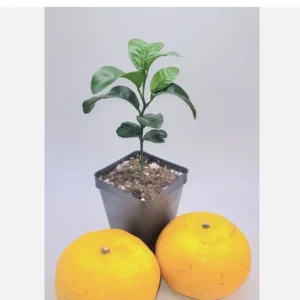
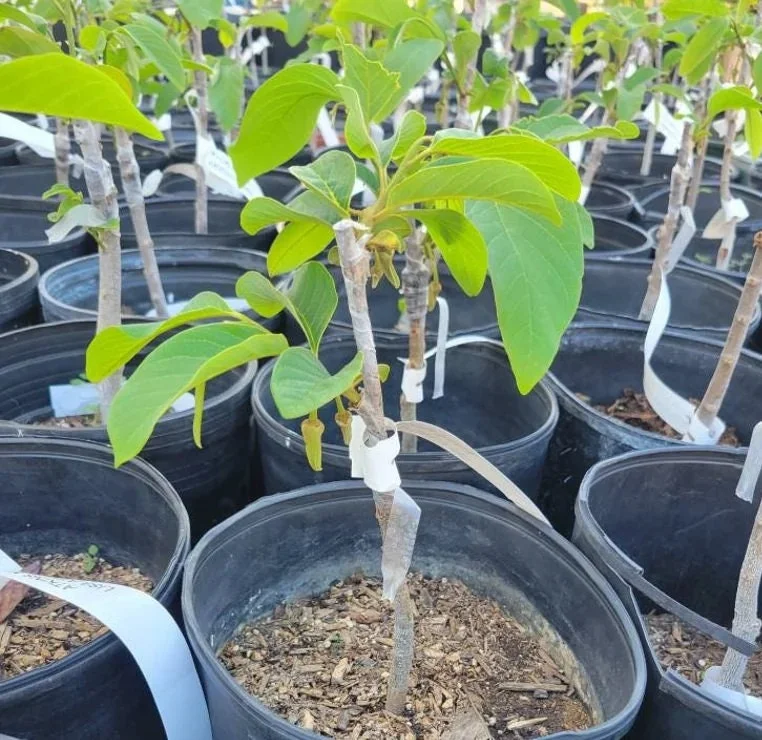
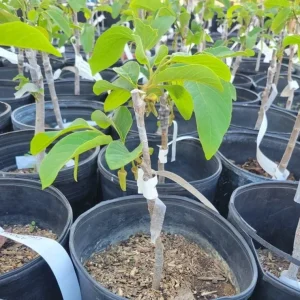
This red ilama fruit tree is a healthy, vigorous grafted ilama plant, typically shipped in a 3-gallon nursery pot. At the time of shipping, the tree will generally be about 1-2 feet tall, providing a robust start for your garden. Ilama trees are moderate growers and can reach heights of 15-25 feet in their mature state if planted in the ground in suitable climates. However, they can be kept smaller with regular pruning, making them suitable for larger containers or smaller garden spaces. The fruit, which is the highlight of growing ilama at home, typically ripens in late summer to fall, offering a seasonal treat.
The red ilama fruit tree is a live plant, carefully selected and prepared for shipment to ensure its health upon arrival. It is propagated via grafting to ensure genetic purity and accelerated fruiting, meaning you won’t have to wait as long to enjoy its delicious produce compared to a seed-grown plant. The 3-gallon pot provides ample space for the root system to establish before transplanting into a larger container or directly into your garden. Expect the tree to begin flowering and fruiting within 3-5 years from planting, depending on growing conditions and care. This annona diversifolia is a long-lived tree that will be a valuable addition to your edible landscape for many years.
Frequently Asked Questions
- Q: How big does this plant get? A: A mature red ilama fruit tree can reach 15-25 feet tall in optimal conditions when planted in the ground, but its size can be managed with pruning for container growing.
- Q: What size pot does it come in? A: This grafted ilama plant is shipped in a 3-gallon nursery pot, providing a strong root base for transplanting.
- Q: Is this an indoor or outdoor plant? A: The red ilama fruit tree is primarily an outdoor tropical plant for warm climates. In colder regions, it can be grown in a container and moved indoors during winter.
- Q: How much sunlight does it need? A: It requires full sun, ideally 6-8 hours of direct sunlight daily, especially when growing ilama at home for fruit production.
- Q: Is this plant easy to care for? A: While it has specific tropical needs regarding warmth and consistent moisture, a grafted ilama plant is moderately easy to care for with proper attention to its environmental requirements.
- Q: What condition will it arrive in? A: Your red ilama fruit tree will arrive as a healthy, live plant, carefully packaged to minimize stress during transit.
- Q: Is it shipped in soil? A: Yes, it is shipped in its nursery pot with soil, ensuring the roots remain moist and protected during delivery.
- Q: How long until it blooms? A: As a grafted tree, you can generally expect your annona diversifolia to begin flowering and fruiting within 3-5 years after planting.
- Q: When is the best time to plant? A: The best time to plant is in spring or early summer after all danger of frost has passed, allowing the tree to establish before cooler weather.
- Q: Will it survive winter in my zone? A: The red ilama fruit tree is tropical and sensitive to frost. It thrives in USDA zones 9-11. In colder zones, it must be protected from freezing temperatures.


Reviews
There are no reviews yet.