Overview
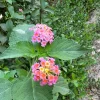
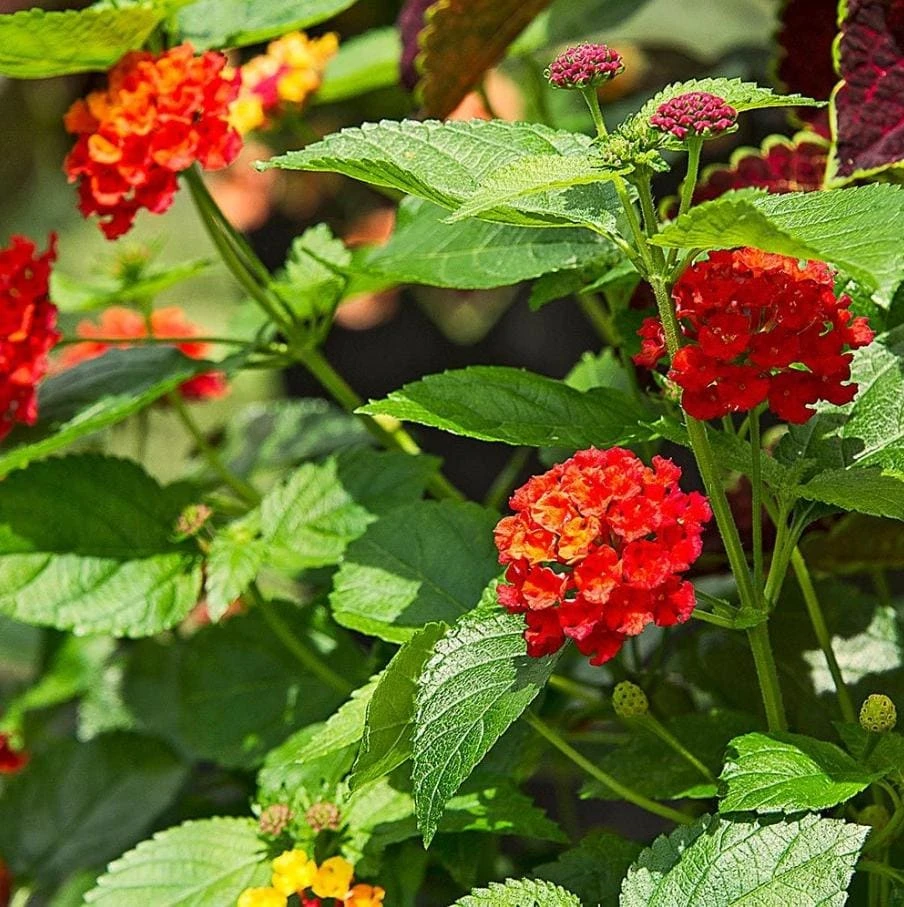
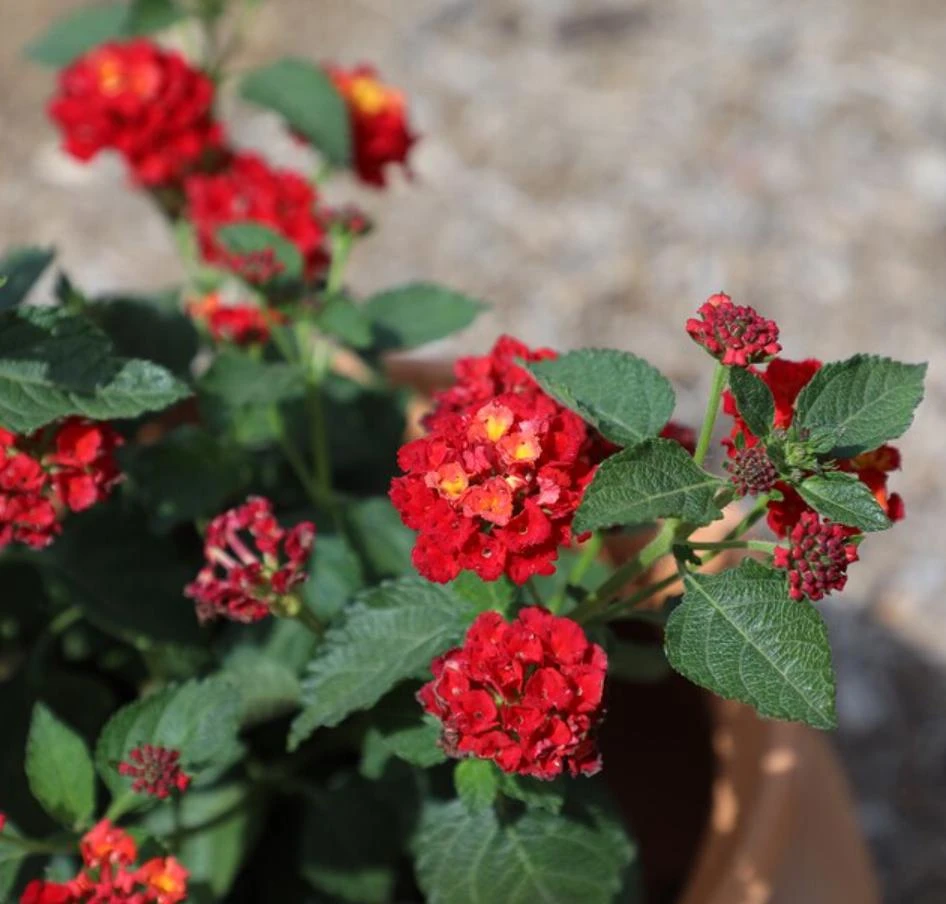
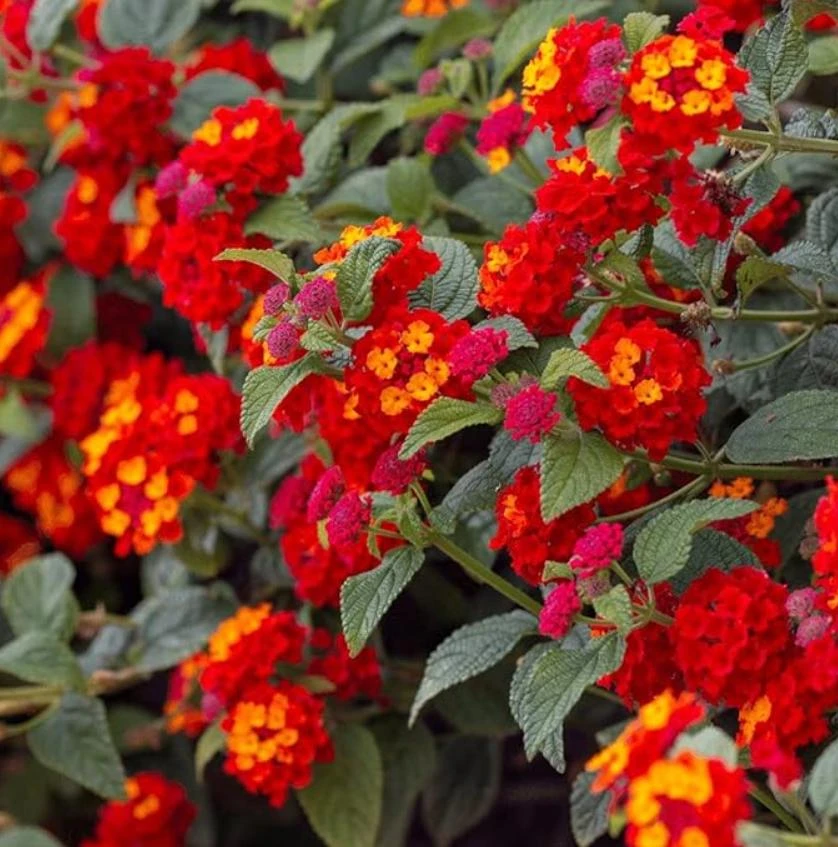
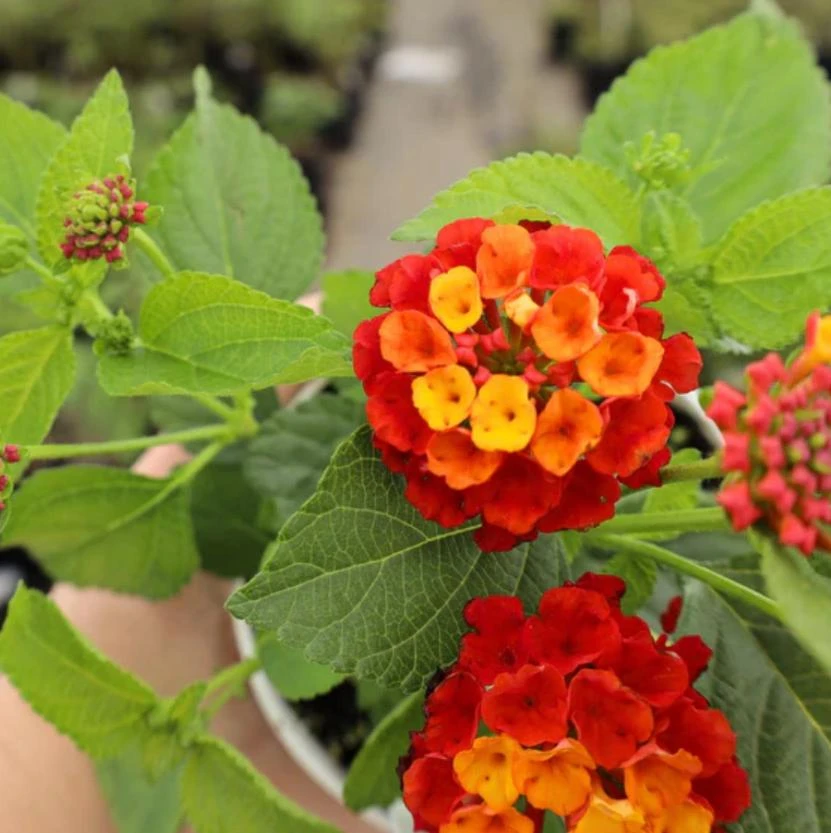
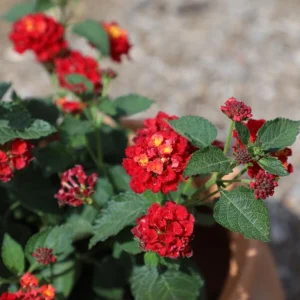
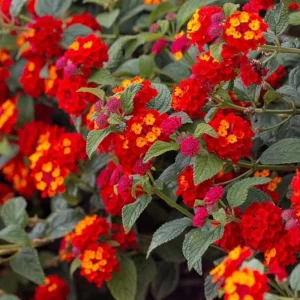
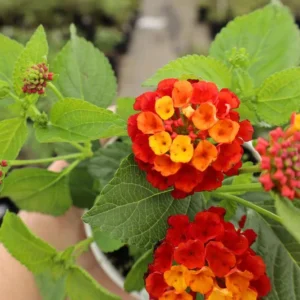
Introduce brilliant color and life to your outdoor spaces with the stunning red lantana live plant. This vibrant perennial is celebrated for its continuous clusters of small, brightly colored flowers that bloom from spring through fall, adding a cheerful touch to any garden, container, or hanging basket. Known for its hardiness and ability to attract an array of pollinators, including butterflies and hummingbirds, the lantana is a fantastic choice for creating a lively and dynamic landscape. This particular offering is for a young starter plant, typically 3-5 inches tall, ready for you to nurture and watch flourish. Lantana camara, the botanical name for this popular plant, is a resilient species that offers both beauty and ease of care, making it a favorite among gardeners.
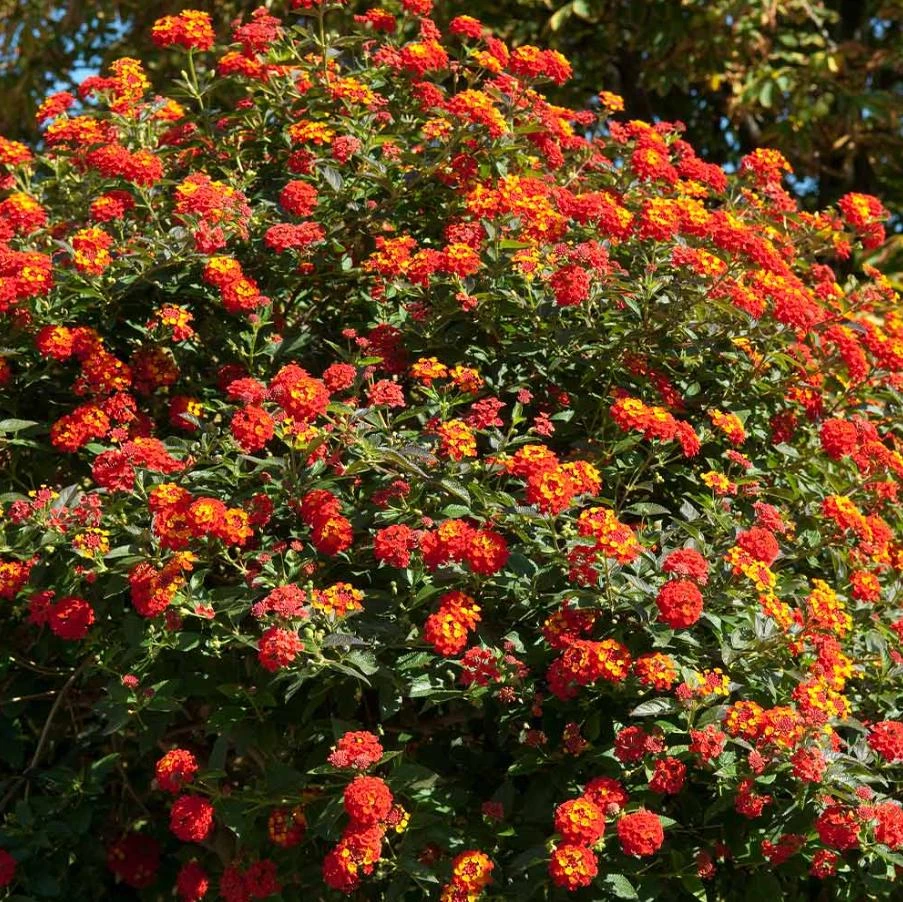
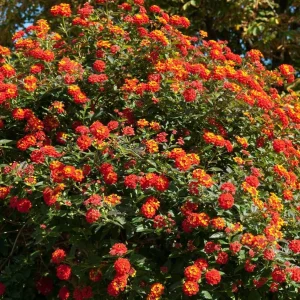
The red lantana live plant will quickly establish itself, growing into a bushy, mounding plant covered in cheerful red blooms. Its robust nature means it can withstand various conditions once established, providing a long season of interest. Whether you’re an experienced horticulturist or a budding enthusiast, growing lantana offers a rewarding experience with minimal fuss. Prepare to enjoy a continuous display of color that will be the envy of your neighborhood and a haven for local wildlife.
Key Benefits
Cultivating a red lantana live plant in your garden or on your patio offers a multitude of advantages, enhancing both aesthetic appeal and ecological value. Its striking beauty and easy care make it an exceptional choice for various landscaping needs.
- Vibrant, Long-Lasting Blooms: The primary appeal of this lantana is its prolific flowering, producing clusters of small, fiery red blossoms that persist for months. This ensures a continuous spectacle of color from spring until the first frost, keeping your garden lively and inviting.
- Attracts Pollinators: Lantana is a magnet for beneficial insects. Its nectar-rich flowers are irresistible to butterflies, bees, and hummingbirds, making it an excellent addition for supporting local ecosystems and encouraging biodiversity in your yard.
- Low Maintenance & Drought Tolerant: Once established, the red lantana live plant is remarkably resilient. It requires minimal care, tolerates periods of drought, and is generally pest and disease resistant, making it ideal for busy gardeners or those in drier climates.
- Versatile Landscaping Use: This plant’s mounding habit and vibrant flowers make it perfect for a variety of uses, including ground cover, mixed borders, rock gardens, container plantings, and hanging baskets. Its adaptability allows for creative garden designs.
- Hardy Perennial in Warm Zones: In USDA Hardiness Zones 9-11, lantana grows as a reliable perennial, returning year after year with even more vigor. In cooler zones, it can be enjoyed as a vibrant annual or brought indoors for winter protection.
- Deer Resistant: A significant benefit for many gardeners, lantana is generally unappealing to deer, offering a beautiful flowering option that won’t become a snack for local wildlife.
Plant Care & Growing Tips
Caring for your red lantana live plant is straightforward, ensuring a season full of beautiful blooms. This resilient plant thrives with proper attention, especially during its establishment phase. Lantanas are sun-loving plants, so select a location that receives at least 6-8 hours of direct sunlight daily for the best flowering performance. In extremely hot climates, some afternoon shade can be beneficial, but too much shade will result in fewer flowers and leggy growth. When considering how to grow lantana, remember that adequate light is paramount.
Watering should be consistent but not excessive. While young plants need regular moisture to establish a strong root system, mature lantanas are quite drought-tolerant. Allow the top inch or two of soil to dry out between waterings. Overwatering can lead to root rot, so ensure your soil or container has excellent drainage. A well-draining potting mix or garden soil amended with compost is ideal. Fertilize lightly once a month during the growing season with a balanced, all-purpose fertilizer to encourage continuous blooming. Pruning is beneficial to maintain shape and promote more flowers; simply ‘deadhead’ spent blooms to encourage new growth.
The red lantana live plant is hardy in USDA zones 9-11. In cooler climates, it is often grown as an annual. If you wish to overwinter it indoors, bring it inside before the first frost, placing it in a bright location with reduced watering. Protect from frost or cold drafts, as these can severely damage the plant. While generally robust, keep an eye out for common garden pests, though lantana is quite resistant. Minimal spraying is part of lantana plant care, contributing to its bee and butterfly-friendly nature.
Size & Details
This offering is for a young red lantana live plant, which ships as a starter plant typically measuring approximately 3-5 inches tall. It is provided without a pot, meaning you will need to have your preferred soil and container ready for planting upon arrival. This allows for immediate integration into your garden beds, larger pots, or hanging baskets. The size at shipping represents a healthy, young specimen ready for establishment and growth in your home garden. While small upon arrival, with proper care and ideal growing conditions, this perennial can quickly grow to a mature size of 1-3 feet tall and equally wide, forming a dense, flowering mound.
The plant’s growth rate is moderate to fast, especially in warm, sunny conditions. Expect to see significant growth and the first flush of vibrant red blooms within a few weeks of planting. The mature plant will provide continuous color throughout the growing season, attracting a host of beneficial pollinators. It is important to note that photos often show mature plants for reference, and your starter plant will require time and nurturing to reach that full, lush appearance. The resilient nature of this perennial ensures that even minor leaf imperfections from transit will quickly be replaced by new, healthy foliage with proper care.
Frequently Asked Questions
- Q: How big does this red lantana live plant get? A: This is a starter plant, typically 3-5 inches tall upon arrival. With proper care, it can grow to a mature size of 1-3 feet tall and wide, forming a bushy, mounding plant.
- Q: Is this an indoor or outdoor plant? A: Lantana is primarily an outdoor plant, thriving in full sun. In USDA zones 9-11, it is a perennial. In cooler zones, it can be grown as an annual or overwintered indoors in a bright location.
- Q: How much sunlight does it need? A: For optimal growth and prolific blooming, the red lantana requires at least 6-8 hours of direct sunlight per day. Less sun can result in fewer flowers and leggy growth.
- Q: Is this plant easy to care for? A: Yes, lantana is known for being a very low-maintenance plant once established. It’s drought-tolerant and generally resistant to pests and diseases, making it excellent for beginners and experienced gardeners alike.
- Q: What condition will it arrive in? A: Your red lantana live plant will arrive as a young starter plant, approximately 3-5 inches tall, shipped without a pot. Minor leaf imperfections during transit are normal; new leaves will develop with proper care.
- Q: How long until it blooms? A: With good growing conditions (full sun, regular watering), your starter plant should begin to produce its vibrant red blooms within a few weeks of planting, and continue to bloom throughout the growing season.
- Q: Will it survive winter in my zone? A: The perennial lantana is hardy in USDA zones 9-11. In zones cooler than 9, it will likely not survive the winter outdoors unless protected or brought inside.
- Q: What type of soil is best for lantana plant care? A: Lantanas prefer well-draining soil. Whether planting in the ground or in a container, ensure the soil is not waterlogged. Amending with compost can improve drainage and fertility.
- Q: Does this lantana attract pollinators? A: Absolutely! The vibrant red flowers of this lantana are highly attractive to butterflies, bees, and hummingbirds, making it a wonderful addition to a pollinator garden.
- Q: Do I need to prune my lantana? A: Light pruning or deadheading (removing spent flowers) will encourage more blooms and help maintain a tidy shape. You can also prune more aggressively in early spring to shape the plant.


Reviews
There are no reviews yet.