Overview
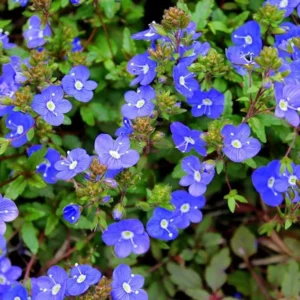
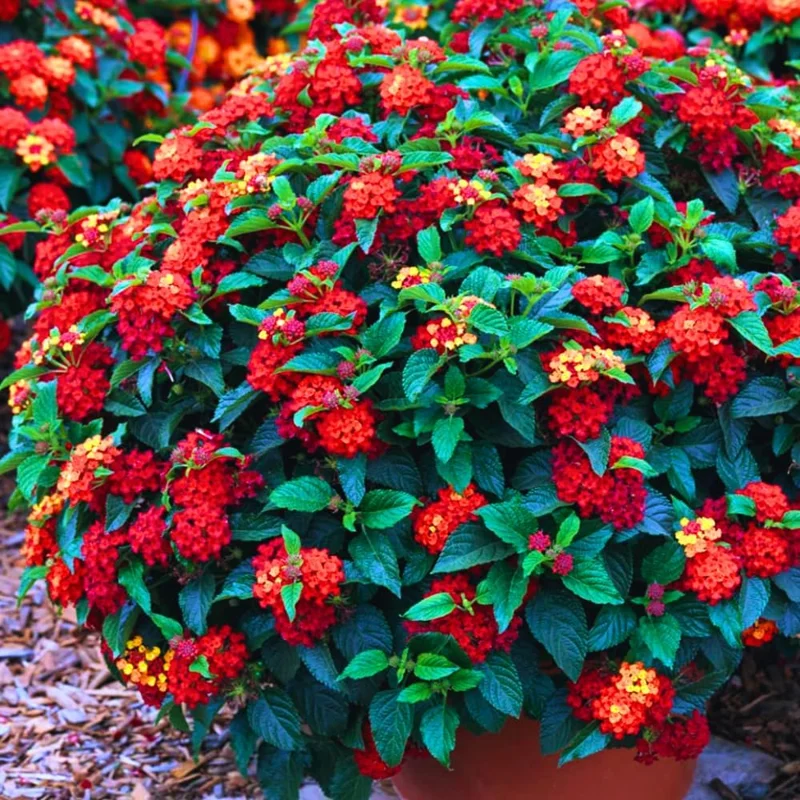
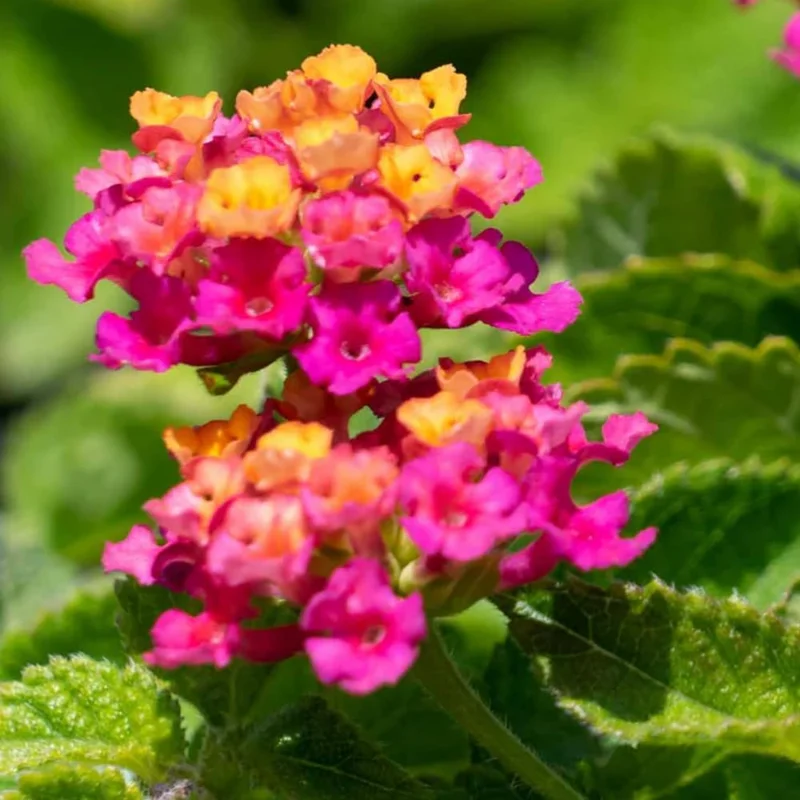
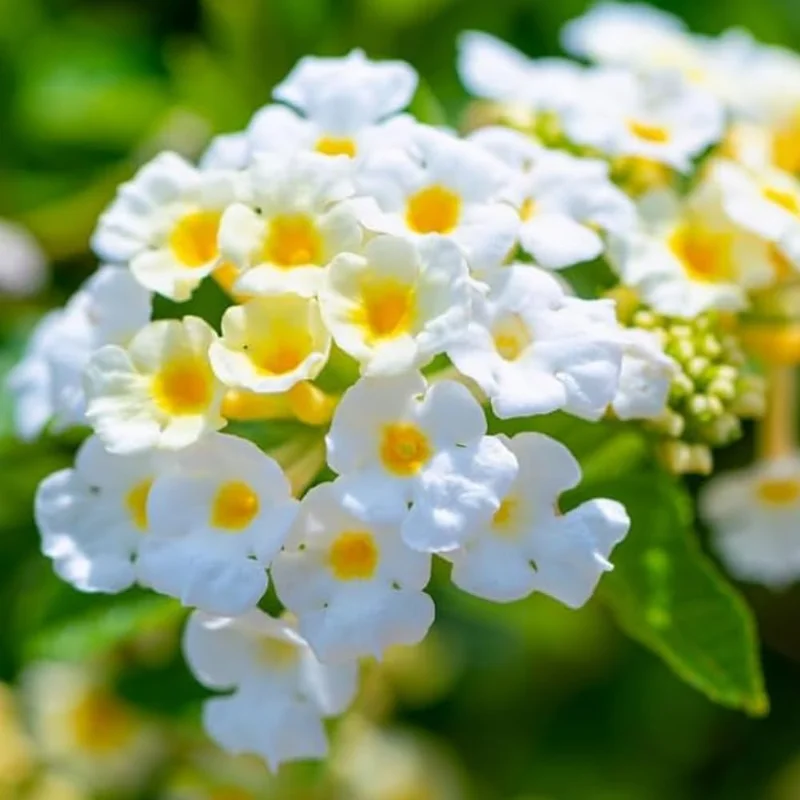
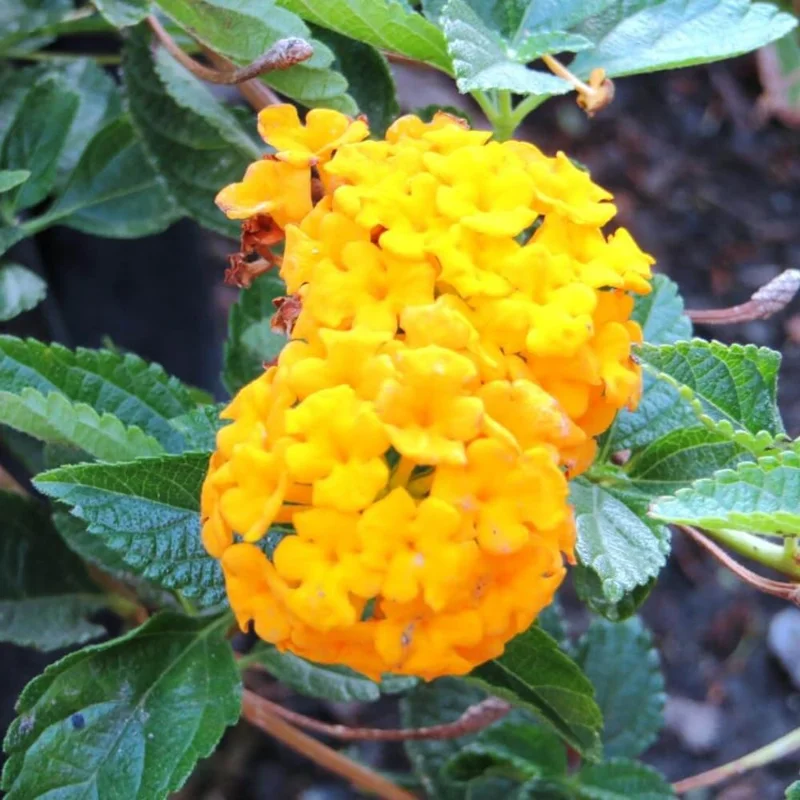
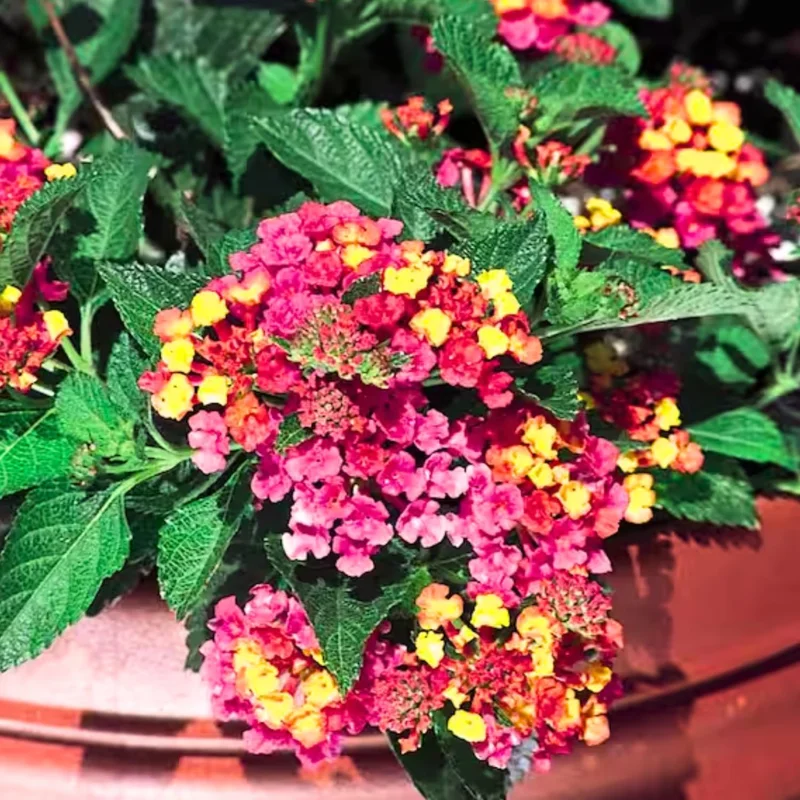
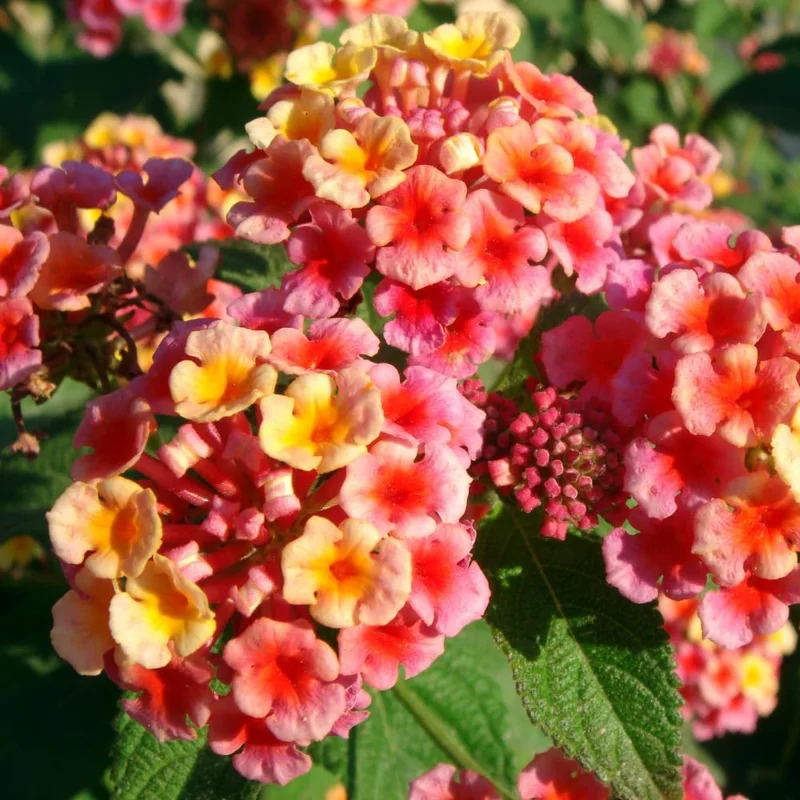
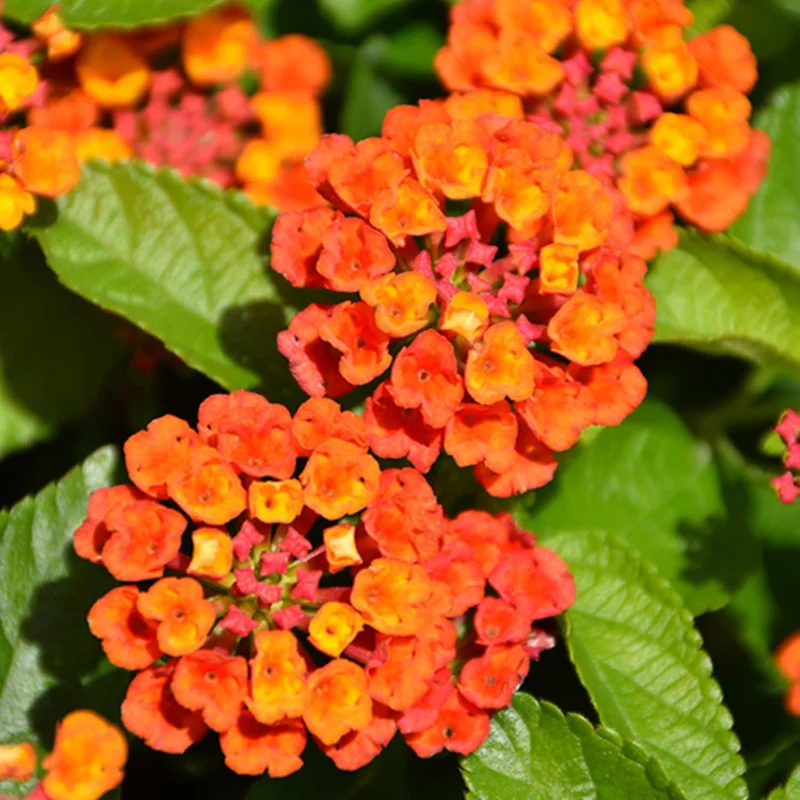
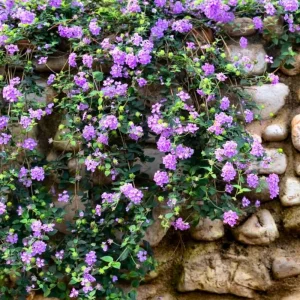
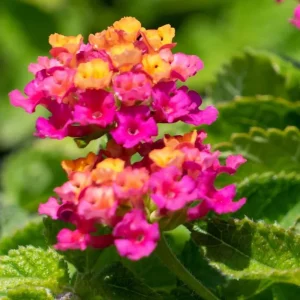
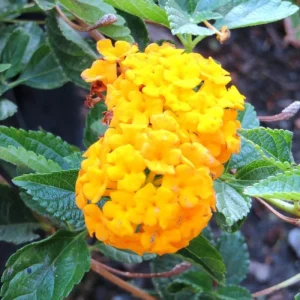
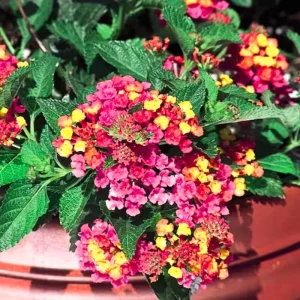
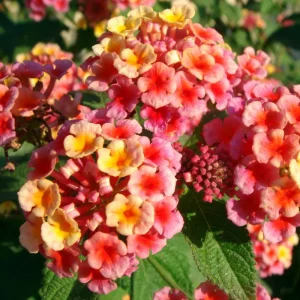
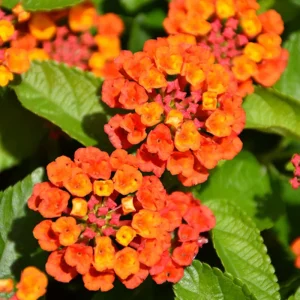
Transform your garden into a haven of vibrant color with our stunning red lantana live plants. This offering includes two healthy, actively growing plants, ready to bring cheer to your outdoor spaces. Lantana (Lantana camara) is a beloved flowering shrub known for its clusters of small, brightly colored flowers that bloom continuously from spring through fall. These particular plants boast beautiful red hues, creating a striking visual impact. Easy to grow and maintain, red lantana live plants are an excellent choice for both seasoned gardeners and beginners looking to add long-lasting beauty and attract beneficial insects like butterflies and hummingbirds to their yard. They are versatile, thriving in various settings, and their resilient nature makes them a rewarding addition to any landscape.
Originating from tropical regions of the Americas and Africa, lantana has adapted well to many climates, making it a popular choice globally. Our red lantana live plants are carefully cultivated to ensure they arrive in prime condition, ready to flourish in your garden. They are well-suited for a variety of landscaping uses, from mass plantings and borders to container gardening and hanging baskets. The robust nature of these plants means they can withstand common garden challenges, providing a consistent display of color with minimal fuss. Embrace the joy of gardening with these exceptional flowering plants.
Key Benefits
Our red lantana live plants offer numerous advantages, making them a top choice for gardeners seeking both beauty and ease of care. These plants are truly a garden workhorse, delivering consistent performance and visual appeal throughout the growing season.
- Continuous, Striking Blooms: Enjoy an abundance of vibrant red flowers from spring until the first frost. These prolific blooms ensure your garden remains colorful and lively for months, providing a constant source of visual delight.
- Attracts Pollinators: The bright flowers of lantana are a magnet for butterflies, bees, and hummingbirds, making your garden a lively ecosystem. This not only enhances biodiversity but also aids in the pollination of other plants in your garden.
- Low Maintenance: Lantana is incredibly easy to care for, requiring minimal attention once established. It tolerates heat, drought, and a variety of soil conditions, making it perfect for busy gardeners or those new to planting. This makes growing lantana plants a breeze.
- Drought Tolerant: Once established, these plants are remarkably drought-resistant, making them an excellent choice for water-wise gardening or areas prone to dry spells. They maintain their beauty even when water is scarce.
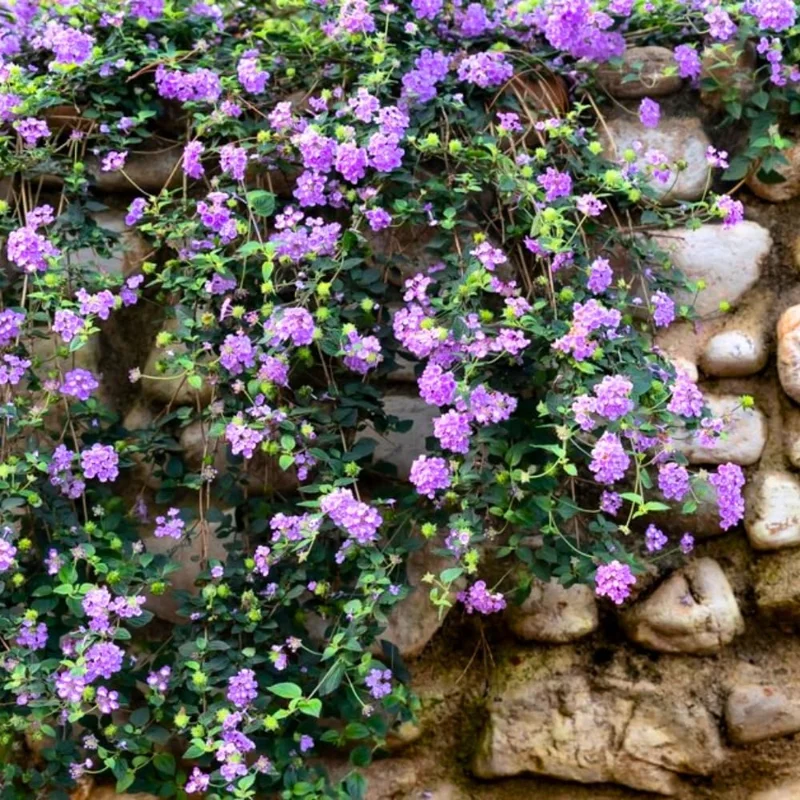
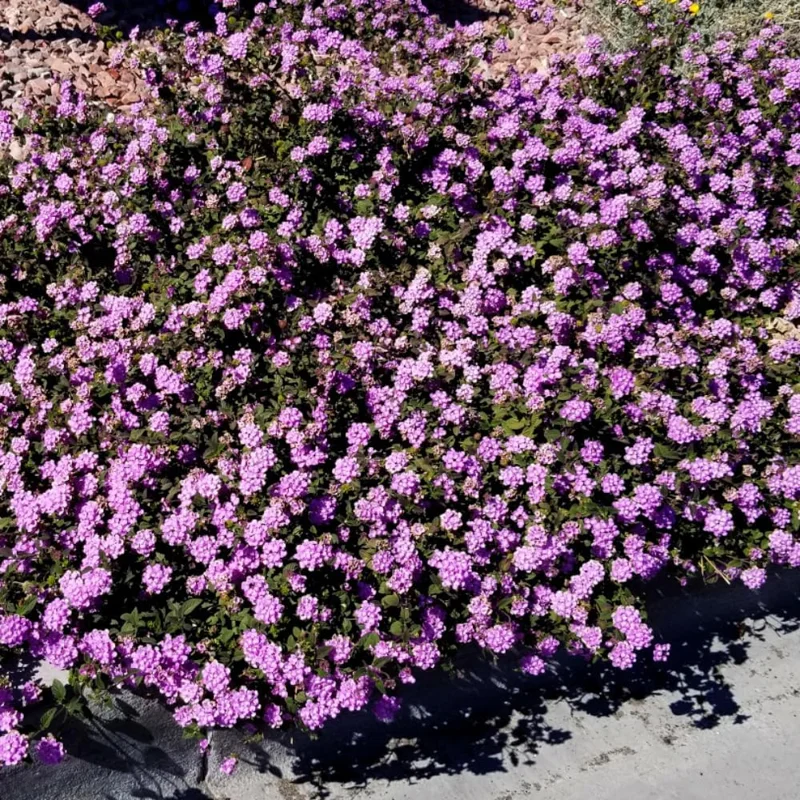
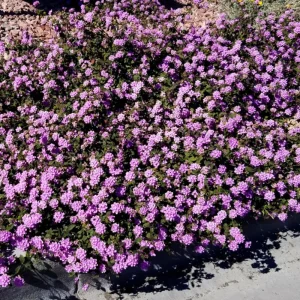
- Versatile Landscaping Use: Whether you want to fill garden beds, create colorful borders, add flair to containers, or design stunning hanging baskets, lantana fits seamlessly into various garden designs. Its mounding habit and spreading nature make it adaptable.
- Deer Resistant: Lantana is generally disliked by deer, providing a natural deterrent in areas where deer are a problem. This helps protect your garden from unwanted browsing without needing harsh chemicals.
- Perennial in Warm Climates: In USDA Zones 8-11, these plants are true perennials, returning year after year. In colder regions, they are often grown as beautiful annuals, providing a season of stunning color. Understanding lantana perennial flowers helps in planning your garden.
Plant Care & Growing Tips
Caring for your red lantana live plants is straightforward, ensuring a rewarding gardening experience. These plants are known for their resilience and ability to thrive with basic attention. For optimal growth and prolific blooming, providing the right conditions is key. Lantana flourishes in full sun, meaning it needs at least 6 hours of direct sunlight daily. The more sun it receives, the more flowers it will produce, showcasing its vibrant red hues to their fullest. If planted in partial shade, blooming may be reduced, and the plant may become leggy. Ensure your chosen planting site meets these light requirements for the best results when growing lantana plants.
When it comes to watering, lantana prefers well-draining soil and is quite drought-tolerant once established. Water regularly after planting to help the root system develop. Once mature, allow the top inch or two of soil to dry out completely between waterings. Overwatering can lead to root rot, so it’s better to err on the side of underwatering rather than overwatering. Any good quality, well-draining potting mix is suitable for containers, and garden soil amended with compost will work well in beds. These plants are hardy in USDA Zones 8-11, where they act as perennials. In colder regions, they are typically grown as annuals or brought indoors for winter. Fertilize sparingly; a balanced slow-release fertilizer in spring is usually sufficient to support continuous blooming. Prune lightly throughout the season to encourage bushier growth and more flowers, and a more significant trim in late winter/early spring to shape the plant and remove any winter damage. For specific advice on lantana plant care, always consider your local climate.
Size & Details
This offering includes two healthy red lantana live plants, each measuring approximately 4-9 inches tall from the base of the soil to the top of the foliage. They are shipped ready for immediate planting, carefully packaged to ensure their safe arrival. Lantana plants typically exhibit a mounding and spreading growth habit, reaching mature dimensions of about 2-6 feet tall and 3-10 feet wide, depending on the variety and growing conditions. These plants are known for their fast growth rate, quickly filling out garden spaces with their lush foliage and abundant flowers. They are ideal for creating a dynamic display in garden beds, containers, or as groundcover. Expect continuous blooms from spring through fall, bringing long-lasting color to your outdoor areas. The plants are established in nursery pots and will need to be transplanted into larger containers or directly into your garden upon arrival.
Frequently Asked Questions
- Q: How big do these red lantana live plants get? A: These plants typically grow to be 2-6 feet tall and 3-10 feet wide, depending on the variety and your specific growing conditions. They have a mounding and spreading habit, perfect for filling out spaces.
- Q: Is this an indoor or outdoor plant? A: Lantana is primarily an outdoor plant, thriving in full sun. While it can be overwintered indoors in colder climates, it is best enjoyed as an outdoor ornamental, especially for its prolific blooms and ability to attract pollinators.
- Q: How much sunlight does growing lantana plants require? A: Lantana needs at least 6 hours of direct sunlight daily to produce the most vibrant and abundant blooms. Full sun exposure is crucial for healthy growth and flowering.
- Q: Is this plant easy to care for? A: Yes, lantana is renowned for being a very low-maintenance and easy-to-grow plant. It tolerates heat, drought, and a range of soil conditions, making it suitable for beginners and busy gardeners.
- Q: What condition will the plants arrive in? A: Your red lantana live plants will arrive healthy and actively growing, carefully packaged to minimize stress during transit. They will be established in nursery pots, ready for planting.
- Q: When is the best time to plant outdoor lantana varieties? A: The best time to plant lantana is in spring after all danger of frost has passed, once soil temperatures have warmed up. This allows the plant ample time to establish before the peak growing season.
- Q: Will it survive winter in my zone? A: Lantana is perennial in USDA Zones 8-11. In colder zones (7 and below), it is typically grown as an annual or can be brought indoors to overwinter in a bright, cool location.
- Q: What kind of soil does lantana prefer? A: Lantana prefers well-draining soil. It can tolerate a variety of soil types, but good drainage is essential to prevent root rot. Amending heavy clay soils with organic matter can improve drainage.
- Q: Are these lantana perennial flowers attractive to pests? A: Lantana is generally quite resistant to most common garden pests. Its leaves contain compounds that deter deer and other browsing animals, making it a robust choice for many landscapes.


Reviews
There are no reviews yet.