Overview
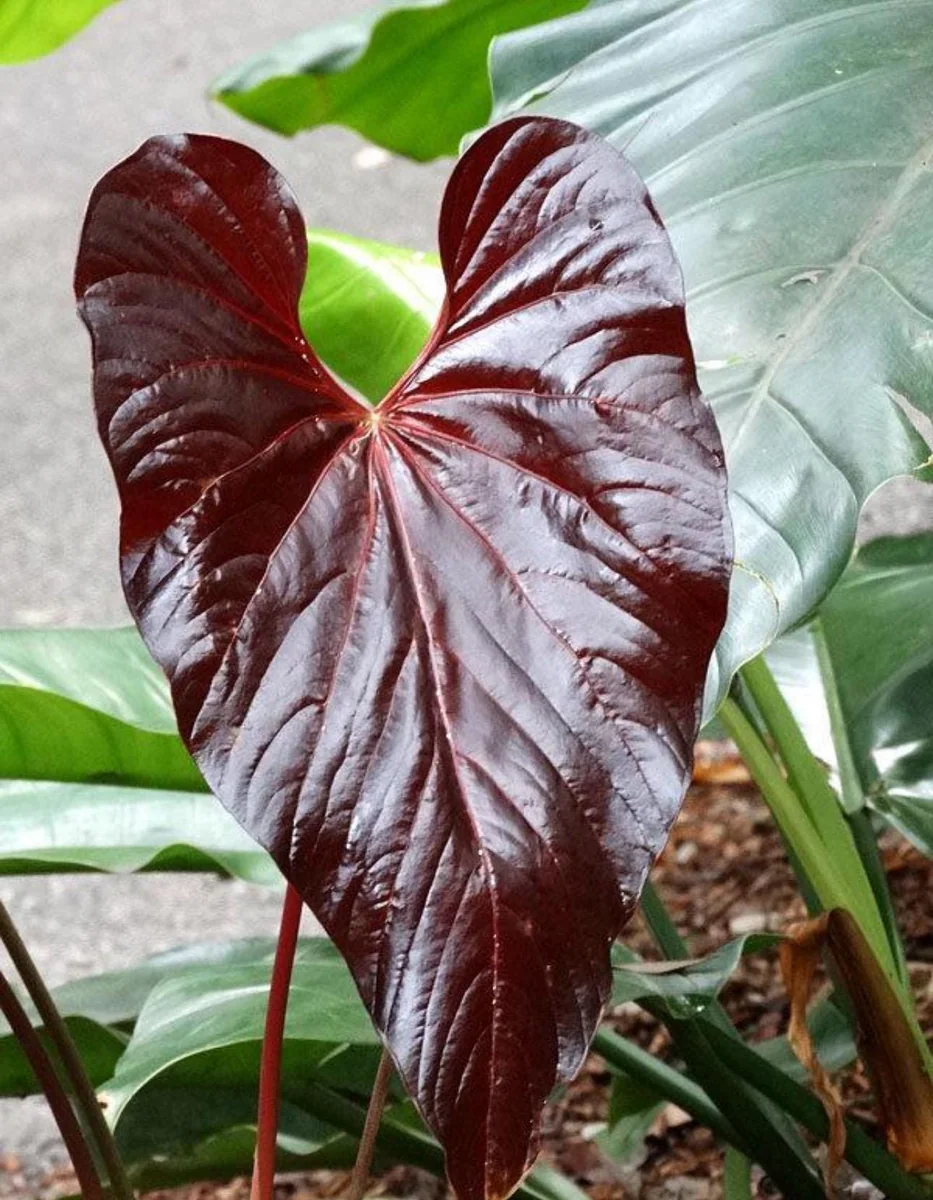
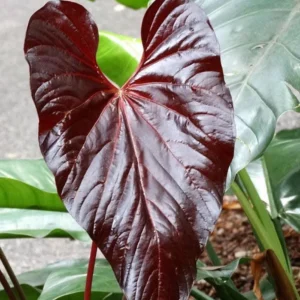
Introducing the captivating red leaf anthurium starter plant, a stunning addition to any indoor garden. This live houseplant, often referred to as the Flamingo Flower or Laceleaf, is cherished for its vibrant, heart-shaped red ‘flowers’ (which are actually modified leaves or spathes) and lush, dark green foliage. The Anthurium andraeanum, as it’s scientifically known, originates from the tropical rainforests of South America, making it perfectly adapted to thrive in a warm, humid indoor environment. Our red leaf anthurium starter plant offers an excellent opportunity to cultivate this exotic beauty from its early stages, providing a rewarding experience for both novice and experienced plant enthusiasts. Its unique appearance and relatively low maintenance make it a popular choice for enhancing interior spaces with a touch of tropical elegance and year-round color.
This particular variety stands out with its intensely colored red spathes, creating a bold visual statement. As a anthurium indoor plant, it’s ideal for brightening up living rooms, offices, or any space that can offer consistent, bright indirect light. The growth habit is compact and upright, making it suitable for tabletops, shelves, or as part of a larger plant display. Investing in a red leaf anthurium starter plant allows you to witness its journey from a young specimen to a mature, flowering houseplant, bringing continuous joy and aesthetic appeal to your home.
Key Benefits
The red leaf anthurium starter plant offers numerous benefits, making it a highly desirable choice for plant lovers. Its striking appearance and relatively straightforward care requirements contribute to its popularity as an indoor houseplant.
- Vibrant Aesthetic Appeal: The most prominent benefit is its stunning visual impact. The bright red, heart-shaped spathes provide a continuous splash of color, contrasting beautifully with its glossy green leaves, instantly elevating the aesthetics of any room. This makes the anthurium red leaf a fantastic decorative element.
- Long-Lasting Blooms: Unlike many flowering plants, Anthurium ‘blooms’ (spathes) can last for several weeks or even months, offering extended periods of vibrant color and enjoyment. This ensures your anthurium houseplant provides consistent beauty.
- Air Purification: Like many houseplants, Anthuriums contribute to improving indoor air quality by filtering out certain airborne toxins, making your living environment healthier.
- Relatively Low Maintenance: Once its basic needs for light, water, and humidity are met, the red leaf anthurium starter plant is surprisingly easy to care for, making it suitable for busy individuals or those new to plant care.
- Compact Growth Habit: Its generally compact size makes it versatile for various indoor settings, from small apartments to larger homes, fitting comfortably on desks, shelves, or windowsills.
- Tropical Ambiance: Owning an anthurium indoor plant brings a touch of the tropics into your home, creating a serene and exotic atmosphere that can be very calming and visually appealing.
- Year-Round Interest: With proper care, Anthuriums can produce their colorful spathes throughout the year, ensuring continuous visual interest regardless of the season.
Plant Care & Growing Tips
Caring for your red leaf anthurium starter plant is a rewarding experience, and with the right approach, it will flourish and produce its characteristic vibrant spathes. Understanding its tropical origins is key to providing optimal conditions for this beautiful anthurium houseplant. Pay close attention to light, water, humidity, and soil for the best results.
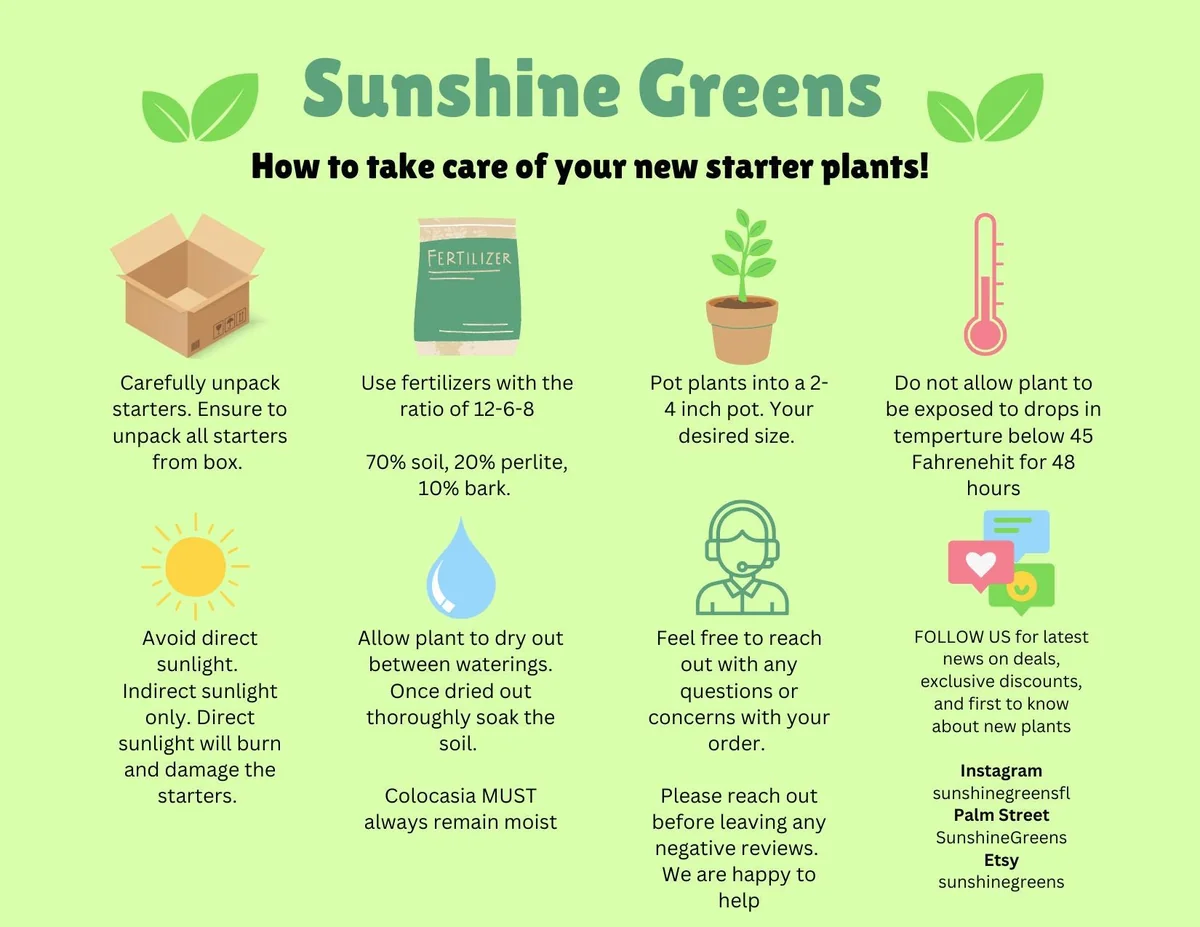
Sunlight Requirements: Anthuriums thrive in bright, indirect light. Place your plant near a window that receives plenty of natural light but avoids direct, harsh sunlight, which can scorch its leaves and spathes. An east or north-facing window is often ideal. If you notice the leaves turning yellow or the spathes becoming faded, it might be receiving too much light. Conversely, if growth is leggy and flowering is sparse, it may need more light. Providing consistent, diffused light is crucial for a healthy red leaf anthurium starter plant.
Watering Schedule and Soil Moisture Preferences: Water your anthurium when the top inch or two of the soil feels dry to the touch. It’s important to water thoroughly until water drains from the bottom of the pot, then allow excess water to drain completely. Anthuriums do not like to sit in soggy soil, as this can lead to root rot. Overwatering is a common mistake; err on the side of underwatering rather than overwatering. In winter, reduce watering frequency. The ideal soil for an anthurium indoor plant should be well-draining yet able to retain some moisture, mimicking its epiphytic nature in the wild.
Soil Type and Drainage Requirements: A well-draining, airy potting mix is essential for Anthuriums. A good mix typically includes components like orchid bark, perlite, and peat moss or coco coir. This type of mix provides excellent drainage while still offering enough moisture retention and aeration for healthy root development. Ensure your pot has drainage holes to prevent waterlogging. Anthurium plant care emphasizes proper drainage to avoid fungal issues and root rot.
Temperature Range and USDA Hardiness Zone: Anthuriums prefer warm temperatures, ideally between 65°F and 80°F (18°C-27°C). They are sensitive to cold drafts and temperatures below 60°F (15°C) can cause damage. As tropical plants, they are not frost-tolerant. For outdoor cultivation in the US, they are typically suited for USDA zones 10-11, but are most commonly grown as indoor houseplants due to their temperature sensitivity. Avoid placing them near air conditioning vents or exterior doors.
Humidity: High humidity is vital for Anthuriums, mirroring their native rainforest environment. Aim for humidity levels of 60% or higher. You can increase humidity by misting the leaves daily, placing the pot on a pebble tray filled with water, or using a humidifier. Grouping your red leaf anthurium starter plant with other plants can also create a microclimate with higher humidity. This is a critical aspect of successful anthurium plant care.
Fertilization Schedule and Type: Fertilize your anthurium every 2-4 weeks during the active growing season (spring and summer) with a balanced liquid fertilizer diluted to half strength. Reduce or stop fertilizing during fall and winter when growth slows. A fertilizer formulated for flowering houseplants or orchids can also be beneficial for encouraging vibrant spathes on your anthurium red leaf.
Common Problems and Solutions: Yellowing leaves can indicate overwatering or nutrient deficiency. Brown leaf tips often point to low humidity or too much direct sun. Pests like spider mites or mealybugs can be treated with insecticidal soap. Regularly inspect your plant for any signs of distress or pests to address issues promptly.
Size & Details
This offering is for a red leaf anthurium starter plant, carefully cultivated to provide a strong foundation for future growth. Each plant is typically shipped rooted in a small nursery pot, generally 2-4 inches in diameter, ensuring it has established roots ready for transplanting into a larger container upon arrival. The plant’s height will vary slightly depending on its growth at the time of shipping, but generally ranges from 4 to 8 inches tall from the base of the pot. These starter plants are young specimens, perfect for those who enjoy nurturing a plant from its early stages. They are designed to grow into beautiful, mature anthurium indoor plant specimens, eventually reaching a height of 1-2 feet with a similar spread when fully grown under optimal conditions.
The growth rate of the anthurium red leaf is moderate, allowing you to observe its development over time. With consistent care, you can expect to see new leaves and spathes emerge regularly. The plant will arrive carefully packaged to minimize stress during transit, though some minor leaf yellowing or wilting may occur, which is normal and from which the plant typically recovers quickly. This anthurium houseplant is a fantastic opportunity to add a long-lived, colorful specimen to your collection, offering years of enjoyment as it matures and continues to produce its striking red spathes.
Frequently Asked Questions
- Q: How big does this plant get? A: As a red leaf anthurium starter plant, it arrives as a young specimen. With proper care, it can grow to a mature size of 1 to 2 feet in height and spread, making it a substantial and beautiful anthurium indoor plant.
- Q: Is this an indoor or outdoor plant? A: While Anthuriums are tropical, this red leaf anthurium starter plant is primarily grown as an indoor houseplant in most climates. It can be moved outdoors in warm, humid conditions (USDA Zones 10-11) during summer but must be brought inside before temperatures drop.
- Q: How much sunlight does it need? A: This anthurium houseplant thrives in bright, indirect light. Avoid direct sunlight, which can scorch its delicate leaves and spathes. An east or north-facing window is often ideal.
- Q: Is this plant easy to care for? A: Yes, the red leaf anthurium starter plant is considered relatively easy to care for, especially once its basic needs for consistent warmth, humidity, and indirect light are met. It’s a great choice for both beginners and experienced plant enthusiasts looking for an attractive, low-maintenance option.
- Q: What condition will it arrive in? A: Your red leaf anthurium starter plant will arrive carefully packaged, typically in a small nursery pot with established roots. Minor stress from shipping, such as slight yellowing or wilting, is normal, and the plant usually recovers quickly once settled in its new environment.
- Q: How often should I water my anthurium? A: Water your anthurium red leaf when the top 1-2 inches of soil feel dry to the touch. Ensure thorough watering until it drains from the bottom, then allow the soil to dry out slightly before the next watering to prevent root rot.
- Q: Does this plant have actual red flowers? A: The vibrant red parts of the red leaf anthurium starter plant are actually modified leaves called spathes, which surround a central flower spike. These spathes are the main ornamental feature and are known for their long-lasting color.
- Q: Is this anthurium safe for pets? A: Anthuriums are considered toxic if ingested by pets due to calcium oxalate crystals. It’s best to keep this anthurium indoor plant out of reach of curious pets and children.
- Q: What kind of soil is best for anthuriums? A: A well-draining, airy potting mix that mimics its epiphytic nature is best. A blend containing orchid bark, perlite, and peat moss or coco coir is ideal for optimal anthurium plant care.
- Q: How can I increase humidity for my plant? A: To increase humidity for your red leaf anthurium starter plant, you can mist its leaves daily, place its pot on a pebble tray filled with water, or use a room humidifier. Grouping it with other plants can also help create a more humid microclimate.


Reviews
There are no reviews yet.