Overview
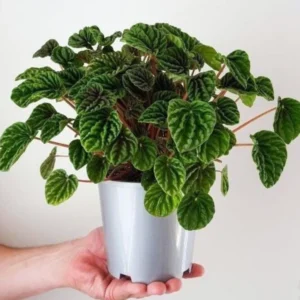
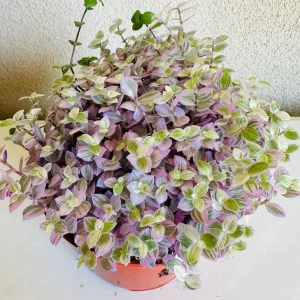
Introduce a captivating element to your indoor plant collection with the exquisite red maranta prayer plant. This stunning live houseplant, scientifically known as Maranta leuconeura erythroneura, is celebrated for its dramatic foliage featuring deep green leaves with prominent, vibrant red veins and a reddish-purple underside. Grown in a convenient 4-inch pot, this plant is ready to brighten any desk, shelf, or windowsill. Its common name, “Prayer Plant,” comes from its fascinating nyctinastic movement, where the leaves fold upwards at dusk, much like hands in prayer, and then unfurl again with the morning light. A true conversation starter, the red maranta prayer plant offers both beauty and a unique botanical spectacle, making it an ideal choice for both novice and experienced plant enthusiasts looking for an eye-catching indoor prayer plant.
This particular variety of maranta leuconeura is highly sought after for its intense coloration and relatively compact growth habit, making it suitable for smaller spaces. It thrives in conditions that mimic its native tropical rainforest environment, preferring warmth and humidity. If you’re looking to add a dynamic and visually appealing plant to your home, the red maranta prayer plant is an excellent choice that promises to be a focal point.
Key Benefits
The red maranta prayer plant offers numerous advantages that make it a delightful addition to any indoor setting. Its striking appearance and unique behavior are just a few reasons to welcome this plant into your home.
- Stunning Foliage: Features dark green leaves with bold, intricate red veins and a rich reddish-purple underside, providing a continuous display of vibrant color.
- Unique Daily Movement: Witness the fascinating phenomenon of nyctinasty, where the leaves fold upwards at night and flatten out during the day, giving it the charming name indoor prayer plant.
- Air Purifying Qualities: Like many houseplants, the red maranta prayer plant helps to improve indoor air quality by filtering out common toxins, contributing to a healthier home environment.
- Compact & Manageable Size: This 4-inch potted plant remains relatively small, making it perfect for desks, shelves, terrariums, or as a charming accent in any room.
- Pet-Friendly: Maranta plants are generally considered non-toxic to pets, offering peace of mind for pet owners who want to enjoy beautiful indoor greenery.
- Boosts Mood & Well-being: Caring for plants and observing their growth can reduce stress and enhance overall mental well-being, bringing a touch of nature indoors.
- Easy to Propagate: With a little care, you can easily propagate new plants from cuttings, allowing you to expand your collection or share with friends.
Plant Care & Growing Tips
Caring for your red maranta prayer plant involves understanding its specific needs to ensure its vibrant foliage and unique movements thrive. This plant prefers conditions similar to its native tropical habitat. For light, it requires bright, indirect light. Direct sunlight can scorch its delicate leaves, causing them to fade or develop brown spots. An east or north-facing window is often ideal, or a spot a few feet away from a south or west-facing window. Insufficient light, however, can cause the red veins to appear less vibrant and the plant to become leggy.
Watering is crucial for a healthy red maranta prayer plant. Keep the soil consistently moist but never waterlogged. Allow the top inch of soil to dry out slightly between waterings. Overwatering can lead to root rot, while underwatering will cause the leaves to curl and crisp. Use filtered or distilled water if possible, as marantas can be sensitive to chemicals in tap water, such as chlorine and fluoride. High humidity is also essential for this tropical beauty. You can achieve this by misting the leaves regularly, placing the pot on a pebble tray with water, or using a humidifier, especially in dry indoor environments. The ideal temperature range is between 65-80°F (18-27°C); avoid temperatures below 60°F (15°C) and sudden temperature fluctuations.
For soil, a well-draining, peat-based potting mix is recommended. A mix designed for African violets often works well. Fertilize your maranta leuconeura every 2-4 weeks during the growing season (spring and summer) with a balanced liquid fertilizer diluted to half strength. Reduce or stop fertilizing during the fall and winter months. Repotting is typically needed every 1-2 years, or when the plant becomes root-bound. Prune any yellow or damaged leaves to encourage new growth and maintain a bushy shape. Keep an eye out for common pests like spider mites, which can thrive in low humidity. Regular inspection and appropriate treatment will keep your red vein prayer plant healthy.
Size & Details
This offering features a vibrant red maranta prayer plant, carefully cultivated and shipped in a 4-inch nursery pot. At the time of shipment, the plant typically stands approximately 6-8 inches tall from the base of the pot to the top of its foliage, with a similar spread. The growth rate for Maranta plants is moderate, and with proper care, they can achieve a more sprawling, bushy habit. Expect the leaves to be fully developed, showcasing their characteristic deep green color with prominent red veins and a striking reddish-purple underside. This plant will arrive as a live, established specimen, ready to be enjoyed immediately upon arrival. While it can remain in its 4-inch pot for some time, it will eventually benefit from being moved to a slightly larger pot as it grows.
Frequently Asked Questions
- Q: How big does this plant get? A: This red maranta prayer plant is shipped in a 4-inch pot and typically grows to be about 8-12 inches tall and wide as a mature houseplant, though it can spread further over time. Its compact size makes it ideal for tabletops and shelves.
- Q: Is this an indoor or outdoor plant? A: The red maranta prayer plant is primarily an indoor plant, especially in temperate climates. It thrives in warm, humid indoor environments and is not tolerant of cold temperatures or direct outdoor sunlight.
- Q: How much sunlight does it need? A: This maranta leuconeura prefers bright, indirect light. Avoid direct sunlight, which can scorch its leaves. A spot near an east or north-facing window is usually ideal.
- Q: Is this plant easy to care for? A: While not the absolute easiest plant, the red maranta prayer plant is considered moderately easy to care for. It requires consistent moisture and high humidity but rewards attentive care with stunning foliage and unique leaf movements.
- Q: What condition will it arrive in? A: Your red maranta prayer plant will arrive as a healthy, established live plant, carefully packaged in its 4-inch nursery pot. We take great care to ensure it reaches you in excellent condition, ready for its new home.
- Q: Is it pet-safe? A: Yes, the red maranta prayer plant is generally considered non-toxic to cats and dogs, making it a safe choice for homes with pets. However, it’s always best to prevent pets from ingesting plant material.
- Q: How often should I water my prayer plant? A: Water your red vein prayer plant when the top inch of soil feels dry to the touch. This usually means watering every 5-7 days, but it can vary depending on humidity and temperature. Ensure the pot has good drainage.
- Q: Why are the leaves of my prayer plant curling? A: Leaf curling on a red maranta prayer plant often indicates a lack of humidity or insufficient watering. Try increasing humidity around the plant and checking the soil moisture regularly.
- Q: Can I propagate my red maranta prayer plant? A: Yes, you can easily propagate your red maranta prayer plant from stem cuttings. Simply take a cutting with a node and a few leaves, and place it in water or moist potting mix until roots develop.
- Q: What kind of soil is best for this plant? A: A well-draining, peat-based potting mix is ideal for the red maranta prayer plant. Look for mixes designed for houseplants or African violets to ensure proper drainage and moisture retention.


Reviews
There are no reviews yet.