Overview
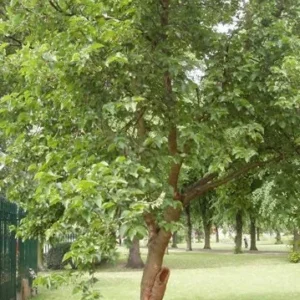
Embark on a rewarding gardening journey with our red mulberry bare root seedlings. This offering includes five robust 12-18 inch bare root plants, ready to be established in your landscape. The red mulberry tree (Morus rubra) is a native North American species, celebrated for its sweet, dark red berries and its ability to attract a variety of wildlife. These bare root seedlings are an economical and effective way to introduce this valuable fruit tree into your garden, offering a strong start for healthy growth. Known for their adaptability and resilience, Morus rubra plants are a fantastic choice for both novice and experienced gardeners looking to grow their own delicious fruit. You can easily grow red mulberry at home with these vigorous seedlings.
The red mulberry bare root form allows for easy transportation and planting, ensuring that the trees establish quickly once placed in their permanent location. This native species contributes significantly to local ecosystems, providing food and habitat for birds and other small animals, while also offering a delightful harvest for human consumption. Our red mulberry tree seedlings provide a sustainable source of fresh berries right in your backyard.
Key Benefits
Planting red mulberry bare root seedlings offers numerous advantages for your garden and local environment. You’ll enjoy fresh, delicious fruit and contribute to biodiversity:
- Abundant Fruit Production: Once established, the red mulberry tree yields a generous harvest of sweet, juicy, dark red berries, perfect for fresh eating, jams, pies, and preserves. These trees are highly productive, ensuring a bountiful crop for years to come.
- Attracts Wildlife: These trees are a magnet for local birds, squirrels, and other wildlife, providing a natural food source and enhancing the ecological value of your garden. Enjoy observing nature thrive in your own backyard.
- Native Species: As a native North American plant (Morus rubra), it is well-adapted to local climates and soils, requiring less intervention once established compared to non-native species. This makes them a more sustainable and resilient choice.
- Erosion Control: The strong root system of the red mulberry tree helps to stabilize soil, making it a good choice for areas prone to erosion. They are excellent for sloped areas or riparian zones.
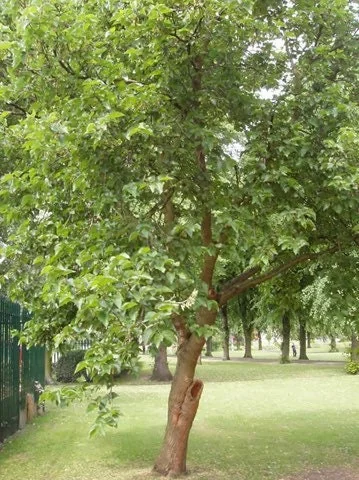
- Shade and Aesthetics: Mature red mulberry trees provide excellent shade and have an attractive form, adding beauty and comfort to your outdoor living space. Their lush foliage offers a peaceful retreat during warmer months.
- Drought Tolerance: Once established, Morus rubra exhibits good drought tolerance, making it a resilient choice for various landscapes. This reduces the need for constant watering, saving you time and resources.
- Easy to Grow: These bare root fruit tree seedlings are relatively low-maintenance, making them suitable for gardeners of all experience levels. With proper initial care, you can successfully grow red mulberry without extensive effort.
Plant Care & Growing Tips
Caring for your red mulberry bare root seedlings is straightforward, ensuring they grow into productive fruit trees. When planting, choose a location with full sun exposure, meaning at least 6-8 hours of direct sunlight daily. The soil should be well-draining, and while mulberries are adaptable, they thrive in rich, loamy soil. Dig a hole wide enough to accommodate the spread of the roots without bending them, and deep enough so that the root collar is level with the ground surface. Backfill with soil, gently tamping down to remove air pockets, and water thoroughly. Proper planting is key to the success of your morus rubra.
Initial watering is crucial for establishing your red mulberry tree. Water regularly during the first year, especially during dry periods, to keep the soil consistently moist but not waterlogged. Once established, the mulberry plant care requirements are minimal, as they become quite drought-tolerant. Red mulberries are hardy in USDA Zones 4-8, tolerating a wide range of temperatures. Fertilization is generally not necessary in the first year; in subsequent years, a balanced slow-release fertilizer in early spring can promote vigorous growth and fruit production. Pruning can be done in late winter or early spring to remove dead or diseased branches and to shape the tree. Watch out for common pests like borers and scale, and treat them with appropriate organic or chemical solutions if necessary to maintain a healthy red mulberry tree.
Size & Details
This offering includes 5 red mulberry bare root seedlings, each measuring approximately 12-18 inches in height. These are young, dormant plants with their roots exposed, allowing for easy planting and quick establishment in your garden. Bare root plants are typically shipped during their dormant season, which is the ideal time for planting to ensure successful growth. The mature red mulberry tree can reach heights of 30-50 feet with a spread of 20-40 feet, providing substantial shade and a bountiful harvest. Growth rate is moderate, with trees often beginning to produce fruit within 3-5 years of planting. These seedlings are ready to be planted directly into the ground or in large containers for a temporary period before transplanting. They are an excellent way to grow red mulberry in your home landscape.
Frequently Asked Questions
- Q: How big do these red mulberry bare root seedlings get? A: Each seedling is 12-18 inches tall upon arrival. A mature red mulberry tree can reach heights of 30-50 feet with a spread of 20-40 feet, depending on growing conditions and pruning.
- Q: Is this an indoor or outdoor plant? A: The red mulberry tree is an outdoor plant, best suited for planting directly in the ground in USDA Zones 4-8. It requires full sun exposure to thrive and produce fruit.
- Q: How much sunlight does it need? A: A red mulberry tree requires at least 6-8 hours of direct sunlight per day for optimal growth and fruit production. Full sun is highly recommended to ensure a good harvest.
- Q: Is this plant easy to care for? A: Yes, mulberry plant care is relatively easy. Once established, red mulberries are quite resilient and drought-tolerant, making them a good choice for gardeners of all experience levels.
- Q: What condition will it arrive in? A: Your order will arrive as red mulberry bare root seedlings, meaning they are dormant plants with their roots exposed, carefully packaged for safe transit.
- Q: When is the best time to plant? A: The best time to plant bare root mulberries is during their dormant season, typically in late fall after leaf drop or in early spring before bud break.
- Q: Will it survive winter in my zone? A: Red mulberries (morus rubra) are hardy in USDA Zones 4-8, meaning they are well-adapted to survive winters within these regions.
- Q: Can I grow a bare root fruit tree in a pot? A: While possible for a short period, it’s best to plant these red mulberry bare root seedlings directly into the ground as soon as possible for long-term health and growth, due to their mature size.
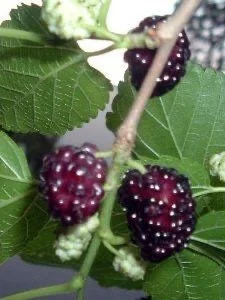
- Q: What kind of fruit do these trees produce? A: They produce sweet, juicy, dark red berries, similar in appearance to blackberries, which are excellent for fresh eating, baking, and preserves. You’ll love to grow red mulberry for these delicious fruits.
- Q: How long until it produces fruit? A: These red mulberry tree seedlings typically begin to produce fruit within 3-5 years of planting, depending on growing conditions.


Reviews
There are no reviews yet.