Overview
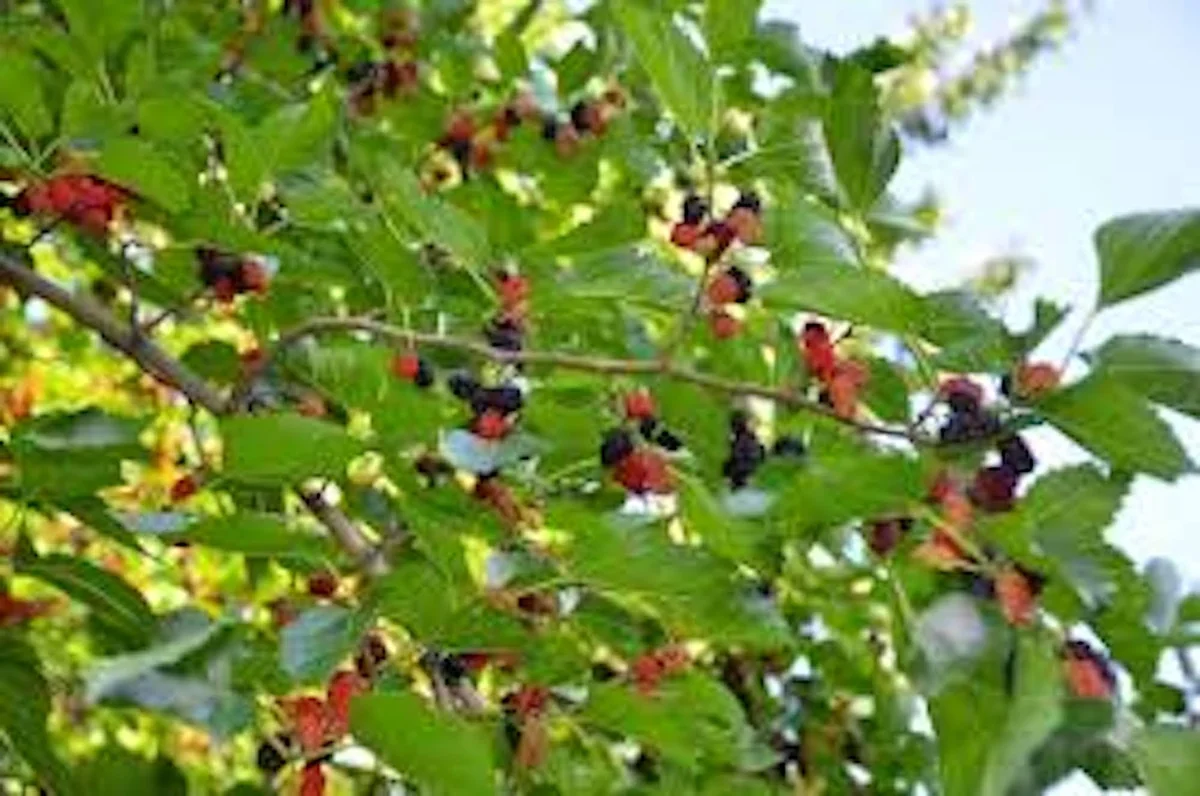
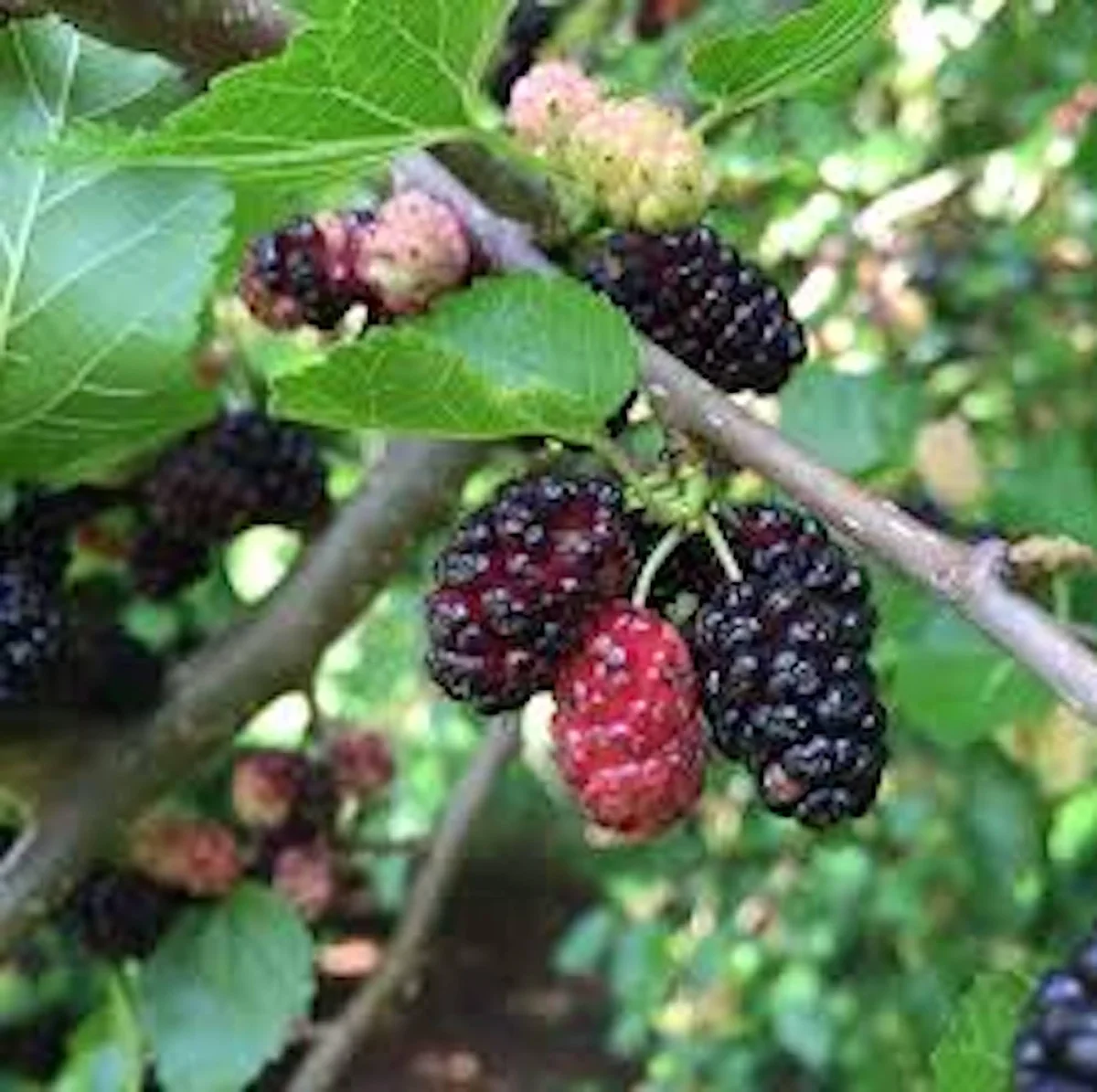
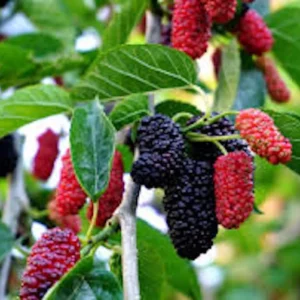
Bring the joy of fresh, homegrown fruit to your landscape with the red mulberry tree. This offering includes 5 young bare root fruit tree specimens of the native North American Morus rubra, each measuring 12-24 inches in height. Known for its rapid growth and abundant, sweet berries, the Red Mulberry is a fantastic addition to any edible garden or naturalized area. These deciduous trees are celebrated not only for their delicious fruit but also for their ecological value, attracting various birds and wildlife. The Red Mulberry is a resilient and adaptable species, thriving in a range of conditions, making it an excellent choice for both experienced gardeners and those new to growing fruit trees.
The Morus rubra, commonly known as the Red Mulberry, is indigenous to Eastern North America and is a true gem among native plants. It’s a robust and long-lived tree that will provide shade, beauty, and a bountiful harvest for many years to come. Planting a red mulberry tree is an investment in your property’s biodiversity and your family’s access to fresh, organic fruit.
Key Benefits
The Red Mulberry offers a multitude of benefits, from its delicious fruit to its ecological contributions. Investing in a morus rubra plant means enjoying a sustainable and rewarding gardening experience.
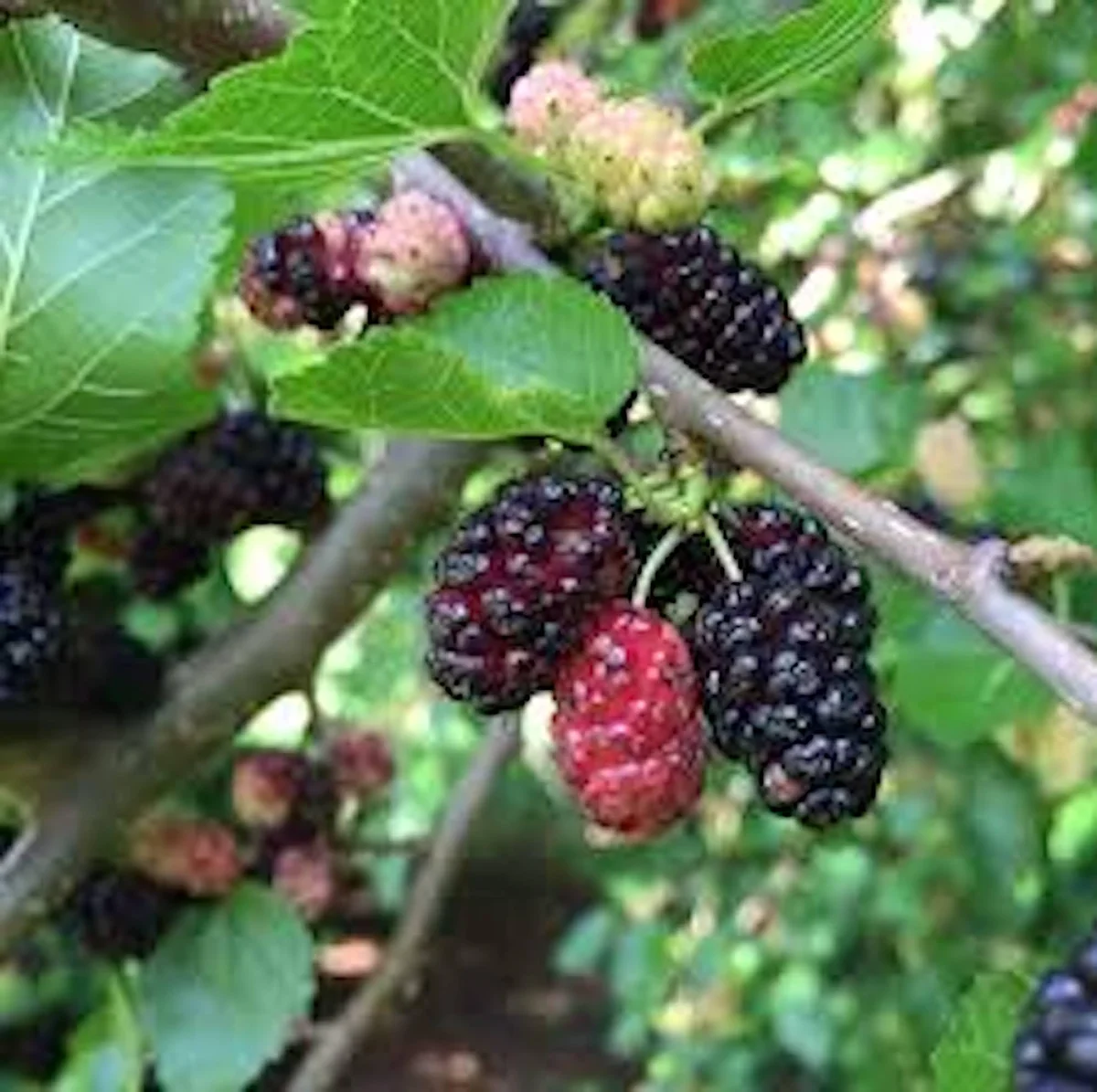
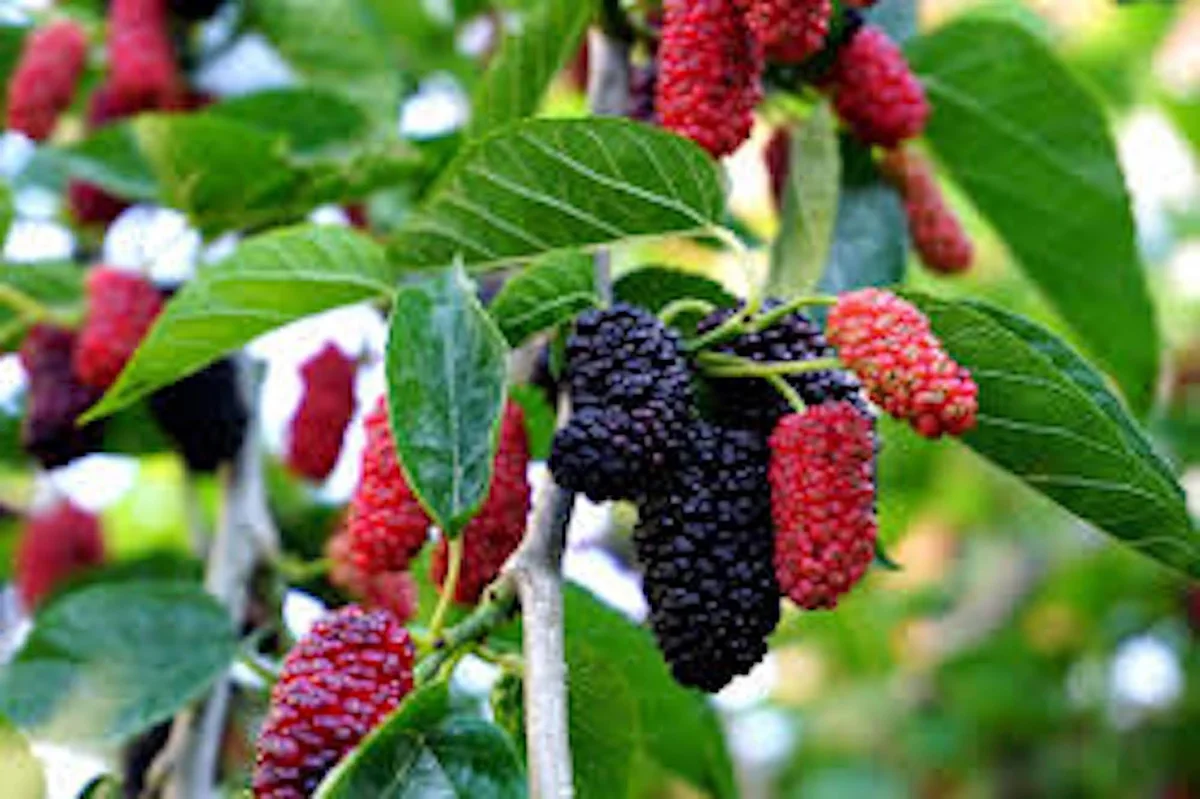
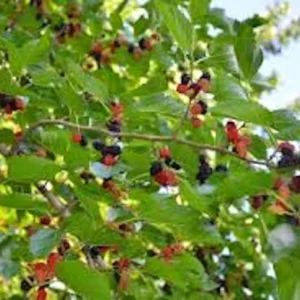
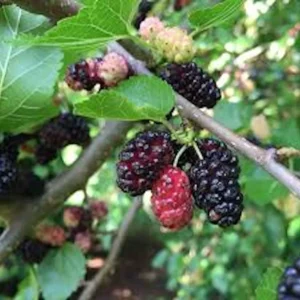
- Abundant, Sweet Fruit: Enjoy a prolific harvest of dark red to black mulberries that are sweet, juicy, and perfect for fresh eating, jams, pies, or preserves. The fruit ripens over an extended period, providing a continuous supply.
- Ecological Value: The berries are a favorite food source for many bird species and other wildlife, making it an excellent choice for supporting local ecosystems and attracting diverse fauna to your yard.
- Adaptable & Resilient: This native tree is highly adaptable to various soil types and climates, tolerating both sun and partial shade. It’s a hardy choice for USDA Zones 4-8, demonstrating excellent resilience.
- Fast Growing Shade Tree: The red mulberry tree grows relatively quickly, establishing itself well and eventually providing significant shade, reaching heights of 30-60 feet at maturity.
- Low Maintenance: Once established, the Red Mulberry is a relatively low-maintenance tree, requiring minimal care beyond basic watering during dry spells and occasional pruning.
- Naturalized & Wild Edibles: Perfect for creating a naturalized area or a food forest, the Red Mulberry contributes to a self-sustaining edible landscape.
Plant Care & Growing Tips
Caring for your red mulberry tree is straightforward, especially given its native resilience. These bare root fruit tree specimens are ready for planting and will establish quickly with proper initial care. The Red Mulberry thrives in well-drained, moist soils but can tolerate a variety of soil conditions, including sandy, loamy, and clay soils. Ensuring good drainage is key to preventing root issues. For optimal growth and fruit production, plant your Red Mulberry in a location that receives full sun, meaning at least 6 hours of direct sunlight per day. While it can tolerate some shade, full sun will yield the best results.
When planting your bare root trees, dig a hole wide enough to accommodate the roots without bending them, and deep enough so the root collar is level with the ground. Backfill with soil, gently tamping down to remove air pockets, and water thoroughly. Consistent watering is crucial during the first year of establishment, especially during dry periods. Once established, the morus rubra plant is fairly drought-tolerant but will benefit from supplemental watering during prolonged dry spells. Fertilization is generally not necessary in rich soils, but a balanced, slow-release fertilizer can be applied in early spring if soil nutrients are low. Pruning can be done in late winter or early spring to remove dead or crossing branches and to shape the tree. Pay attention to common pests and diseases, though the Red Mulberry is generally quite robust.
Understanding mulberry tree care is essential for a successful harvest. These trees are quite hardy, suitable for USDA Zones 4-8, able to withstand cold winters and warm summers. While they are resilient, protecting young trees from deer and other browsing animals can be beneficial. With proper siting and care, your Red Mulberry will become a productive and beautiful part of your landscape.
Size & Details
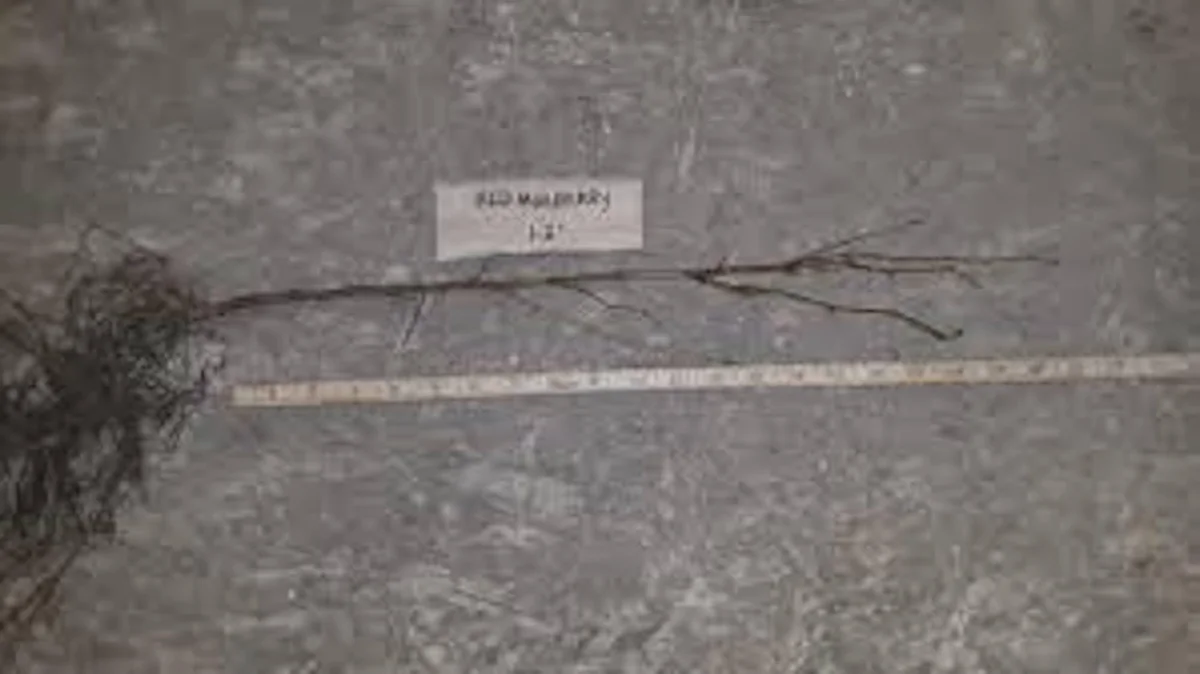
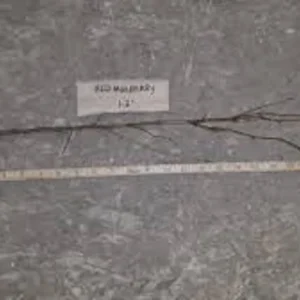
This product includes 5 red mulberry tree specimens, each provided as a bare root plant measuring between 12-24 inches tall. These young trees are ready for planting upon arrival and are perfect for establishing a new fruit-bearing landscape. At maturity, the Morus rubra typically reaches impressive heights of 30-60 feet (9-18 meters) and can spread equally wide, providing ample shade and a significant harvest of red mulberry fruit. The growth rate is moderate to fast, allowing you to enjoy substantial development within a few years.
These trees are shipped bare root, meaning they are dormant and without soil, which is the ideal way to transport and plant deciduous trees during their resting phase. This method encourages strong root development once planted. Expect the trees to begin leafing out and establishing themselves once planted in appropriate conditions, typically in spring or early summer. They will begin producing fruit within a few years of planting, with yields increasing as the tree matures.
Frequently Asked Questions
- Q: How big does this plant get? A: The red mulberry tree is a medium to large deciduous tree, typically reaching heights of 30-60 feet (9-18 meters) at maturity with a similar spread.
- Q: What size are the plants shipped? A: You will receive 5 bare root Red Mulberry plants, each measuring 12-24 inches tall.
- Q: Is this an indoor or outdoor plant? A: The Red Mulberry is an outdoor tree, ideal for landscaping and fruit production in USDA Zones 4-8. It is not suitable for indoor cultivation.
- Q: How much sunlight does it need? A: For the best growth and fruit production, the morus rubra plant requires full sun, meaning at least 6 hours of direct sunlight per day. It can tolerate partial shade but may produce less fruit.
- Q: Is this plant easy to care for? A: Yes, mulberry tree care is generally considered easy. Once established, the Red Mulberry is quite hardy and low-maintenance, making it a good choice for various gardening skill levels.
- Q: What condition will it arrive in? A: The trees will arrive as bare root plants, meaning they are dormant and without soil. This is a standard and effective method for shipping deciduous trees.
- Q: When is the best time to plant a bare root fruit tree? A: The ideal time to plant bare root trees is in early spring, after the last hard frost but before the tree breaks dormancy and begins to leaf out.
- Q: Will it survive winter in my zone? A: The Red Mulberry is hardy in USDA Zones 4-8, meaning it is well-equipped to survive the winters in these regions.
- Q: Can I expect fruit the first year? A: While it’s possible for a young red mulberry tree to produce a small amount of fruit in its first years, significant fruit production typically begins after 2-5 years as the tree matures.
- Q: What are the benefits of planting a bare root fruit tree? A: Planting a bare root tree allows for better root establishment, often results in faster growth, and is generally more cost-effective than purchasing potted trees. It’s also an excellent way to get a head start on growing your own red mulberry fruit.


Reviews
There are no reviews yet.