Overview
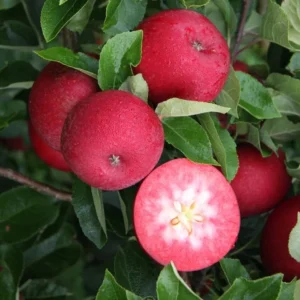
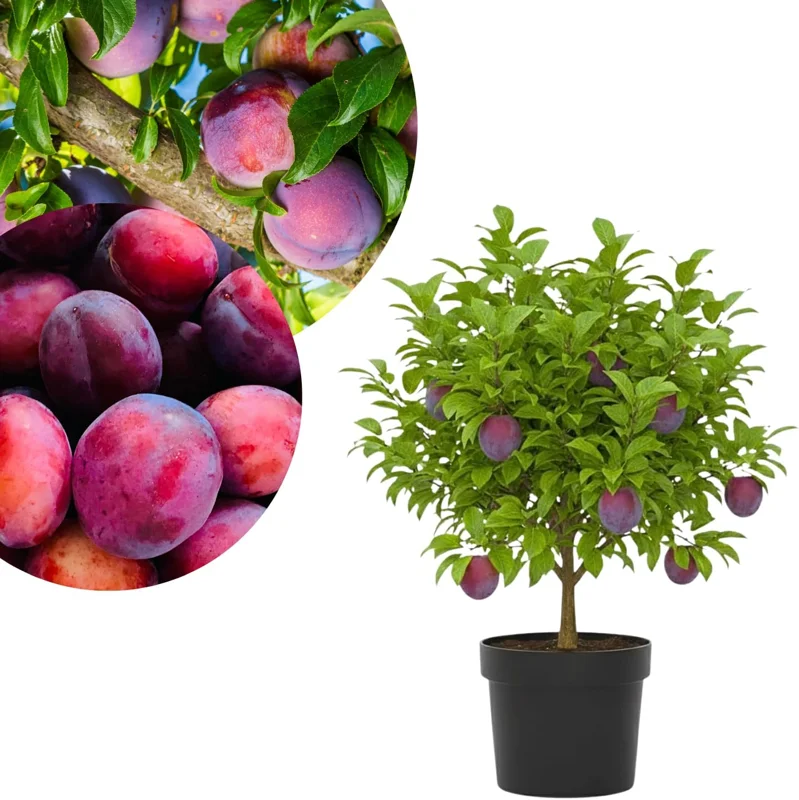
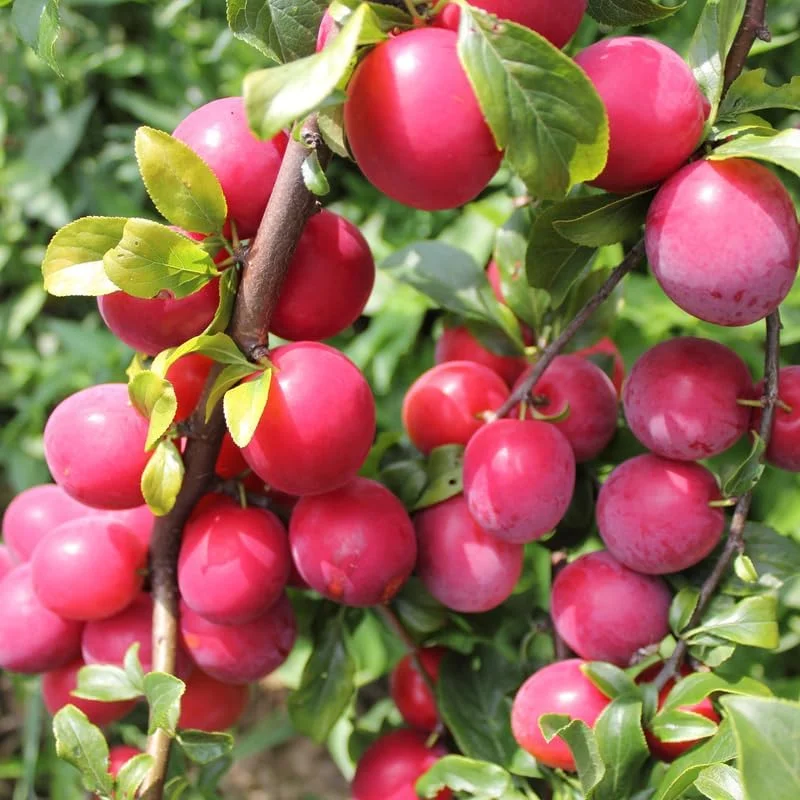
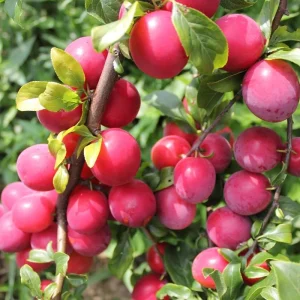
Introduce a touch of orchard charm to your landscape with this vibrant plum tree live plant. This offering is for a healthy, well-rooted seedling, typically 2-3 years old and standing 2-3 feet tall, making it an ideal candidate for immediate transplanting into your garden or a suitable container. Known for its robust growth and delightful fruit, this variety promises to be a rewarding addition for both novice and experienced gardeners. Imagine the beauty of its attractive spring flowers, followed by the anticipation of a bountiful harvest of juicy red plums. This particular selection is a sweet red plum tree, celebrated for its delicious flavor and versatility in various growing environments. Whether you’re looking to start a small home orchard or simply add an ornamental fruiting tree to your patio, this young plum tree offers an excellent foundation for future success.
Plum trees, scientifically known as Prunus domestica, are deciduous fruit trees cherished worldwide. They are relatively easy to care for and can provide years of enjoyment and fresh produce. Our seedlings are carefully nurtured to ensure they arrive sturdy and ready to thrive in their new home. You’ll receive a plant that has established roots, prepared to quickly adapt and begin its journey towards maturity. Cultivating your own fruit offers an unparalleled experience, from watching the delicate blossoms emerge to savoring the sweet, ripe fruit straight from the branch. This red plum seedlings plant is a fantastic choice for anyone keen on sustainable living or simply enjoying the freshest possible fruit.
Key Benefits
Investing in a plum tree live plant brings numerous advantages beyond just delicious fruit. These trees offer aesthetic beauty, ecological benefits, and the satisfaction of growing your own produce. Here are some key benefits:
- Homegrown Sweet Red Plums: Experience the unparalleled taste of fresh, organic sweet red plum tree fruit right from your backyard. Homegrown plums are often more flavorful and nutritious than store-bought varieties.
- Attractive Ornamental Value: Beyond its fruit, the plum tree provides significant visual appeal. It produces stunning white or pink blossoms in spring, transforming your garden into a picturesque haven before the foliage fully develops.
- Versatile Planting Options: This plum tree is adaptable for various settings. It can be successfully grown in large containers on patios or balconies, making it suitable for smaller spaces, or planted directly in garden beds for a more traditional orchard setup.
- Established & Ready to Grow: Shipped as a 2-3 year old, well-rooted seedling, your plant is past the most fragile stage and ready for vigorous growth. This ensures a higher success rate for transplanting and faster establishment.
- Wildlife Attraction: The flowers attract pollinators like bees, contributing to local biodiversity, while the fruit, if left unpicked, can provide a food source for birds and other wildlife.
- Long-Term Investment: A well-cared-for plum tree can produce fruit for many years, offering a sustainable source of fresh produce and a beautiful living landscape feature that increases in value over time.
- Educational Opportunity: growing plum trees can be a wonderful educational experience for families, teaching about plant life cycles, fruit production, and sustainable gardening practices.
Plant Care & Growing Tips
Proper care is essential for a thriving plum tree live plant that consistently produces delicious fruit. Understanding its needs will ensure a healthy, productive tree for years to come. This sweet red plum tree thrives in specific conditions that mimic its natural habitat.
Sunlight Requirements: Plum trees require a location with full sun, meaning at least 6-8 hours of direct sunlight per day. Adequate sunlight is crucial for fruit development and overall tree health. While young red plum seedlings can tolerate some partial shade, consistent full sun exposure will yield the best results for fruit production and prevent disease. Ensure your chosen planting site is not overshadowed by buildings or larger trees.
Watering & Soil: This plum tree needs moderate watering, especially during dry spells and when it’s establishing itself. The soil should be consistently moist but never waterlogged. Good drainage is paramount; plum trees do not tolerate ‘wet feet.’ A well-draining, loamy soil rich in organic matter is ideal. Before planting, amend heavy clay soils with compost or sand to improve drainage, and sandy soils with compost to enhance water retention. The pH preference for plum trees is typically between 6.0 and 6.8. Regularly check soil moisture by feeling a few inches down; if it’s dry, it’s time to water. Mulching around the base of the tree can help retain soil moisture, regulate temperature, and suppress weeds.
Temperature & Hardiness: Plum trees are generally hardy and can withstand a range of temperatures, but specific varieties have different hardiness zones. While the exact USDA zone for this particular plum tree live plant is unknown from the provided data, most red plum varieties thrive in USDA Zones 5-9. They require a certain number of chilling hours (periods of cold temperatures below 45°F/7°C) during winter to break dormancy and produce fruit. In colder zones, protect young trees from harsh winter winds. In warmer zones, choose a spot that might offer a slight reprieve from intense afternoon sun during heatwaves. Young trees, especially red plum seedlings, can be sensitive to extreme temperature fluctuations.
Fertilization & Pruning: Fertilize your plum tree in early spring before new growth begins, using a balanced fruit tree fertilizer or a slow-release granular product. Follow package instructions for application rates based on the tree’s age and size. Avoid over-fertilizing, which can promote excessive leafy growth at the expense of fruit production. Pruning is vital for maintaining the tree’s shape, promoting air circulation, and encouraging fruit production. Prune in late winter or early spring while the tree is dormant. Remove any dead, diseased, or crossing branches. Thinning fruit can also improve the size and quality of the remaining plums. When growing plum trees, understanding these practices will lead to a healthier and more productive tree.
Size & Details
This offering is for a single plum tree live plant, which is a vigorous seedling approximately 2-3 years old at the time of shipment. The plant typically stands between 2-3 feet tall, making it an excellent size for safe transport and successful transplanting. It arrives well-rooted, ensuring a strong start in its new environment. These trees are versatile and can be grown either in large containers, requiring a pot with good drainage and ample space for root growth, or directly in the ground. When mature, this sweet red plum tree variety is expected to reach a height of 10-15 feet, forming a moderately sized tree suitable for most home gardens. The growth rate is moderate, meaning you can expect noticeable progress each season.
The plant is shipped dormant during winter months, which means it will have no leaves. This is a natural and healthy state for deciduous trees and ensures they handle the stress of shipping better. Upon arrival, you’ll find a sturdy plant with an established root system, ready to be planted. It will produce attractive spring flowers before leafing out. While the exact time to first fruit can vary based on growing conditions and care, plum trees typically begin bearing fruit within 3-6 years of planting. This plum tree live plant is a long-term investment that will reward your patience with delicious harvests.
Frequently Asked Questions
- Q: How big does this plum tree get? A: This plum tree live plant is shipped at 2-3 feet tall and is expected to reach a mature height of 10-15 feet. Its spread will be similar, creating a lovely, medium-sized fruit tree for your garden or a large container.
- Q: Is this an indoor or outdoor plant? A: This is an outdoor fruit tree. It requires full sun exposure and the natural seasonal changes of an outdoor environment, including a chilling period, to produce fruit. It is not suitable for continuous indoor growing.
- Q: How much sunlight does a sweet red plum tree need? A: For optimal growth and fruit production, your sweet red plum tree needs a location that receives at least 6-8 hours of direct sunlight per day. Full sun exposure is critical for developing sweet, juicy plums.
- Q: What condition will the plant arrive in? A: You will receive a sturdy, well-rooted red plum seedlings plant. During winter months, it will arrive dormant without leaves, which is normal for deciduous trees and ensures better transplant success. It will leaf out and bloom in spring.
- Q: Is this plant easy to care for? A: growing plum trees is considered moderately easy. With proper planting, consistent watering, full sun, and annual pruning, it can thrive. It’s a rewarding project for gardeners of all experience levels.
- Q: When is the best time to plant this plum tree? A: The best time to plant dormant fruit trees like this plum tree is in early spring or late fall when the tree is not actively growing. This reduces transplant shock and allows the roots to establish before extreme temperatures.
- Q: What type of soil does it prefer? A: This plum tree prefers well-draining, loamy soil that is rich in organic matter. Good drainage is crucial, as plum trees do not tolerate waterlogged conditions. A slightly acidic to neutral pH (6.0-6.8) is ideal.
- Q: How long until it produces fruit? A: While this plum tree live plant is 2-3 years old, it typically takes 3-6 years from planting for plum trees to begin consistent fruit production. Patience will be rewarded with delicious harvests.
- Q: Will it survive winter in my zone? A: Plum trees generally thrive in USDA Hardiness Zones 5-9. If you are in a colder zone, ensure proper winter protection. In warmer zones, ensure it receives enough chilling hours during winter.
- Q: Can I grow this red plum seedlings in a pot? A: Yes, this plum tree can be grown in a large container. Choose a pot with excellent drainage and at least 20-25 gallons in size to accommodate its root system as it grows. Container-grown trees may require more frequent watering and feeding.


Reviews
There are no reviews yet.