Overview
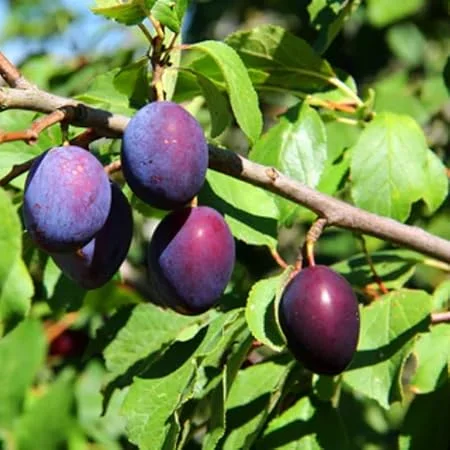
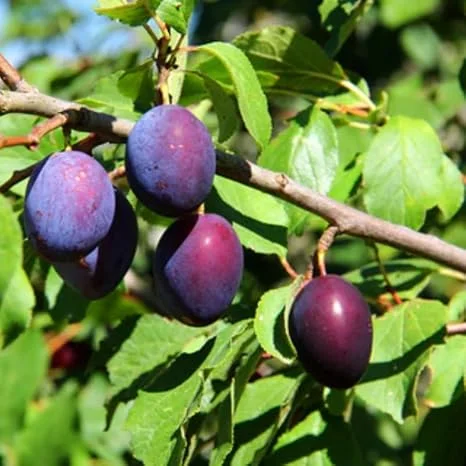
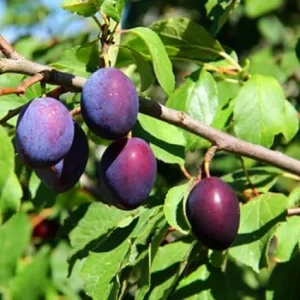
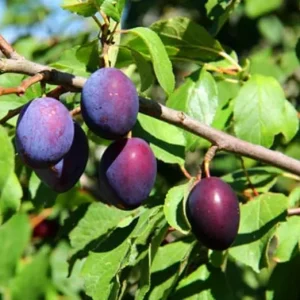
Introducing the magnificent red plum tree live plant, a fantastic addition to any home orchard or edible landscape. This robust specimen arrives as a 3-foot tall, well-rooted, bare root plant, perfectly dormant and prepared for successful planting. Known for its vigorous growth and abundant yield, this plum tree promises to transform your garden into a haven of fresh, juicy fruit. Whether you’re an experienced gardener or just starting your fruit tree journey, this hardy variety offers a rewarding experience, culminating in bountiful harvests of sweet, red-purple plums. Its adaptability and ease of care make it a popular choice for gardeners across various climates, ensuring that anyone can enjoy the delight of homegrown fruit.
Cultivating your own fruit trees provides not only fresh produce but also a deeper connection to nature and a beautiful enhancement to your property. This particular red plum tree live plant is selected for its superior fruit quality and resilience, making it a reliable choice for long-term enjoyment. Imagine stepping into your backyard and picking succulent plums directly from the branch – a truly satisfying experience that this tree can provide. Its natural beauty, coupled with its productive nature, makes it an invaluable asset to any garden, offering both aesthetic appeal and delicious, healthy food.
Key Benefits
Investing in a high-quality red plum tree live plant brings a multitude of benefits, from enhancing your landscape to providing a constant supply of fresh, organic fruit. This tree is designed to thrive and deliver exceptional results:
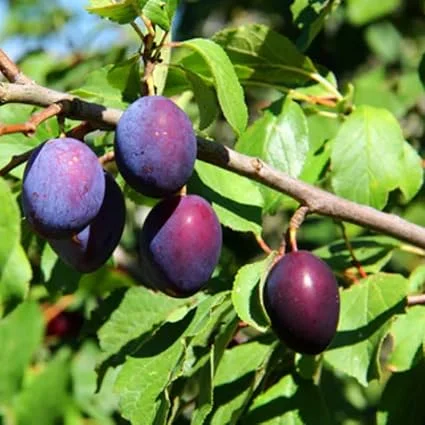
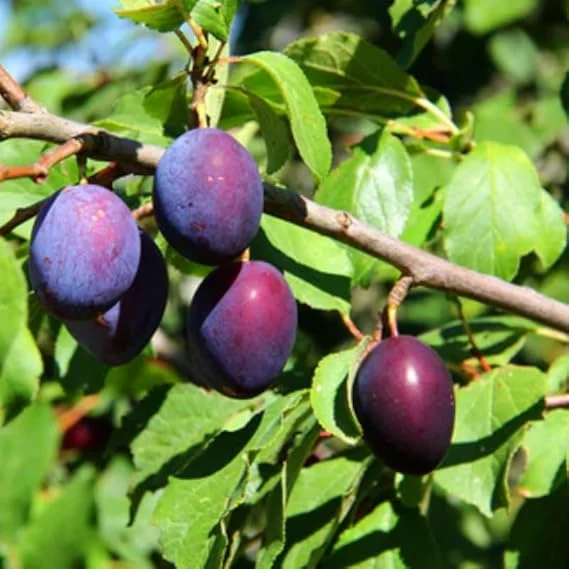
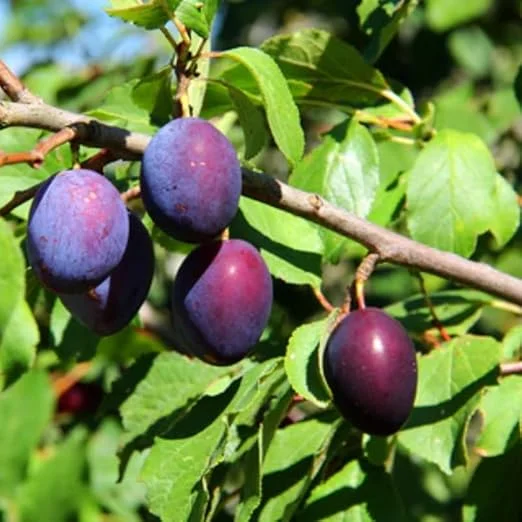
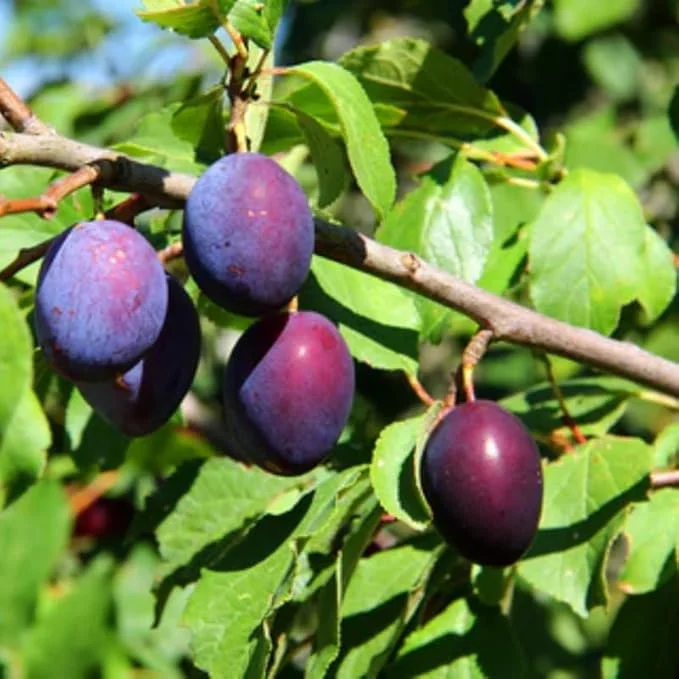
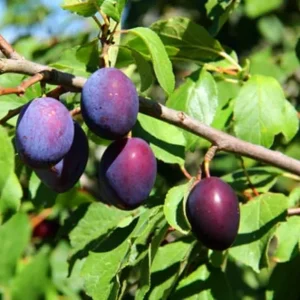
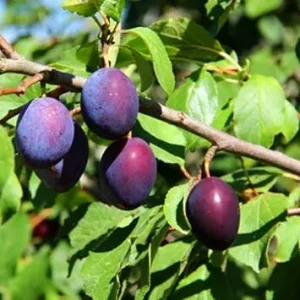
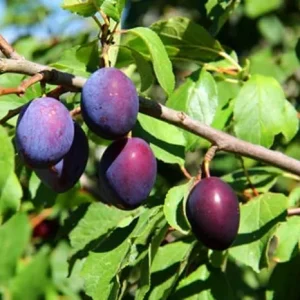
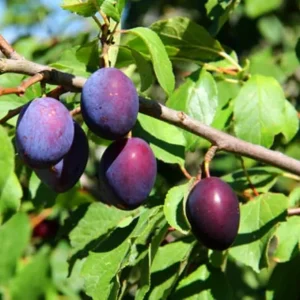
- Abundant Sweet Fruit: This variety is celebrated for its large, red-purple plums that are exceptionally sweet and juicy. Enjoy fresh plums right from your garden, perfect for eating, baking, or preserving. Growing your own sweet plum fruit tree ensures you have access to the freshest produce possible.
- Hardy and Resilient Growth: Thrives in USDA Zones 5-9, making it suitable for a wide range of climates. This hardy plum variety is known for its ability to withstand varying temperatures and conditions, ensuring a successful establishment and long life.
- Beautiful Spring Blooms: Each spring, the tree adorns itself with fragrant white-pink blossoms, adding ornamental value to your garden even before the fruit appears. These beautiful flowers also attract pollinators, benefiting your entire garden ecosystem.
- Ideal for Home Orchards: A fast-growing fruit tree that is perfect for backyard growers, edible landscapes, and small orchards. Its manageable size and productive nature make it an excellent choice for those looking to start or expand their fruit collection.
- Shipped Dormant and Bareroot: Arrives as a bare root plum tree, ensuring it’s well-rooted and ready for planting. Shipping dormant minimizes transplant shock and allows the tree to focus its energy on root development once planted, promoting vigorous growth in its new home.
- Aesthetic Appeal: Beyond its fruit, the tree itself is a beautiful landscape feature, offering seasonal interest with its spring flowers, lush summer foliage, and vibrant autumn colors.
- Health Benefits: Fresh plums are packed with vitamins, antioxidants, and fiber, contributing to a healthy diet. Growing your own ensures pesticide-free produce for your family.
Plant Care & Growing Tips
Ensuring the success of your red plum tree live plant requires attention to a few key care aspects. When planting your 3 foot plum tree, choose a site that receives full sun, meaning at least 6-8 hours of direct sunlight per day. Good air circulation is also important to prevent fungal diseases. Dig a hole that is wide enough to accommodate the roots without bending them, and deep enough so that the graft union (the slightly swollen area on the trunk) is a few inches above the soil line. For optimal growth of your hardy plum variety, ensure the soil is well-draining and rich in organic matter. A slightly acidic to neutral pH (6.0-7.0) is ideal. If your soil is heavy clay, amend it with compost or other organic materials to improve drainage.
Watering is crucial, especially during the first few years as the tree establishes. Provide deep watering regularly, ensuring the soil remains consistently moist but not waterlogged. Once established, the tree will be more drought-tolerant, but supplemental watering during dry spells will promote better fruit production. Fertilize in early spring with a balanced fruit tree fertilizer, following package directions. Pruning is best done in late winter while the tree is still dormant. Focus on removing any dead, damaged, or diseased branches, as well as any crossing branches to improve air circulation and light penetration. This also helps shape the tree and encourages strong fruit-bearing wood, ensuring your sweet plum fruit tree remains productive.
Protect your young bare root plum tree from pests and diseases by monitoring regularly and addressing issues promptly. Using organic pest control methods and practicing good garden hygiene can prevent many problems. During winter, especially in the colder parts of its hardiness range, consider protecting the trunk of young trees from sunscald and rodent damage with tree guards. With proper care, your red plum tree will flourish, providing years of delicious fruit and beautiful seasonal interest.
Size & Details
This offering is for one red plum tree live plant, which arrives as a well-rooted, bare root plum tree, approximately 3 feet tall. Shipped dormant, it will have no leaves upon arrival, allowing all its energy to be focused on root development and successful establishment in your garden. This 3 foot plum tree is a juvenile tree, ready for planting and will begin to establish itself quickly once placed in suitable soil and conditions. Expect moderate to fast growth once established, with fruit production typically beginning within 2-4 years. The mature size of this hardy plum variety will vary depending on growing conditions and pruning practices, but it can reach heights of 15-20 feet with a similar spread, making it a substantial and productive addition to any landscape. The tree is ideal for creating a small home orchard or integrating into an existing edible garden design.
Frequently Asked Questions
- Q: How big does this red plum tree live plant get? A: This plum tree typically grows to a height of 15-20 feet with a similar spread at maturity, depending on pruning and growing conditions. It arrives as a 3-foot tall bare root plant, ready for establishment.
- Q: What condition will the bare root plum tree arrive in? A: The tree will arrive dormant and bareroot, meaning it will not have leaves. This is the ideal state for planting as it minimizes transplant shock and allows the tree to focus on root development in its new environment.
- Q: How much sunlight does this sweet plum fruit tree need? A: For optimal growth and fruit production, this red plum tree requires full sun, which means at least 6-8 hours of direct sunlight per day.
- Q: Is this hardy plum variety suitable for beginners? A: Yes, this is considered a relatively easy-to-grow and hardy plum variety, making it a good choice for both experienced and novice gardeners looking to grow their own fruit.
- Q: When is the best time to plant my 3 foot plum tree? A: The best time to plant a bare root plum tree is in late winter or early spring, after the danger of hard frost has passed but before the tree breaks dormancy.
- Q: What USDA Zones is this plum tree hardy in? A: This red plum tree is hardy in USDA Zones 5-9, meaning it can tolerate a wide range of winter temperatures.
- Q: How long until this plum tree produces fruit? A: Typically, this red plum tree will begin to produce fruit within 2-4 years after planting, with increasing yields as it matures.
- Q: What kind of soil does this plum tree prefer? A: It thrives in well-draining soil that is rich in organic matter. A slightly acidic to neutral soil pH (6.0-7.0) is ideal for healthy growth and fruit production.
- Q: Do I need more than one plum tree for fruit production? A: While some plum varieties are self-fertile, having another plum tree nearby can often improve pollination and increase fruit yield, even for self-fertile types.
- Q: How often should I water my newly planted red plum tree? A: For the first year or two, water regularly and deeply, ensuring the soil remains consistently moist but not waterlogged. Reduce frequency as the tree establishes, but continue to water during dry periods.


Reviews
There are no reviews yet.