Overview
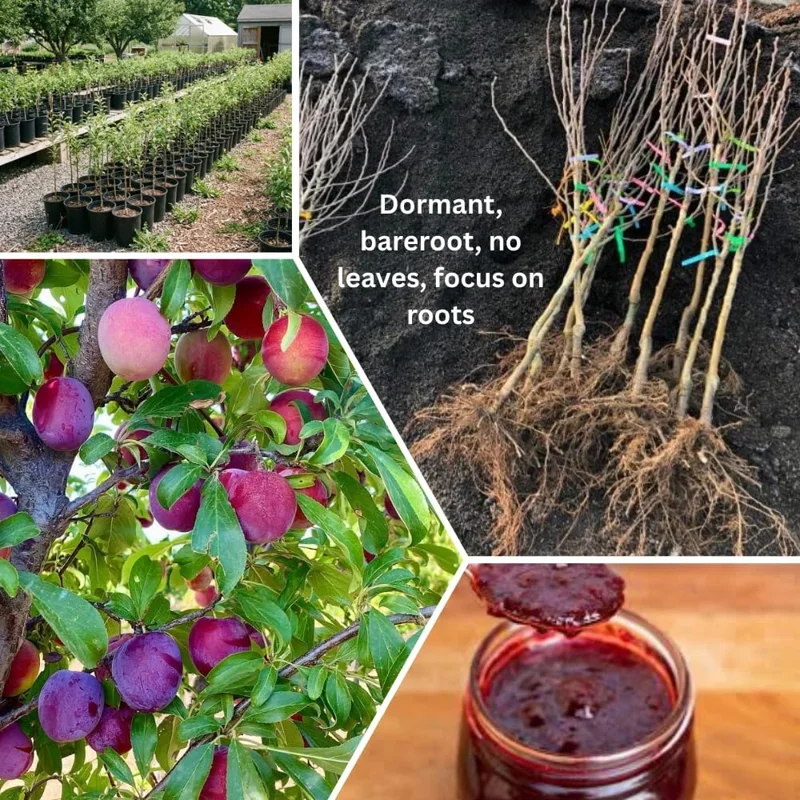
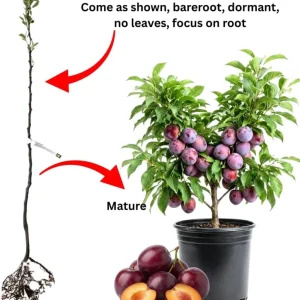
Bring the joy of fresh, juicy fruit to your backyard with this robust red plum tree. This plum tree live plant arrives as a well-rooted, 3-foot tall bareroot specimen, dormant and ready for planting in your garden. Known for its exceptional hardiness and bountiful yields, this particular red plum variety is a favorite among home gardeners. It’s an ideal choice for establishing a thriving home orchard, providing not only delicious fruit but also ornamental beauty with its fragrant spring blossoms. Planting a red plum tree allows you to enjoy the unparalleled taste of homegrown plums, free from commercial treatments, right from your own trees.
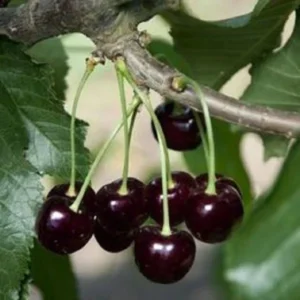
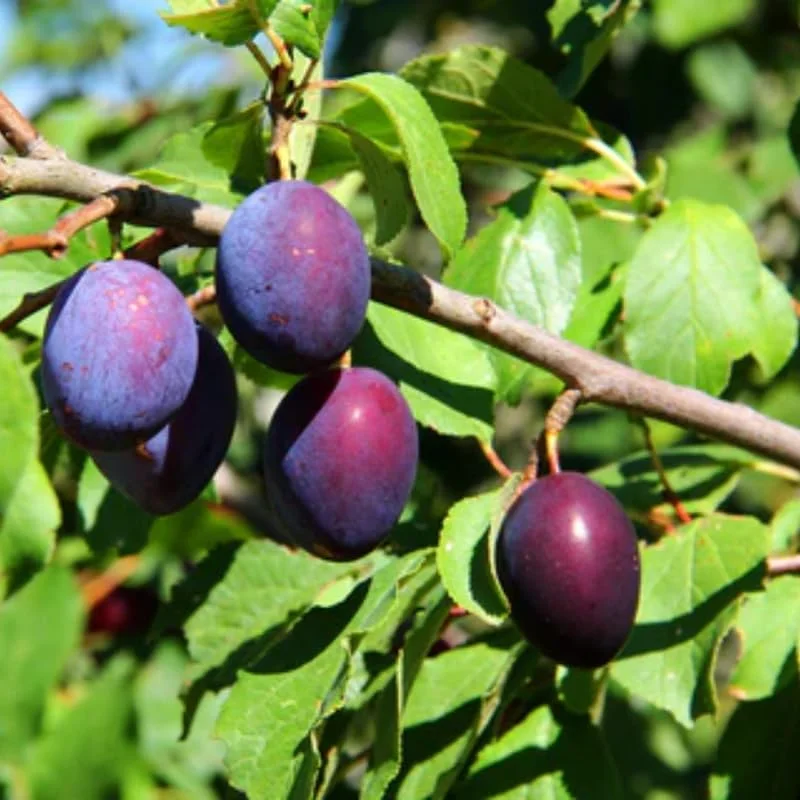
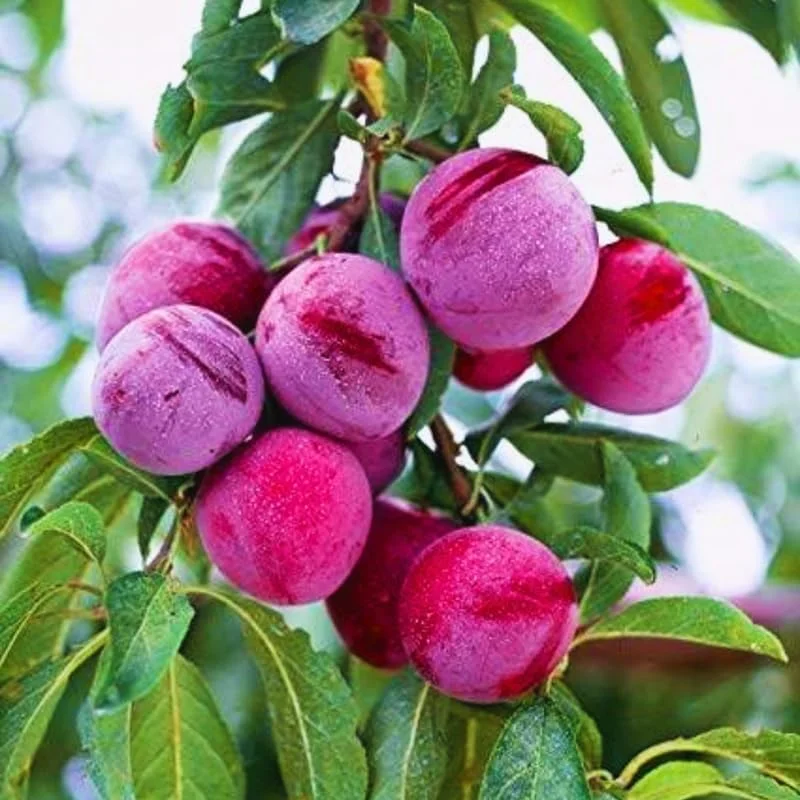
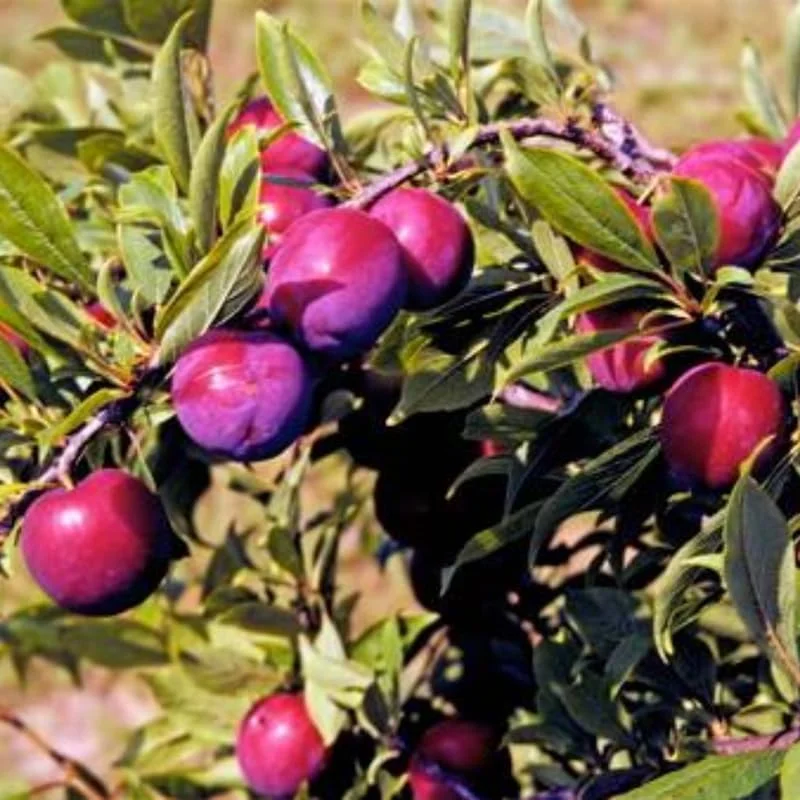
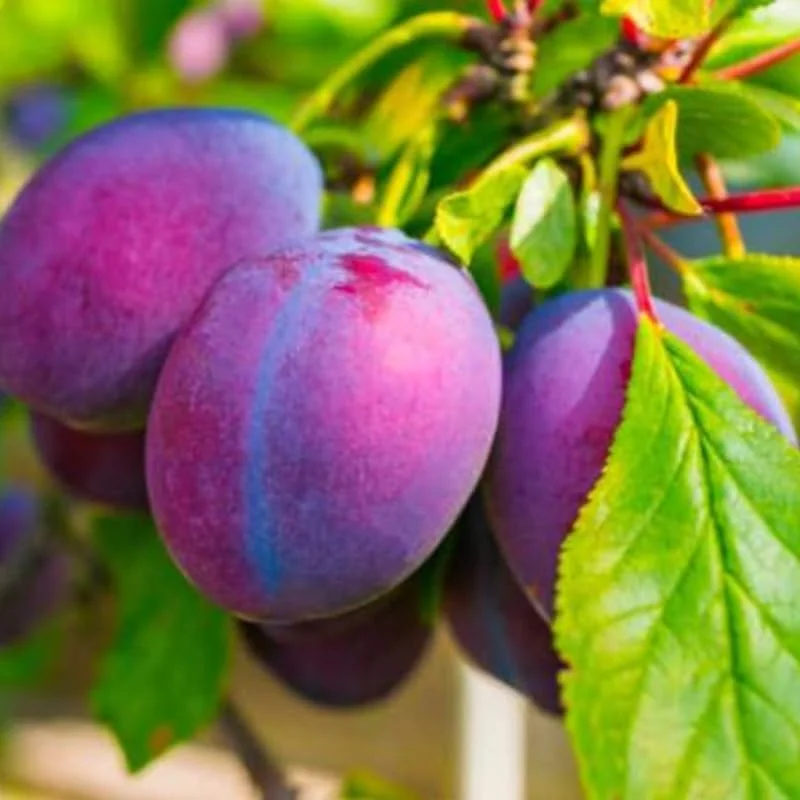
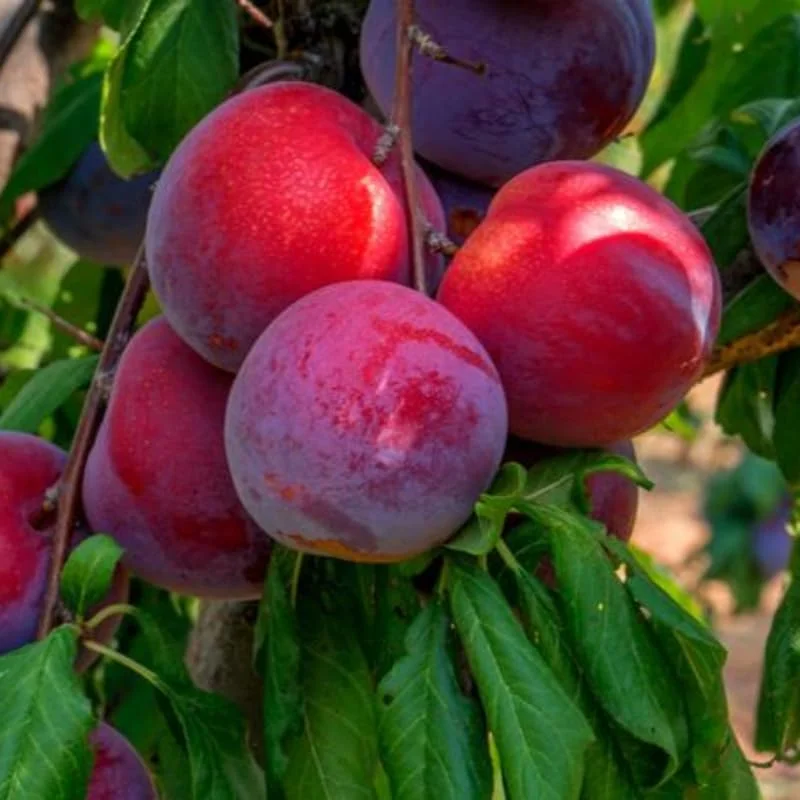
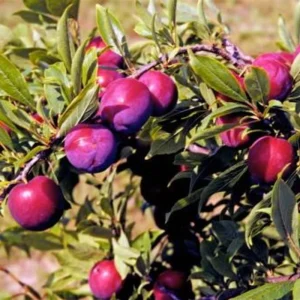
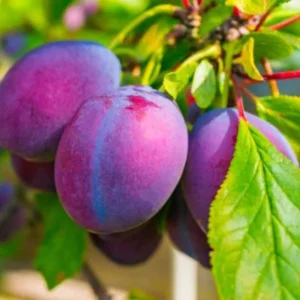
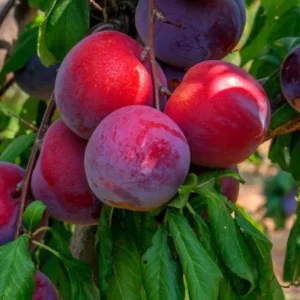
This vigorous hardy plum variety is designed for success in a range of climates, making it a reliable addition to many landscapes. When fully mature, it will consistently produce large, red-purple plums that are wonderfully sweet and juicy, perfect for eating fresh, baking, or preserving. Starting with a 3-foot tall bareroot plant ensures a strong foundation for future growth, allowing the tree to establish quickly and begin its journey toward fruit production. Embrace sustainable gardening and the satisfaction of harvesting your own sweet plum fruit with this exceptional tree.
Key Benefits
Growing your own red plum tree offers numerous advantages, from fresh produce to enhancing your garden’s aesthetic appeal:
- Abundant Harvest of Sweet Plum Fruit: Enjoy a consistent supply of large, red-purple plums known for their incredibly sweet and juicy flavor. Perfect for fresh eating, jams, pies, or preserves, providing a delightful culinary experience directly from your garden. This red plum tree is specifically chosen for its premium fruit quality.
- Hardy and Resilient Growth: This hardy plum variety thrives in USDA Zones 5–9, exhibiting excellent resistance to common pests and diseases. It’s a reliable performer, adapting well to various environmental conditions and ensuring a strong, healthy tree for years to come, making it a great choice for a fruit tree for home orchard.
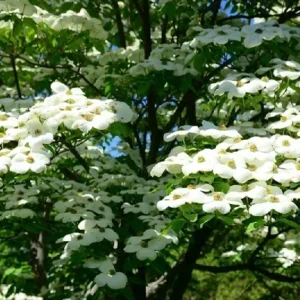
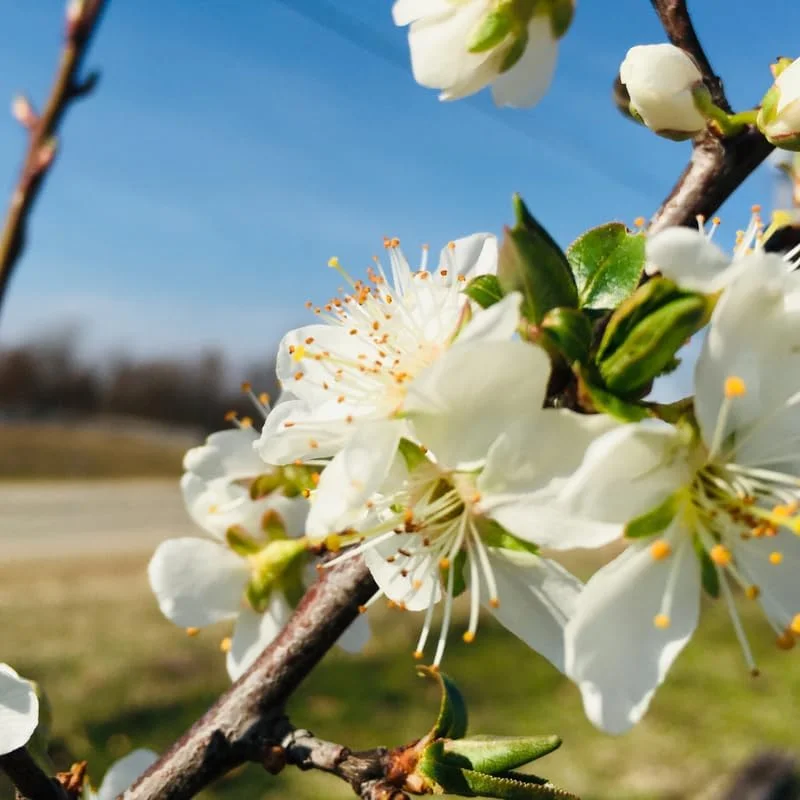
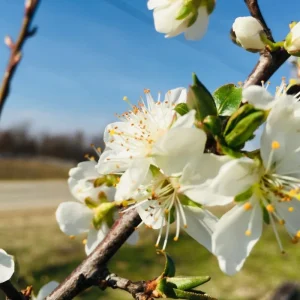
- Beautiful Spring Blooms: Each spring, the tree adorns itself with a stunning display of fragrant white-pink blossoms. These delicate flowers not only add significant ornamental value to your landscape but also attract beneficial pollinators, contributing to a healthy garden ecosystem.
- Ideal for Home Orchards: As a fast-growing fruit tree, it’s perfectly suited for backyard growers, edible landscapes, and small orchards. Its manageable size and productive nature make it an excellent choice for those looking to cultivate their own fruit supply.
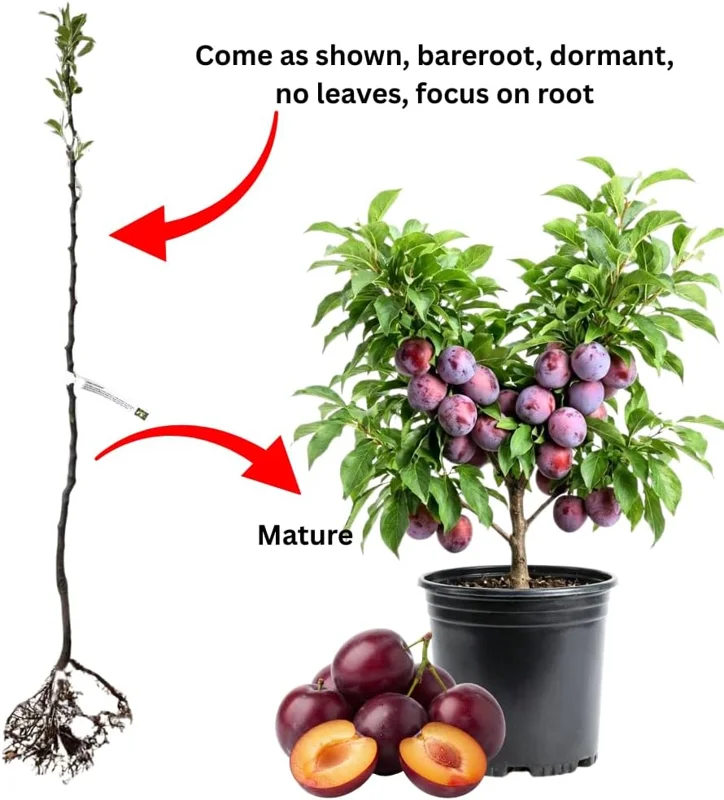
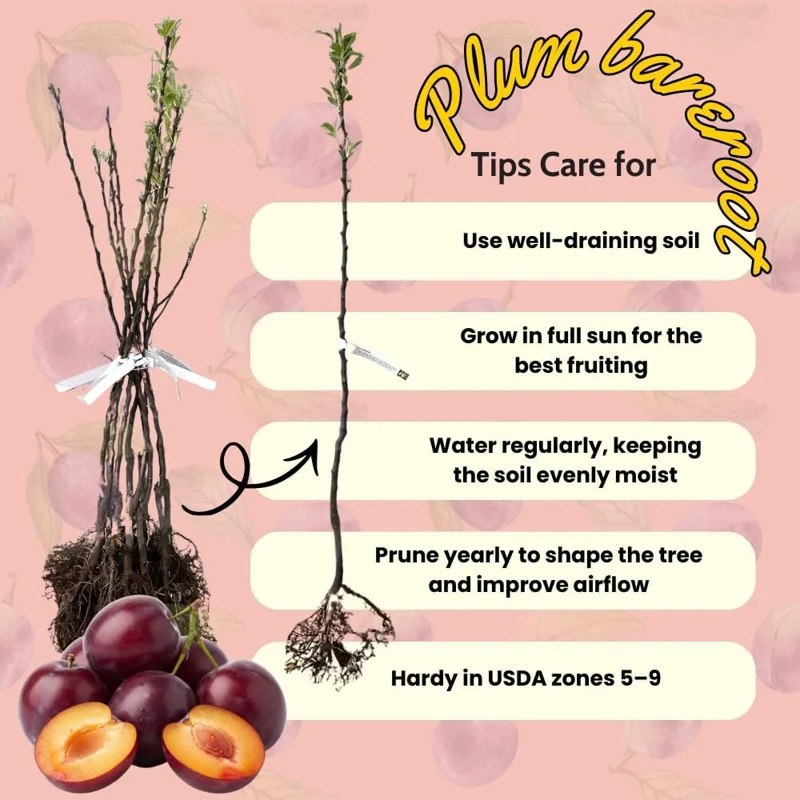
- Bareroot for Strong Establishment: Shipped as a bareroot plant, this plum tree live plant is optimized for successful transplanting. Bareroot trees typically establish faster and develop a robust root system more efficiently than potted alternatives, promoting vigorous growth from the start.
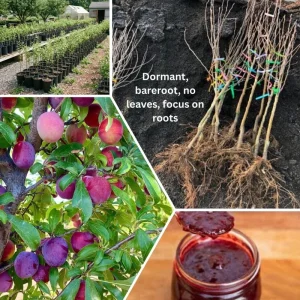
- Dormant for Easy Planting: Arriving dormant in winter with no leaves, the plant focuses its energy on root development immediately after planting. This ensures minimal transplant shock and a strong start for your new tree, ready to burst forth with life in the spring.
Plant Care & Growing Tips
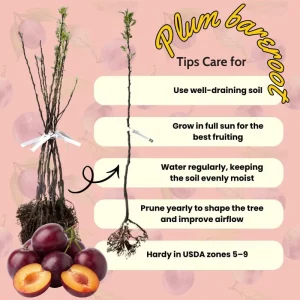
Caring for your red plum tree is straightforward, ensuring a healthy, productive plant for many years. This hardy plum variety prefers a location that receives full sun, meaning at least 6-8 hours of direct sunlight per day. Adequate sunlight is crucial for fruit production and overall tree health. While it is dormant upon arrival, proper planting in early spring will set the stage for vigorous growth. Dig a hole twice as wide as the root spread and just as deep, ensuring the root collar is level with the ground. Spread the roots out evenly and backfill with well-draining soil, gently tamping to remove air pockets.
Red plum tree requires moderate watering, especially during its first growing season to help establish a strong root system. Once established, it can tolerate some drought but will perform best with consistent moisture, particularly during fruit development. Avoid overwatering, which can lead to root rot; the soil should be moist but not waterlogged. Plum trees prefer well-draining, fertile loam soil with a slightly acidic to neutral pH. Incorporating organic matter into the planting hole can improve soil structure and nutrient availability. Fertilize in early spring with a balanced fruit tree fertilizer, following package directions. Pruning should be done in late winter while the tree is dormant, focusing on removing dead, damaged, or crossing branches, and shaping the tree for optimal fruit production and air circulation. Pay attention to common plum tree pests and diseases, and address them promptly with organic or conventional solutions as needed to maintain the health of your plum tree live plant.
Size & Details
This red plum tree arrives as a robust 3-foot tall bareroot specimen, carefully prepared for optimal planting and growth. As a bareroot plant, it will be dormant with no leaves, focusing all its energy on developing a strong root system in its new home. Once established, this hardy plum variety is a fast-growing fruit tree, typically reaching a mature height of 15-20 feet with a similar spread, depending on pruning and growing conditions. It is ideal for a fruit tree for home orchard settings, providing ample space for its development. The tree is ready for planting upon arrival, ideally in early spring.
Expect the tree to begin producing sweet plum fruit within 3-5 years after planting, with yields increasing as the tree matures. The plums are large, with a distinct red-purple hue and a wonderfully sweet, juicy flesh. This variety is known for its reliability and consistent production when given proper care. It thrives in USDA Hardiness Zones 5–9, making it suitable for a wide range of climates across the US. Its moderate moisture needs and preference for full sun contribute to its overall hardiness and ease of care, ensuring a rewarding experience for any gardener looking to grow a red plum tree.
Frequently Asked Questions
- Q: How big does this red plum tree get at maturity? A: This red plum tree typically reaches a mature height of 15-20 feet and a similar spread. Its ultimate size can be managed with proper pruning, making it versatile for various garden spaces.
- Q: What condition will the plum tree live plant arrive in? A: The plum tree live plant will arrive as a 3-foot tall bareroot specimen. This means it will be dormant, without leaves, and focused on its root structure, which is ideal for successful transplanting.
- Q: Is this a hardy plum variety for my climate? A: Yes, this is a very hardy plum variety, thriving in USDA Hardiness Zones 5–9. If your region falls within these zones, it should perform well, tolerating warm summers and mild winters.
- Q: How much sunlight does this fruit tree for home orchard need? A: This plum tree requires full sun, meaning at least 6-8 hours of direct sunlight per day. Ample sunlight is essential for healthy growth and optimal production of sweet plum fruit.
- Q: When is the best time to plant this red plum tree? A: The best time to plant this bareroot red plum tree is in early spring, after the last frost and before the tree breaks dormancy. This allows it to establish its root system before the summer heat.
- Q: How long until I can expect to harvest sweet plum fruit? A: You can typically expect your red plum tree to begin producing fruit within 3-5 years after planting, with yields increasing significantly as the tree matures.
- Q: What kind of soil does this plum tree prefer? A: This plum tree prefers well-draining, fertile loam soil with a slightly acidic to neutral pH. Good drainage is crucial to prevent root issues.
- Q: Is this plum tree self-pollinating or does it need another tree? A: While many plum varieties are self-pollinating to some extent, planting another plum variety nearby can often improve fruit set and yield for most plum trees, including this hardy plum variety.


Reviews
There are no reviews yet.